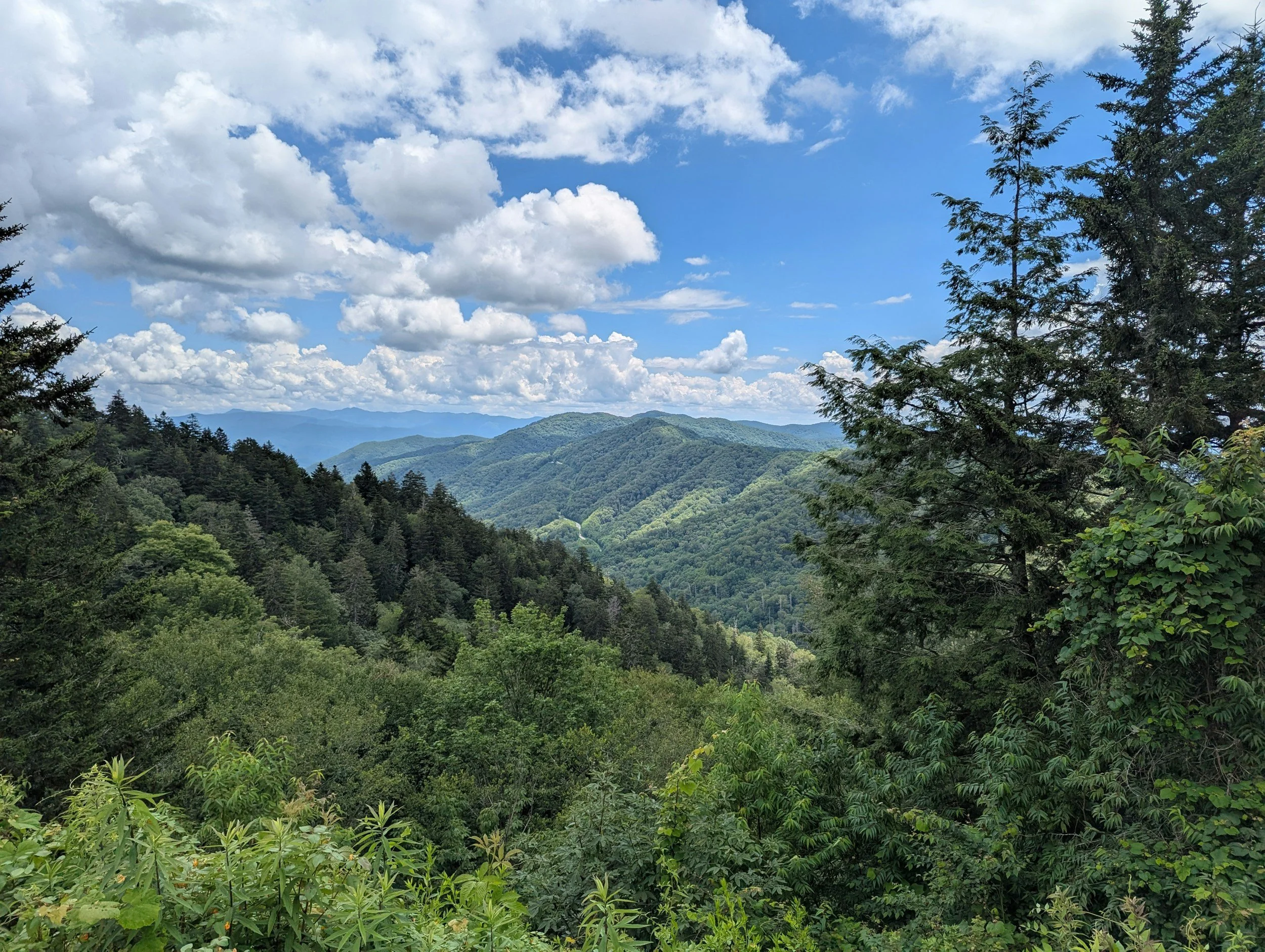
Western North Carolina remains a strong short-term rental market in 2026, particularly for well-designed, distinctive properties in high-demand areas. Increased supply and evolving local regulations have raised the bar — hosts who invest in design, guest experience, and smart pricing continue to outperform, while generic listings face increasing pressure. The question isn't whether WNC is worth it. It's whether your specific property, in its specific location, with its specific design quality, is positioned to compete in the market that exists right now.
Is Western NC still a good market for short-term rentals in 2026?
The short answer is yes — but with more nuance than it would have required a few years ago.
Western North Carolina, anchored by Asheville and extending through the mountain towns of Boone, Brevard, Waynesville, and beyond, has been one of the most sought-after STR markets in the Southeast for the better part of a decade. The combination of year-round demand drivers — outdoor recreation, a thriving arts and food scene, proximity to major metros, and mountain scenery that genuinely looks like a screensaver — creates a market with real staying power.
But staying power doesn't mean easy money. The WNC STR market has matured, supply has grown, and guests have gotten more discerning. The properties that are thriving in 2026 look different from the properties that were thriving in 2020. A listing that would have performed at 80 percent occupancy simply by being available in 2021 now needs genuine design quality, strong photography, thoughtful amenities, and active pricing management to hit that same number. Understanding that difference is the key to making a smart investment decision.
For a broader picture of whether 2026 is the right time to buy into the WNC real estate market at all, this honest breakdown of the 2026 Asheville real estate market is a useful starting point.
What are the strongest demand drivers for STRs in Western NC?
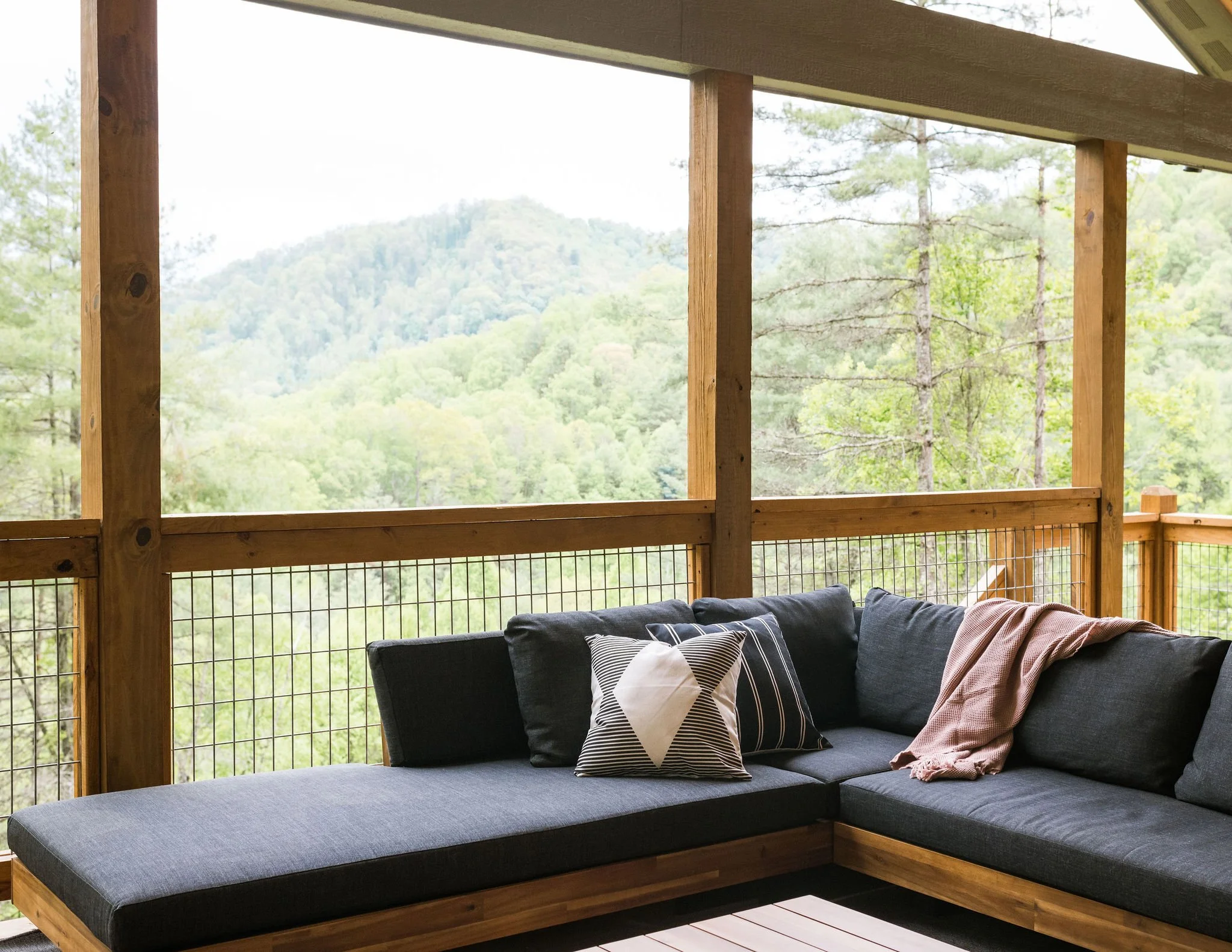
Western NC's demand drivers are unusually diverse, which is one of the things that makes it a resilient market. Unlike destinations that are heavily dependent on a single season or a single draw, WNC has genuine year-round appeal that insulates hosts from the extended slow seasons that hurt STRs in more one-dimensional markets.
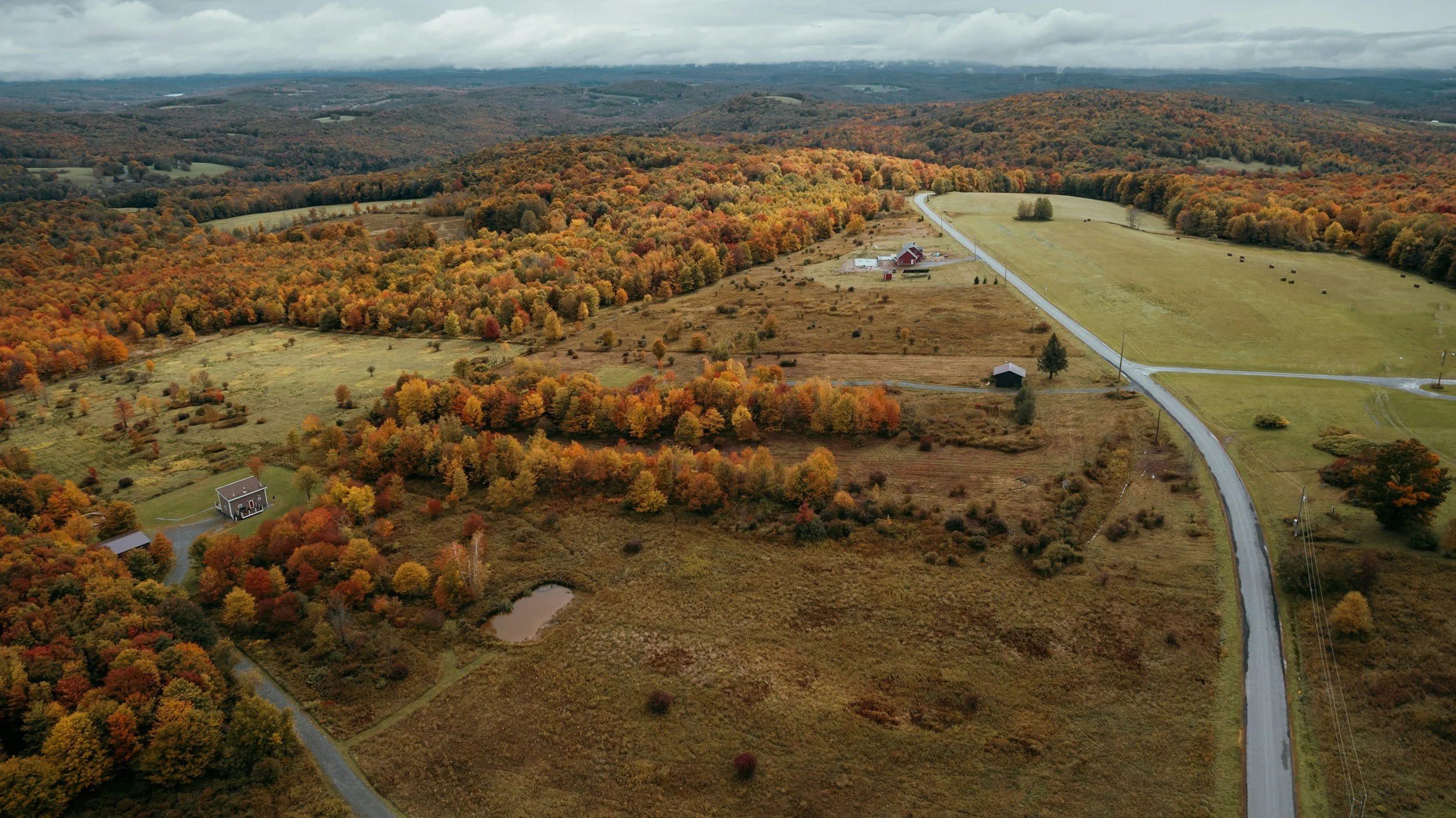
Spring brings wildflower season and the return of hiking, cycling, and rafting guests. Summer is peak family travel season — Asheville and the surrounding mountains offer a reliably cooler alternative to the coastal heat that drives guests out of Charlotte, Atlanta, and Raleigh by the millions. Fall color season, typically running from mid-September through early November, is arguably the single highest-demand period in the market. A well-positioned WNC property with fall foliage views can charge extraordinary rates during those six to eight weeks. And winter, while softer, still draws guests for the holidays, skiing at nearby resorts, and the cozy mountain experience that well-designed tiny homes and cabins deliver exceptionally well.
This multi-season demand is a significant advantage for WNC STR hosts and a meaningful differentiator from single-season markets. It's also why WNC properties command the premium they do — investors and guests alike know the calendar doesn't go quiet for half the year.
How has the WNC STR market changed in recent years?
Supply has grown. That's the most significant shift in the WNC market over the past several years, and it has meaningful implications for hosts at every price point.
More supply means more competition, which means guests have more options and higher expectations. The listing that would have filled your calendar in 2021 by virtue of simply existing may need genuine investment to compete in 2026. This isn't unique to WNC — it's a national STR market trend — but it's particularly pronounced in markets like Asheville where the gold rush mentality brought a large volume of new listings to market over a short period.
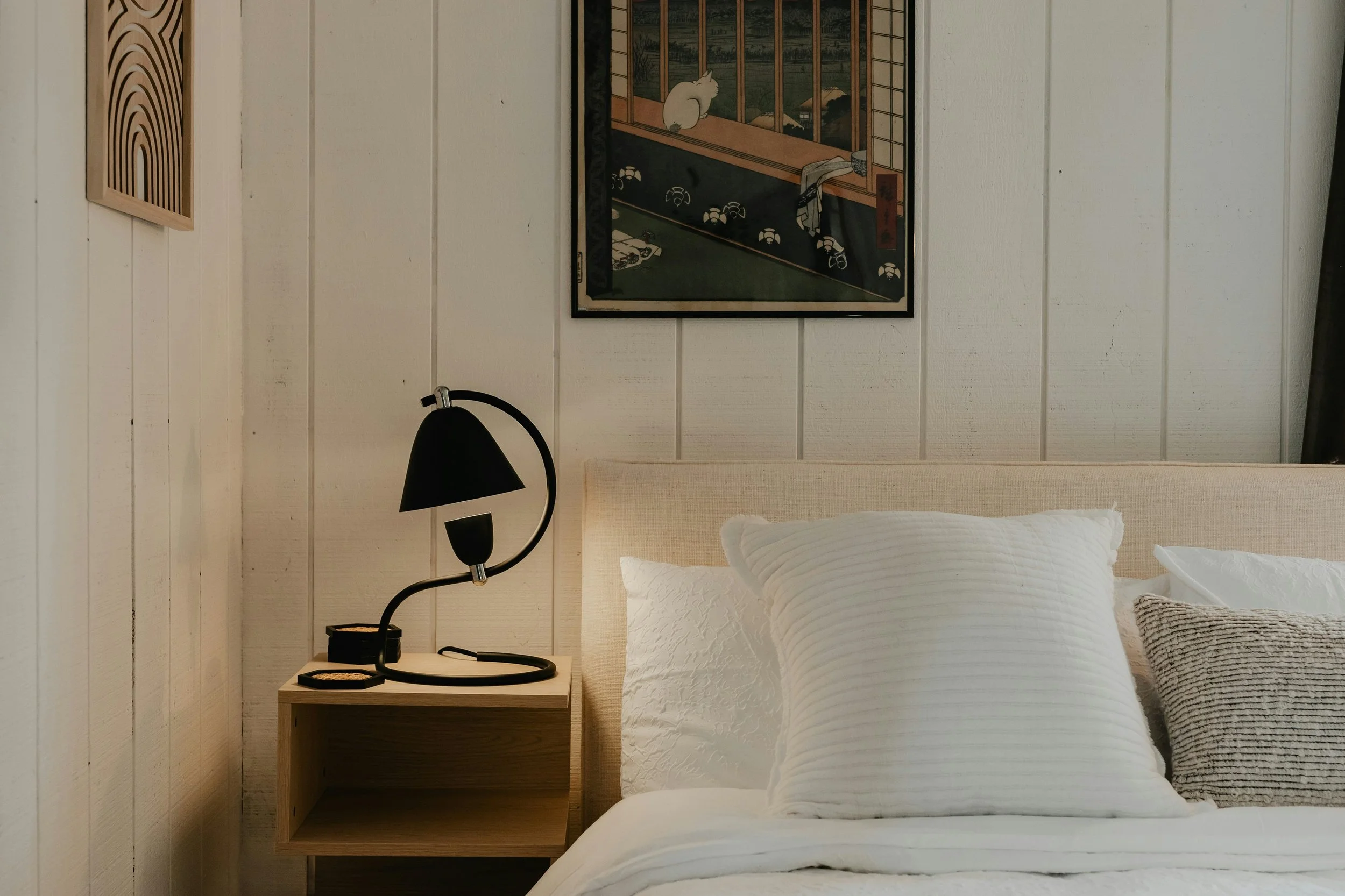
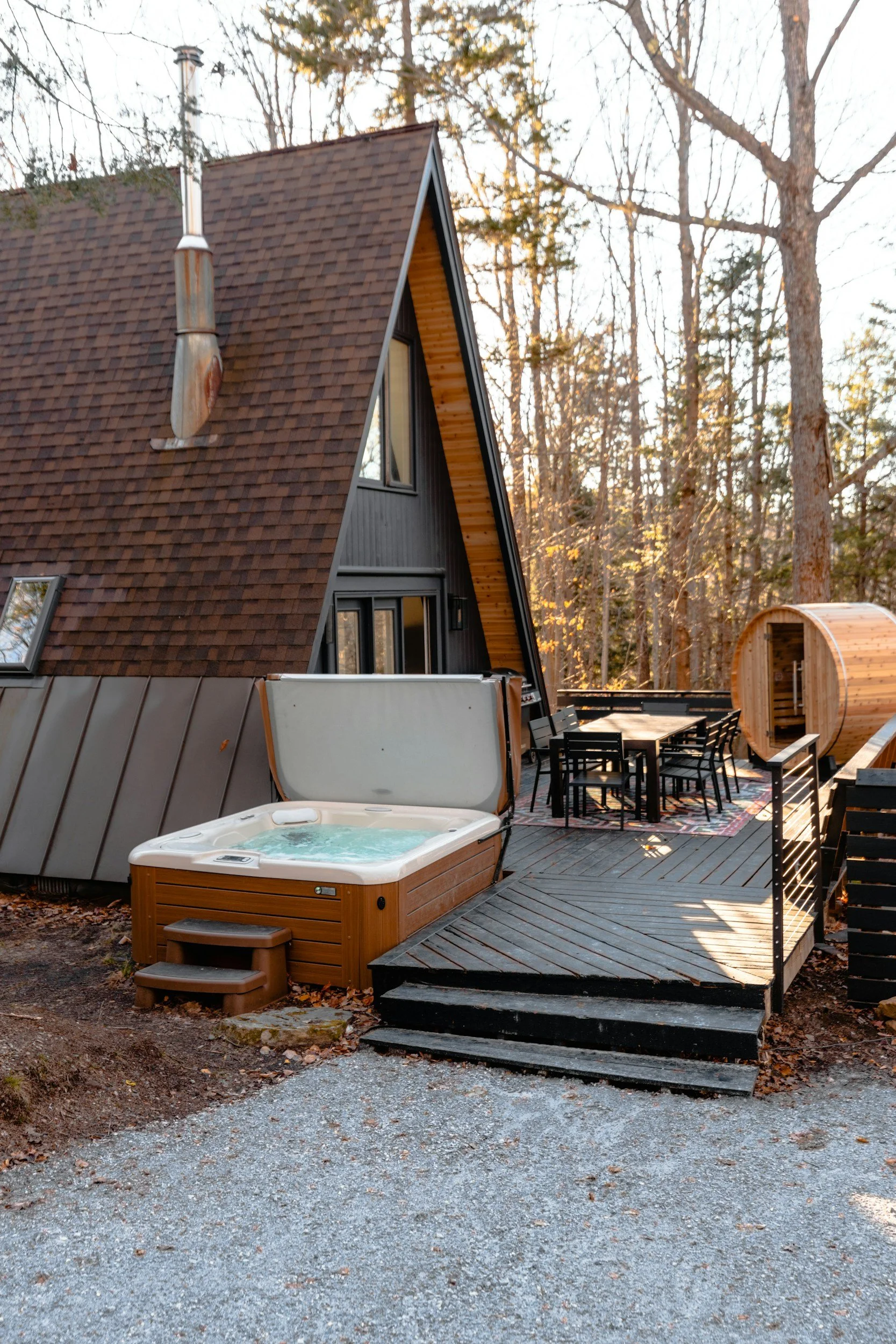
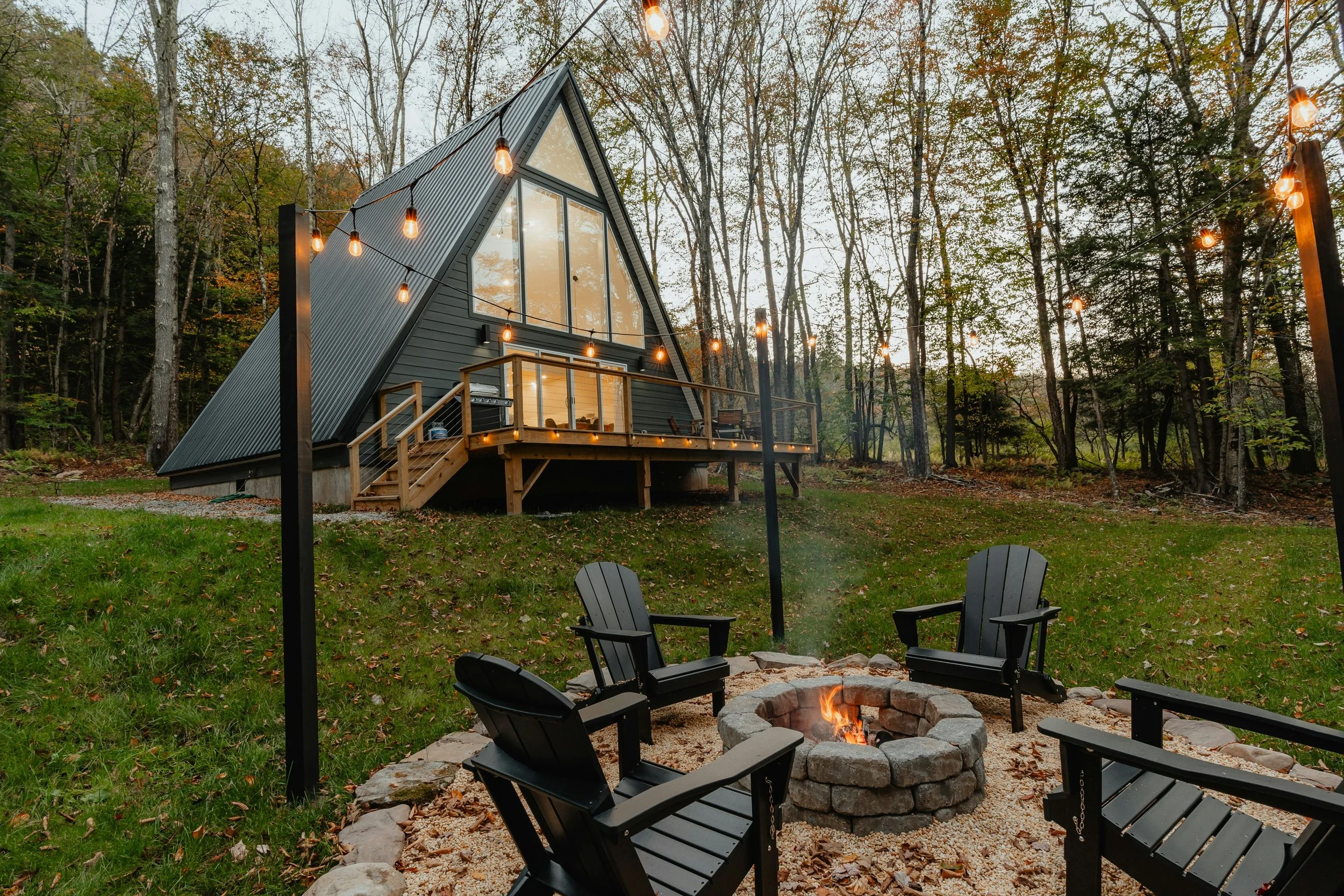
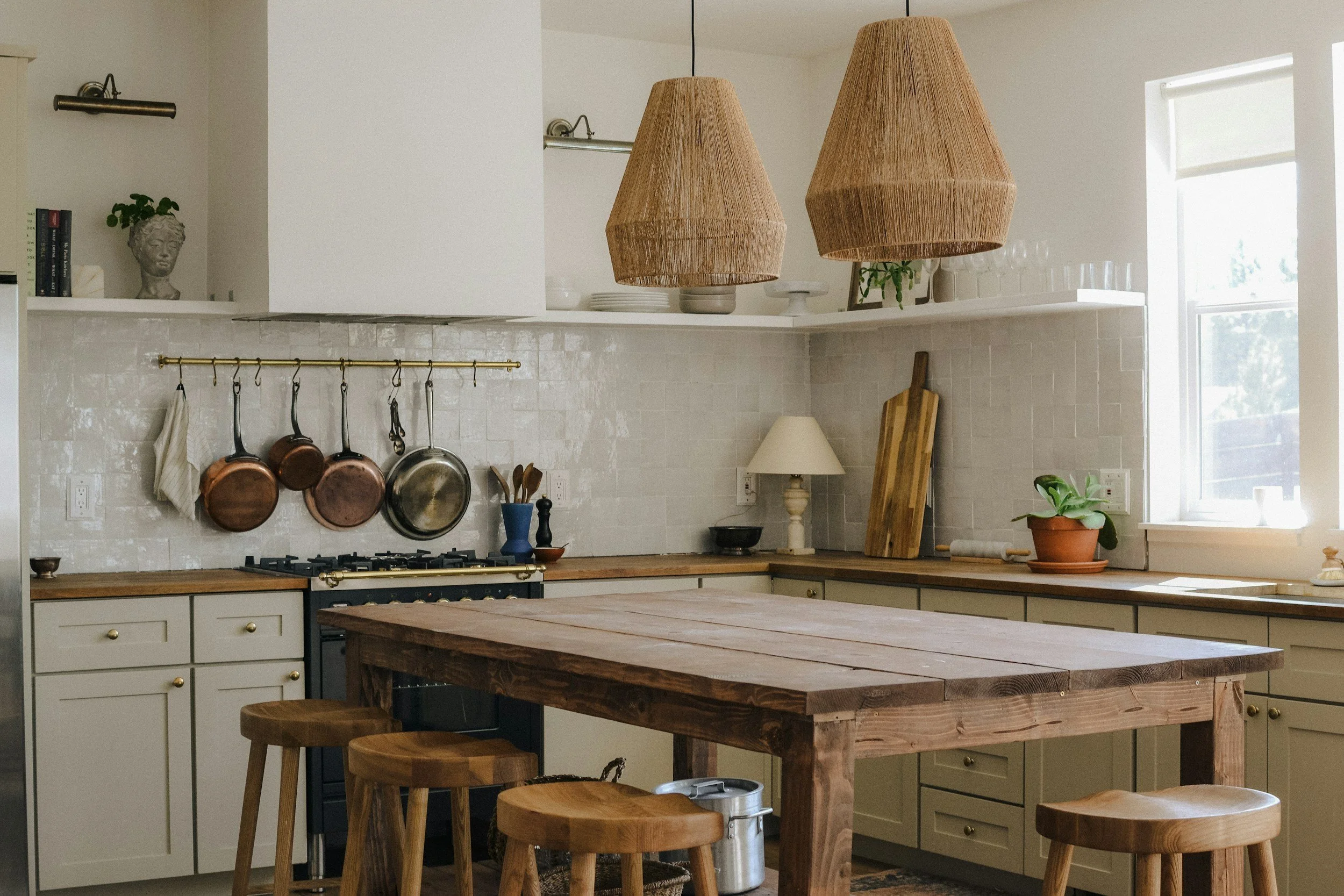
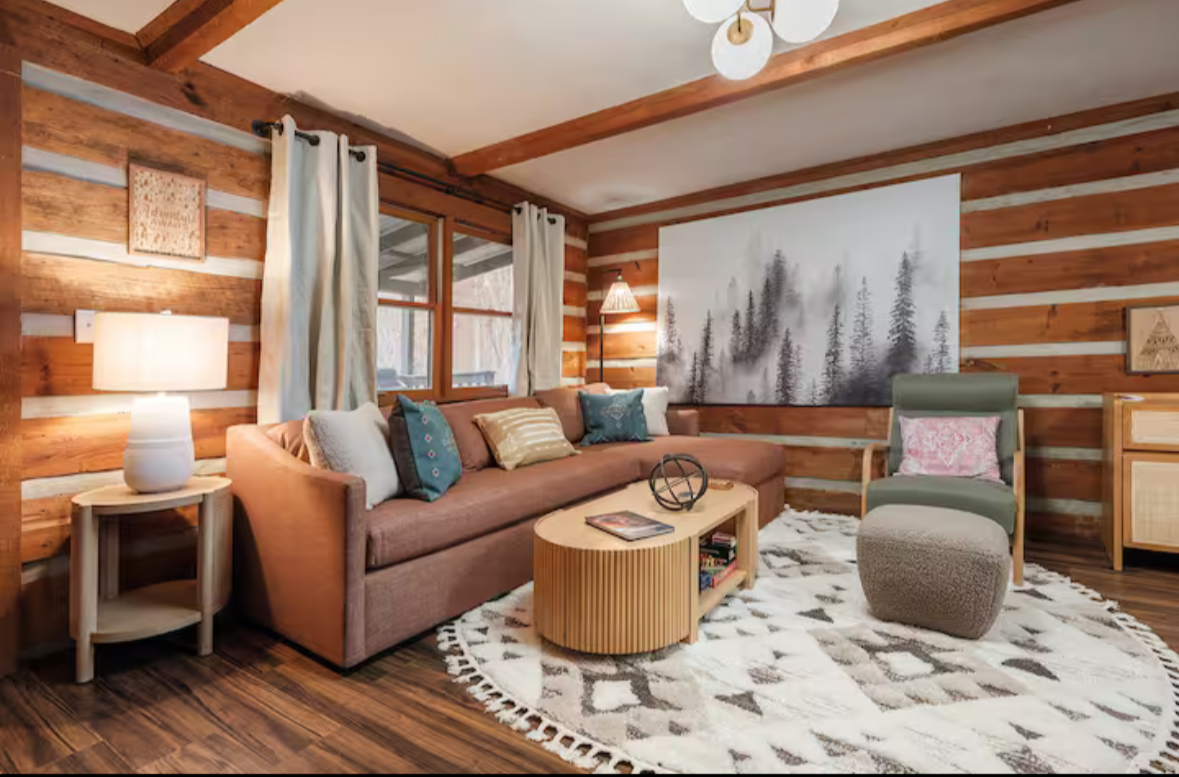
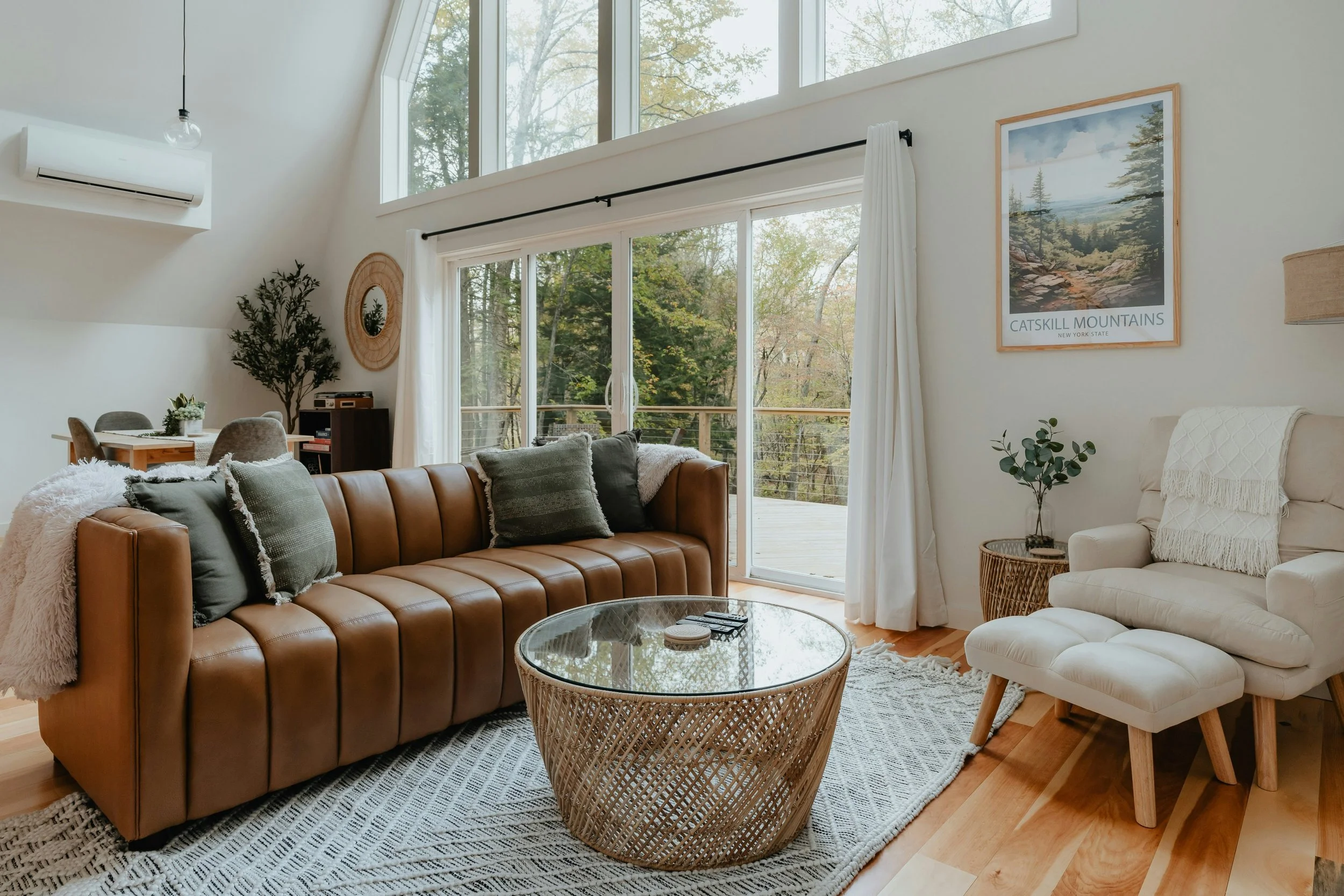
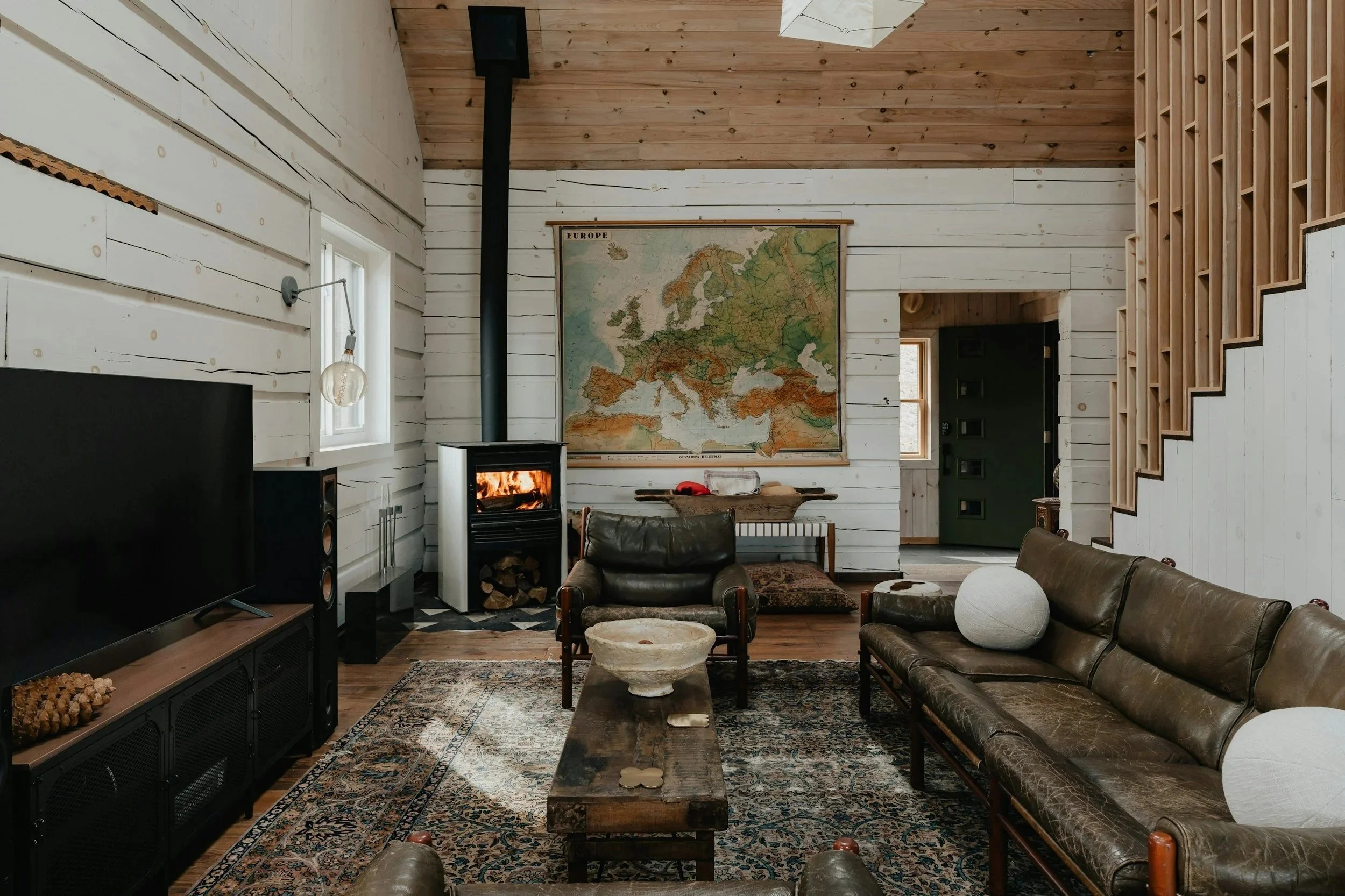
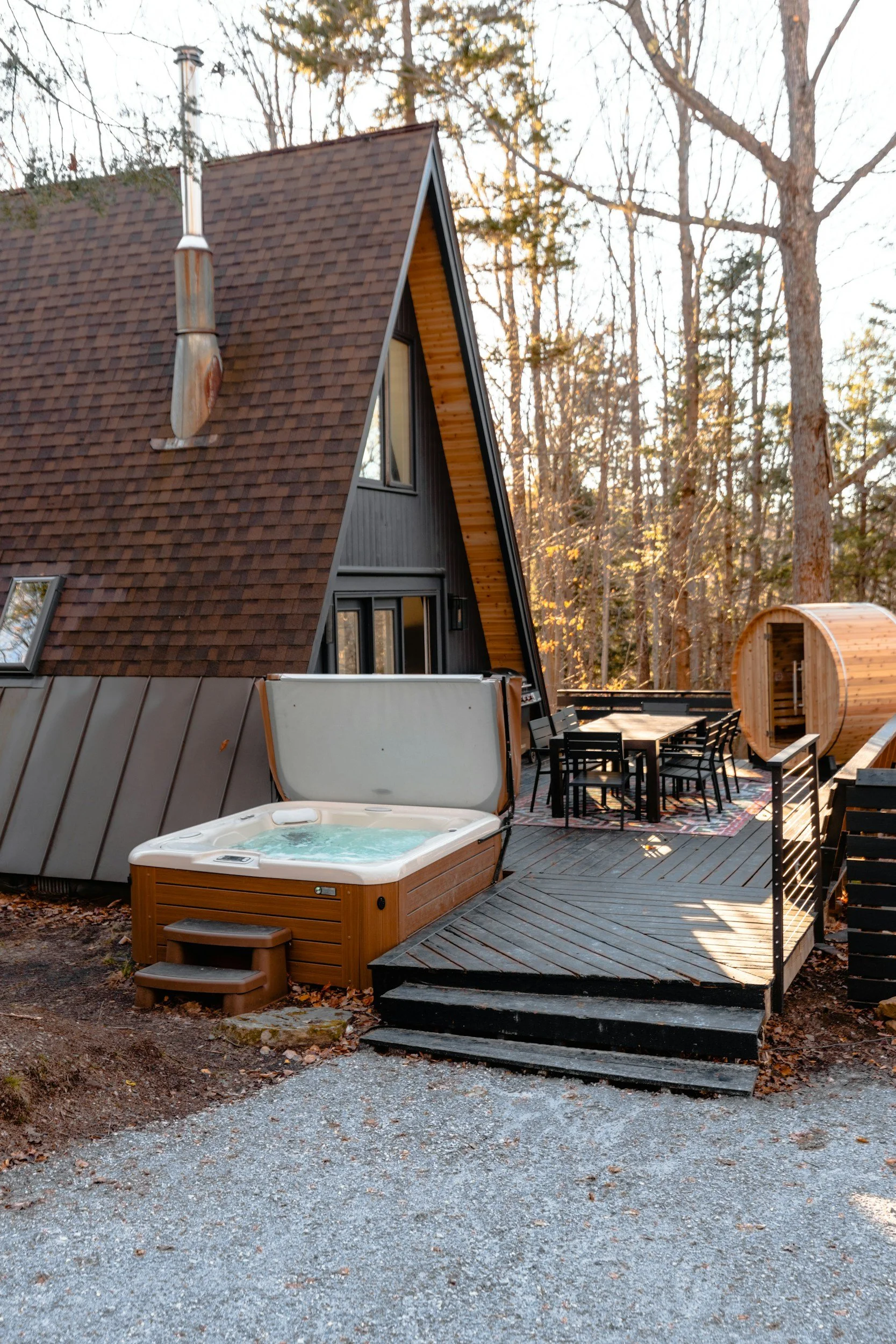
The good news: the ceiling on nightly rates for well-designed, distinctive properties has also risen. Guests are willing to pay premium rates for premium experiences — but the definition of premium has gotten more specific. Hot tubs, outdoor fire pits, fast WiFi, and well-equipped kitchens are table stakes in many segments of the market now. Design quality and a distinctive aesthetic are increasingly the differentiators that drive both bookings and rates above the market average. How design directly impacts ADR and occupancy has never been more relevant than in a market with this level of competition.
What should I know about STR regulations in Western NC?
STR regulations in Western NC vary significantly by municipality, and this is one of the most important due diligence items for anyone considering a WNC STR investment. It's also one of the most commonly skipped.
Asheville has had an evolving regulatory environment around short-term rentals, with ongoing debate about licensing, location restrictions, and owner-occupancy requirements. The regulations that apply within Asheville city limits are meaningfully different from those that apply in surrounding Buncombe County, and different again from the rules in neighboring counties and towns. What was permitted last year may have changed. What a neighbor is doing may not be legally sanctioned. What a listing agent tells you about the property's STR history is not a substitute for reviewing the actual current ordinance.
Before purchasing or launching an STR in Western NC, verify the current regulatory status for your specific parcel — not the county generally, and not what a neighbor or real estate agent tells you, but the actual current ordinance as it applies to your address. This guide to Asheville real estate for investors in 2026 includes a section on the regulatory landscape and how to navigate it before you buy.
Is a tiny home a good STR investment in Western NC?
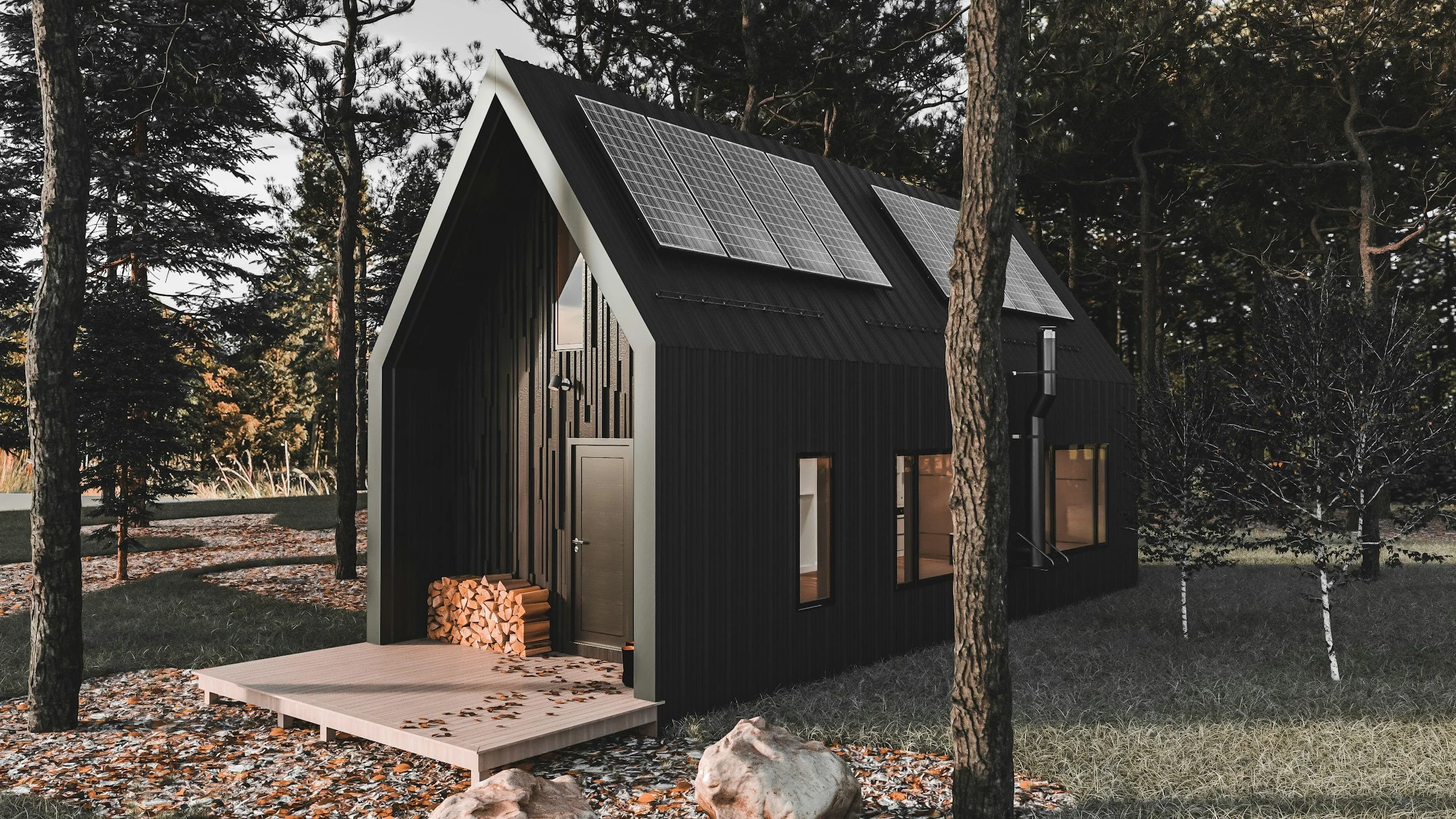
Yes — and in many ways, a well-designed tiny home or small cabin is one of the strongest STR investment categories in the WNC market right now.
Tiny homes and small cabins align exceptionally well with what WNC guests are actively seeking: a connection to nature, a distinctive experience, a sense of escape from their everyday environment. A well-designed 400-square-foot cabin with a covered porch, a soaking tub, and a ridgeline view can command nightly rates that rival much larger properties — because guests aren't paying for square footage. They're paying for the experience. And in a market where the experience is the product, design is the single most important investment you can make.
The key word there is well-designed. The tiny home STR category has gotten more competitive as the format has grown in popularity, and the properties that stand out are the ones where design, functionality, and guest experience have all been considered intentionally from the beginning. A poorly designed tiny home is just a small, uncomfortable space. A well-designed one is the reason guests leave five-star reviews that mention they're already planning their return trip before they've checked out.
What markets within Western NC are strongest for STRs right now?
Within Western NC, the strongest STR markets in 2026 tend to be those that offer a combination of natural amenities, proximity to Asheville or other destination towns, and relatively manageable regulatory environments.
Areas just outside Asheville city limits remain strong — Weaverville, West Asheville adjacent unincorporated areas, and the Leicester corridor all offer solid demand access with less regulatory complexity than the city itself. The Black Mountain and Swannanoa corridors have seen growing interest from both investors and guests. Brevard and Transylvania County offer strong outdoor recreation demand with a slightly less saturated market than closer-in Asheville. And the broader WNC mountain region continues to draw guests seeking a more off-the-beaten-path experience, with smaller mountain communities commanding genuine premium rates for the right property.
The common thread across all of these strong sub-markets is the same: design quality and a distinctive guest experience are the deciding factor between properties that thrive and properties that struggle. Location opens the door. Design closes the sale.

Frequently Asked Questions
Is Asheville still a good place to buy an Airbnb in 2026?
Asheville remains a high-demand STR destination in 2026, but its regulatory environment requires careful due diligence before purchasing. For many investors, properties just outside the city limits offer a strong combination of demand access and regulatory clarity. Always verify current ordinances for your specific parcel before committing.
What is the average nightly rate for an STR in Western NC?
Average nightly rates in WNC vary significantly by property type, location, size, and design quality. Well-designed tiny homes and cabins in high-demand areas can command $150 to $300+ per night depending on amenities and season. Fall color season and major holidays regularly push rates significantly above those baselines for well-positioned properties.
How competitive is the WNC short-term rental market?
The market has grown meaningfully more competitive as supply has increased over the past several years. Properties that invest in design quality, professional photography, distinctive amenities, and active pricing management continue to outperform. Generic, undifferentiated listings face real and increasing pressure.
Do I need a license to operate an Airbnb in Western NC?
Licensing requirements vary by municipality and are subject to change. Always verify the current requirements for your specific property location — at the parcel level, not the county level — before launching an STR. The regulatory landscape in WNC has evolved and will likely continue to evolve.
What amenities do WNC STR guests expect in 2026?
In the mid-to-upper price tier, guests increasingly expect hot tubs or soaking tubs, outdoor fire features, fast and reliable WiFi, well-equipped kitchens, and quality bedding and linens. Design quality and a distinctive aesthetic are growing differentiators. Properties that check all the function boxes and also have a clear visual identity consistently outperform comparable properties that don't.
Is a tiny home a profitable STR investment?
A well-designed tiny home in a strong market can be highly profitable relative to its acquisition and build cost. The key variables are design quality, location, amenities, and operational execution. A well-run, beautifully designed tiny home STR in Western NC can generate strong cash-on-cash returns — but "tiny home" is not a shortcut. The design and execution still have to be right.
Considering a short-term rental investment in Western North Carolina? At Sukkha Interior Design, we work with STR investors and hosts to create properties that perform — from design strategy through execution. Let's talk about your investment.

If you’re weighing your options and want honest guidance without the sales pressure, I’m happy to help.
👉 Book a Connection Call Now
Thinking about buying or selling near Asheville NC?
READ MORE

Book a Call