Buying Land in WNC to Build a Tiny Home? Read This Before You Sign Anything
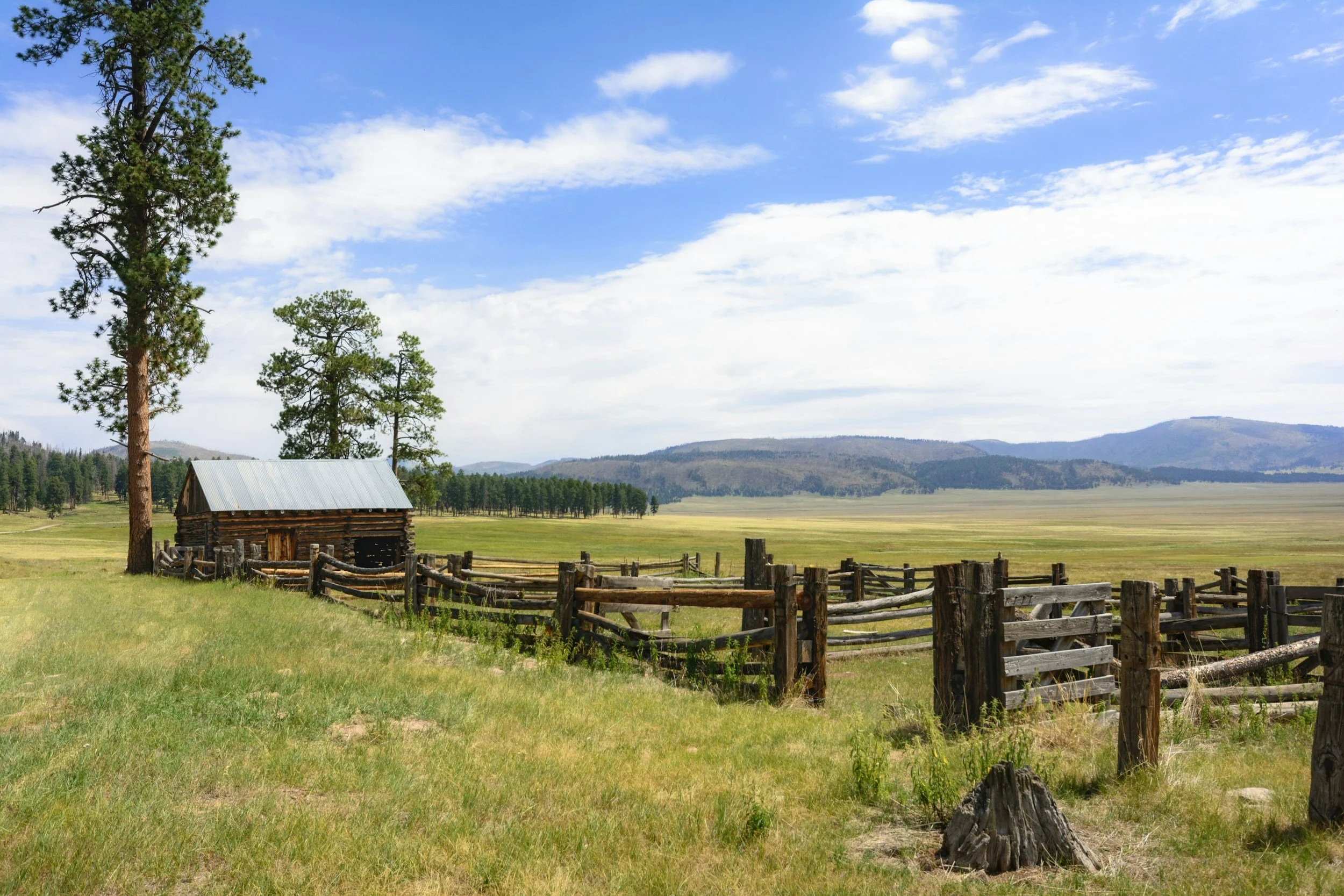
Buying Land in WNC to Build a Tiny Home? Read This Before You Sign Anything
The short answer: Buying land in Western North Carolina to build a tiny home requires due diligence in four critical areas before making an offer: zoning and land use regulations (which determine whether a tiny home is even permitted on the parcel), utilities and infrastructure access, road access and legal easements, and financing options. Missing any of these can turn a dream property into an expensive mistake.
Is it legal to build a tiny home on land in Western North Carolina?
This is the first question to answer — and it's more complicated than most land buyers anticipate. The short answer is: it depends entirely on the specific parcel, the county, and the municipality. There is no universal answer for Western NC.
Zoning regulations in WNC vary significantly from county to county and from municipality to municipality. Some areas welcome tiny homes and have explicit provisions for them. Others have minimum square footage requirements for residential dwellings that effectively prohibit a tiny home regardless of how well-designed it is. Some counties have no zoning at all in rural areas — which sounds like freedom but comes with its own complications. The American Tiny House Association maintains a running state-by-state overview of how tiny home regulations work, and North Carolina's picture is more nuanced than most buyers expect.
Before falling in love with a piece of land, verify the zoning designation and what it allows. Is residential construction permitted? What is the minimum square footage for a dwelling? Are manufactured homes, modular homes, or tiny homes on wheels specifically addressed? Is the parcel in a flood zone, and if so, what are the building restrictions?
These answers come from the county planning department — not from the listing agent, not from the seller, and not from a neighbor who "thinks it should be fine." The planning department is the authoritative source, and getting their answers in writing is worth the effort before you spend money on due diligence. If you're also considering using the property as a short-term rental, that adds another regulatory layer — how STR regulations work in Western NC is a separate but related conversation worth having before you commit to a parcel.

What utilities do you need for a tiny home on land in WNC
Utilities are where land purchases most frequently go sideways for buyers who didn't do their homework. Raw land in WNC — which describes a significant portion of the parcels listed for sale in the region — often has no utilities at the property line. Getting them there is your responsibility and your cost.
Water is the first consideration. In rural WNC, most properties rely on private wells rather than municipal water. Before purchasing, find out whether a well has already been drilled on the property. If not, research the typical well depth and cost in that specific area — well drilling costs vary significantly by location and geology, and some areas of WNC have bedrock conditions that make drilling expensive or uncertain. The NC Department of Environmental Quality's well program provides county-level data on well construction and average depths that can help you estimate costs before you make an offer. A perc test (percolation test) should also be conducted before purchase if you're planning a septic system, as not every parcel will pass.
Electricity is often available via the local electric cooperative — Blue Ridge Electric, Tri-County Electric, and Duke Energy serve different areas of WNC — but bringing power to a remote parcel can require extending the line significant distances at significant cost. Get an estimate from the electric provider before you close. Some tiny home owners opt for solar and battery systems to eliminate the grid connection cost entirely, which is an increasingly viable option in sunny WNC locations.
Septic is required on any property not served by municipal sewer, and installing a septic system requires a permit and a site evaluation. The county health department conducts soil evaluations to determine whether the property can support a septic system and what type. This is non-negotiable — you cannot install a septic system without the county's approval, and properties that fail the evaluation have severely limited development options.
Road access is the final utility consideration. Does the property have a deeded easement for road access if it isn't directly on a public road? A landlocked parcel — one with no legal right of access across neighboring land — is effectively unbuildable regardless of its other merits. Verify this through a title search before purchase.
How do zoning and land use regulations affect tiny home building in WNC?
Beyond the basic question of whether a tiny home is permitted, zoning and land use regulations govern a range of issues that affect what you can build and how you can use the property.
Setbacks determine how far any structure must be from property lines, roads, streams, and other features. In some WNC counties, setbacks are minimal in rural zones. In others, they can significantly reduce the buildable area of a small parcel.
Accessory dwelling units (ADUs) are relevant if you're planning to build a tiny home as a secondary structure on a property that already has a primary residence — or if you eventually want to add a larger structure. ADU regulations vary widely and are worth understanding upfront if your plans might evolve. Nolo's plain-language overview of ADU regulations is a useful primer on how these rules typically work before you dig into county-specific requirements.
Short-term rental regulations are a critical consideration if you're planning to use the tiny home as an STR. As discussed in previous posts, STR regulations in WNC vary by municipality and are actively evolving. Verify not just whether residential construction is permitted, but whether short-term rental use is specifically allowed on the parcel you're considering.
Conservation easements and deed restrictions can limit what you build on a parcel in ways that don't show up in zoning research. A title search and a review of the deed history are essential for identifying these restrictions before purchase.
How do you finance land to build a tiny home in Western NC?
Land financing is meaningfully different from home financing, and buyers who approach a land purchase expecting it to work like a traditional mortgage are often surprised.
Conventional mortgage lenders generally don't finance raw land. Land loans are available from some banks, credit unions, and agricultural lenders, but they typically require larger down payments (20 to 50 percent), carry higher interest rates than residential mortgages, and have shorter terms. Owner financing — where the seller carries the note — is more common with land purchases than with improved property and can be a viable option when available. Bankrate's guide to land loans has a clear breakdown of the financing types available and what to expect from each.
If you're planning to build relatively quickly, a construction loan may be the most practical path. A construction-to-permanent loan covers both the land purchase and the construction cost, converting to a standard mortgage once the build is complete. Lenders have specific requirements about what can be built (some won't finance structures under a certain square footage), so verify compatibility with your tiny home plans early in the process.
For buyers who plan to pay cash for the land and finance the build separately, the math often works well — land parcels in rural WNC can be found at price points that make cash purchase accessible, and construction loans or personal loans cover the build cost. As a licensed real estate broker serving Western NC, Sarah at Sukkha can help you navigate the land purchase process alongside the design work, so you're not juggling two separate conversations with two separate professionals.
What should I look for when buying land for a tiny home in WNC?
Beyond the regulatory and utility due diligence, a few practical considerations make a significant difference in how the property ultimately lives and performs.
Topography and solar exposure — A steeply sloped parcel is harder to build on and more expensive to develop than a gently sloped or flat one. South-facing slopes get more winter sun, which matters for both comfort and solar energy generation. North-facing slopes can be significantly shadier and colder.
Proximity to town and services — Remote land in WNC can be idyllic, but the reality of living 45 minutes from a grocery store hits differently once you're there. If you're building an STR, remote location can be a selling point — but guests still need to be able to get there, and the road conditions matter.
Tree coverage and views — Both are assets, but they come with considerations. Heavy tree coverage provides privacy and shade but may require significant clearing for building and may have implications for timber rights and easements. Views are valuable for STR marketing but often come with exposed, windy sites that require thoughtful building design.
Flood zones and watershed protections — WNC has significant flood zone areas, particularly along river corridors, and properties in or near designated flood zones have building restrictions that affect what you can build and where. Stream buffers and watershed protection regulations also apply in many areas. FEMA's flood map service center lets you check any parcel's flood zone status before you make an offer — a five-minute step that can save you from a very expensive surprise.
Frequently Asked Questions
Can I put a tiny home on any land in Western NC?
No — whether a tiny home is permitted on a given parcel depends on the county zoning, any municipal regulations that apply, and the specific deed restrictions on that property. Always verify with the county planning department before purchasing.
How much does land cost in Western NC for building a tiny home?
Land prices in WNC vary significantly by location, acreage, and access to utilities. Rural parcels of one to five acres in less-trafficked areas can range from $20,000 to $80,000. Parcels with mountain views, road frontage, and existing utilities in higher-demand areas command significantly more.
Do I need a permit to build a tiny home in NC?
Yes — any permanent structure requires a building permit, and the permitting process includes inspections for foundation, framing, electrical, plumbing, and final occupancy. Tiny homes on wheels (THOWs) have different requirements than site-built structures but are also subject to local regulations regarding where they can be placed and lived in permanently.
What is a perc test and do I need one for land in WNC?
A percolation test (perc test) evaluates whether the soil on a property can support a septic system. It is required by the county health department before a septic permit will be issued. If a parcel fails the perc test, your options for waste management are severely limited, which can effectively prevent the property from being developed residentially. Always conduct a perc test before closing on raw land.
How long does it take to build a tiny home on land in WNC?
Timeline varies significantly based on the complexity of the build, contractor availability, and permitting timelines. Site-built tiny homes and small cabins in WNC typically take six to eighteen months from breaking ground to move-in. Adding the time for land due diligence, permitting, and utility installation, the full process from land purchase to occupancy often runs twelve to twenty-four months.
Can I use land in WNC for a tiny home STR?
Potentially yes — but this requires separate verification of STR regulations specific to the parcel's location. Zoning may permit residential construction without explicitly permitting short-term rental use, and some counties and municipalities have specific STR licensing requirements. Verify STR permissibility as part of your due diligence, not as an afterthought.
Thinking about buying land in Western NC to build a tiny home or STR? At Sukkha Interior Design, Sarah Bronstein is both a licensed interior designer specializing in tiny homes and STRs and a licensed real estate broker serving Asheville and Western North Carolina. We can help you find the right property and design the right space.Let's connect.

If you’re weighing your options and want honest guidance without the sales pressure, I’m happy to help.
👉 Book a Connection Call Now
Thinking about buying or selling near Asheville NC?
READ MORE
Book a Call