What a Tiny Home Interior Designer Actually Does — And Why It Pays for Itself
The short answer: A tiny home interior designer handles layout optimization, furniture selection and sourcing, finish and material choices, color palette development, lighting design, and styling — all with the specific constraints and goals of a small space in mind. For STR hosts, they also optimize for photography performance, guest experience, and revenue. The investment typically pays for itself within one to two booking seasons through higher nightly rates and better occupancy. Here's exactly what that process looks like and why it matters.
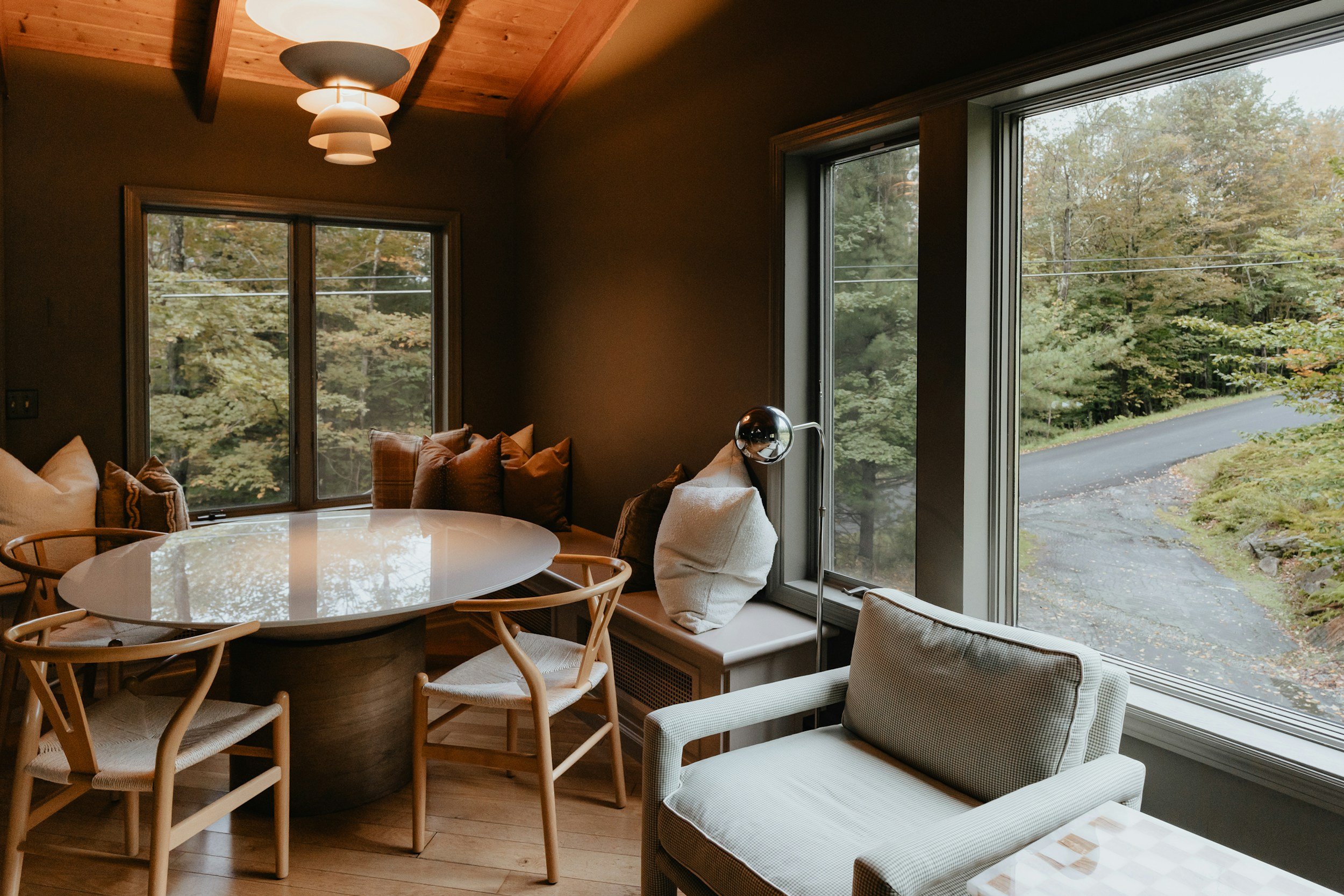
What does a tiny home interior designer actually do?
Let's start with what most people assume an interior designer does: pick pretty things and put them in rooms. And while that's not entirely wrong, it's about as accurate as saying a surgeon cuts people open. Technically true. Wildly incomplete.
What a tiny home interior designer actually does is solve a spatial puzzle — and solve it in a way that looks intentional, functions for real life, and holds up under the specific demands of a small space. Every decision is interconnected. The furniture scale affects the sightlines. The sightlines affect how big the room feels. How big the room feels affects the listing photos. The listing photos affect the booking rate. The booking rate affects the revenue. And so on.
Here's what that looks like in practice, from the first conversation to the finished space. And if you want to understand what to look for when hiring a designer specifically, these 10 questions to ask before hiring an interior designer will give you a solid starting point.
What is the interior design process for a tiny home?
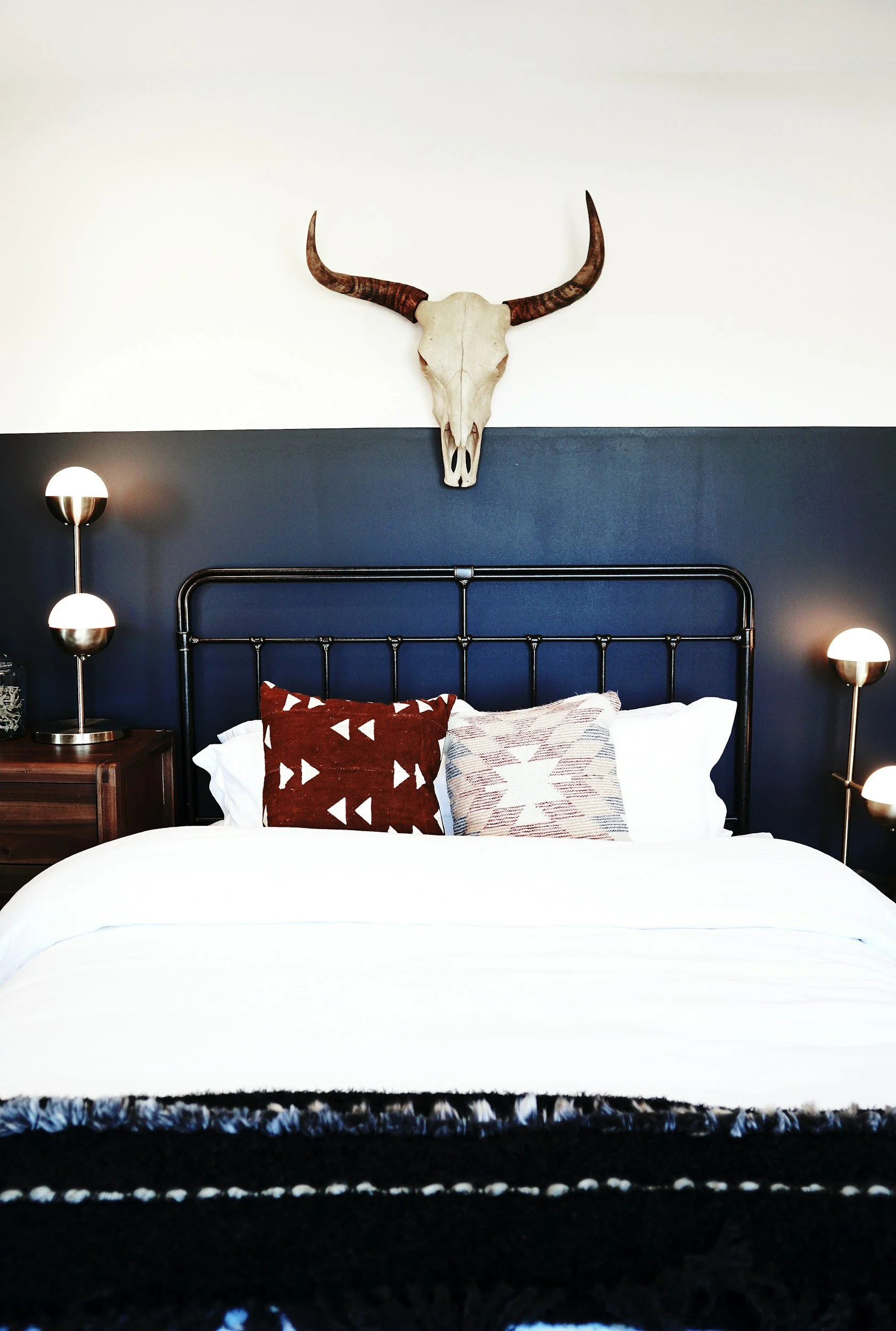
Discovery and space assessment
The process starts before a single piece of furniture is selected. A good tiny home designer begins by understanding the space itself — its dimensions, its structural constraints, its light exposure, and its existing bones — and by understanding the goals of the person who owns it.
For a primary residence, those goals might be maximizing livability for a specific lifestyle: a remote worker who needs a dedicated desk, a couple who entertains frequently, a person who values a beautiful bathroom above all else. For an STR, the goals center on guest experience, photography performance, and revenue maximization.
This discovery phase is where the most important decisions are made — not in the furniture showroom. Getting the layout right, identifying which walls can be opened up, deciding where the sleeping area goes, determining how storage will be integrated — these are the decisions that determine whether a tiny home lives well or fights you every day.
Space planning and layout
Once the goals and constraints are clear, the designer develops a space plan — a scaled layout that shows exactly where furniture will go, how traffic will flow, and how every function of the home will be accommodated.
In a tiny home, this step is more critical than in any other residential context. The margin for error is essentially zero. A sofa that's six inches too long blocks a doorway. A dining table positioned incorrectly makes the kitchen unusable. A bed placed without regard for the windows means guests wake up to sun in their face. Space planning for small spaces requires precision and experience — there's no room to figure it out as you go. This is also where guest flow decisions get made, and maximizing guest flow in small STRs and tiny homes is its own discipline worth understanding before any furniture gets ordered.
Furniture selection and sourcing
This is where most people think the designer's job begins — and where most DIY designers make their most expensive mistakes.
Furniture selection for a tiny home involves far more than finding things that look good. Every piece must be correctly scaled for the space — not just "small" in a general sense, but specifically sized so that it fits the floor plan, allows for traffic flow, and photographs well from the angles that matter for listing photos. It must be appropriately durable for rental use — STR furniture takes significantly more abuse than residential furniture, and pieces that look great in a showroom often fall apart within a year under rental conditions. And it must work within the budget while delivering on the aesthetic.
A designer with experience in tiny homes and STRs has a sourcing network and a knowledge base that a DIY buyer simply doesn't have. They know which pieces hold up, which dimensions work in which layouts, and where to find quality at price points that make the project pencil out. Houzz's research on hiring interior designers shows that homeowners who work with a professional consistently report fewer costly mistakes and better satisfaction with final results than those who go it alone.
Finish, material, and color selection
Flooring, tile, countertops, paint colors, cabinet finishes, hardware — these decisions are where a tiny home either comes together or starts to feel like a collection of unrelated choices. In a small space, cohesion is everything. The eye travels the entire room in seconds, and anything that doesn't belong immediately registers as off.
A designer develops a cohesive finish palette that works across the entire space, considers how each material will photograph, accounts for durability and maintenance in a rental context, and ensures that the overall aesthetic has a point of view — something that makes the space feel distinctive and memorable rather than generic. In competitive STR markets, that distinctiveness is a direct revenue driver.
Lighting design
Lighting is the most underrated element of any interior — and in a tiny home or STR, it's the one that most directly impacts both the guest experience and the listing photos.
A designer specifies lighting for each area of the home with intention: ambient lighting that sets the mood, task lighting that makes spaces functional, and accent lighting that adds depth and warmth. They know which fixtures photograph well, which ones provide the kind of warm, layered light that makes a space feel inviting rather than institutional, and how to create the dimmer-switch flexibility that guests appreciate.
Styling and photography prep
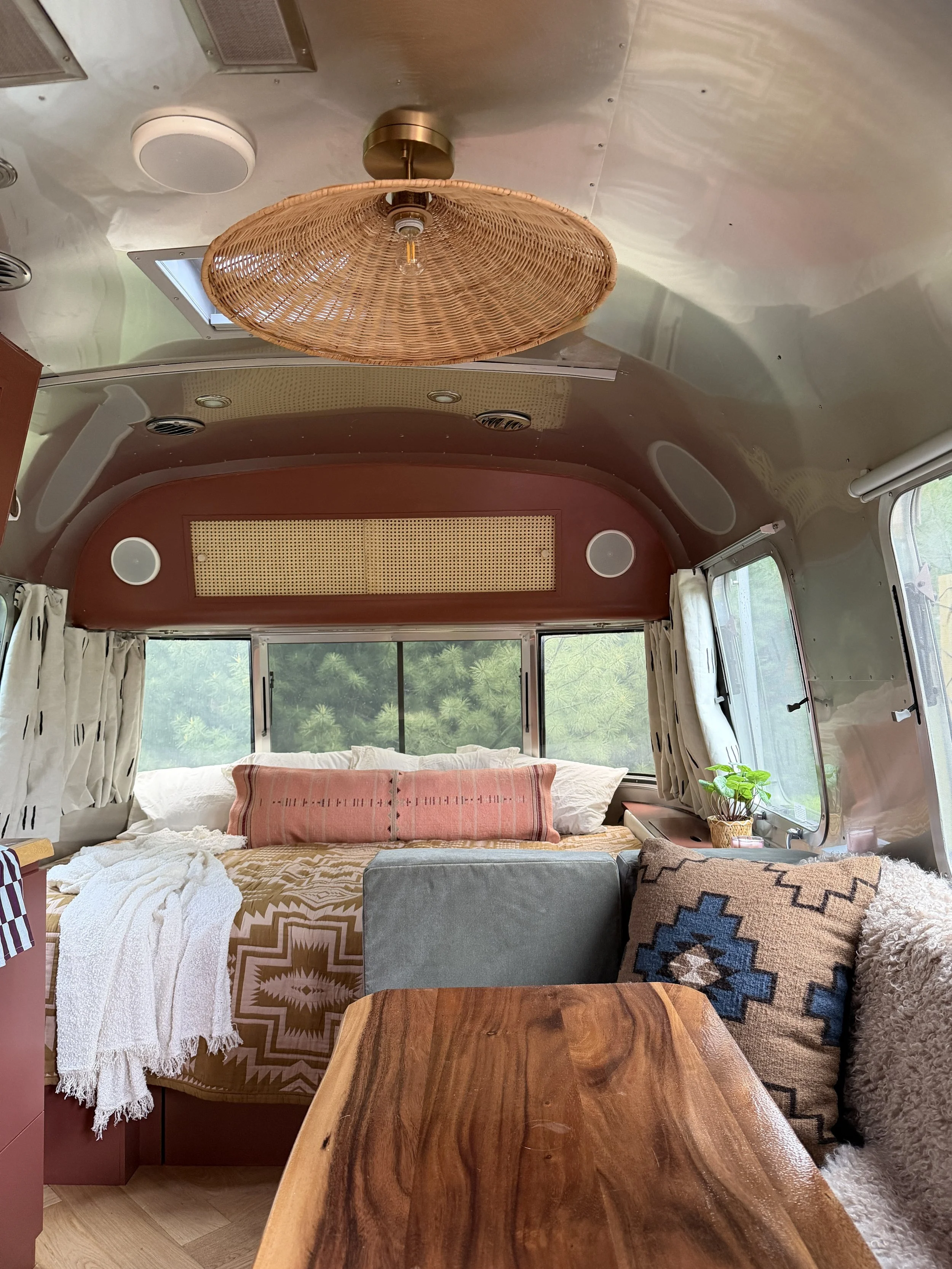
For STR projects specifically, the final step is styling — curating the objects, art, plants, textiles, and finishing touches that make a space feel lived-in, considered, and worth photographing. This is the difference between a room that looks like a catalog page and one that looks like somewhere you'd actually want to spend a weekend.
Good styling for an STR isn't about decorating for decoration's sake. It's about creating moments — details that photograph well, tell a story about the place, and give guests something to notice and remember. The full breakdown of how Sukkha approaches this from start to finish lives in this walkthrough of the design plan process.
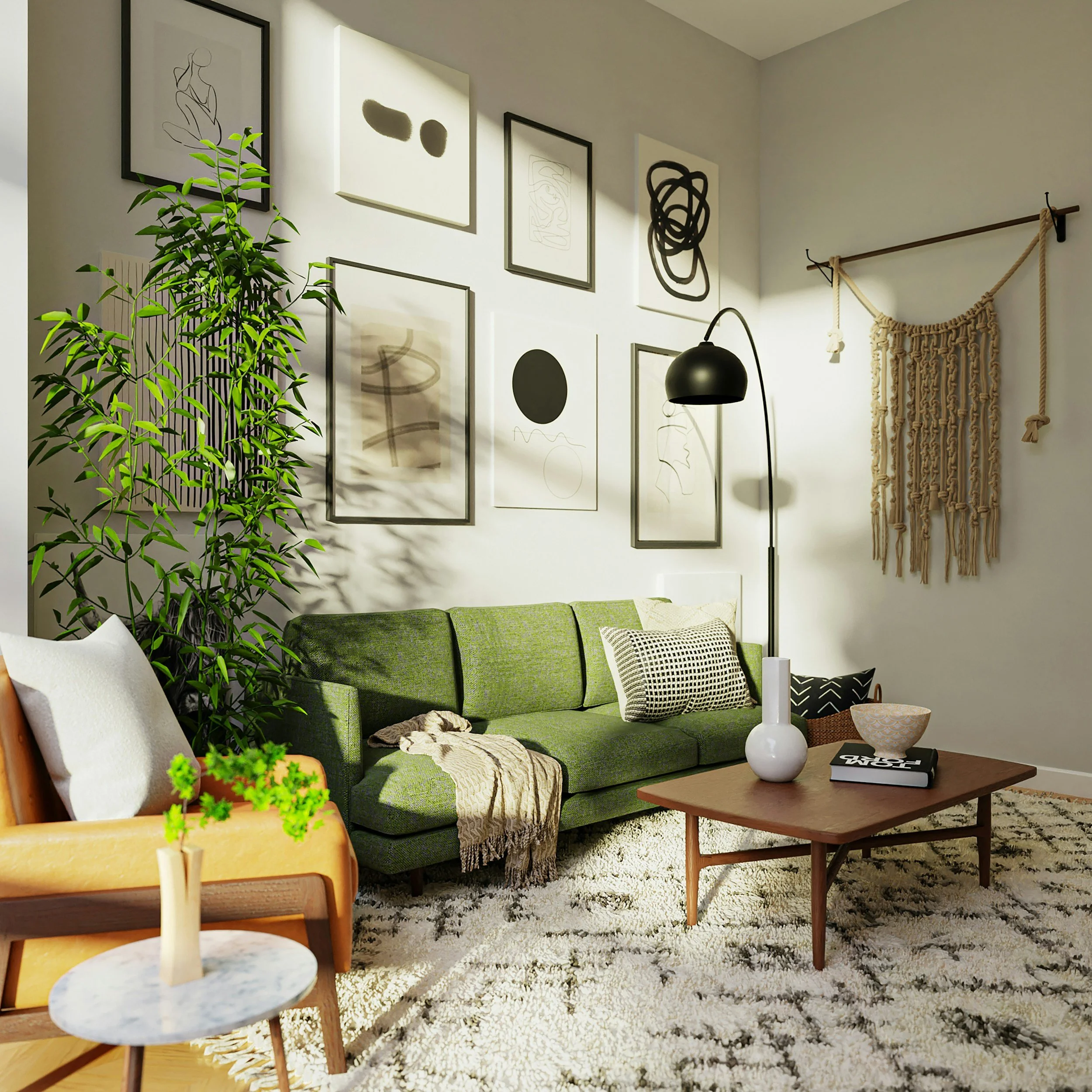
Is hiring an interior designer for a tiny home or STR worth the money?
This is the question everyone is actually asking — and it deserves a direct answer.
For a short-term rental, the financial case is straightforward. A well-designed STR consistently commands higher nightly rates and better occupancy than a comparable property with generic or DIY design. The gap between a listing that earns $150 a night and one that earns $200 a night — on the same property, in the same market — is almost always a design, photography, and presentation gap. At $50 more per night and 200 booked nights per year, that's $10,000 in additional annual revenue. Against a design fee that's a fraction of that number, the math is clear.
For a primary tiny home residence, the case is different but equally real. The cost of getting a tiny home design wrong — furniture that doesn't fit, a layout that doesn't flow, finishes that don't work together — adds up quickly in return fees, replacement costs, and the less quantifiable but very real cost of living in a space that doesn't feel right. A designer who prevents those mistakes pays for themselves before the project is finished.
What is the difference between full-service design and e-design for a tiny home?
Full-service design is the comprehensive option — the designer handles everything from space planning through furniture sourcing, installation coordination, and final styling. You hand off the project and receive a finished space. This is the right choice for new builds, significant renovations, or anyone who wants to be genuinely hands-off in the process.
E-design (also called virtual design or online design) delivers a complete design plan — space plan, mood board, sourcing list, finish selections, and styling guide — that you implement yourself. You get the strategic thinking and aesthetic direction of a professional designer at a significantly lower price point, and you handle the purchasing and execution. This is an excellent option for hosts or homeowners who are comfortable with the implementation side but want professional direction on the strategy.
For most tiny home STR projects, e-design delivers exceptional value — the design decisions are where the professional expertise matters most, and the implementation is manageable for a motivated owner.
Frequently Asked Questions
How much does a tiny home interior designer cost?
E-design packages for tiny homes and STRs typically range from $500 to $2,500 depending on the size of the project and the depth of the service. Full-service design for a complete tiny home buildout or STR renovation varies based on scope and location. Most well-designed STRs recoup the design investment within one to two booking seasons through higher rates and improved occupancy.
Do I need an interior designer for a tiny home?
You don't need one — but the question is whether designing without one will produce a result that performs at the level you need. In a competitive STR market, design quality directly affects your booking rate and nightly rate. A professional who has designed small spaces and STRs before will make decisions that a first-time designer typically doesn't — and avoid mistakes that cost more to fix than the design fee would have been.
What should I look for when hiring a tiny home interior designer?
Look for a portfolio that includes tiny homes, small spaces, and STR projects specifically. Ask how they approach furniture selection for high-traffic rental use. Ask whether they factor in photography and guest experience as part of the design process. The right designer for a tiny home STR thinks about your revenue, not just your aesthetics.
How long does it take to design a tiny home?
An e-design package for a tiny home typically takes two to four weeks to deliver. Full-service design, including sourcing lead times and installation, typically runs eight to sixteen weeks depending on scope and material availability. Planning your design timeline before your intended launch date — not after — is the most common advice designers give STR hosts who come to them after the fact.
Can an interior designer help with a tiny home on wheels (THOW)?
Yes — designers who specialize in small spaces can work with tiny homes on wheels. THOWs have specific constraints around weight, width, height, and movement that affect material and furniture choices, but the design process is similar. Make sure your designer has experience with THOWs specifically rather than just small spaces generally.
What is the ROI of interior design for a short-term rental?
The ROI of STR interior design varies by market and property, but the consistent pattern is that well-designed properties outperform comparable non-designed properties in both nightly rate and occupancy. A property that earns $30 to $70 more per night after a professional redesign — which is a typical range in competitive markets — generates a return that exceeds most design fees within a single season.
Ready to find out what professional design could do for your tiny home or STR? At Sukkha Interior Design, we offer both full-service and e-design options for small spaces and short-term rentals nationwide. Book a free consult and let's talk about what your space could be earning.

If you are looking to transform your space, interested in Asheville real estate, or just want to say hi, I'd love to connect!
Not quite ready for a full on design project? Take a step towards transformation with the 30 Minute Home Refresh Guide.
READ MORE
Let’s Connect