Asheville STR Regulations in 2026: What Every Short-Term Rental Host Needs to Know
The short answer: Short-term rental regulations in Asheville and Western North Carolina vary significantly by municipality and continue to evolve. In 2026, the most critical compliance requirements for most hosts include obtaining a valid STR permit or license, meeting zoning requirements specific to your parcel, collecting and remitting occupancy taxes, and maintaining compliance with life safety and insurance standards. Operating without proper licensing is a growing enforcement priority — and the consequences have become more significant.
What are the current short-term rental regulations in Asheville, NC?
The short-term rental regulatory environment in Asheville has been one of the most actively evolving in Western North Carolina — and for good reason. Asheville has experienced significant growth in STR supply over the past several years, and city and county officials have responded with increasing regulatory attention.
The most important thing to understand upfront: the regulations that apply to your property depend entirely on where your property is located. The rules inside Asheville city limits are materially different from those in Buncombe County outside city limits, which are different again from neighboring counties and municipalities like Black Mountain, Weaverville, or Swannanoa.
For properties inside Asheville city limits, the STR regulatory framework requires that operators obtain a valid short-term rental permit. Asheville distinguishes between "hosted" STRs (where the owner is present during the guest stay) and "non-hosted" STRs (where the owner is not present), and the requirements differ between these two categories. Non-hosted STRs have historically faced more restrictive regulations, including limitations on which zoning districts permit them.
For properties in Buncombe County outside city limits, the regulatory environment has generally been less restrictive — but this is an area of active change, and county-level STR regulations have been a subject of ongoing policy discussion. The current county framework should be verified directly with the Buncombe County Planning Department before making any investment or operational decisions.
Do I need a license to operate an Airbnb in Asheville or Western NC?
Yes — for most operators in most jurisdictions, some form of permit, license, or registration is required. The specific requirements vary by location, but operating an STR without proper documentation is an increasingly enforced violation in the WNC market.
For Asheville city properties, a short-term rental permit is required. The application process involves submitting documentation of property ownership, a site plan, confirmation of compliance with zoning requirements, and payment of the applicable permit fee. Permits must typically be renewed annually.
For Buncombe County properties outside city limits, check current county requirements directly with the planning department — this area has been subject to active policy development and the requirements as of mid-2026 may differ from what was in place earlier in the year.
Beyond local permits, STR operators in North Carolina are also required to collect and remit occupancy taxes (sometimes called lodging taxes or short-term rental taxes) to the applicable county and sometimes municipality. These taxes apply to the rental income from STR stays and are separate from the permit requirement. Most booking platforms including Airbnb collect and remit these taxes on behalf of hosts in many jurisdictions — but hosts are responsible for verifying that this is happening correctly for their specific location.
What zoning rules affect short-term rentals in Asheville?
Zoning is the most complex piece of the STR regulatory puzzle in Asheville, and it's the piece that most often catches hosts off guard.
Asheville's zoning ordinance distinguishes between different types of residential zones — and not all zones permit non-hosted short-term rentals. The zoning designation of your specific parcel determines whether you can legally operate a non-hosted STR, what conditions apply, and whether you need additional approvals beyond the standard STR permit.
Before purchasing a property for STR use in Asheville, or before launching an STR operation on a property you already own, verify the zoning designation and the specific STR permissions that apply to that zone. This is done through the City of Asheville's Planning and Development department — they can confirm what's permitted on your specific parcel.
The critical mistake to avoid: assuming that because STRs operate in your neighborhood, they're permitted for your specific property. Zoning is parcel-specific, and neighboring properties can have different zoning designations that affect what's permitted.
What insurance requirements apply to Airbnb hosts in Western NC?
Insurance is the compliance area most often overlooked by STR hosts — and the one with the most significant financial consequences if it's wrong.
Standard homeowner's insurance policies generally do not cover short-term rental activity. Most homeowner's policies explicitly exclude or limit coverage for commercial activity on residential property — and STR hosting is considered commercial activity for insurance purposes. If you're operating an STR under a standard homeowner's policy without specific STR endorsement or a separate STR policy, you may be uninsured for liability and property claims arising from guest stays.
The appropriate insurance solution for most STR hosts is one of three options: a homeowner's policy with a specific STR endorsement that extends coverage to rental activity; a dedicated short-term rental insurance policy (several companies now offer these specifically for the STR market); or a commercial property policy if the property is used exclusively for rental. Airbnb's AirCover program provides some host protection, but it is not a substitute for proper insurance and has significant limitations.
Verify your current coverage with your insurance agent and disclose the STR use explicitly. The conversation about whether your current policy covers your STR activity is far better to have before a claim than after.
What life safety requirements apply to short-term rentals in Asheville and WNC?
Life safety compliance is both a regulatory requirement and a genuine ethical obligation for STR hosts — and it's increasingly verified as part of the permit process in Asheville and other WNC jurisdictions.
The standard life safety requirements for STRs include: working smoke detectors in each sleeping area and on each floor of the property; a working carbon monoxide detector if the property has any gas appliances, attached garage, or fuel-burning heating system; a fire extinguisher accessible in or near the kitchen; clearly posted emergency exit information; and safe and accessible egress from all sleeping areas.
These requirements aren't optional suggestions — they're legal requirements in most jurisdictions and are the kind of details that become critically important in the event of an emergency. They're also things guests notice, and their presence (or absence) affects the trust guests place in the property.
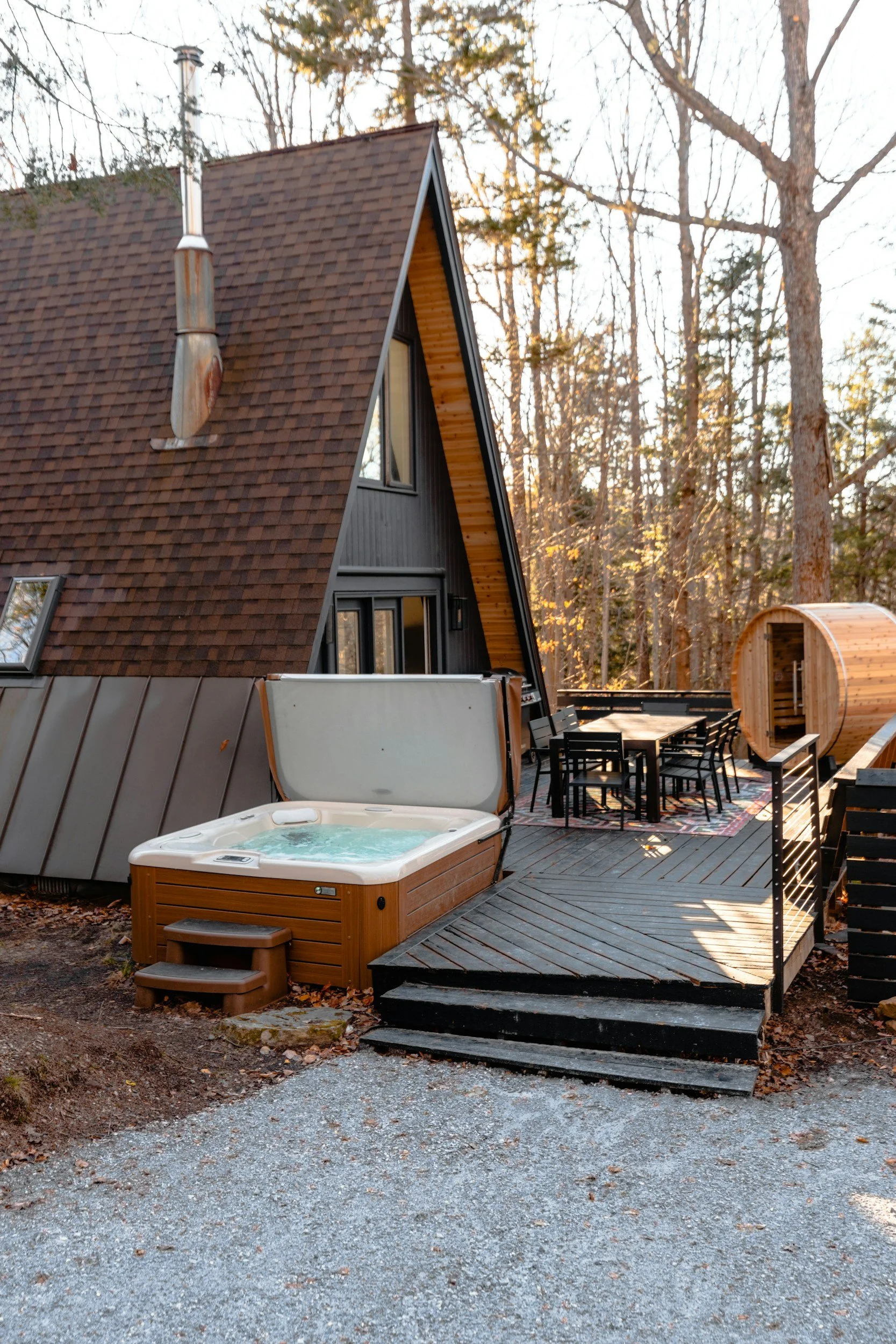
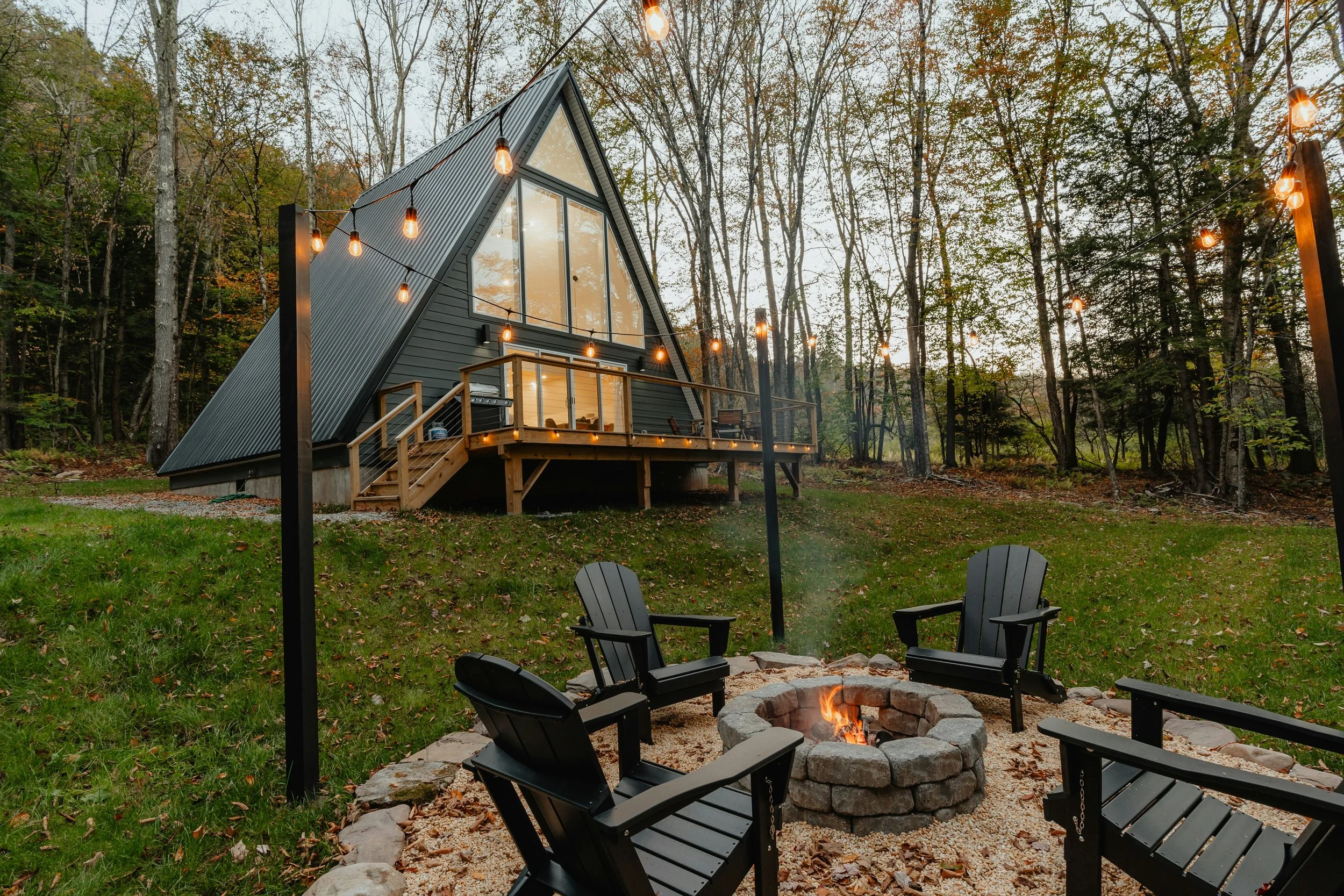
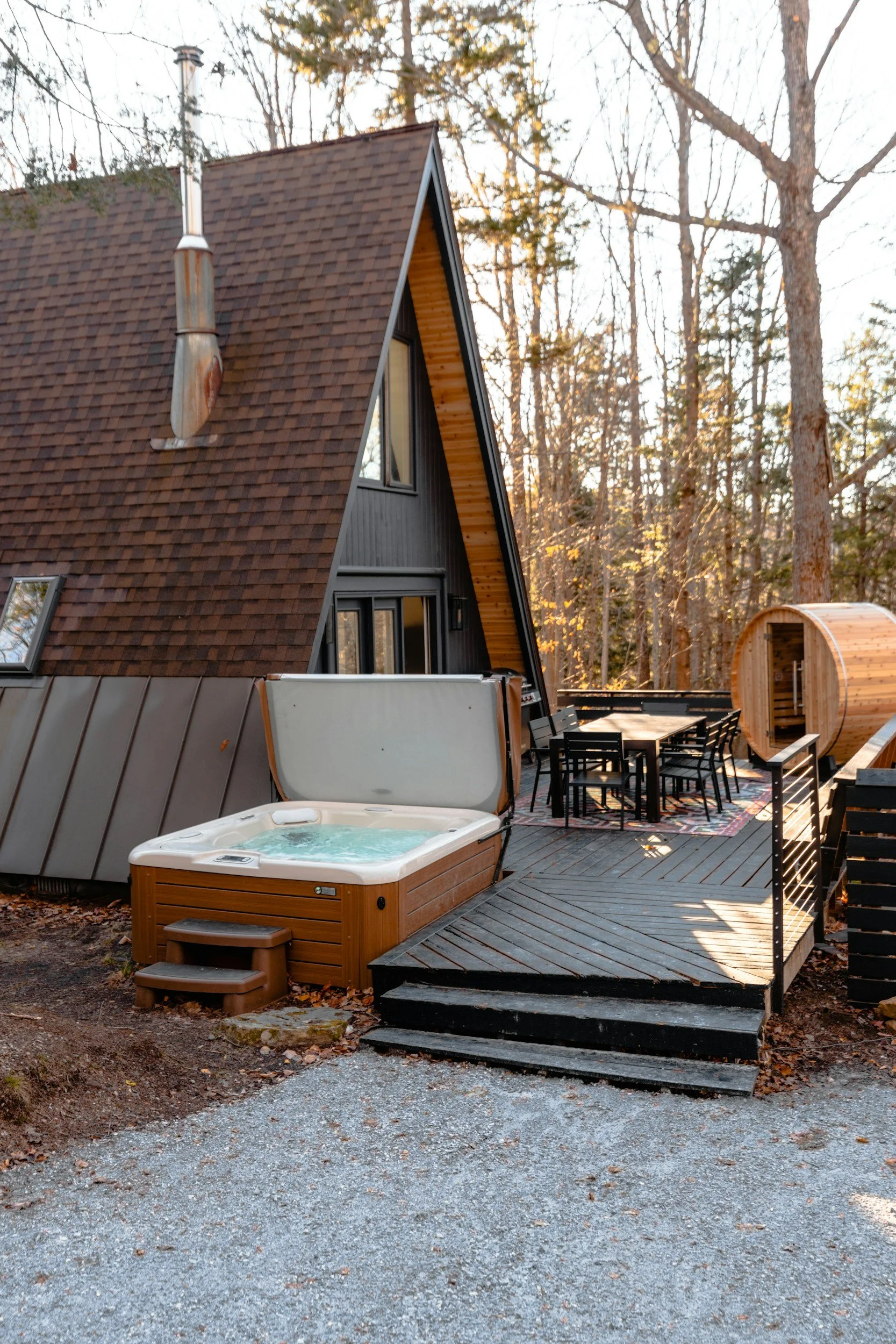
For properties with wood-burning fireplaces, outdoor fire pits, or hot tubs, additional safety disclosures and guidelines are appropriate. Review what Airbnb's own safety guidelines recommend for these amenities and ensure your property meets or exceeds those standards.
How are STR regulations in Asheville enforced in 2026?
Enforcement of STR regulations in Asheville has intensified over the past several years, and hosts operating without proper permits or outside their permitted parameters should be aware that the risk of enforcement action has increased meaningfully.
Common enforcement triggers include neighbor complaints, listing visibility on platforms like Airbnb and VRBO (which make it straightforward for code enforcement officers to identify operating STRs), and proactive compliance sweeps in certain neighborhoods. The consequences for operating an unpermitted STR in Asheville can include fines, required cessation of operations, and difficulty obtaining future permits.
For hosts who are already operating, the practical guidance is to verify your current compliance status proactively rather than waiting for an enforcement action. If you're not sure whether your property is properly permitted, contact the City of Asheville Planning and Development department directly. If you find that you're out of compliance, addressing it proactively is significantly better than having it addressed by enforcement.
What should I do before launching a new STR in Western NC?
The due diligence checklist for a new STR launch in WNC should include, at minimum: verification of the zoning designation and STR permissions for your specific parcel; application for and receipt of any required permits or licenses; verification of occupancy tax collection and remittance requirements for your jurisdiction; review and update of your property insurance to ensure STR coverage; installation and testing of all required life safety equipment; and a review of HOA rules if your property is in an HOA (many HOAs restrict or prohibit STR activity and this supersedes local zoning permissions).
This list isn't exhaustive — local regulations continue to evolve, and what applies to one property in WNC may not apply to another. The consistent recommendation across all of this: verify with the relevant regulatory authorities directly, and do it before you invest in design, furnishings, or marketing. The cost of due diligence before launch is a fraction of the cost of correcting compliance problems after the fact.
Frequently Asked Questions
Do I need a permit to operate an Airbnb in Asheville, NC?
Yes — properties operating as short-term rentals within Asheville city limits are required to obtain a short-term rental permit. Requirements vary between hosted and non-hosted STRs and by zoning district. Contact the City of Asheville Planning and Development department for current requirements specific to your parcel.
Are short-term rentals legal in Buncombe County outside Asheville city limits?
STR regulations in Buncombe County outside Asheville city limits are a separate framework from city regulations and have been subject to active policy development. Verify current county requirements directly with the Buncombe County Planning Department before operating or purchasing for STR use.
Does Airbnb collect occupancy taxes in Asheville?
Airbnb collects and remits occupancy taxes on behalf of hosts in many jurisdictions, including many North Carolina locations. However, hosts are responsible for verifying that the correct taxes are being collected and remitted for their specific location. Check your Airbnb transaction statements and contact Airbnb's support if you have questions about tax collection for your property.
What happens if I operate an unpermitted STR in Asheville?
Consequences for operating an unpermitted STR in Asheville can include fines, required cessation of operations, and difficulty obtaining future permits. Enforcement has intensified in recent years and is triggered by neighbor complaints, listing visibility on booking platforms, and proactive code enforcement activity.
Does my homeowner's insurance cover my Airbnb?
Standard homeowner's insurance policies typically do not cover short-term rental activity. You should verify your coverage specifically with your insurance agent and ensure you have appropriate STR coverage — either through a homeowner's policy endorsement, a dedicated STR insurance policy, or a commercial policy. Operating without proper coverage is a significant financial risk.
Can an HOA prohibit short-term rentals in Western NC?
Yes — HOA rules can restrict or prohibit STR activity, and these restrictions apply regardless of local zoning permissions. If your property is in an HOA, review the governing documents carefully and verify whether STR use is permitted before investing in an STR operation.
Navigating STR regulations in Asheville or Western NC while also trying to design a property worth booking? At Sukkha Interior Design, Sarah Bronstein is both a licensed STR interior designer and a licensed real estate broker serving WNC. We help hosts build properties that are beautiful, compliant, and profitable. Let's connect.

If you’re weighing your options and want honest guidance without the sales pressure, I’m happy to help.
👉 Book a Connection Call Now
Thinking about buying or selling near Asheville NC?
READ MORE
Book a Call