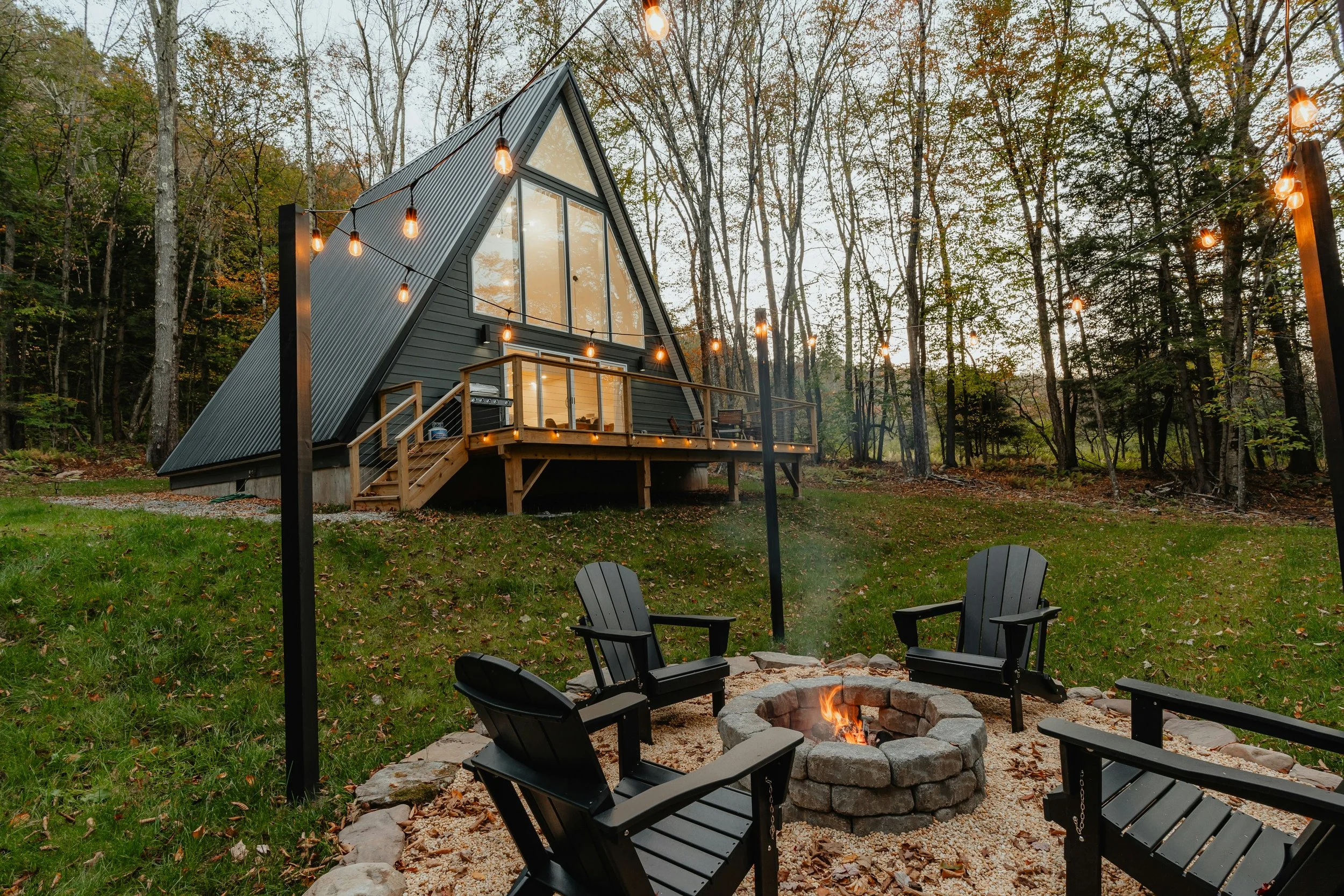
The short answer: Asheville's fall 2026 market is showing selective activity — well-priced, move-in-ready homes in desirable neighborhoods are still moving. Overpriced or deferred-maintenance properties are sitting. Interest rates and ongoing inventory constraints continue to shape buyer behavior. If you're serious about buying or selling before year's end, timing and pricing strategy matter more than ever.
What's actually happening in the Asheville real estate market right now?
Let's skip the vague "the market is shifting" language and talk about what's actually going on.
Western North Carolina's real estate market in fall 2026 is best described as bifurcated. On one side, you have well-positioned properties — priced correctly for current conditions, in good shape, in locations with consistent demand — that are selling within reasonable timeframes. On the other side, you have properties that were listed optimistically (or haven't been updated to reflect current buyer expectations) that are sitting, accumulating days on market, and quietly watching their price reduction notifications pile up.
This kind of market is harder to navigate than a straightforward hot market or a clear buyer's market. It requires more nuance from both buyers and sellers, and it rewards the people who are paying attention. Zillow's fall 2026 market research and Redfin's market trend data both point to similar bifurcated dynamics playing out across mountain and destination markets nationally — Asheville is part of a broader pattern, not an outlier.
A few factors driving the current dynamics:
Mortgage rates remain elevated compared to the historic lows of 2020–2021, which has significantly impacted affordability and reshaped the buyer pool. Move-up buyers who locked in low rates on their current homes are more hesitant to sell and take on a higher rate. This creates a supply constraint even as demand softens in certain segments.
Asheville's continued desirability as a destination market means there's a persistent floor of demand — from relocation buyers, STR investors, and second-home purchasers — that keeps the market from softening dramatically. Asheville is not seeing the kind of price corrections some other markets have experienced.
Post-Helene recovery dynamics continue to influence both sentiment and specific micro-markets within WNC. Some areas are experiencing renewed buyer interest as infrastructure comes back online; others are still navigating uncertainty around flood zones, access, and long-term viability.
The takeaway: this is not a market where you can price loosely, market lazily, and expect things to work out. But it's also not a doom-and-gloom market. It's a precision market — and those can actually be great for both buyers and sellers who are prepared.
What kinds of properties are moving quickly in Asheville this fall?
If you're a buyer trying to understand where competition is concentrated, or a seller trying to set realistic expectations, here's where the activity is:
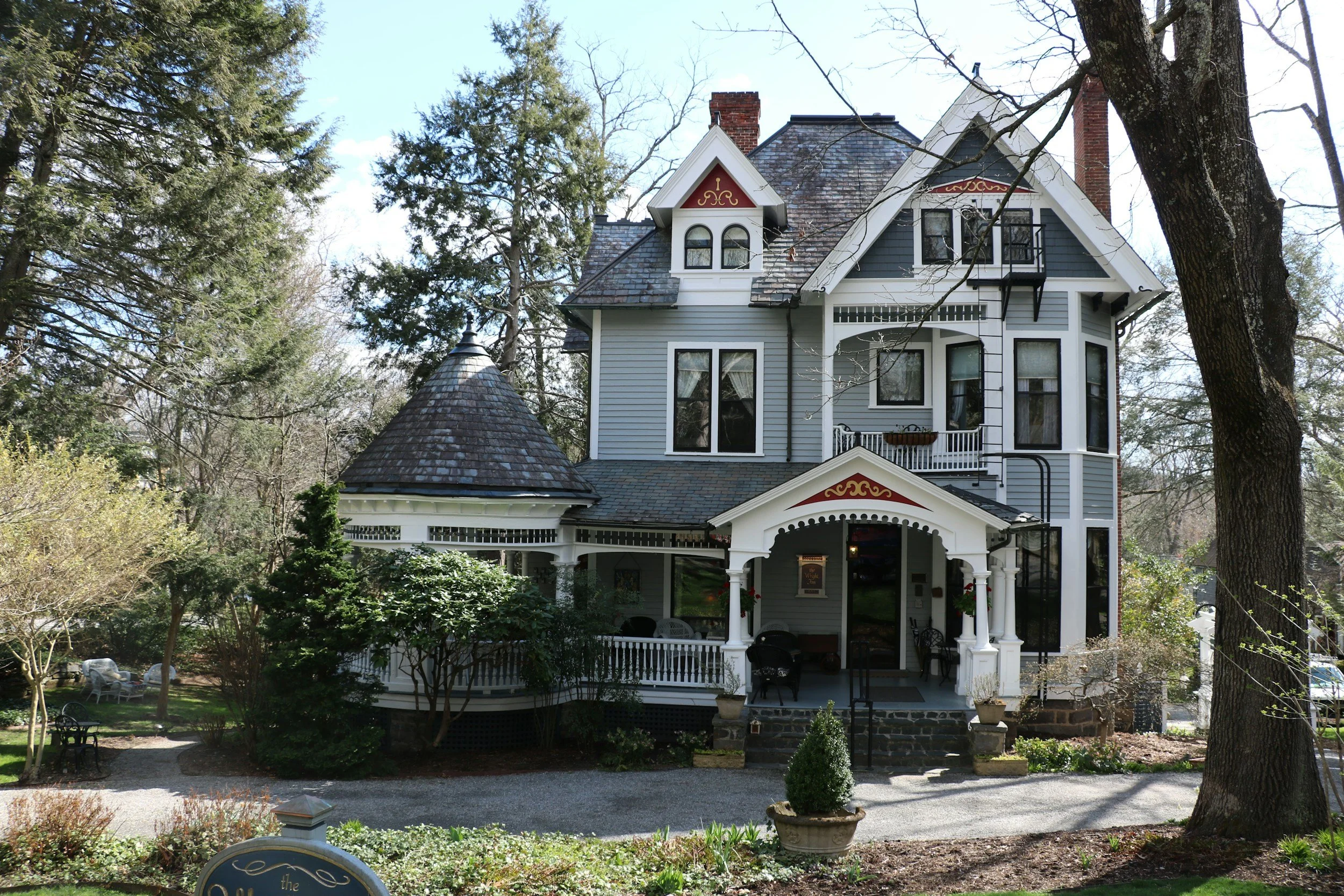
Single-family homes priced correctly in established neighborhoods — particularly Montford, West Asheville, North Asheville, and parts of South Asheville — continue to see solid demand. "Priced correctly" is doing a lot of work in that sentence. Overpricing by even 5% can push a property into the slow-moving category, where it picks up days on market like a lint roller picks up pet hair.
Move-in-ready properties. Buyers in the current market are less interested in taking on projects than they might have been when money was cheap and FOMO was at peak levels. They want to move in, not renovate. Properties that show well, have been updated, and don't require immediate significant investment are moving significantly faster than fixer-uppers.
Properties with strong STR potential in STR-permitted areas continue to attract investor buyers. The calculus on STR investment has shifted with higher rates — buyers are more careful about the numbers — but well-performing properties with documented rental history and good design are still compelling acquisitions. For anyone considering an STR purchase, understanding how design quality affects long-term STR revenue is part of evaluating whether a property's performance is structural or improvable.
Smaller, more attainable price points are seeing relatively more activity than the luxury segment, where buyers have more options and less urgency. If you're selling in the $400K–$650K range in a desirable location, you're in the most competitive price band right now.

What's sitting on the market right now?
Just as useful to understand: what's not moving, and why.
Overpriced properties. Full stop. Sellers who priced based on 2021–2022 comps, or who added an "Asheville premium" on top of an already-optimistic number, are seeing their listings age. Buyers in this market are informed, patient, and have access to the same data your agent does. They know when something is priced wrong, and they will wait you out.
Properties with deferred maintenance or significant needed updates. When money was cheap and inventory was scarce, buyers were more willing to overlook issues and factor in future updates. Now, they're doing math upfront. If a property needs a new roof, new HVAC, and a kitchen update, buyers are going to factor all of that into their offer — conservatively — and they're going to negotiate hard on inspection findings.
Rural properties without easy access to services. Remote WNC properties that were extremely desirable during the pandemic "escape from the city" era are seeing softer demand as buyers recalibrate their priorities around commutes, amenities, and post-Helene infrastructure concerns. The "off-grid dream" has fewer takers than it did in 2021.
Listings with weak photography and presentation. This one is often overlooked, but in a market where buyers have more options and are being more selective, first impressions online matter more than ever. A listing with dark, cluttered, or poorly composed photos is starting the relationship at a disadvantage — even if the property itself is solid. Redfin's data on listing photo impact shows that professional photography consistently correlates with faster sales and higher final sale prices across market conditions.
Should you buy, sell, or wait this fall in Asheville?
The honest answer depends on your specific situation — which is always true, but especially true in a nuanced market like this one.
For sellers: If you need to sell, fall 2026 is still a workable window. Year-end buyers tend to be motivated — they're not browsing casually; they have a reason to move. But you need to be priced right out of the gate, and your property needs to be in competitive condition. Price reductions after extended days on market are significantly less effective than correct pricing from day one. Work with a local agent who actually knows the current comps, not someone recycling last year's numbers.
For buyers: Fall 2026 offers more breathing room than the frenzied market of a few years ago. You have time to evaluate, negotiate, and get inspections taken seriously. Sellers are more willing to negotiate on price, concessions, and repairs than they were at peak market. The trade-off is that rates are still elevated — but remember that you can refinance when rates drop; you can't renegotiate the price you paid if you overpaid in a competitive market. Lock in a good price now, refinance later if and when rates improve.
For investors specifically: The math matters more than ever. Run the numbers carefully — and then run them again. Factor in current financing costs (don't model on rates you hope to get), realistic occupancy rates (not the best-case scenario from peak STR years), total operating costs including insurance, management, and maintenance, and a reasonable cap rate for your market. The STR market in Asheville has matured significantly. The easy money has gotten harder. But well-designed, well-located properties with genuine guest appeal are still generating strong returns for owners who went in with clear eyes.
What should you be watching as we head into 2027?
A few things worth keeping an eye on as you think about your WNC real estate strategy heading into the new year:
Interest rate movement. Any meaningful downward shift in rates tends to unlock pent-up buyer demand relatively quickly. Buyers who have been sitting on the sidelines — and there are a lot of them in Asheville — will re-enter the market with more purchasing power and more urgency. If rates soften, expect a corresponding uptick in competition for well-positioned properties. Bankrate's mortgage rate tracker is the most straightforward way to monitor rate movement without having to interpret financial news.
Inventory levels. Asheville's housing inventory remains constrained relative to historical norms. The area isn't building fast enough to keep up with long-term demand. If new construction accelerates or more sellers decide to list, that could shift the balance; but absent a major change in supply, the underlying demand story for Asheville real estate remains intact.
STR regulation trends. Asheville and surrounding municipalities have been actively revisiting short-term rental regulations, permitted zones, and licensing requirements. Any tightening of the rules affects both the value of STR-permitted properties and the depth of the investor buyer pool. If you own an STR property or are considering purchasing one, staying current on local ordinances is not optional — it's part of owning the asset. AirDNA's regulatory tracking data is a useful resource for monitoring how STR regulations are evolving across WNC municipalities.
Continued post-Helene recovery. The trajectory of recovery in affected areas — both in terms of infrastructure and community sentiment — will continue to shape specific micro-markets in WNC well into 2027. Some areas will see accelerated appreciation as they rebuild stronger; others may face longer-term headwinds. Local knowledge matters more than ever right now. If you're navigating a real estate decision in WNC and want a perspective from someone working in this market every day, let's talk.
FAQ

Is it a good time to buy a home in Asheville right now?
It depends on your situation and timeline. The market is less competitive than it was two to three years ago, which gives buyers more negotiating room and time to make thoughtful decisions. Elevated interest rates affect affordability, but if you're planning to hold long-term, buying in a less competitive environment with room to negotiate is often a better outcome than overpaying in a frenzy.
Are home prices dropping in Asheville?
Not dramatically. Asheville's desirability as a destination market and its persistent supply constraints provide a floor for prices. What's happening is that overpriced listings are being corrected — either through price reductions or by sitting until sellers adjust to reality. Well-priced homes in good condition continue to hold their value.
Is Asheville a good market for STR investment right now?
Asheville remains a strong STR destination, but it's a more mature market than it was three to five years ago. Investors need to underwrite deals carefully based on current financing costs and realistic occupancy. Well-designed, well-located properties with documented performance history are still compelling investments — but the margin for error is smaller.
How has Hurricane Helene affected Asheville real estate?
The impact has been uneven by location and property type. Some areas saw short-term softening in demand followed by recovery; others continue to navigate infrastructure, insurance, and sentiment challenges. Working with a local agent who knows the specific micro-market nuances is particularly important right now — broad market generalizations don't tell the full story.
What neighborhoods in Asheville are most in demand right now?
West Asheville, Montford, North Asheville, and parts of South Asheville continue to see consistent buyer demand. Walkability, proximity to amenities, and access to downtown are all factors that continue to drive interest regardless of broader market conditions.
When is the best time to list a home in Asheville?
Spring traditionally sees the highest volume of buyer activity, but fall motivated buyers are serious — they're not browsing for fun. If you're considering listing, the preparation work you do now (pricing strategy, property condition, professional photography) sets up your spring listing for success if you decide to wait, or positions you well for a focused fall listing if your timeline calls for it.
Thinking about buying, selling, or investing in WNC real estate? At Sukkha Interior Design, we work alongside real estate clients to ensure their properties are positioned — and designed — to perform at their best. Let's start a conversation.

If you’re weighing your options and want honest guidance without the sales pressure, I’m happy to help.
👉 Book a Connection Call Now
Thinking about buying or selling near Asheville NC?
READ MORE





Book a Call