From Forgettable to Fully Booked: Inside a Sukkha STR Transformation
The short answer: A professional STR redesign addresses five interconnected elements that DIY design often misses: layout optimization for guest flow, a cohesive and photography-ready design aesthetic, durable and appropriately scaled furniture, intentional lighting, and the styling details that create the emotional connection that drives five-star reviews. When all five work together, the result is a listing that looks materially better, books faster, commands higher rates, and earns reviews that mention the design by name.
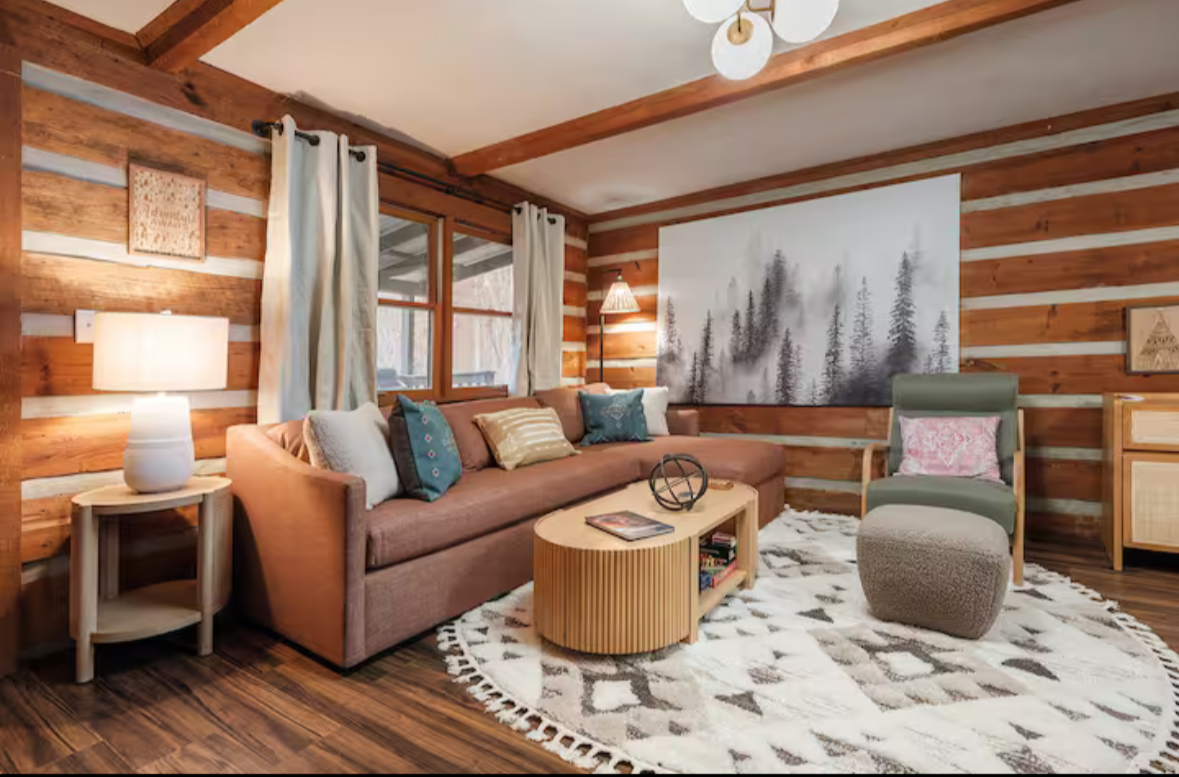
What does a short-term rental redesign actually involve?
Most people's mental picture of an interior design project involves a lot of shopping, a lot of decisions about throw pillows, and a bill that's larger than expected. The reality of a well-executed STR redesign is different — and the impact is measurable in ways that most home design projects aren't.
When we take on an STR redesign at Sukkha, we're not decorating a space. We're engineering a guest experience — and then making it beautiful. Those are two different objectives, and doing them simultaneously requires a different approach than either one alone.
Here's what that looks like in practice, from the first site visit to the day the new listing photos go live. And if you want to understand the underlying philosophy before diving into the process, the case for why design investment pays off in STR revenue lays out the math in clear terms.
What is the first thing you address in an STR redesign?
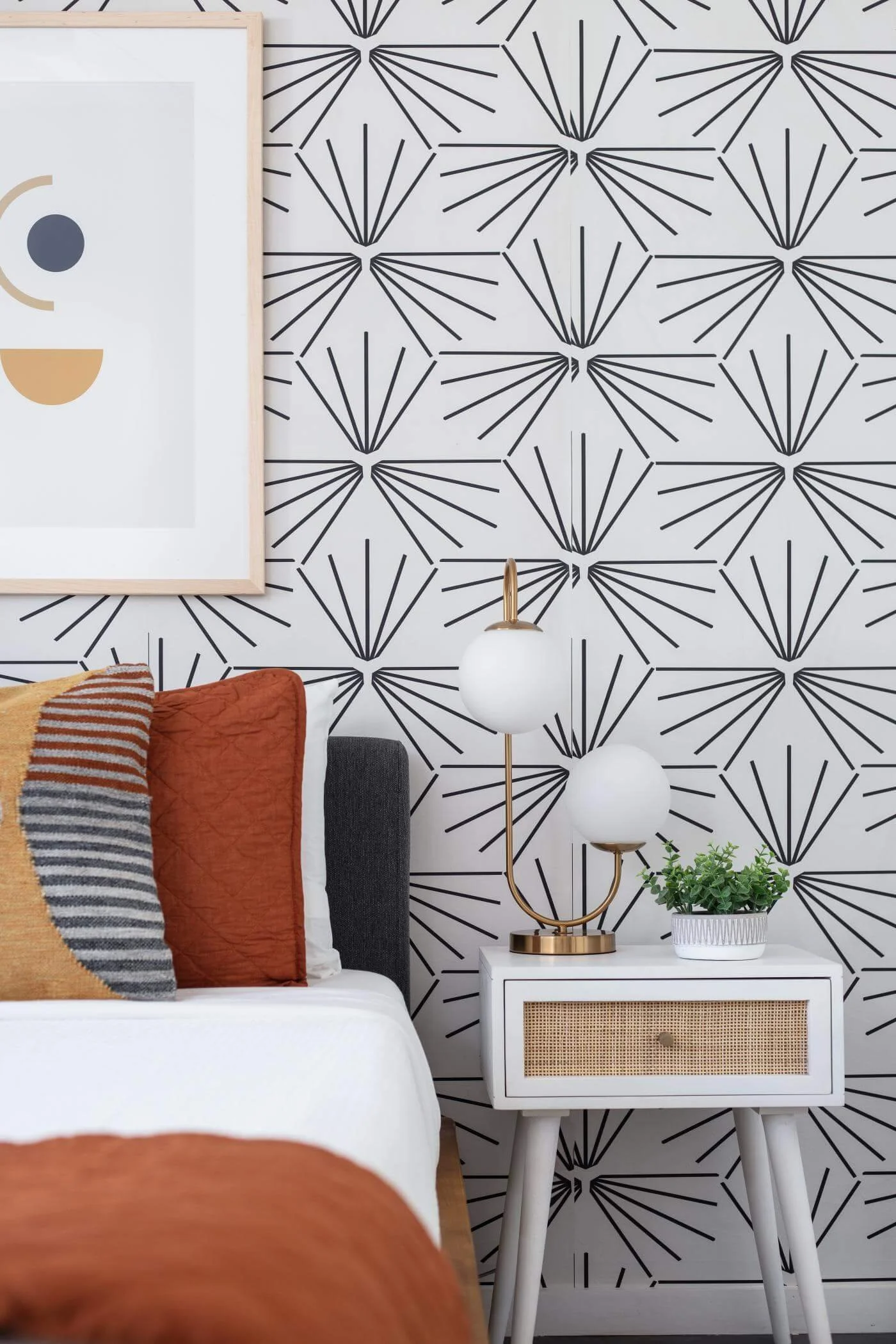
Before we make a single purchasing decision, we address the layout.
Layout is the foundation of everything that follows — and it's where the most consequential decisions are made. A beautiful room with the wrong layout is a room that fights its occupants. A simple room with the right layout is a room that feels effortless to live in.
For an STR, the layout evaluation centers on three things: guest flow (how people naturally move through the space from entry to bedroom to bathroom to kitchen and back), furniture scale (whether the pieces in the space are appropriately sized for the room and for each other), and sightlines (what you see when you walk in the door, and whether that first impression sets the right tone for the rest of the space).
In most STR redesigns we take on, the existing layout has at least one significant problem — usually a furniture arrangement that was chosen for convenience rather than flow, or pieces that are too large or too small for the space they're in. Fixing the layout before adding a single new element is the highest-leverage move in any redesign, and it costs nothing beyond time and intention. Houzz's research on professional interior design projects confirms that layout planning is consistently the phase where professional designers add the most value over DIY approaches.
How do you develop a design aesthetic for a short-term rental?
After layout, the second thing we establish is the design direction — the overarching aesthetic that will guide every purchasing decision that follows.
For STR projects, this isn't just an aesthetic preference. It's a positioning decision. The design direction determines which guests will be drawn to the listing, what nightly rate the property can support, and what the listing photos need to communicate to convert browsers into bookers.
We develop the design direction by looking at three things: the physical character of the property (its architecture, its materials, its setting), the competitive landscape in the market (what other properties are doing and where the visual gaps are), and the profile of the ideal guest (who we're designing for and what that person responds to aesthetically).
For most WNC mountain properties, the design direction lands somewhere in the territory of warm, organic, and intentional — natural materials, warm tones, regional references, a sense of quality without pretension. But it's always specific to the property rather than generic, and that specificity is what makes it distinctive rather than interchangeable. AirDNA's data on what drives STR revenue in mountain markets consistently points to design distinctiveness as one of the primary factors separating top-performing listings from the field.
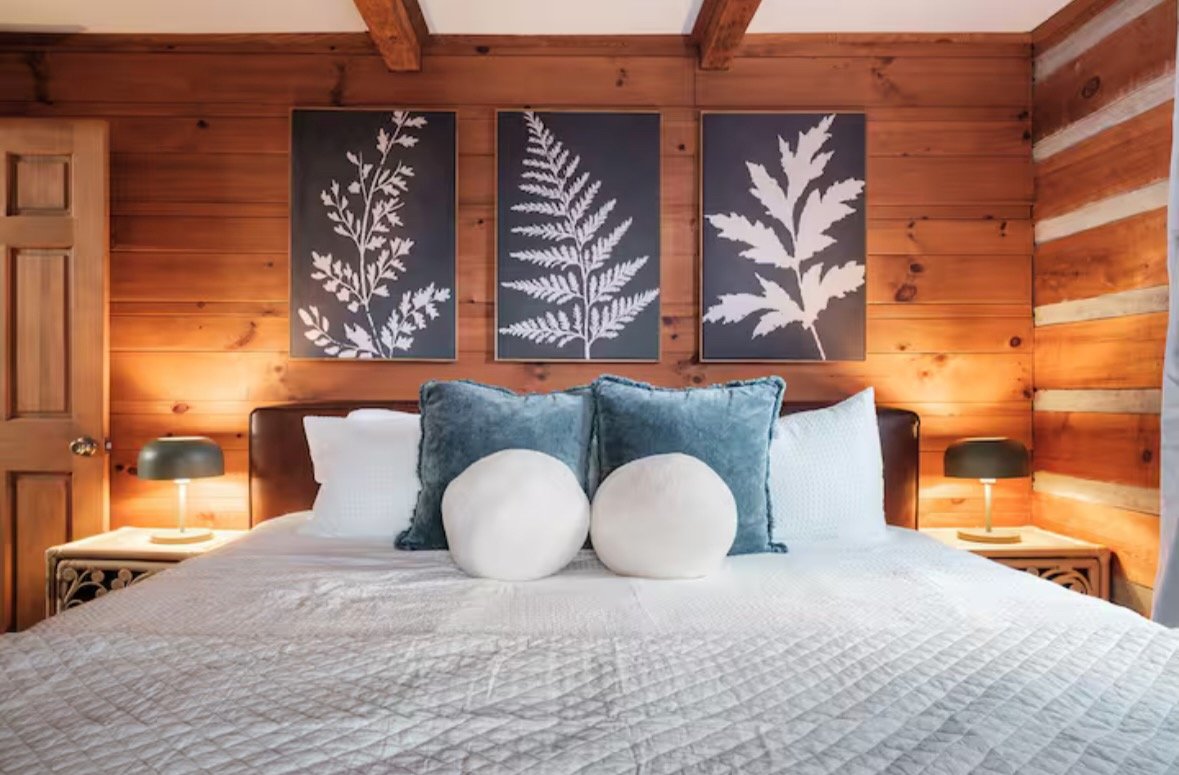
What furniture decisions make the biggest difference in an STR redesign?
Furniture selection for an STR is different from furniture selection for a primary residence in two important ways: durability requirements are significantly higher, and every piece needs to photograph well from every angle.
The durability issue is underestimated by almost every first-time STR owner. Vacation rental furniture is used by strangers, not always carefully, at a volume that no primary residence experiences. The sofa that looks perfect in a showroom and lasts ten years in someone's home may last two years in an STR before it starts showing visible wear. We select furniture with STR-specific durability in mind — performance fabrics, solid hardwood construction, hardware that won't loosen under repeated use. Furnishr's guide to STR furniture selection is one of the more practical resources on this topic, covering the material and construction specs worth requiring before you buy.
The photography issue is equally important and equally underestimated. In a listing context, furniture needs to look good from the angles a guest will see in photos — usually from corners, shooting across the room, with wide-angle lenses that can distort scale and proportion. Pieces that look fine in person sometimes read as awkward or cheap in listing photos. We style and arrange every room with the camera in mind, not just the in-person experience.
The furniture decisions that consistently make the biggest difference in an STR redesign: replacing an oversized sofa with one that's properly scaled for the room, adding a real area rug that anchors the seating area, and addressing bedroom furniture with quality bedding and a proper headboard.
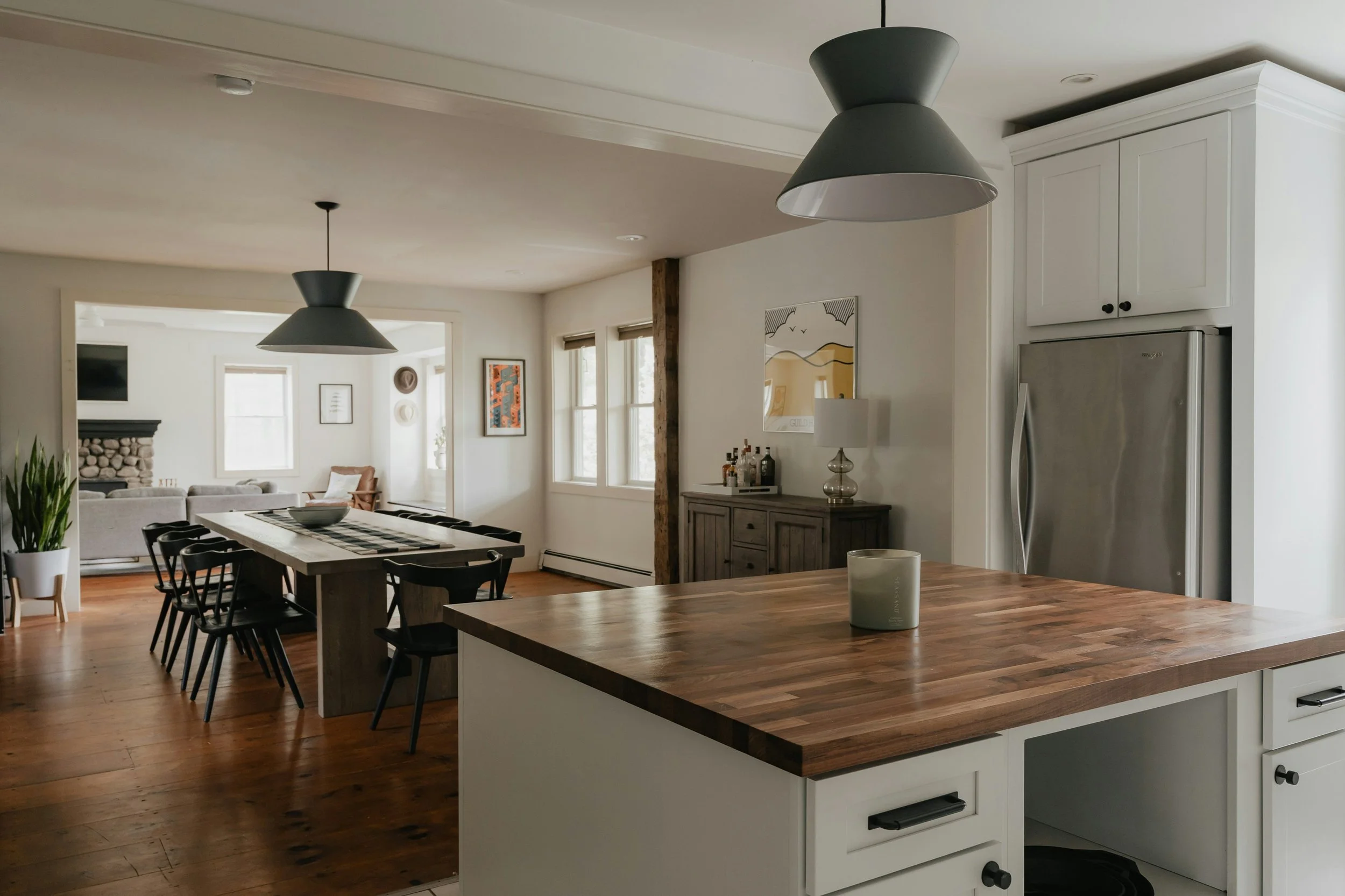
What role does lighting play in an STR redesign?
Lighting is the element that most dramatically separates a professionally designed STR from a DIY one — and the one most often addressed last or not at all.
The typical STR lighting situation: a single overhead ceiling fixture, probably a flush-mount with a cool-temperature bulb, that provides adequate illumination and zero atmosphere. When you turn it on, the room looks like an office. When you turn it off, the room is dark. Neither is what you want for a guest experience.
In every STR redesign, we address lighting at every level: the overhead ambient lighting (replacing cool bulbs with warm ones, adding dimmers where possible), the task lighting (bedside reading lamps, under-cabinet kitchen lighting), and the accent lighting (table lamps, floor lamps, string lights where appropriate) that creates the layered, warm atmosphere that makes a space feel genuinely inviting. Hostfully's STR photography and staging guides specifically call out layered warm lighting as one of the top factors that separates high-converting listing photos from flat, forgettable ones.
The lighting transformation in a redesign is often the change that makes the most dramatic difference in listing photos. Rooms lit with warm, layered light sources simply photograph better — they look warmer, more welcoming, and more like somewhere a guest would actually want to be — than rooms lit with a single overhead fixture.
What are the final styling details that make an STR listing photograph well?
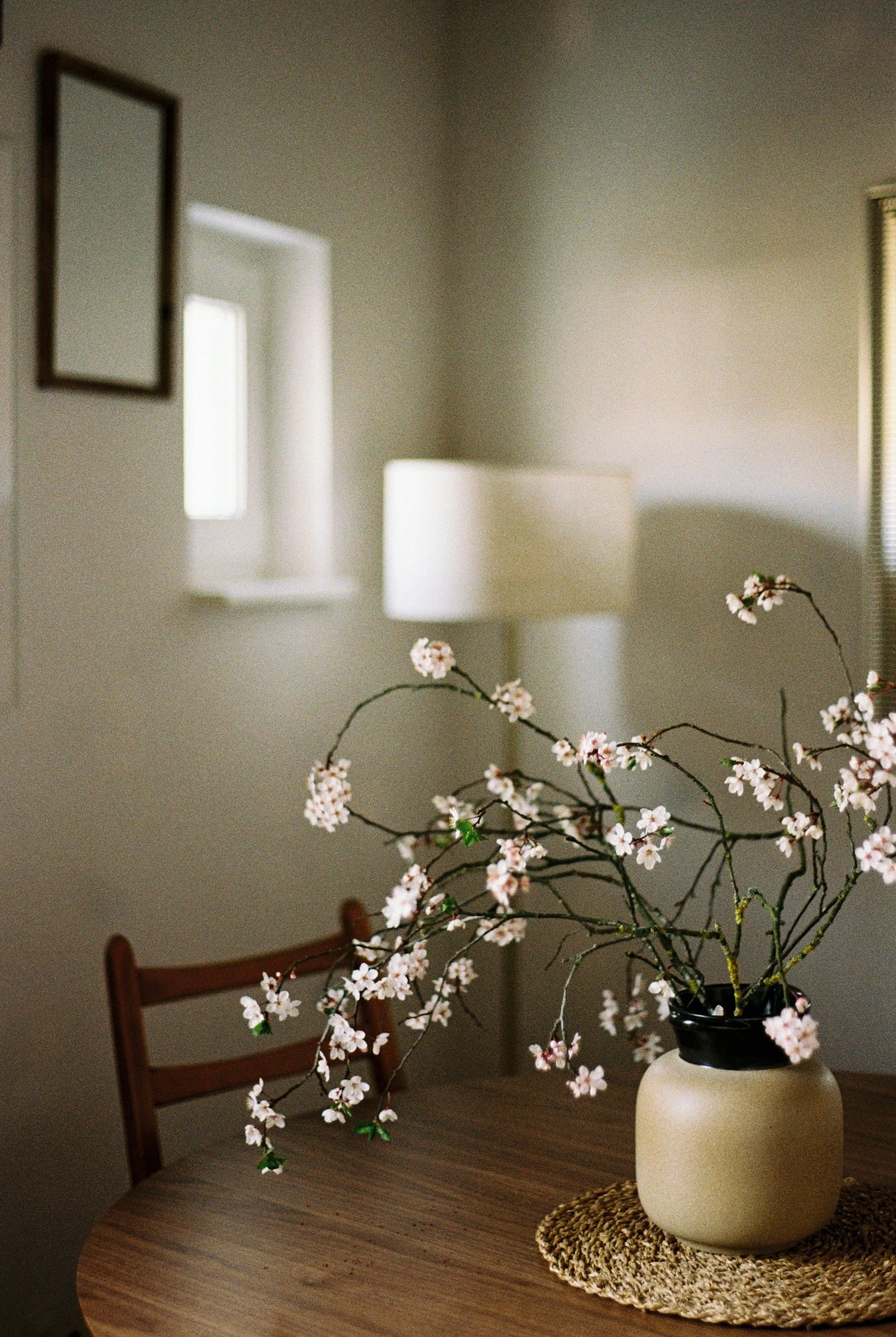
After the layout, the design direction, the furniture, and the lighting are addressed, the final step is styling — the curation of objects, art, textiles, and finishing details that give the space its personality and make it photograph beautifully.
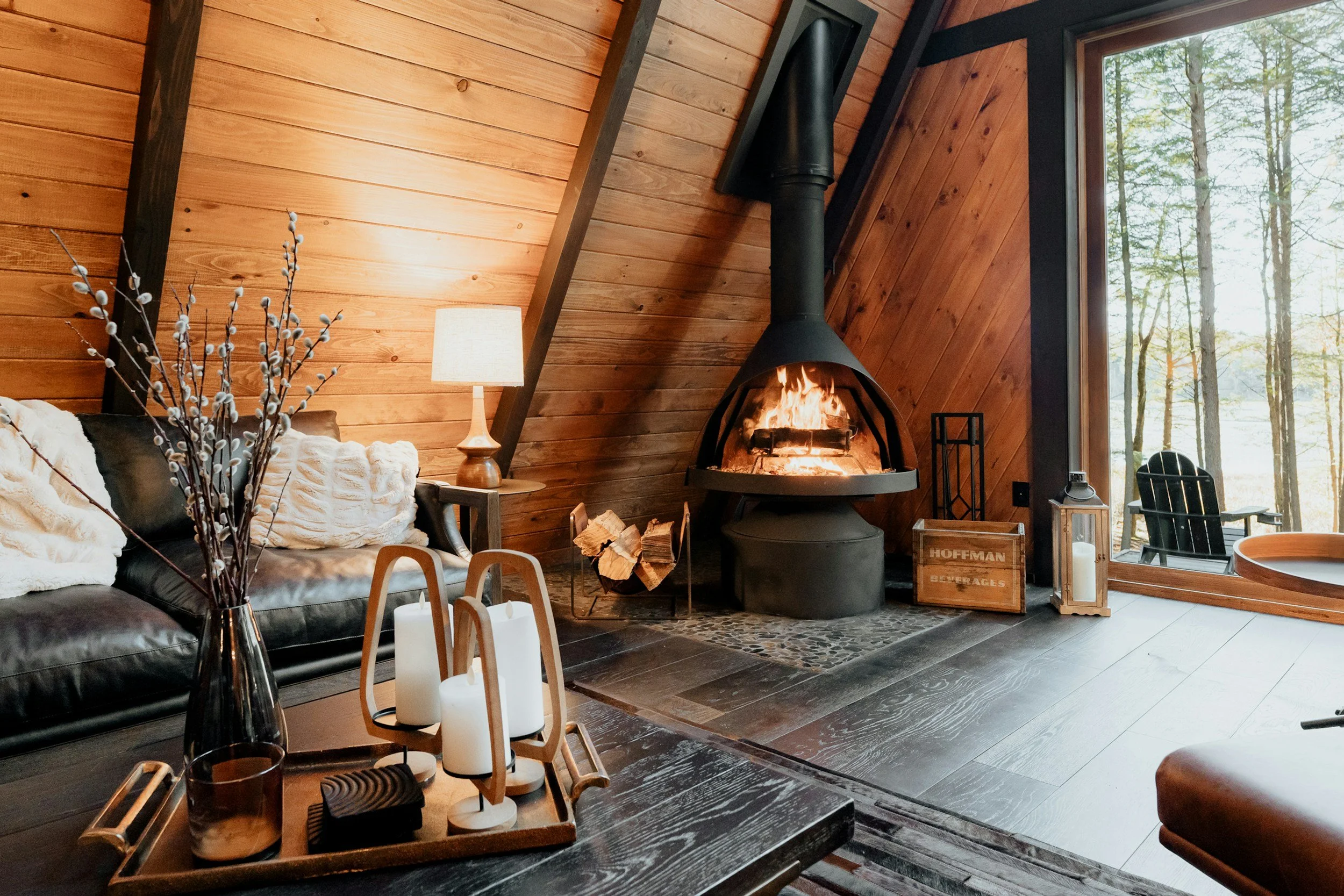
Good STR styling creates what we call "moments" — details that the eye is drawn to in a listing photo, that make a guest stop scrolling and look more closely. The tray on the coffee table with the candle, the local field guide, and the handmade ceramic mug. The window seat with the linen cushion and the stack of books. The bathroom counter with the matching glass bottles and the small vase of dried botanicals.
None of these moments are expensive to create. But each of them requires intention — the conscious decision to make this corner, this surface, this detail worth noticing. And the cumulative effect of several such moments throughout a property is a listing that feels designed, curated, and worth paying more to stay in. This is also what five-star reviews are really made of — guests don't write "the lighting was layered and warm." They write "this place felt like somewhere I actually wanted to be." The styling is what delivers that feeling.
What results should you expect from a professional STR redesign?
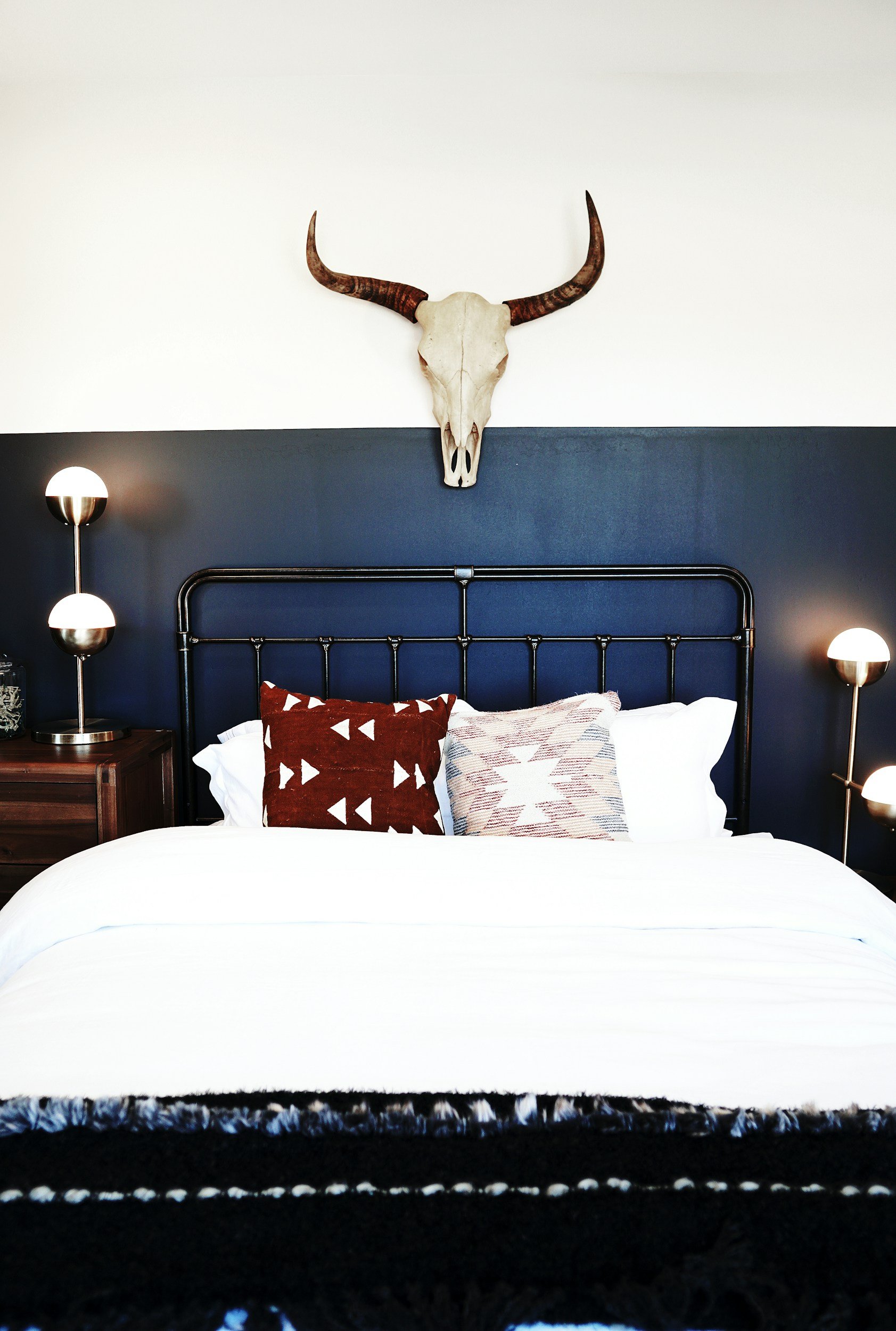
The results of a well-executed STR redesign are measurable in specific, financial terms — and we think it's worth being direct about what they typically look like.
In competitive STR markets, a professionally designed property typically commands a nightly rate 15 to 30 percent higher than a comparable but non-designed property. A property that was booking at 65 to 70 percent occupancy before a redesign often reaches 80 to 90 percent occupancy after — because better photos convert more browsers into bookers. And the review quality shifts in a specific way: guests who would have left a 4-star review because the space felt "a bit dated" or "not as nice as the photos" leave 5-star reviews that specifically mention the design.
These aren't hypothetical outcomes. They're the pattern we see consistently across STR redesign projects in the WNC market and beyond. Beyond Pricing's analysis of how listing quality affects booking conversion provides market-level data that corroborates what we see project by project — design quality is a direct revenue variable, not a soft aesthetic preference.
Frequently Asked Questions
How long does an STR redesign take from start to finish?
A full STR redesign typically takes eight to sixteen weeks from initial consultation to final listing photos, depending on the scope of the project and lead times on furniture and materials. E-design projects (where you handle the purchasing and installation yourself) can be completed in two to four weeks for the design deliverables, with implementation timeline depending on your schedule and supplier lead times.
How much does a professional STR redesign cost?
The total investment in an STR redesign varies based on the size of the property, the scope of the work, and how much existing furniture is being kept. Most STR redesign projects — including design fees and furniture and decor — fall in the range of $8,000 to $25,000 for a complete transformation. E-design services specifically typically run $500 to $2,500 for the design plan.
Is an STR redesign worth the investment?
In competitive STR markets, yes — consistently. The combination of higher nightly rates, better occupancy, and stronger reviews creates a return on the design investment that typically pays back within one to two booking seasons and continues generating returns indefinitely. The math is most compelling in markets where design quality is a significant differentiator, which describes most of the WNC mountain market.
Can you redesign an STR remotely?
Yes — Sukkha Interior Design offers e-design services for STR hosts nationwide. Remote projects are entirely feasible with good measurements, clear photos, and a host who's willing to handle the purchasing and installation side. Many of our best STR projects have been completed fully remotely.
What is the difference between an STR redesign and regular interior design?
STR design specifically optimizes for durability, photography performance, guest experience, and revenue generation — considerations that don't apply in the same way to a primary residence. An STR designer makes furniture choices based partly on how they'll hold up under rental conditions and how they'll photograph for listing images, not just how they look and feel in person.
Do I need to be present for an STR redesign?
For full-service projects, some in-person involvement may be helpful for the initial site assessment and final walk-through, but much of the work happens remotely and we can work out facetime/zoom calls in lieu of in-person if needed. For design design projects, the entire process can be completed without you being present at the property — we work from measurements, floor plans and photos.
Ready to find out what a professional redesign could do for your STR's bookings and revenue? At Sukkha Interior Design, we design short-term rentals that perform — in photos, in guest experience, and in revenue.Book a consultationand let's talk about what your property could become.

If you are looking to transform your space, interested in Asheville real estate, or just want to say hi, I'd love to connect!
Not quite ready for a full on design project? Take a step towards transformation with the 30 Minute Home Refresh Guide.
READ MORE
Let’s Connect