Cozy Season Design: How to Make Your STR Irresistible in Fall and Winter
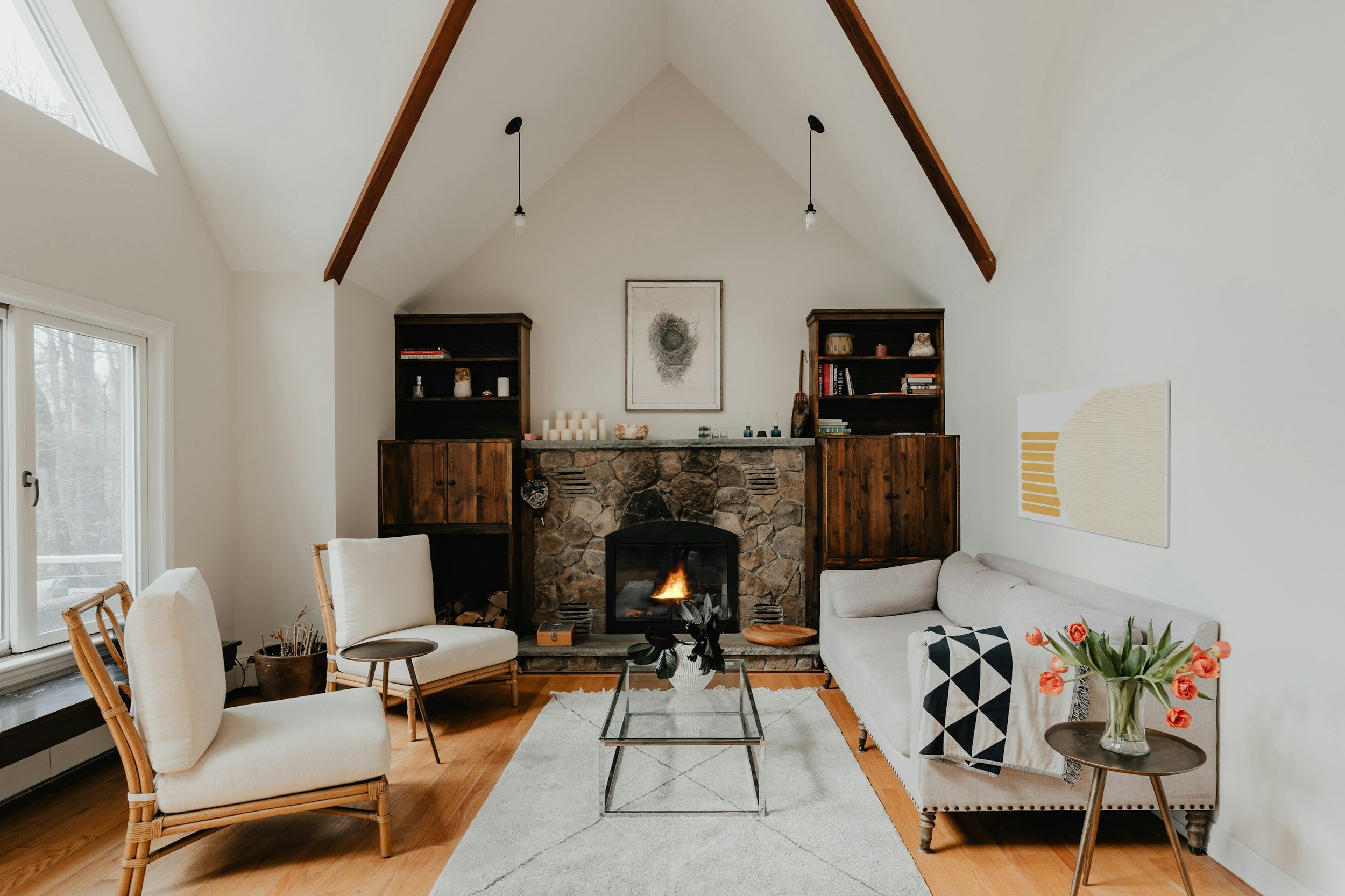
The short answer: The STRs that dominate fall and winter bookings aren't the ones with the lowest prices — they're the ones that look and feel the most undeniably cozy. That means layered textiles, warm lighting, a fire feature, intentional color, and small details that signal comfort before the guest ever checks in. Done right, cozy design isn't just atmosphere — it's a pricing strategy.
Why fall and winter are the highest-stakes booking seasons for STRs
There's a particular kind of guest who books in fall and winter, and they are not the same guest who booked your property in July. Summer guests are often booking around an activity — a hike, a lake, a festival, a family reunion. Fall and winter guests are frequently booking around a feeling. They want to be warm somewhere beautiful. They want a fire and a good blanket and a view of something that isn't their apartment. They want, in a word, cozy.
This distinction matters because it tells you exactly what your listing needs to communicate to convert those guests. The photos need to show warmth. The description needs to evoke the sensation of being inside while it's cold outside. The amenities need to deliver on the promise of comfort. And the design of the space — the actual physical environment — needs to be doing all of that when guests arrive.
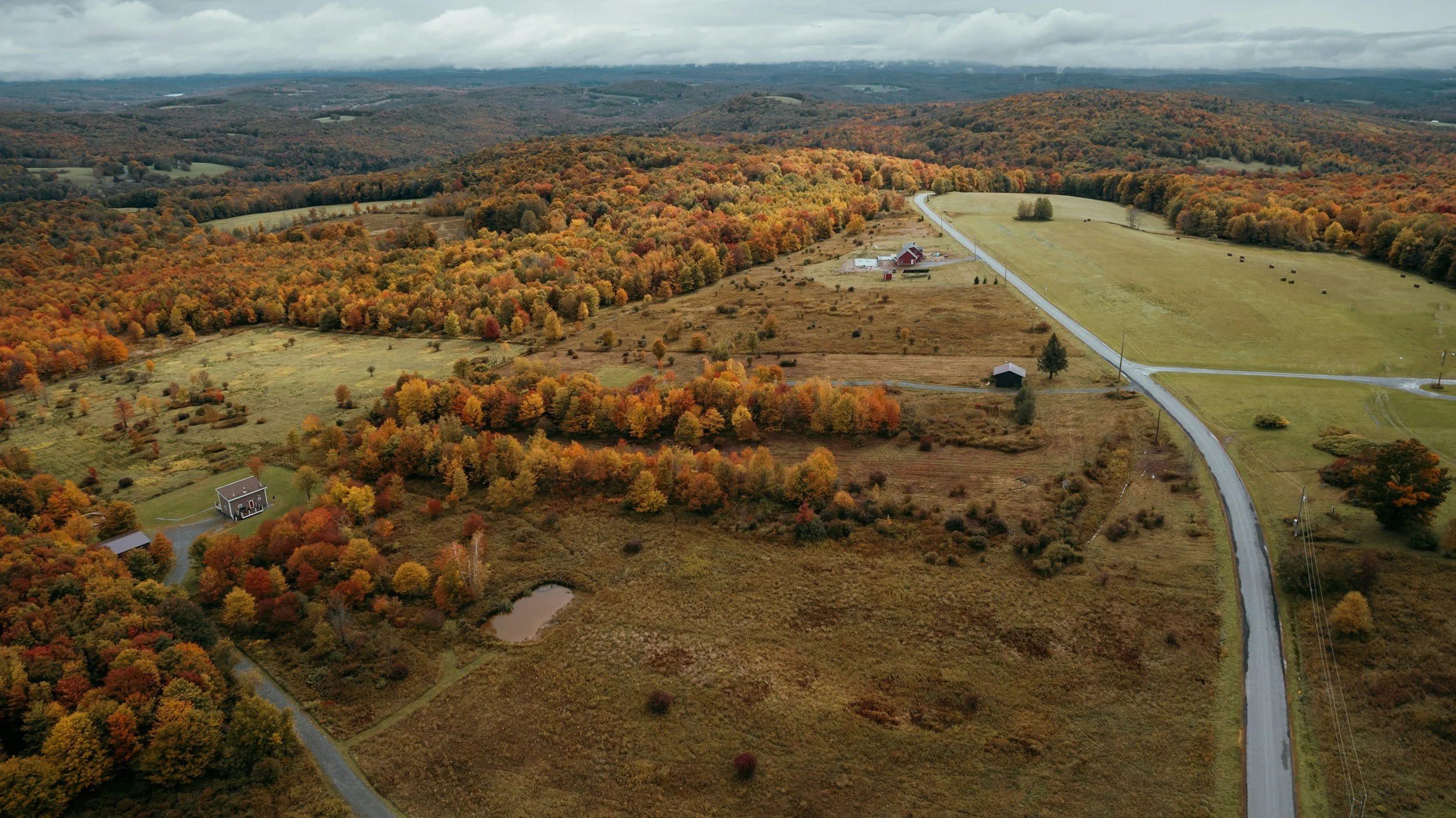
AirDNA's seasonal booking data shows that mountain and nature-adjacent STRs frequently see their strongest demand periods in fall — particularly October and November in markets like Western NC, where leaf season is a genuine booking driver — and again in December through February for the cold-weather cozy crowd. These aren't the guests you need to discount for. These are the guests who will pay a premium if you give them a reason to.
The hosts who capture that premium aren't necessarily the ones with the most expensive properties. They're the ones whose listings feel the most like what guests are actually searching for. Here's how to be one of them.
What makes an STR feel genuinely cozy — not just decorated for fall?
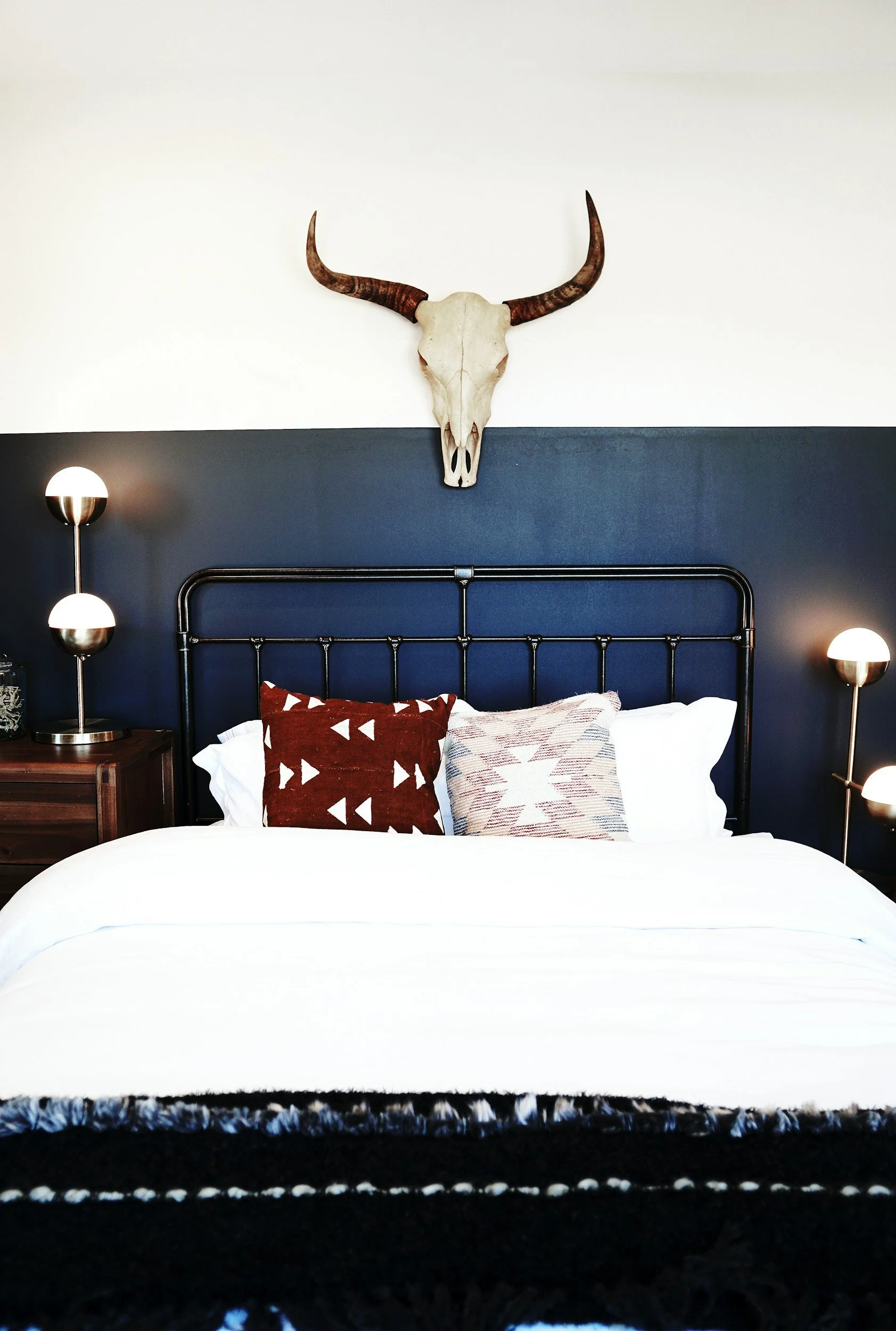
This is where most hosts get it wrong. They add a throw blanket to the couch, swap in some orange pillows, put a small pumpkin on the porch, and call it cozy season. The result looks like a prop department's idea of autumn rather than an actual warm, inviting space.
Genuine cozy isn't seasonal decoration. It's a design condition — a combination of warmth, texture, softness, and light that makes a space feel like somewhere you want to stay in rather than move through. The good news is that the elements that create it are not expensive or complicated. The better news is that most of them are year-round improvements, not seasonal swaps.
Warmth comes from color temperature, not color itself. The single most effective shift you can make for cozy season is moving your lighting toward warmer color temperatures — 2700K or lower on any bulbs you control. Cooler, bluer light (4000K and above) reads as crisp and energizing. Warmer, amber light reads as intimate and settled. In a space that's trying to feel cozy, cool light is actively working against you. The Spruce's guide to choosing light bulb color temperature breaks down exactly what to look for if you want to make this switch without guessing.
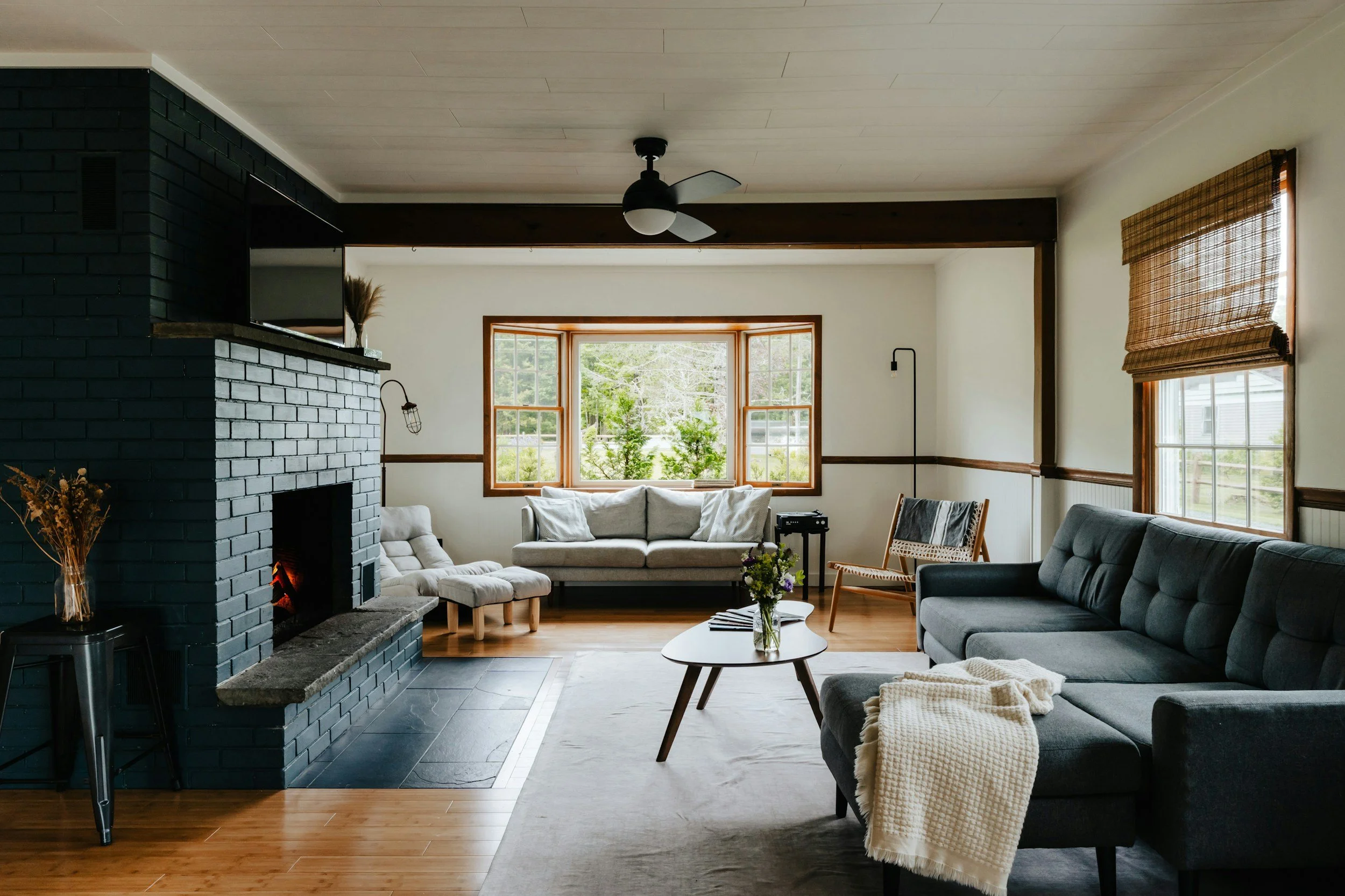
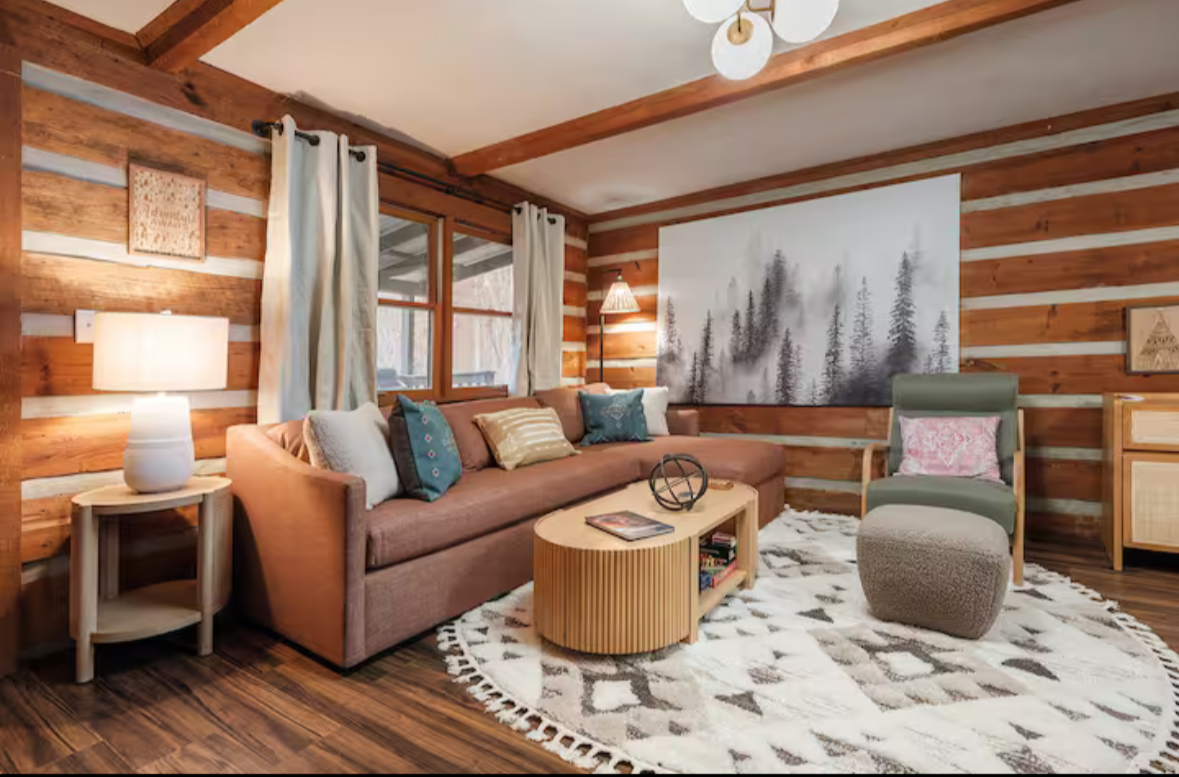
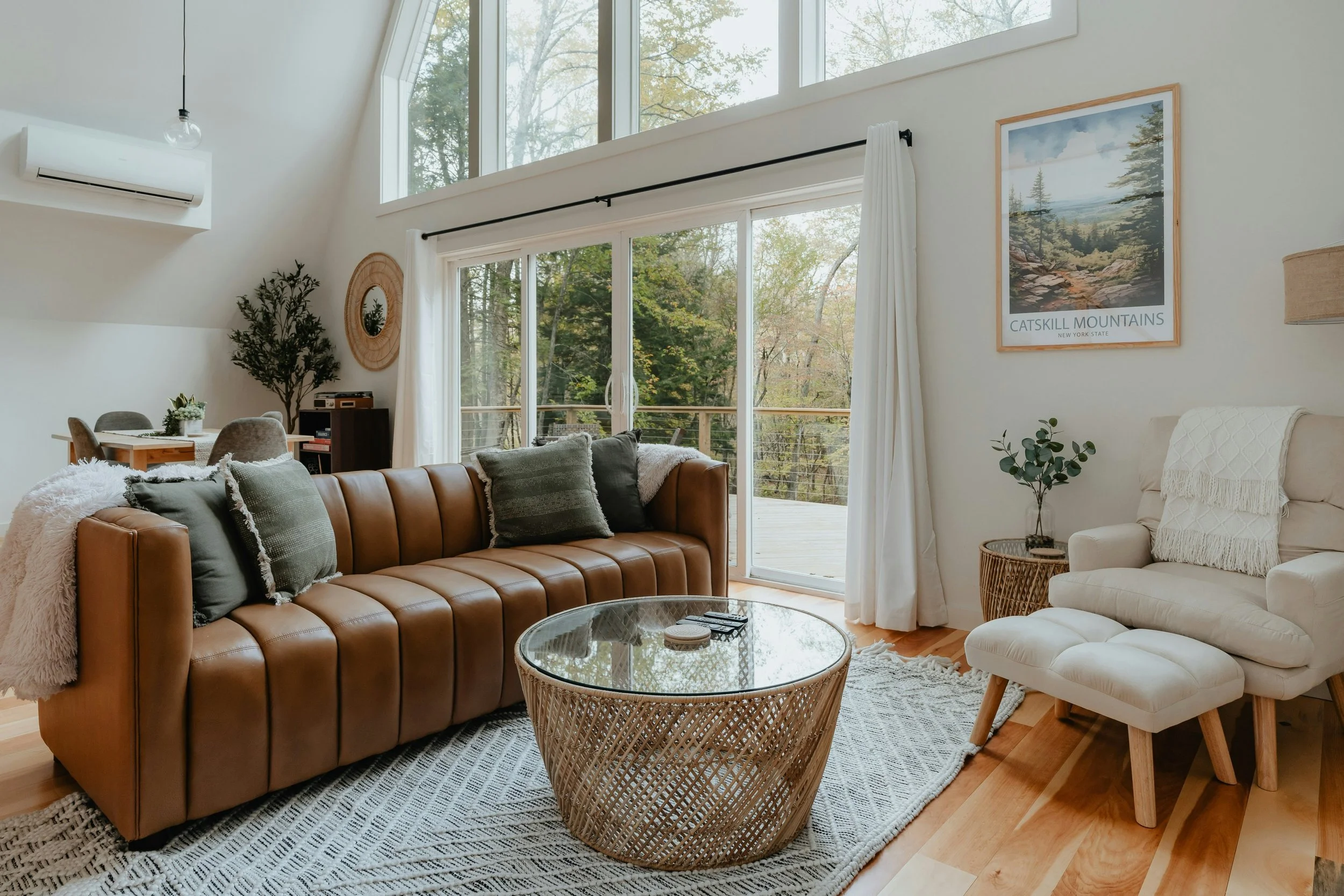
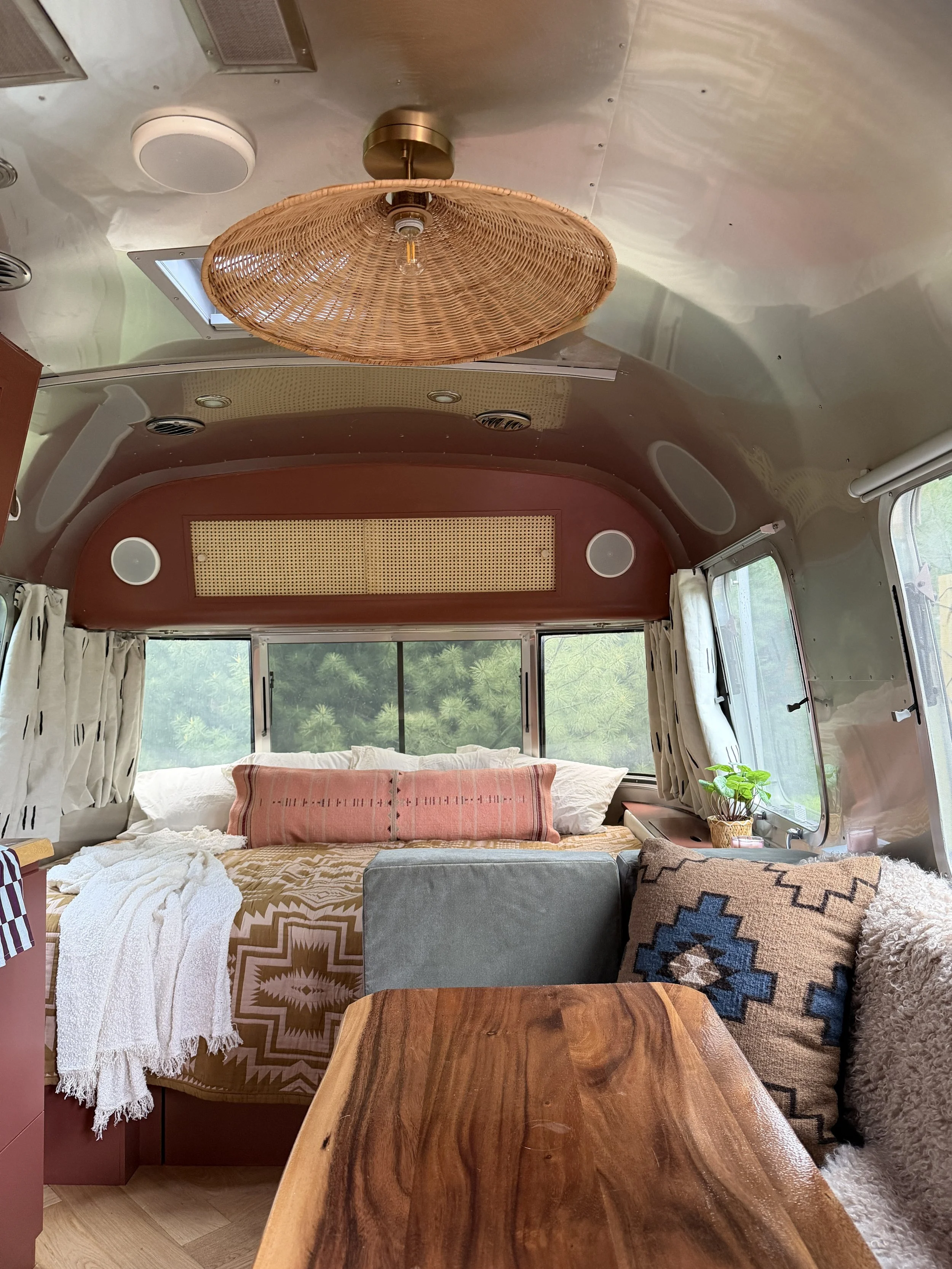
Texture signals comfort before anyone touches it. A space with multiple textures — a chunky knit throw, a wool area rug, velvet or linen pillow covers, a wood surface next to a soft one — reads as cozy in photos and delivers on that promise in person. A space with all smooth, hard, or flat surfaces — even if it's well-designed — reads as cool and minimal rather than warm and inviting. Fall and winter are the seasons to lean into natural materials: wool, cotton, linen, wood, stone, leather. They feel better and they photograph better in low, warm light.
Layering matters more than any single piece. The beds in top-performing cozy STRs don't just have a comforter. They have a comforter, a folded throw at the foot, two or three decorative pillows with removable covers that aren't a washing nightmare, and a real duvet insert that actually holds heat. Guests don't consciously notice all of this — they just feel taken care of. And that feeling shows up in reviews.
How do you use color and textiles to create a cozy STR for fall and winter?
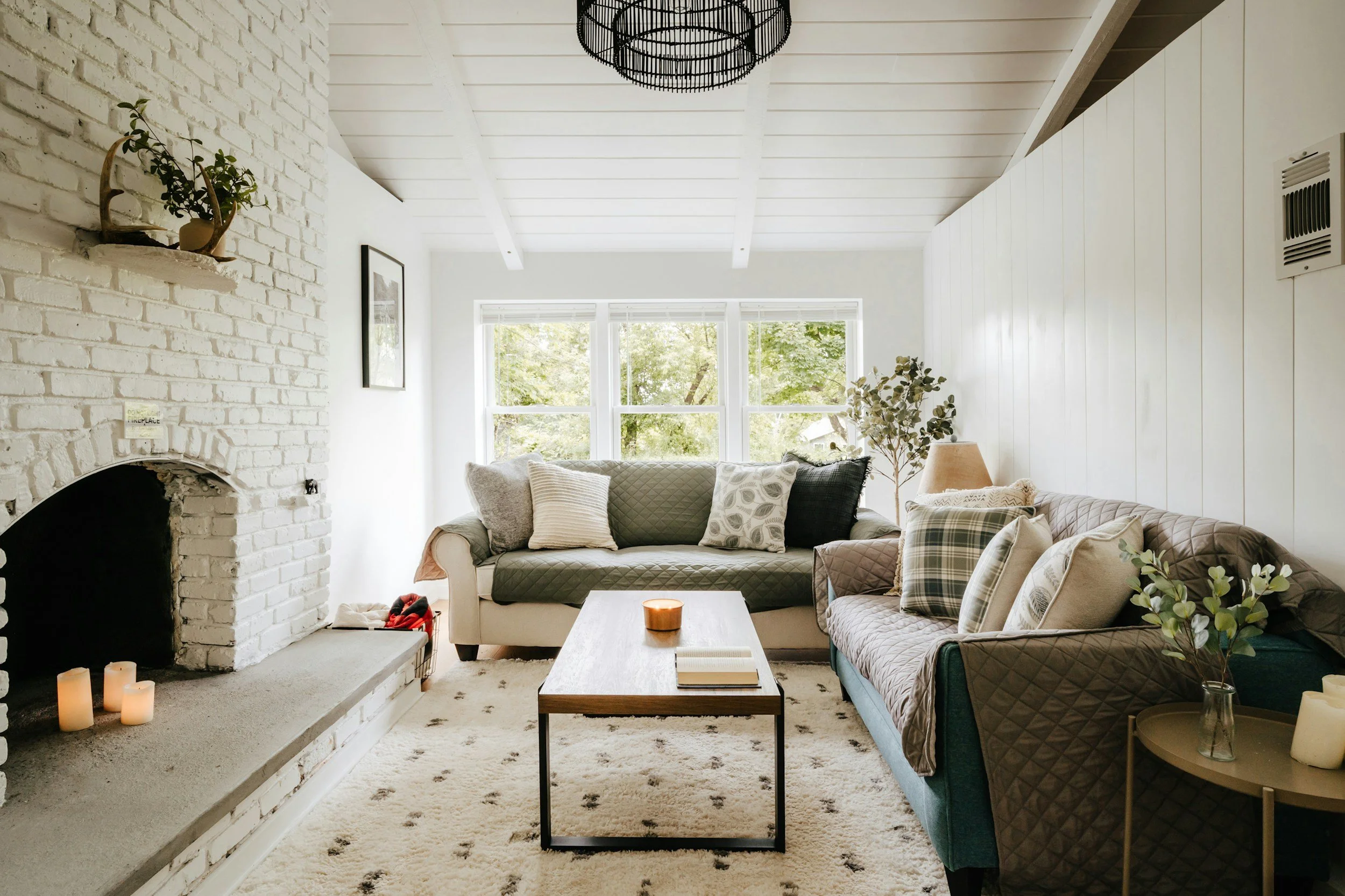
The cozy color palette for fall and winter STRs is not what you might expect if you're thinking in terms of seasonal trends. Burnt orange and deep burgundy work — but only if they're already in your property's color story. Chasing seasonal trends with throw pillows and accent pieces often produces a space that looks like it was decorated rather than designed.
What actually works is anchoring the space in a warm neutral base — creamy whites, warm taupes, soft caramels, greiges — and adding depth through textiles rather than wall color or large furniture. This approach works year-round and feels most at home in fall and winter without requiring any swaps.
For textiles specifically, the highest-impact moves for cozy season are:
A substantial area rug in the main living area. Not a small accent rug that floats in the middle of the room — a rug that grounds the seating arrangement and covers enough floor that guests walk onto it when they come through the door. In a tiny home or small STR, a rug that's too small is one of the most common design mistakes, and it reads as especially wrong in fall and winter when guests want softness underfoot.
Throw blankets at every obvious seating spot. Not one throw on the arm of the sofa — one on the sofa, one folded over the reading chair, one at the foot of the bed. Guests in fall and winter genuinely use these, and their presence in a space signals that someone thought about comfort. Parachute's bedding and textile guides have practical advice on layering that translates well to STR contexts.
Pillow covers that change with the season. This is one of the lowest-cost, highest-impact seasonal updates you can make. A set of linen or cotton pillow covers in warm neutrals for year-round use, swapped out with wool or velvet covers in deeper tones for fall and winter. The effect in photos is significant and the cost is minimal. This is the kind of detail that the best-reviewed STRs in every market tend to get right — not because it costs a lot, but because it signals care.
What fire features and heating make the biggest difference for cozy season STRs?
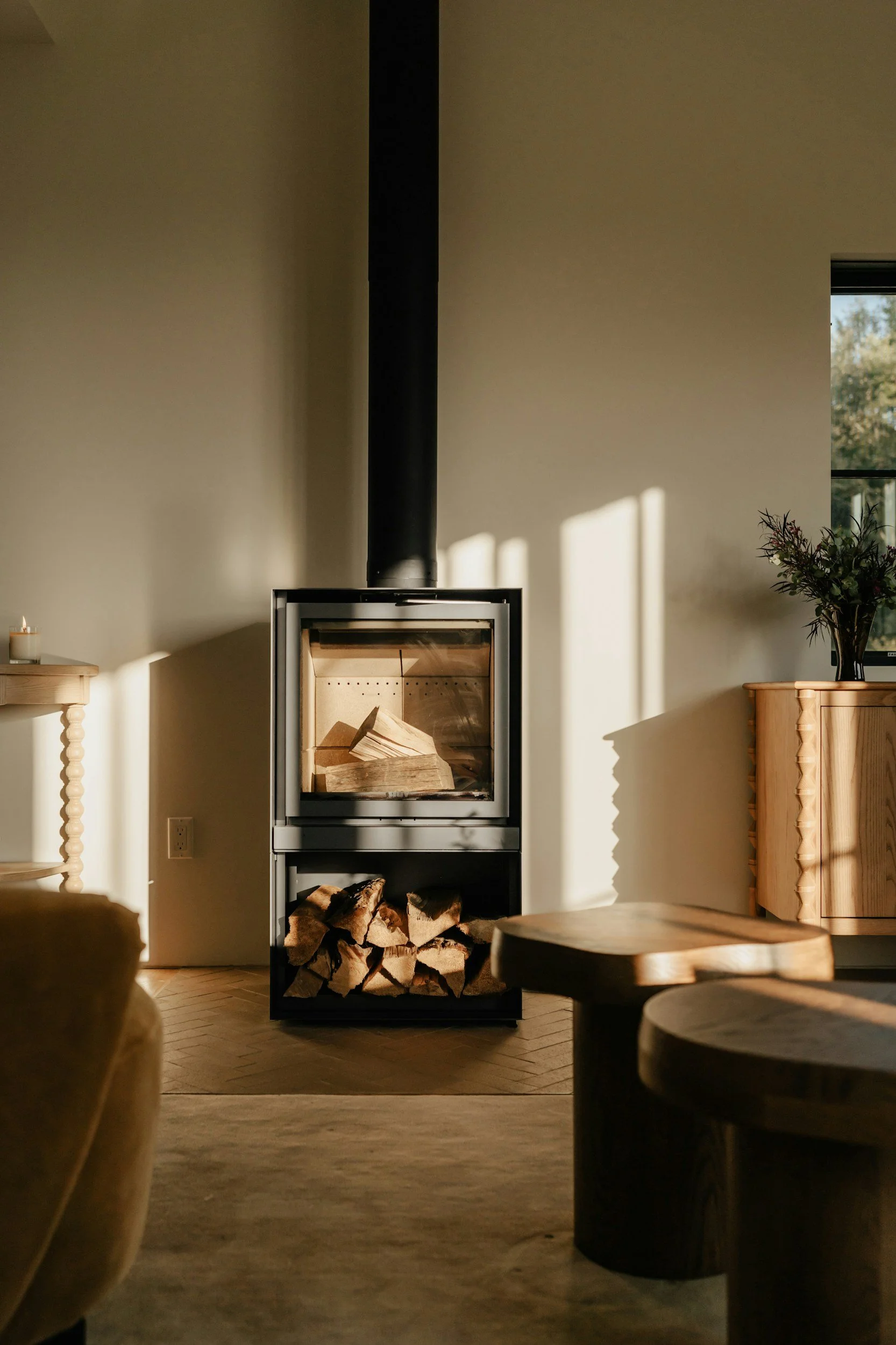
We've talked about fire features in the context of outdoor spaces, but for fall and winter, fire becomes relevant inside too — and it's one of the most powerful cozy signals an STR can have.
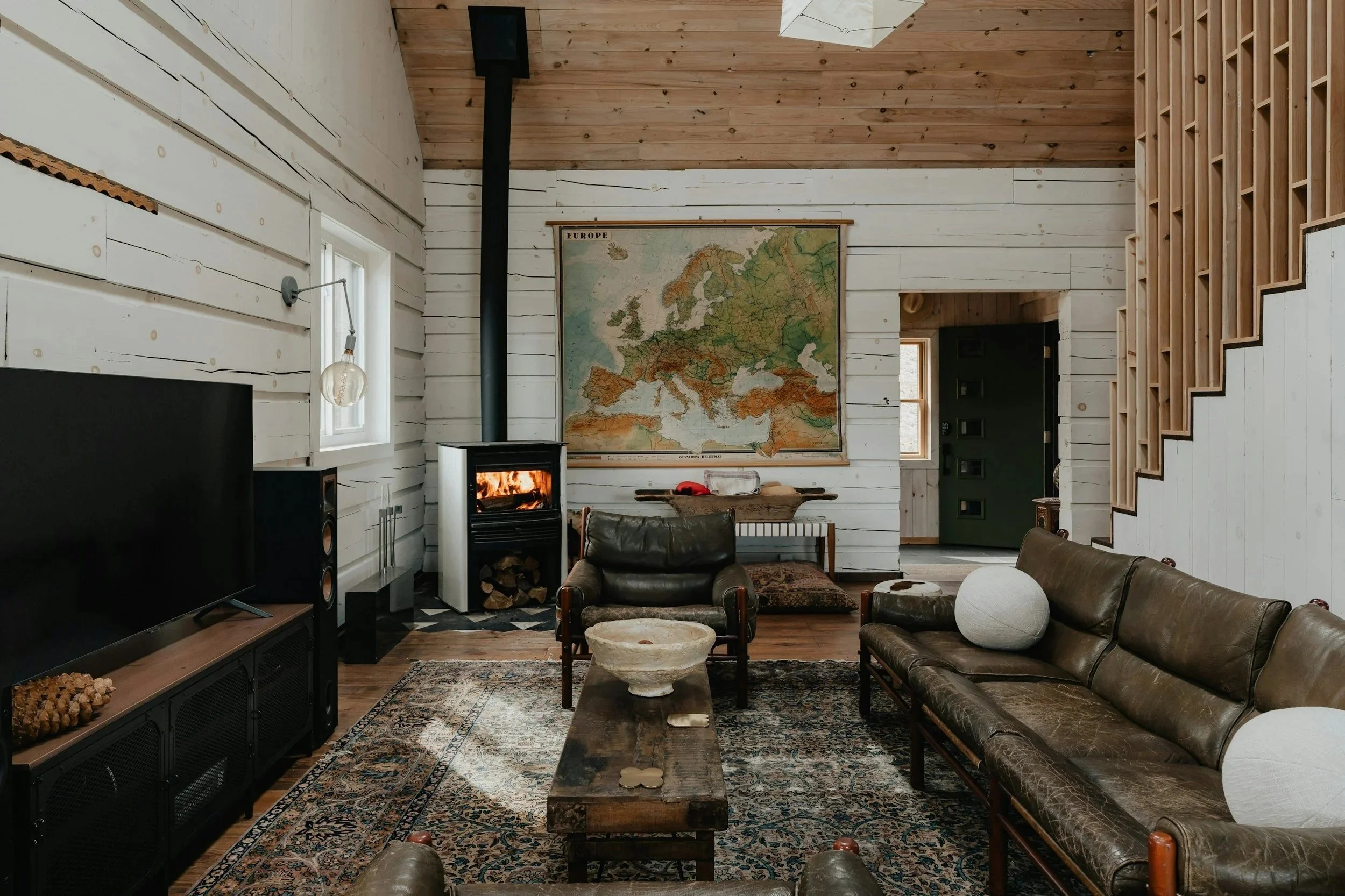
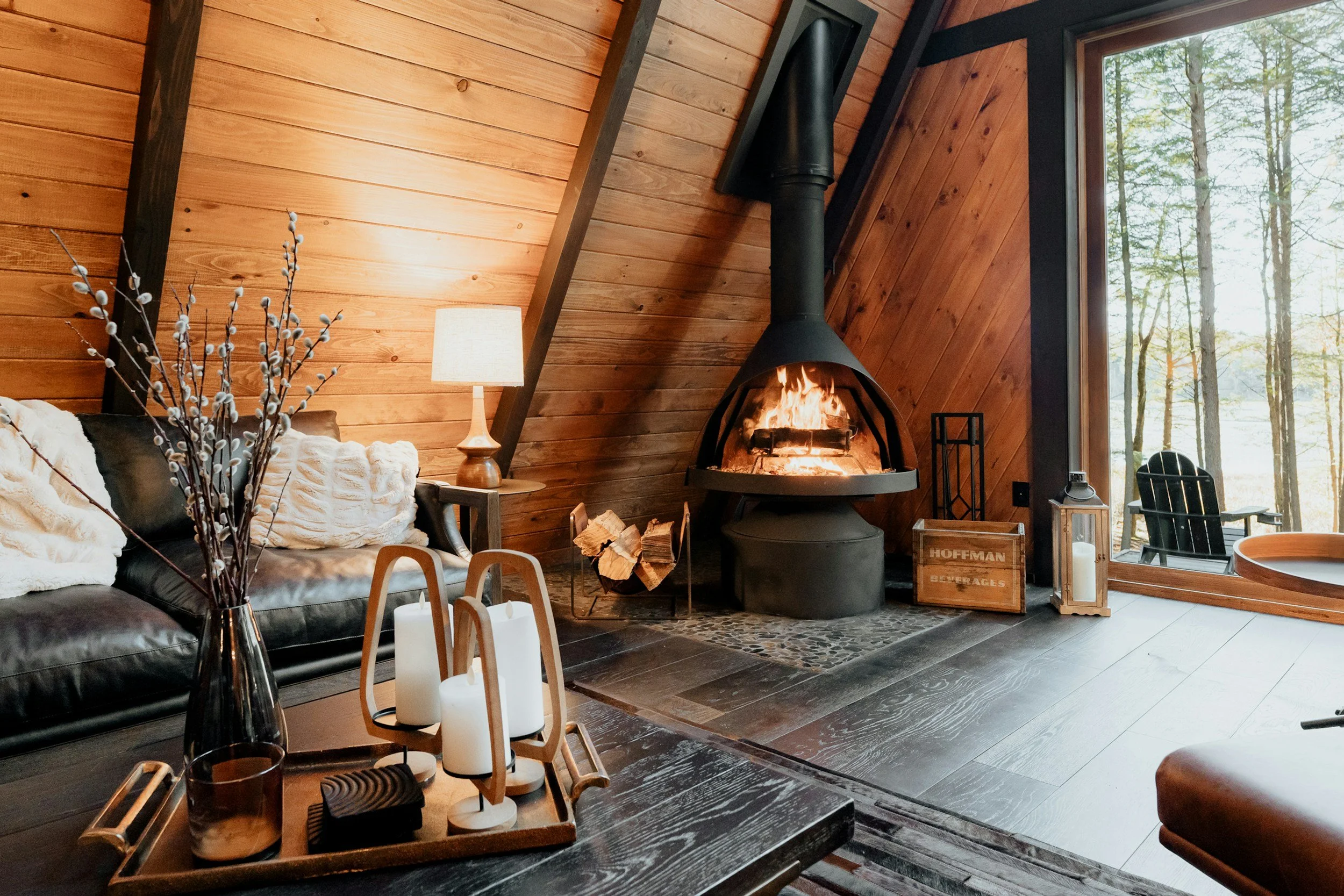
If your property has a wood-burning fireplace, it should be functioning, clean, stocked with wood, and photographed prominently. A wood-burning fireplace is the single most booking-influential interior feature in cold-weather STR markets. It belongs in the listing title, in the first line of the description, and in the lead photo if it photographs well.
If you don't have a fireplace, an electric fireplace insert — either built into an existing surround or freestanding in a well-designed surround — is a surprisingly effective substitute. Modern electric fireplaces have come a long way in terms of flame realism, and they add the visual warmth of a fire feature without the installation requirements of a gas or wood-burning unit. Consumer Reports' guide to electric fireplaces covers what to look for and what to avoid.
Beyond fire, heating infrastructure matters more in fall and winter than at any other time of year. Guests who are cold are guests who write reviews about being cold. Make sure your HVAC is performing well before the season hits. Consider adding a small space heater to the bedroom as a guest-controlled supplemental option — not as a replacement for proper heating, but as a comfort add that guests genuinely appreciate. And make sure the check-in information clearly explains how to use the heating system. An unintuitive thermostat that guests can't figure out at 10pm on a cold night is an entirely avoidable bad review.
How do you photograph an STR for fall and winter to maximize bookings?

Your listing photos are the first place guests experience the cozy feeling you've created — and if the photos don't convey it, the space might as well not have it.
Fall and winter photography for STRs is different from spring and summer shoots. The goal is warmth, intimacy, and that specific quality of light that makes indoor spaces look like somewhere you'd want to retreat to. A few things make an outsized difference:
Shoot in the late afternoon rather than midday. The low angle of fall and winter light coming through windows is genuinely beautiful, and it creates exactly the warm, directional quality that reads as cozy in photos. If you can't control when your photographer shoots, midday with all interior lights on and curtains open is a reasonable fallback.
Turn on every warm light source in the space before shooting. Lamps, sconces, under-cabinet lights, fireplace (or electric insert), candles if safe for photography. The layered light effect — multiple sources at different heights — is what creates depth and warmth in interior photos. Overhead lights alone produce a flat, institutional look that no amount of cozy styling can overcome. Hostfully's photography tips for STRs go deeper on lighting technique if you're prepping for a seasonal reshoot.
Stage the space for the season. Throw blankets should be artfully draped rather than folded. Pillows should be arranged, not stacked. A mug on the coffee table near the fireplace. A book open on the reading chair. These props take thirty seconds to set up and they tell the exact story that fall and winter guests are looking for.
The ROI on updated seasonal photos is worth noting: how design and photography work together to drive ADR and occupancy is a real, measurable relationship, and hosts who invest in quality listing photos consistently see higher conversion rates than those who don't — especially in premium booking seasons when guests are choosing between multiple appealing options.
What small details separate a cozy STR from a merely adequate one?
This is where the difference between a good STR and a great one usually lives — not in the big-ticket renovations, but in the hundred small decisions that signal whether someone actually thought about the guest experience.
For fall and winter specifically, the details that show up most consistently in five-star reviews are:
A welcome basket with seasonal elements. A small jar of local honey, a packet of hot cocoa, a couple of packets of good tea. The cost is under $20. The impact on the guest's first impression — and on the review they write — is disproportionate to that cost.
A "how to get cozy" note in the check-in instructions. Something that tells guests where the extra blankets are, how to use the fireplace, and what trails nearby are worth doing in fall colors. It sounds small, but guests who feel oriented and taken care of before they arrive tend to be more generous reviewers.
Extra lighting options. A couple of well-placed table lamps on dimmers, in addition to whatever overhead lighting the space has. Fall and winter evenings are long, and the ability to create a warm, low-light environment matters.
A stocked firewood supply that's actually sufficient. Nothing undermines the cozy fireplace promise faster than guests running out of wood on night two of a four-night stay.
These are the details that are invisible when they're right and very visible when they're wrong. Getting them right is what the design process for STRs is fundamentally about — not just what goes on the walls, but what the guest's experience actually feels like from the moment they walk in.
Frequently Asked Questions
When should I update my STR design for fall and winter?
Ideally, seasonal updates are in place and re-photographed by mid-September, before the first wave of fall bookings in October. If you're in a leaf season market like Western NC, September is your de facto launch month for the fall booking cycle.
What is the most important cozy upgrade for an Airbnb on a budget?
Lighting is the highest-ROI, lowest-cost upgrade for a cozy seasonal feel. Swapping bulbs to 2700K warm white across all fixtures in the property costs under $30 and has an immediate, visible effect on how the space photographs and feels. The second-best budget move is adding one or two quality throw blankets to each seating area.
Do STR bookings drop in winter?
It depends heavily on the market. In mountain and nature-adjacent markets like Western NC, winter can be a strong booking period — particularly around holidays and for guests seeking cold-weather outdoor experiences. In urban markets or beach-adjacent markets, winter typically sees lower demand. Know your market's seasonal pattern before making assumptions about what to invest in.
Should I adjust my pricing for fall and winter?
Yes — and in most mountain markets, fall peak season (October especially) justifies some of the highest nightly rates of the year. Use dynamic pricing tools like PriceLabs or Wheelhouse to ensure you're capturing demand rather than leaving revenue on the table during high-demand periods.
What scent makes an Airbnb feel cozy?
Subtle warm scents — cedar, sandalwood, vanilla, or light woodsmoke — are the most consistently well-received in cozy STR contexts. Avoid overpowering scents or air fresheners that read as artificial. A lightly scented candle in the living area (not running, just visually present) or a reed diffuser in the bathroom tends to land better than any plug-in or spray.
How do I make a tiny home STR feel cozy without making it feel small?
Layer warmth through textiles and lighting rather than adding more furniture or decor. A chunky throw, a warm rug, low-temperature lamps, and a fire feature can transform the feel of a small space without making it feel cluttered. The key is intentionality — every cozy element should be placed, not just present.
Want your STR to be the one guests are booking six weeks out because it looks exactly like how fall is supposed to feel? At Sukkha Interior Design, we design small spaces and short-term rentals that photograph beautifully, book reliably, and earn the reviews you're after. Book a consult and let's get your property ready for its best season yet.

If you are looking to transform your space, interested in Asheville real estate, or just want to say hi, I'd love to connect!
Not quite ready for a full on design project? Take a step towards transformation with the 30 Minute Home Refresh Guide.
READ MORE
Let’s Connect