Tiny Home, Tons of Storage: 10 Hacks That Are Sneaky-Smart (Not Sad)
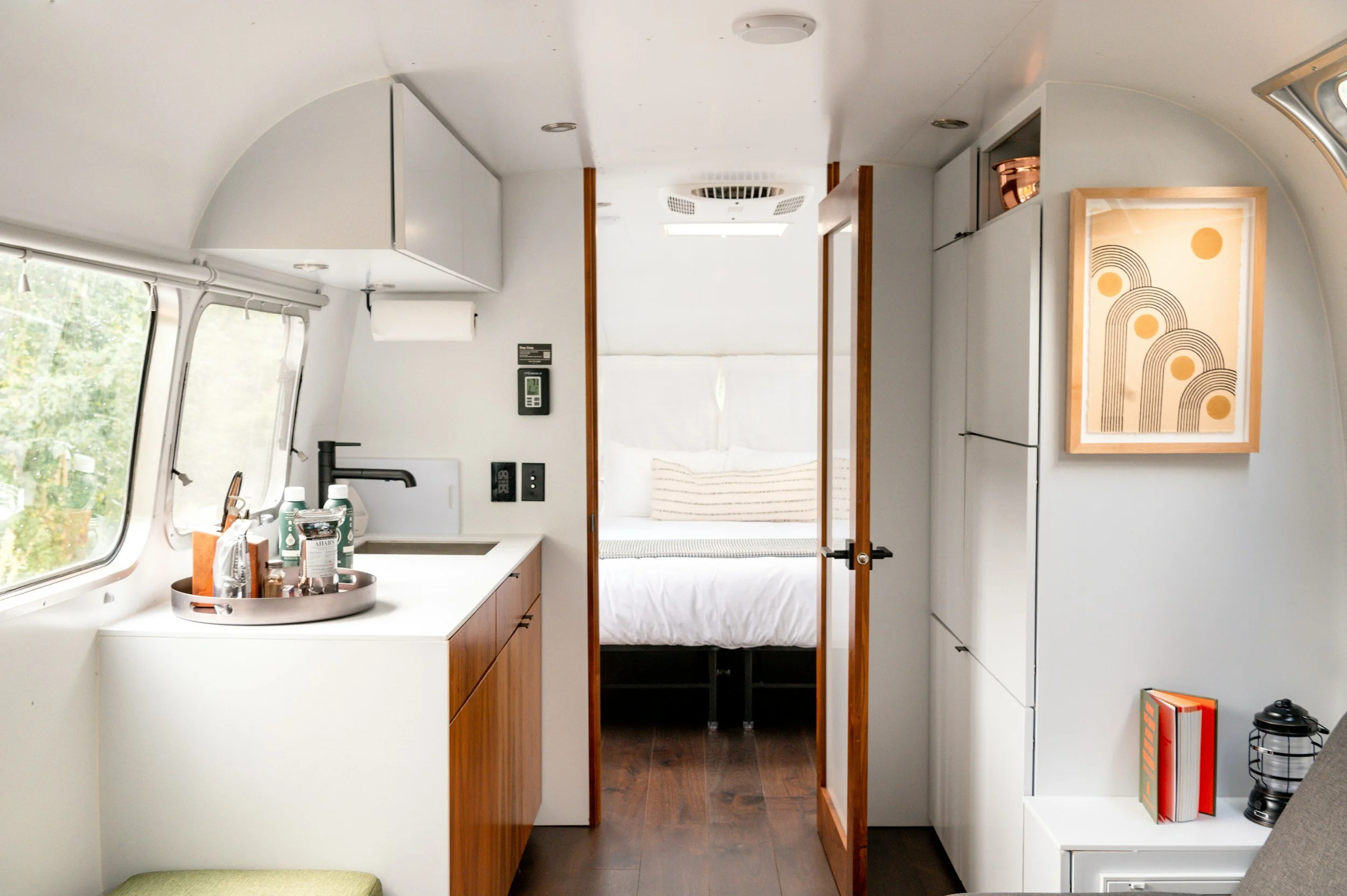
The best storage solutions for tiny homes and STRs go vertical, hide in plain sight, and pull double duty. The highest-impact moves are built-in under-stair storage, platform bed drawers, floor-to-ceiling open shelving, recessed wall niches, and furniture that does more than one job. None of these require a major renovation — just intentional thinking about every cubic foot your space has to offer. Storage in a tiny home isn't a problem of not having enough space. It's a problem of not using the space you have correctly.
Why is storage so hard to get right in a tiny home?
Let's establish something upfront: storage in a tiny home is not hard because you don't have enough space. It's hard because most people approach it the wrong way.
The typical approach goes something like this: buy a bunch of bins, baskets, and over-the-door organizers, cram them in wherever they fit, and then wonder why the space still feels cluttered and chaotic. The bins are full. The baskets are overflowing. And the tiny home that was supposed to feel intentional and cozy looks like a college dorm after move-in day.
The designer approach is different. Instead of adding storage products to an existing layout, you design storage into the layout from the start — or if you're working with an existing space, you rethink the layout to create storage opportunities that weren't there before. The result is a space where storage is invisible, integrated, and actually sufficient for real life. The principles that govern great tiny home storage are the same ones that govern every great small space design decision. If you want the full philosophy behind it, this breakdown of micro-living design lessons is the place to start.
Here are the 10 moves that make the biggest difference.
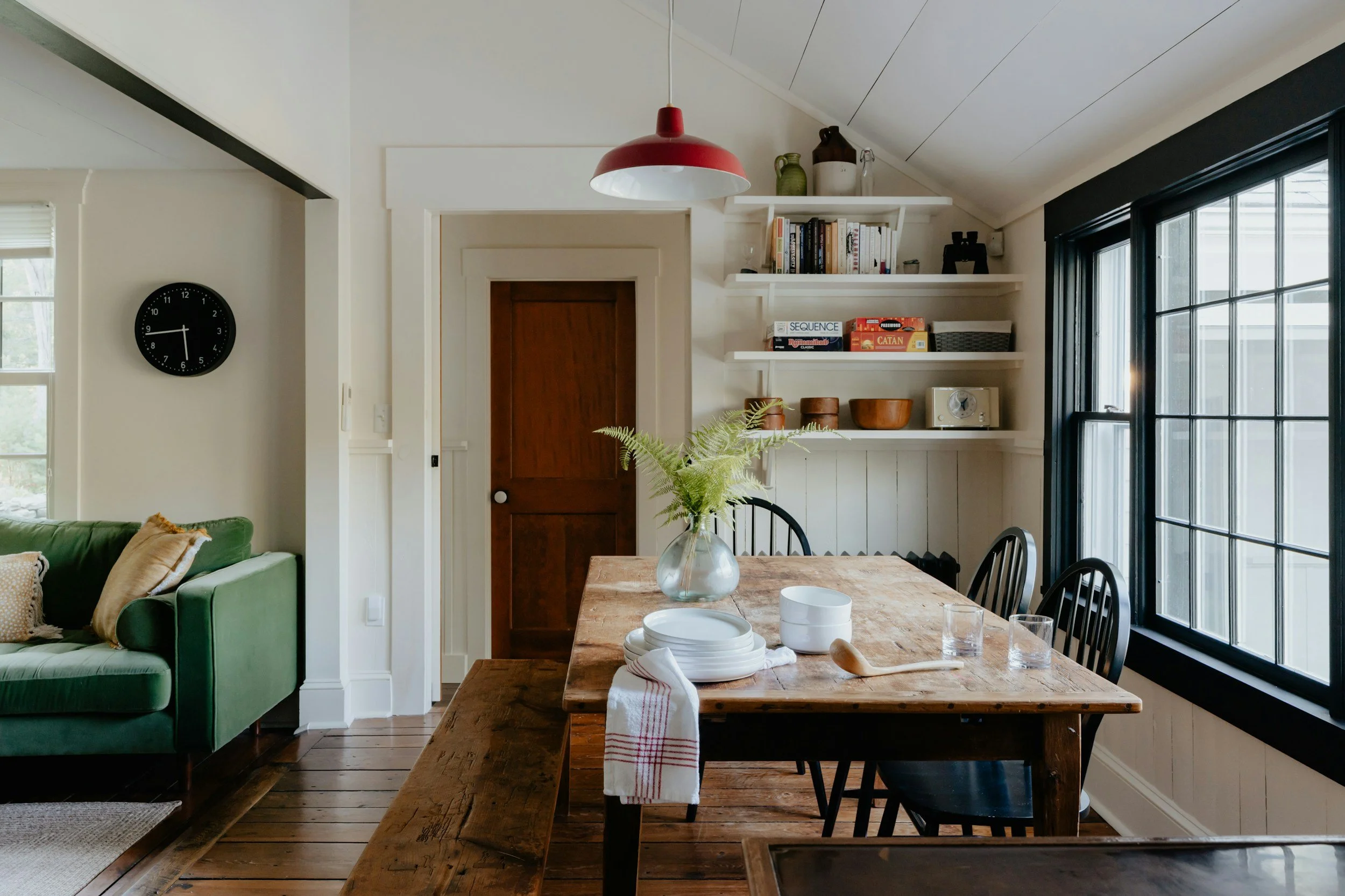
How do you maximize vertical storage in a tiny home?
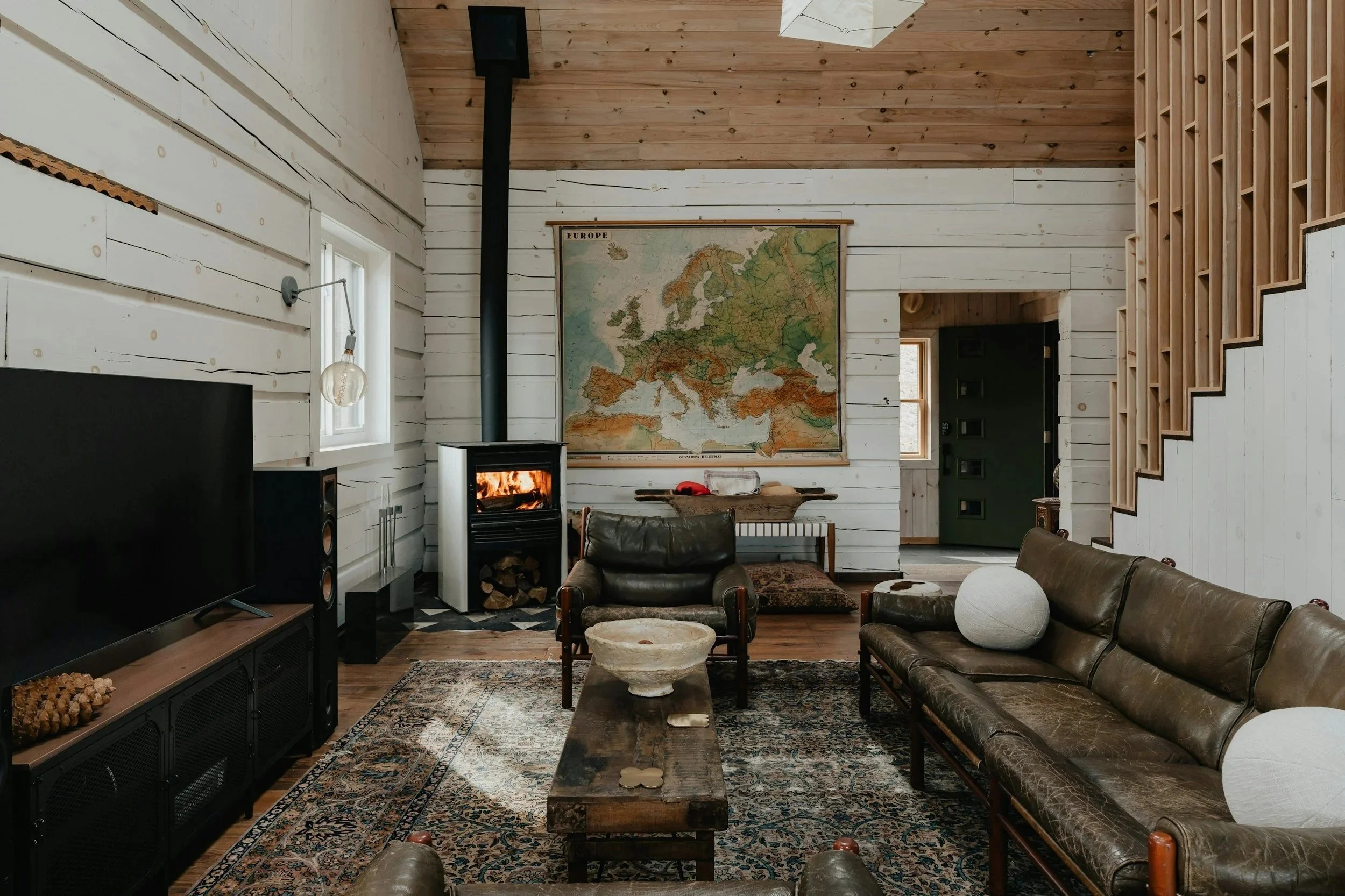
Hack 1: Floor-to-ceiling open shelving
The single most effective storage move in a tiny home is going all the way to the ceiling with your shelving. Not halfway. Not to eye level. All the way to the ceiling.
Most people stop their shelving at 6 or 7 feet because that's the easy reach zone. Everything above that gets left as dead space — wasted square footage that isn't contributing anything to the home. In a tiny home, dead space is a luxury you simply don't have.
Floor-to-ceiling open shelving in a living area, kitchen, or bedroom creates significant storage capacity while also making the room feel taller and more architectural. The upper shelves are ideal for items used less frequently — extra linens, off-season items, books you're keeping but not actively reading. A small step stool tucked nearby handles access without drama.
Style the shelves intentionally. Mix books, plants, objects, and storage baskets so the shelves look curated rather than crammed. The goal is storage that looks like a design feature, not a storage problem looking for a solution.
Hack 2: Over-door storage that doesn't look terrible
Over-door storage has a bad reputation, mostly because the wire rack version found in every college dorm does, in fact, look terrible. But the concept — using the back of a door as storage real estate — is genuinely smart in a tiny home.
The upgrade: instead of wire racks, use slim wooden shelving units, leather strap organizers, or custom-built shallow cabinets mounted to the back of doors. In a bathroom, a slim recessed cabinet built into the back of the door can hold an entire medicine cabinet's worth of supplies without taking up any wall space. In a bedroom, a slim jewelry or accessory organizer on the back of the closet door eliminates the need for a separate storage piece entirely. Same square footage. Zero visual clutter.
What is the best under-bed storage solution for a tiny home?
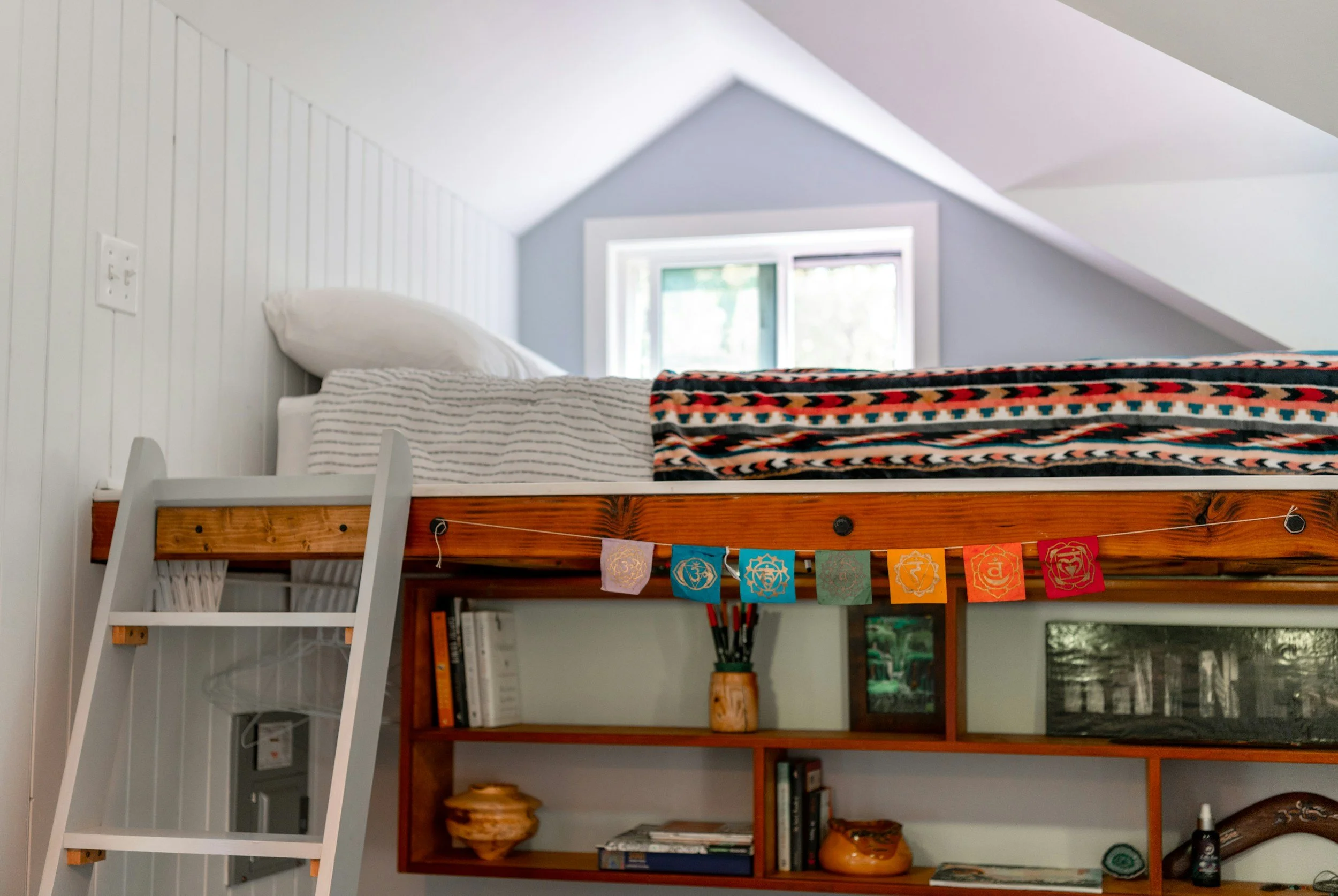
Hack 3: Platform bed with built-in drawers
The space under a bed is some of the most squandered real estate in any home — and in a tiny home, squandering real estate is simply not an option.
A platform bed with built-in drawers converts what would otherwise be dust-gathering dead space into meaningful storage for linens, clothing, or anything else that needs a home. The key is building or buying a platform that sits high enough to accommodate real drawers — at least 8 to 10 inches of interior drawer depth — rather than the shallow roll-out bins that technically qualify as "storage" but hold approximately nothing useful.
For STRs, platform bed storage is particularly valuable because it keeps guest storage off the floor and out of sight, which means the room photographs cleaner and guests don't trip over their own suitcases. It's one of those rare upgrades that improves both the function and the photos simultaneously.
Hack 4: Ottoman storage that actually holds things
A storage ottoman in a living area does three jobs: it's seating, it's a footrest, and it's a storage container. In a tiny home, furniture that does three jobs is furniture worth having.
The key is sizing up. Most storage ottomans sold in furniture stores are decorative — they hold maybe two throw blankets and call it a day. What you want is a larger, deeper ottoman that can hold meaningful items: board games, extra blankets, throw pillows, seasonal items, whatever needs a home but doesn't need to be on display. A 24 by 24 inch ottoman with 12 inches of interior depth holds a surprising amount and still functions as a coffee table with a tray on top. This is the kind of furniture that fits the mission — earning its footprint by doing more than one job.
How do you add storage to a tiny home kitchen without a full renovation?
Hack 5: Magnetic knife strips and wall-mounted spice storage
Counter space in a tiny home kitchen is precious. Every object that lives on the counter is taking up real estate that could be used for food prep. The goal is to get as much as possible off the counter and onto the walls — which is exactly what magnetic knife strips and wall-mounted spice racks do.
A magnetic knife strip mounted to the backsplash or side of a cabinet holds knives, scissors, and metal tools without requiring a knife block that takes up 6 inches of counter. A slim wall-mounted spice rack above the counter holds 20 spice jars in the footprint of a single cabinet. Together, these two moves can reclaim 12 to 18 inches of counter space without touching the layout or spending more than $50.
Hack 6: The inside of cabinet doors
The inside surfaces of cabinet doors are almost universally ignored and almost universally useful. Slim mounted racks on the inside of a kitchen cabinet door can hold lids, cutting boards, foil and wrap boxes, or cleaning supplies. A mounted rack on the inside of a bathroom cabinet door can hold hair tools, medications, or first aid supplies.
None of this requires a contractor. Adhesive-mounted options exist for renters or anyone who doesn't want to put holes in doors. The payoff in functional storage gained is disproportionate to the effort and cost involved — this is one of the fastest wins in any small space.
What are the best built-in storage ideas for tiny homes?
Hack 7: Recessed wall niches
A recessed wall niche — a shelf built directly into the wall between studs — creates storage without taking up any floor space whatsoever. The shelf literally lives inside the wall.
In a bathroom, a recessed niche in the shower holds shampoo, conditioner, and soap without a wire caddy or suction-cup shelf that falls off every three weeks. In a living area, a recessed niche beside a fireplace or TV becomes a display shelf for books, plants, and objects. In a bedroom, a recessed niche at bedside serves as a nightstand without requiring any actual furniture. It's one of the moves that separates a thoughtfully designed tiny home from one that was just furnished small — and it costs far less to build than most people assume.
Hack 8: Under-stair storage
If your tiny home has a loft accessed by stairs, those stairs are one of the most valuable storage opportunities in the entire space — and one of the most commonly wasted.
Under-stair storage can take several forms depending on your layout: drawers built into the risers, a cabinet door that opens into a larger storage area beneath the staircase, or open cubby shelves integrated into the side of the stair structure. Any of these converts dead space into functional storage that can hold shoes, cleaning supplies, outdoor gear, or anything else that needs a home.
The aesthetic upside: built-in under-stair storage makes a tiny home look finished and custom in a way that freestanding storage furniture simply doesn't. It's the kind of detail that makes guests feel like the property was designed by someone who thought of everything — because it was.
How do you keep a tiny home STR looking organized for guests?
Hack 9: Dedicated guest storage — and making it obvious
One of the most common STR guest complaints about tiny homes and small spaces is having nowhere to put their stuff. They arrive with bags, unpack, and find no clear place to stow their suitcase, hang their coats, or store their toiletries without encroaching on the host's belongings or stacking things on the floor.
The solution is dedicated, obvious guest storage. A luggage rack beside the bed gives suitcases a home. A coat hook rail near the entry gives jackets a place to land. A small basket in the bathroom gives toiletries a place to live during the stay. These don't require significant space — they require intentional placement. When guests can see immediately where their things go, the space feels organized and generous regardless of its actual size. That guest experience translates directly into five-star reviews that mention how thoughtful and well-organized the property was.
Hack 10: The "everything has a home" rule
This final hack is less about furniture and more about philosophy — but it's the one that makes all the others work.
In a tiny home, every object needs a designated home. Not a general zone. A specific, dedicated spot. When something doesn't have a home, it lives on the counter, the table, the floor, or wherever it was last set down — and that's how tiny homes go from cozy to chaotic in about 48 hours.
Before adding any storage product or piece of furniture, ask: what specific things will live here, and how many of them? Then size and place the storage accordingly. A hook that holds three coats needs to be located near the entry. A drawer that holds charging cables needs to be near an outlet. Storage placed in the wrong location doesn't get used — and things without the right home don't get put away.
Frequently Asked Questions
What is the most effective storage solution for a tiny home?
Built-in storage that uses vertical space and dead zones — under stairs, under beds, inside walls — delivers the highest return in any tiny home. Platform beds with built-in drawers, floor-to-ceiling shelving, and recessed wall niches are the three highest-impact moves that don't require adding more furniture to an already small space.
How do you add storage to a tiny home without making it look cluttered?
The key is integrated, hidden, or intentionally styled storage. Built-ins look architectural rather than cluttered. Closed storage — drawers, cabinet doors, ottoman lids — hides contents entirely. Open shelving works when it's styled with intention — a mix of objects, plants, and stored items rather than pure function. Avoid freestanding wire racks, visible bins, and anything that reads as a temporary fix.
What furniture works best for storage in a tiny home?
Furniture that serves more than one purpose: storage ottomans, platform beds with drawers, dining benches with storage underneath, side tables with drawers or shelves, and sofas with chaise storage. In a tiny home, every piece of furniture should earn its footprint by doing more than one job.
How much storage does an Airbnb or STR tiny home need?
Guests need dedicated space for their suitcases, hanging clothing, toiletries, and personal items. At minimum: one luggage rack or dedicated floor space for bags, 6 to 10 inches of hanging rod per person, a shelf or drawer for folded items, and a clear surface or basket in the bathroom. Beyond that, the storage needs of a rental are lower than a primary residence — you're designing for short stays, not full wardrobes.
What are the best storage solutions for a tiny home bathroom?
Recessed shower niches, a medicine cabinet or mirrored cabinet above the vanity, a slim tower cabinet beside the toilet, hooks on the back of the door, and a small tray on the vanity surface to corral small items. Avoid wire racks and suction-cup shelves — they look temporary and inevitably fall off at the worst possible moment.
Can you add storage to a tiny home without drilling holes?
Yes — adhesive-mounted hooks, over-door organizers, tension rod shelves inside cabinets, and freestanding furniture all add storage without permanent installation. For renters or anyone who wants flexibility, these options can be genuinely effective. That said, built-in storage — which does require drilling — delivers a significantly better result in both function and appearance.
Designing a tiny home or short-term rental and feeling the squeeze? At Sukkha Interior Design, we specialize in small spaces that work hard, store smart, and look beautiful doing it. Book a design consult and let's find every inch your space has been hiding.

If you are looking to transform your space, interested in Asheville real estate, or just want to say hi, I'd love to connect!
Not quite ready for a full on design project? Take a step towards transformation with the 30 Minute Home Refresh Guide.
READ MORE

Let’s Connect