Micro-Living Done Right: Design Lessons from Tiny Spaces That Inspire
Tiny homes and compact spaces have exploded in popularity over the past decade — not just as a housing trend, but as a philosophy. People want to live smarter, lighter, and more intentionally. But here’s the secret that designers already know:
✨ Micro-living isn’t about living with less.
It’s about living with only what works beautifully. ✨
If you’ve ever stepped inside a well-designed tiny home, you know the feeling immediately:
Calm. Clever. Optimized. Unexpectedly spacious.
Every detail has a purpose. Everything feels intentional. There’s no wasted inch and no clutter anywhere in sight.
As an interior designer specializing in small spaces, tiny homes, and STRs nationwide, I’ve learned that the design principles behind micro-living aren’t just for people in 200-square-foot cottages or converted vans.
They’re for everyone who wants a more functional, elevated, and stress-free home.
In this blog post, we’ll explore the biggest design lessons from micro-living — and how to apply them whether you have 200 square feet or 2,000.
Let’s get inspired.
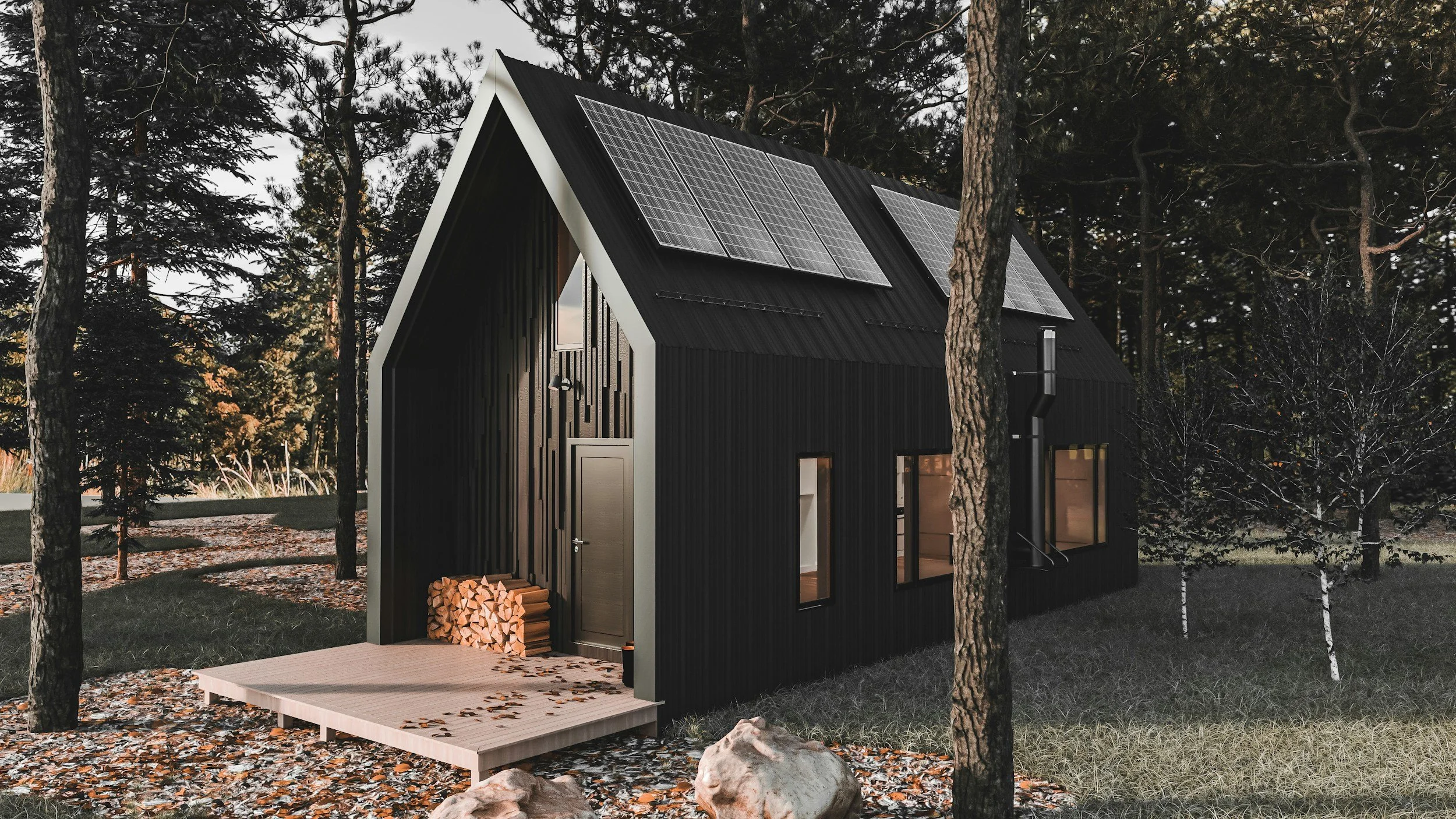
Why Tiny Spaces Hold the Biggest Design Wisdom
If you want to see pure design genius, study the tiniest rooms.
Small spaces force creativity. They demand clarity. And they ask the big questions:
What matters most?
How do people really live?
What functions need to happen in this one space?
What’s worth keeping — and what’s not?
How can comfort and beauty still shine?
Tiny spaces become a masterclass in intention. They require thoughtful decisions about:
✔ Layout
✔ Storage
✔ Furniture scale
✔ Lighting
✔ Cohesion
✔ Materials
✔ Multi-functionality
When you understand the design principles that make a tiny home feel open and livable, you can transform any space — an apartment, a studio, a full-size home, or your STR.
Let’s break them down.
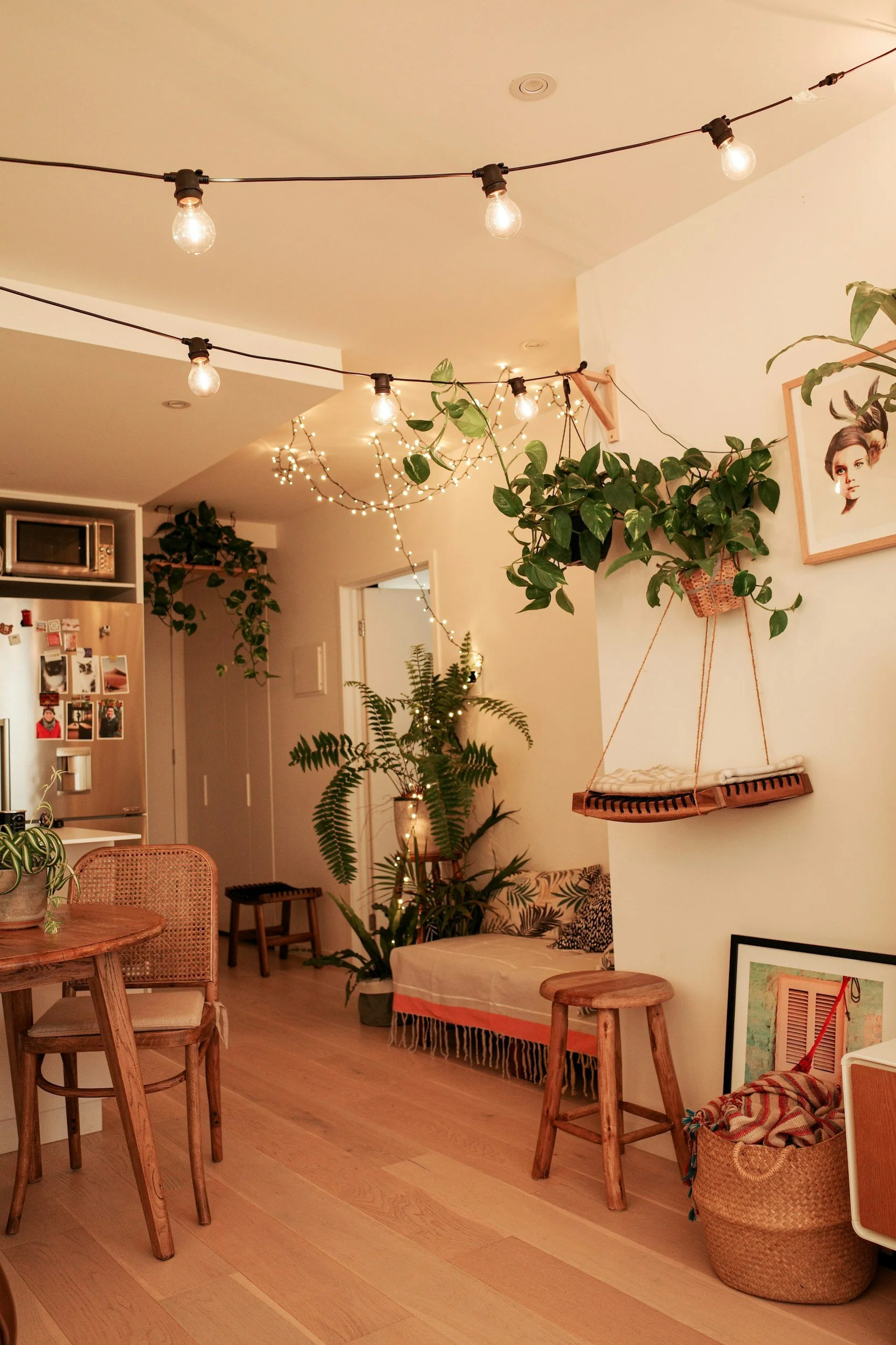
Lesson 1: Function Comes First (But Never at the Expense of Beauty)
In small spaces, every piece of furniture and every design choice must work.
That means:
Sofas that come with storage
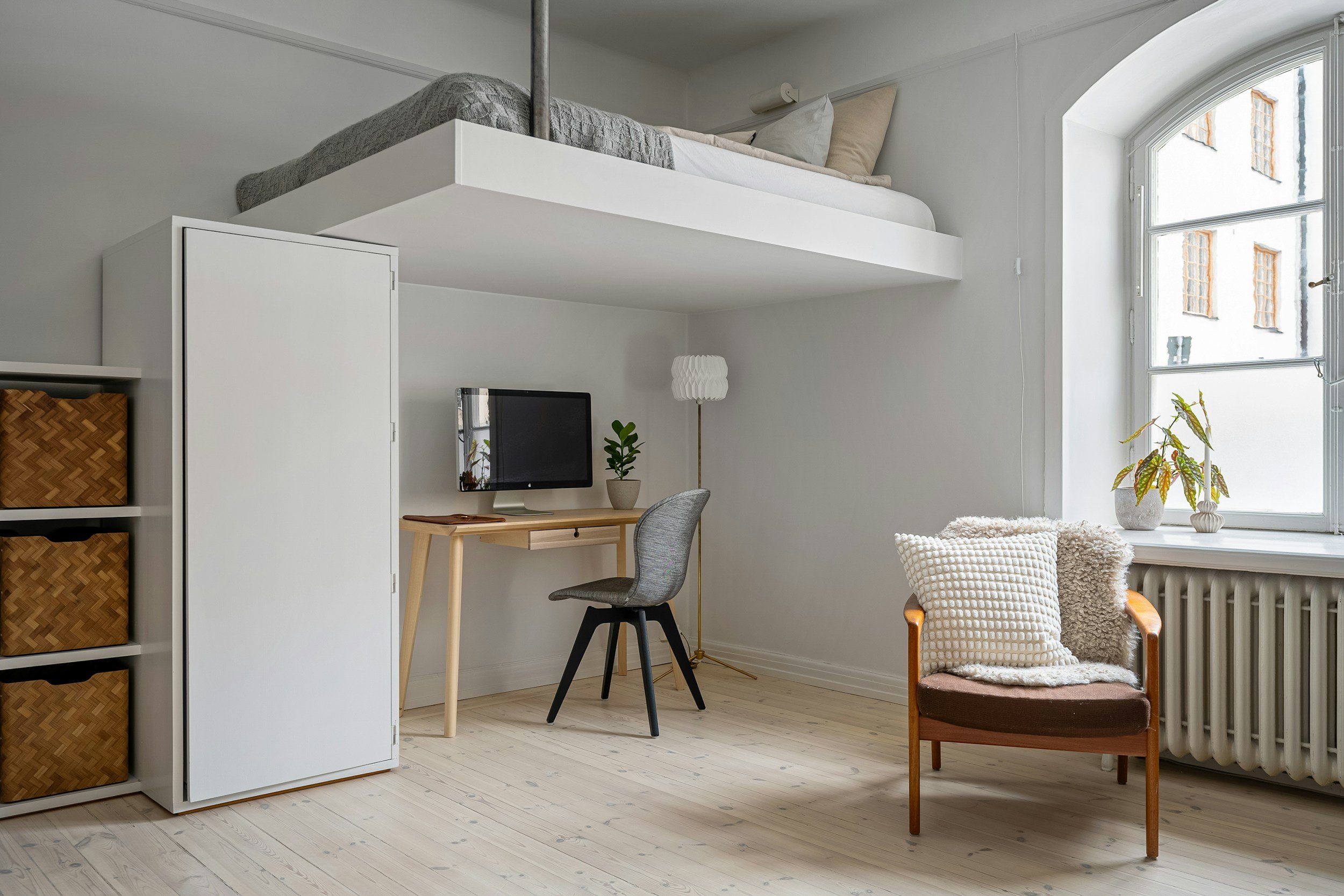
Beds with space underneath
Tables that expand
Furniture that can move or flex
Surfaces that serve multiple purposes
Tiny-home designers don’t choose something because it’s cute. They choose it because it’s functional, comfortable, and attractive.
How to Apply This Anywhere:
✔ Ask: “What is the primary function of this room?”
✔ Edit out anything that doesn’t support that purpose
✔ Choose versatile pieces
✔ Prioritize layout first, décor second
✔ Make sure everything has a home
Function is your foundation. Style is the flourish.
Lesson 2: Smart Storage Is Everything
Tiny homes thrive on hidden, clever, multi-use storage.
This isn’t your basic closet situation — this is well-engineered living.
Examples:
Under-bed drawers
Staircase pullouts
Built-in benches with deep storage
Wall-mounted shelves
Pocket doors
Fold-away furniture
Vertical organizers
Narrow pantries tucked between studs
Storage is not an afterthought. It’s a design strategy.
How to Apply This Anywhere:
✔ Use vertical space like your life depends on it
✔ Maximize corners
✔ Choose closed storage over open shelves if clutter overwhelms you
✔ Opt for furniture with built-in storage
✔ Store items as close to their use zone as possible
A well-organized space instantly feels bigger — even if the square footage stays the same.
Lesson 3: Scale Matters More Than Square Footage
The biggest mistake homeowners make?
Buying furniture that’s way too large for the room.
Tiny space living teaches us:
A petite sofa, narrower nightstand, or round dining table can completely transform a room’s functionality and visual spaciousness.
How to Apply This Anywhere:
✔ Measure before you buy
✔ Prioritize slender silhouettes and open bases
✔ Use round shapes to improve flow
✔ Choose furniture with lighter visual weight (no chunky pieces)
✔ Make sure every doorway and walkway stays open
A perfectly scaled room feels instantly elevated — even luxurious.
Lesson 4: Light Is Your Best Friend
Tiny homes often rely on:
Light-washed woods
Soft whites
Warm neutrals
Strategic windows
Layered lighting
Reflective surfaces
Open lines of sight
Light isn’t just illumination. It’s a space-expanding tool.
How to Apply This Anywhere:
✔ Use warm bulbs (2700–3000k) for cozy atmosphere
✔ Add mirrors opposite windows
✔ Layer lighting: overhead + lamps + accent light
✔ Choose lighter wall colors in small rooms
✔ Hang curtains high and wide to expand windows
Light elevates mood, improves flow, and makes any room feel more open.
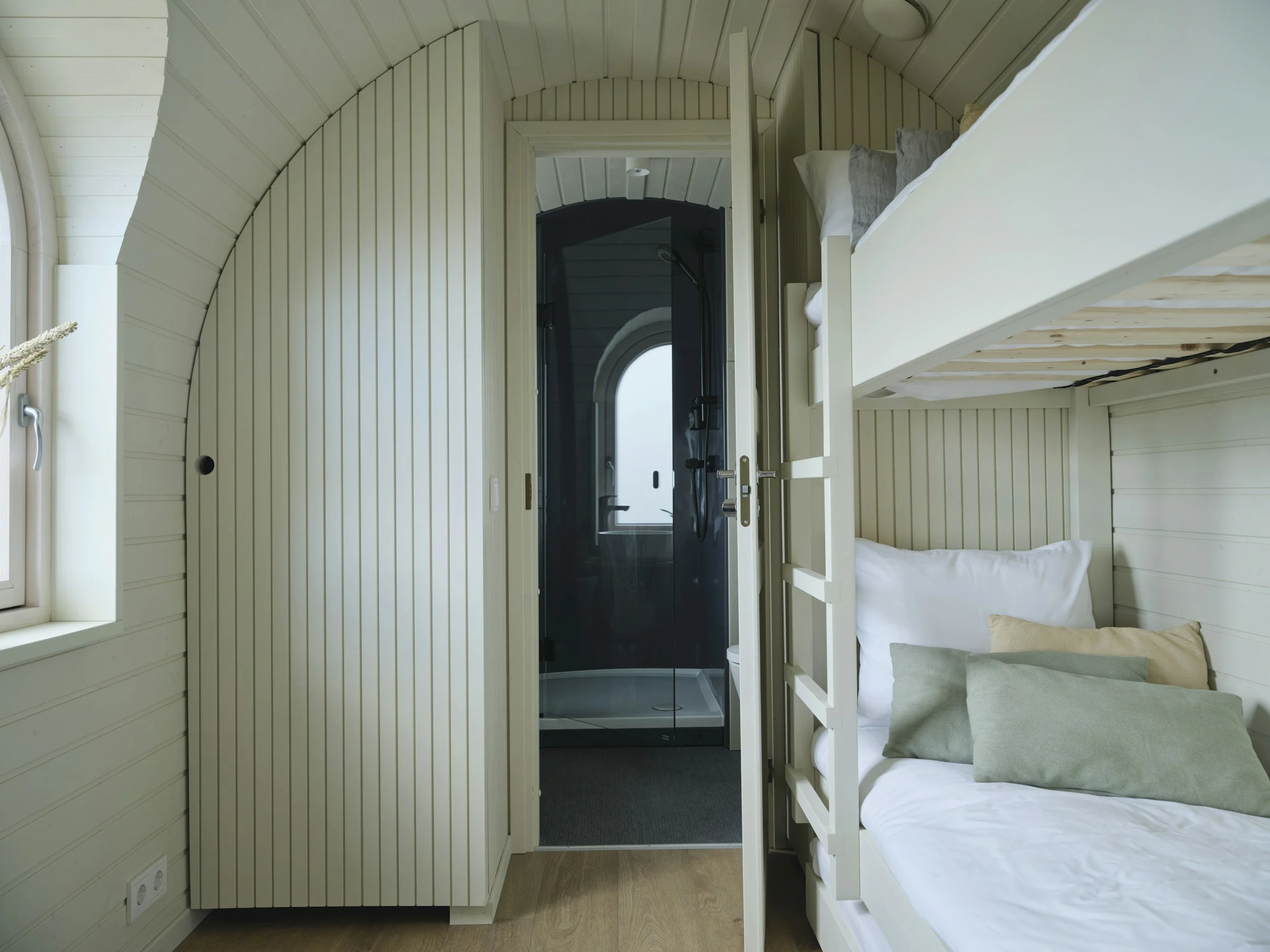
Lesson 5: Cohesion Keeps Spaces Feeling Spacious
Tiny-home designers know this trick:
Use one consistent color palette throughout.
When your eye travels through a space without interruption, the home feels larger and more connected.
Even if rooms vary in purpose, harmony creates spaciousness.
How to Apply This Anywhere:
✔ Choose 3–5 core colors
✔ Repeat materials (wood, black metal, natural textures)
✔ Keep large pieces neutral
✔ Use accent colors sparingly
✔ Create visual continuity from room to room
Cohesion = calm. And calm is the superpower of great design.
Lesson 6: Every Inch Should Be Intentional
Tiny homes don’t have “dead corners” or “random chairs.”
Everything is curated and purposeful.
This intentionality eliminates clutter — visually and emotionally.
How to Apply This Anywhere:
✔ Edit ruthlessly
✔ Ask: “Do I love this? Do I use this?”
✔ Choose fewer, larger decor pieces (instead of lots of tiny items)
✔ Keep surfaces clear
✔ Invest in what gets used most
Intentional design is what separates a styled home from a stressful one.
Lesson 7: Zones Matter — Even in Small Spaces
One of the biggest misconceptions is that small spaces have to be one open blob of activity.
Not true.
Tiny spaces thrive when they’re divided into zones:
Sleep
Work
Lounge
Eat
Cook
Store
These zones can be defined by:
Rugs
Lighting
Furniture shape
Paint
Curtains
Bookshelves as dividers
Built-in nooks
How to Apply This Anywhere:
✔ Define clear functions (even in big rooms)
✔ Use rugs to divide open-concept living
✔ Add a small work nook to maximize ROI in STRs
✔ Use lighting to assign purpose to areas
Zones create clarity — and clarity makes a home feel more functional and peaceful.
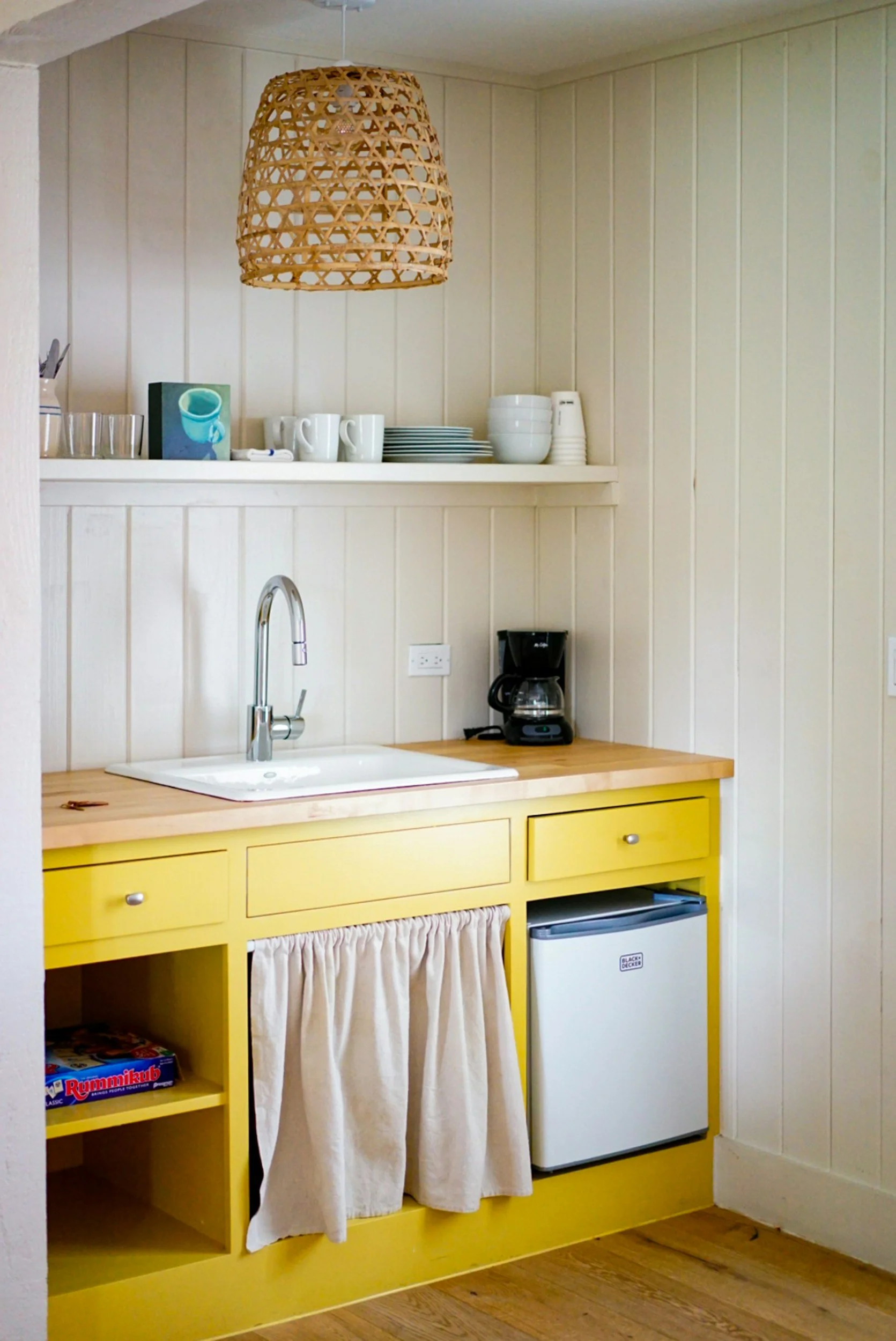
Lesson 8: Multi-Functionality Creates Freedom
Tiny homes make the most of multi-use designs:
A bench becomes hidden storage
A table becomes a desk
A bed becomes a lounge
A loft becomes a closet
A stool becomes a side table
This is design efficiency at its best.
How to Apply This Anywhere:
✔ Choose flexible furniture
✔ Think “one piece, multiple uses”
✔ Use ottomans for seating + storage
✔ Opt for nesting tables
✔ Consider murphy beds or daybeds
✔ Use stools as multipurpose surfaces
Multi-functional spaces are the future — especially for STRs and modern living.
Lesson 9: Texture Adds Warmth Without Clutter
Small spaces can feel stark if everything is smooth and minimal.
That’s where texture becomes essential.
Add warmth through:
Linen
Bouclé
Rattan
Woven baskets
Layered rugs
Throw blankets
Soft woods
Clay tones
Handcrafted decor
Texture creates visual interest without visual noise.
How to Apply This Anywhere:
✔ Layer textiles
✔ Mix soft and structured materials
✔ Add plants for organic volume
✔ Use one dramatic texture per space (like a chunky throw)
Texture is the heartbeat of warm minimalism — and tiny spaces do it beautifully.
Lesson 10: Tiny Homes Are Built for Real Life — So Your Space Should Be Too
Micro-living teaches practicality.
Everything must withstand:
Guests
Pets
Kids
Cooking
Cleaning
Daily wear
High-traffic living
This is why tiny-home principles overlap perfectly with:
✔ STR design
✔ Family-friendly homes
✔ Rental property design
✔ Small urban apartments
✔ Busy professional lifestyles
Durability isn’t optional — it’s part of the aesthetic.
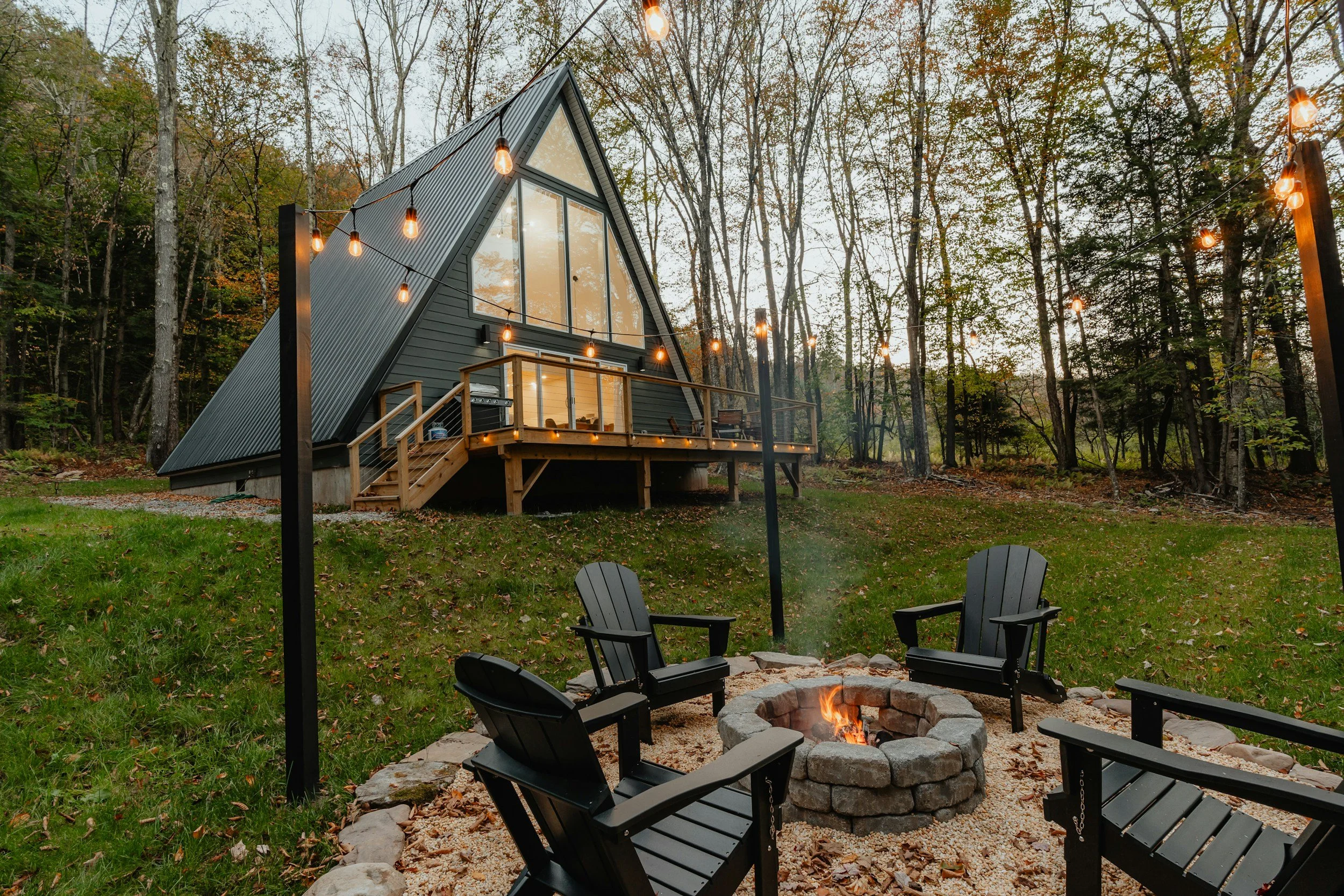
How Tiny-Space Principles Transform STRs (This Is Your Gold Mine)
If you want an STR that performs financially, micro-living design is your strongest strategy.
Here’s why:
⭐ Tiny-space design photographs beautifully
Cohesive color palettes + intentional styling = scroll-stopping photos.
⭐ It maximizes guest comfort
Clear flow + functional zones = happier guests.
⭐ It reduces clutter
Fewer items = easier turnovers.
⭐ It increases perceived value
Clean, clever design feels high-end.
⭐ It prevents guest confusion
Smart layouts improve reviews.
⭐ It increases ADR
Styled, functional small spaces are highly desirable.
Tiny-space design isn’t just cute — it’s strategic.
Where a Designer Makes the BIGGEST Difference
Working with a designer — especially a tiny-space or STR specialist — helps you:
✔ Use every inch efficiently
✔ Avoid buying oversized furniture
✔ Improve flow instantly
✔ Build the perfect layout
✔ Create cohesive aesthetics
✔ Choose durable yet stylish materials
✔ Add hidden storage
✔ Design for photography
✔ Engineer a better guest experience
✔ Maximize your investment
Small spaces require creative problem-solving and technical precision.
Designers excel at both.
Final Thoughts: Micro-Living Is More Than a Trend — It’s a Smarter Way to Design
Tiny homes show us what’s possible:
Beautiful spaces created with intention
Efficient living without sacrifice
Homes that feel bigger than their footprint
Environments that support your well-being
Design that respects your time, energy, and lifestyle
Whether you’re designing a tiny home, a studio apartment, a compact Airbnb, or just a single small room — the principles of micro-living can transform your space.
If you want to bring these ideas into your own home or STR…
👇

If you are looking to transform your space, interested in Asheville real estate, or just want to say hi, I'd love to connect!
Not quite ready for a full on design project? Take a step towards transformation with the 30 Minute Home Refresh Guide.
READ MORE

Book a Call