Living in the Blue Ridge Mountains: What No One Tells You Before You Move
If you’ve been dreaming about living in the Blue Ridge Mountains, you’re probably picturing misty mornings, mountain views, quiet roads, and a slower, more intentional pace of life.
And yes — all of that exists here.
But mountain living in North Carolina also comes with realities that don’t show up in Instagram photos or relocation brochures. Some of them are charming. Some are inconvenient. A few can be deal-breakers if you’re not prepared.
This guide is for people seriously considering a move to the Blue Ridge Mountains who want the whole picture — not just the highlight reel.
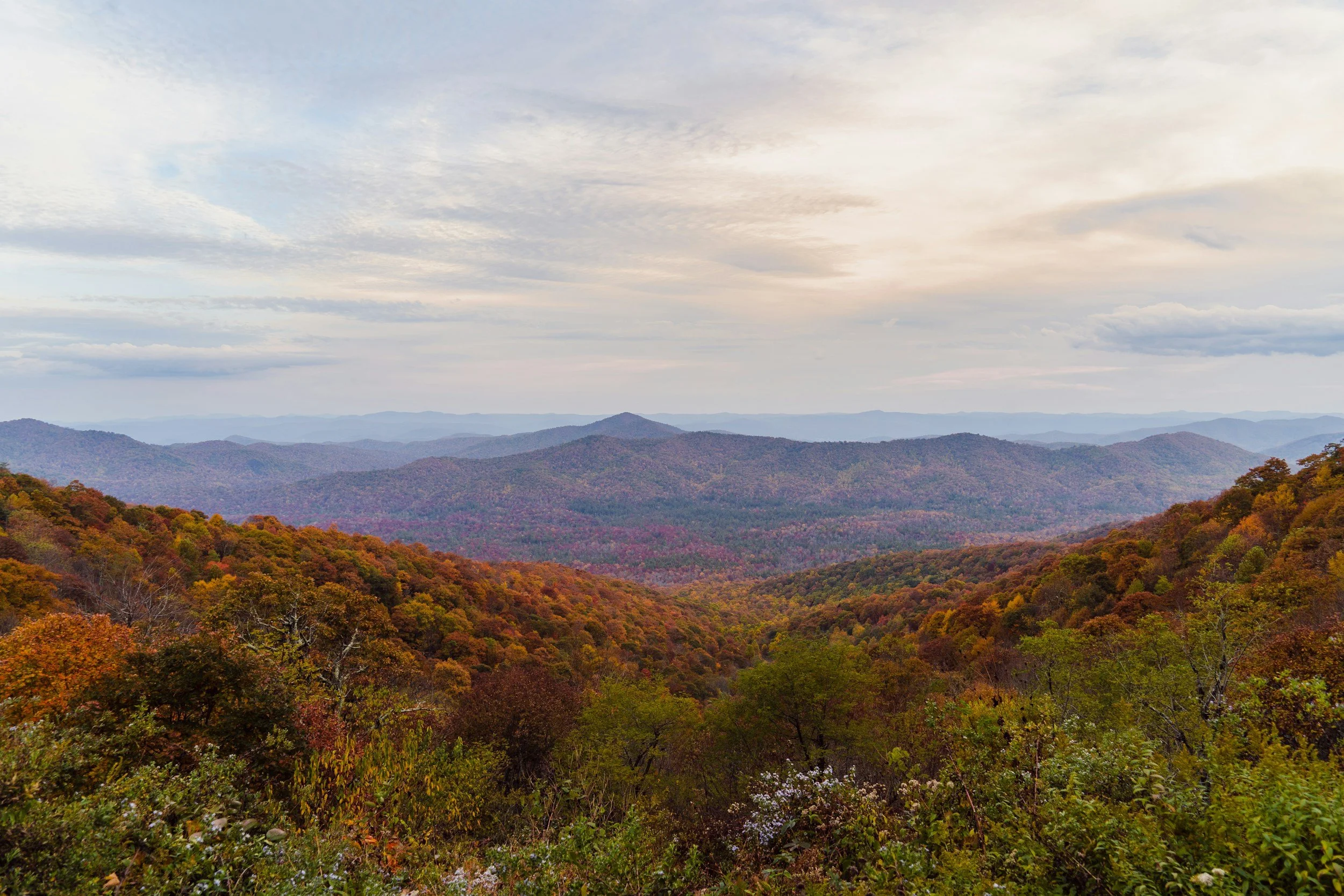
Why So Many People Are Moving to the Blue Ridge Mountains
Blue Ridge Mountains stretch across Western North Carolina and offer something many people are craving right now: space, nature, and a sense of grounding.
People move here for:
Cooler summers compared to much of the Southeast
Access to hiking, rivers, and outdoor life
Smaller communities and less congestion
A feeling of connection to place
But living here full-time is different than visiting — and that’s where the real learning begins.
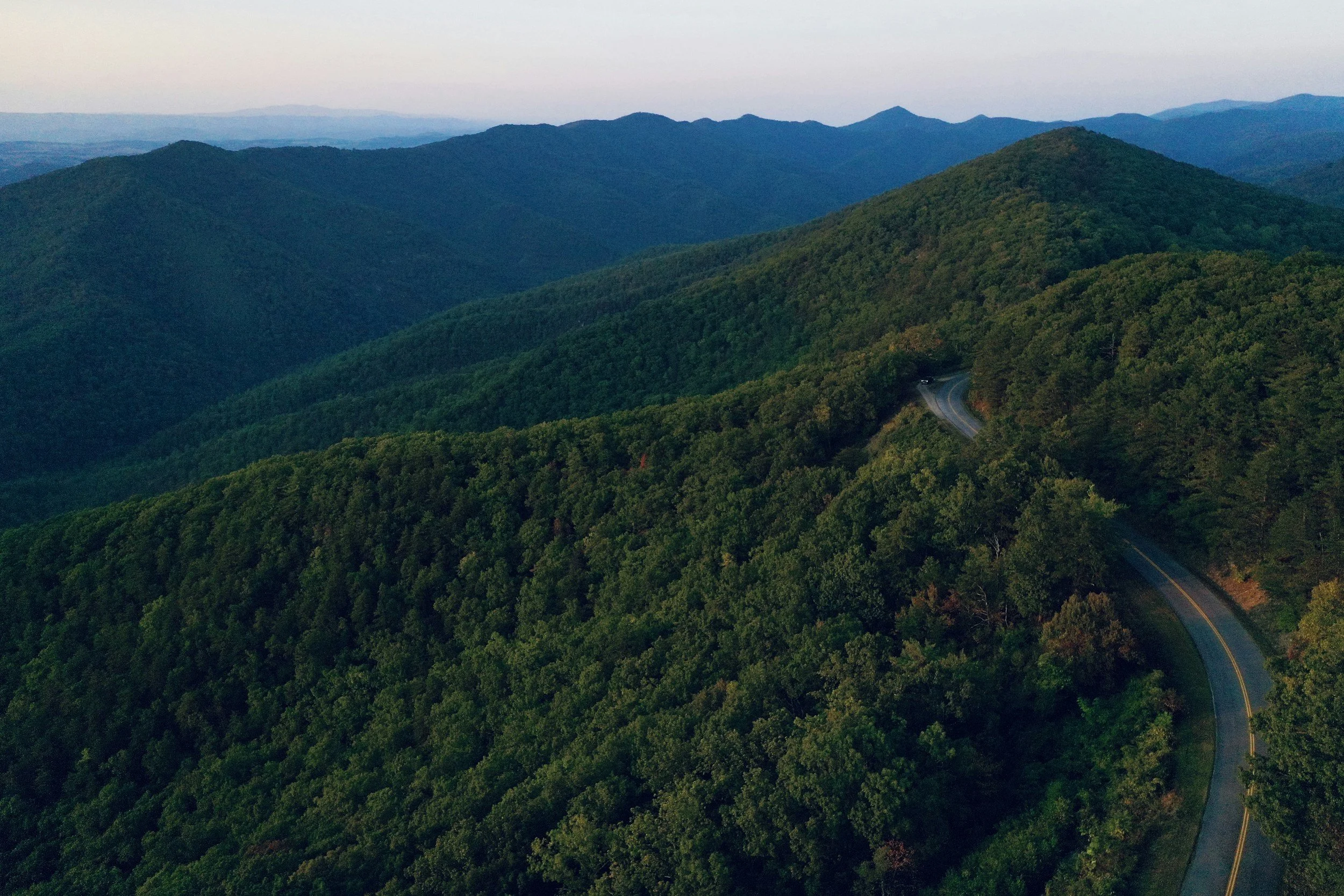
Weather Realities: Four Seasons, No Filter
Mountain weather is one of the biggest adjustments for new residents.
Winters Are Milder — But More Complicated
Winters in the Blue Ridge Mountains are generally milder than northern states, but they’re less predictable.
What surprises newcomers:
Snow isn’t constant, but when it comes, it can linger
Ice is often a bigger issue than snow
Temperatures vary dramatically by elevation
Sun exposure matters more than distance from town
A home at 2,500 feet behaves very differently than one at 3,500 feet — even a few miles apart.
Summers Are Cooler — But Humidity Still Exists
Summers are one of the biggest perks of mountain living.
Expect:
Cooler evenings
Fewer extreme heat waves
Afternoon storms in warmer months
However, humidity doesn’t disappear completely, and homes without proper airflow can feel stuffy if not designed or maintained well.
Roads, Access, and the Truth About “Just a Short Drive”
One of the biggest surprises for people moving to the mountains is how roads actually function.
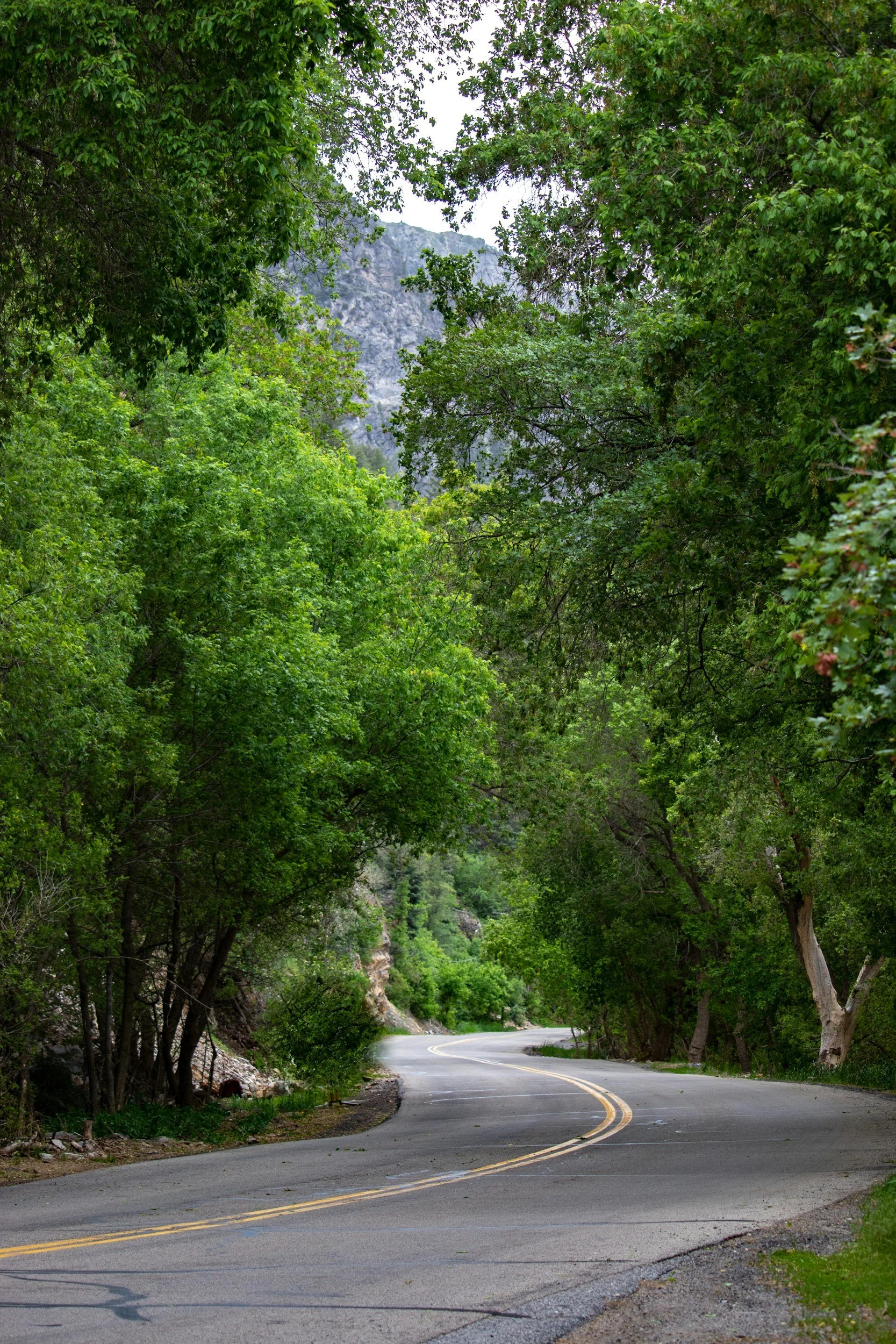
Mountain Roads Take Getting Used To
Curves, switchbacks, and elevation changes are normal
GPS time estimates are often optimistic
Night driving can feel very different than daytime
Fog can roll in quickly
What looks like a “15-minute drive” on a map may feel very different in practice.
Winter Access Matters More Than You Think
Before buying or renting, it’s important to understand:
Road maintenance responsibility
Steepness of driveways
Whether a property is on a state-maintained road
How neighbors access their homes in winter weather
These factors affect daily life far more than people expect.
Internet and Work-From-Home: Not All Mountains Are Equal
For remote workers, internet access can be one of the most important — and misunderstood — parts of mountain living.
Availability Varies by Road, Not Just Town
Two homes in the same general area can have completely different internet options.
Things to check:
Actual provider availability at the address
Upload speeds, not just download
Reliability during storms
Cellular service strength
Never assume internet access based on proximity to a town.
Power Outages Are Part of Life
Mountain living often means:
Occasional power outages during storms
Longer restoration times in remote areas
The need for backup plans if you work from home
Many full-time residents plan ahead with generators, battery backups, or flexible work arrangements.
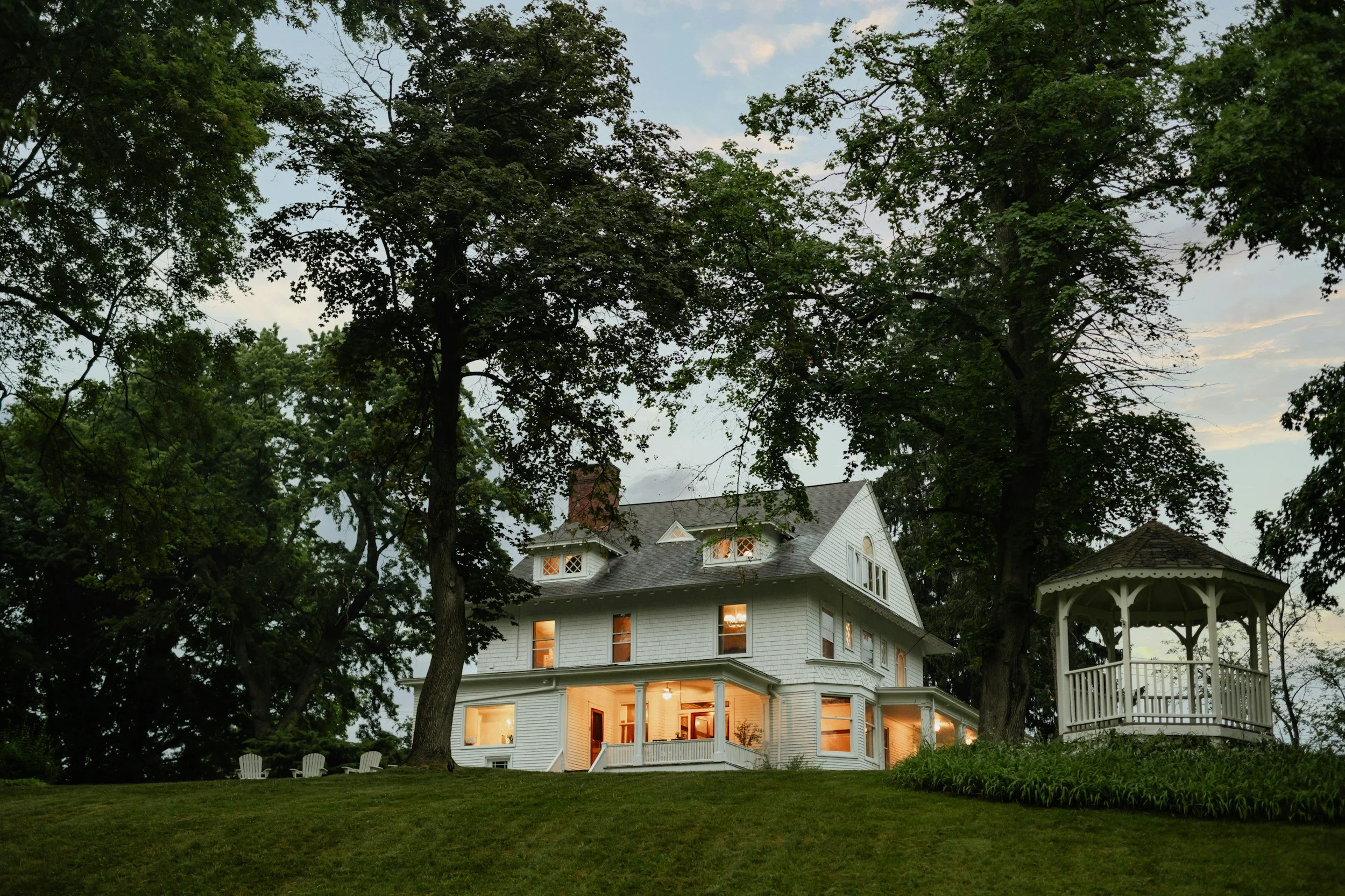
Community Culture: Friendly, But Not Flashy
Mountain communities tend to operate differently than larger cities.
Relationships Matter
In many areas:
People know their neighbors
Word of mouth travels fast
Reputation carries weight
Showing up with respect and curiosity goes a long way.
It Can Take Time to Feel “In”
Mountain towns are welcoming, but not always immediate.
Newcomers sometimes feel:
Like an outsider at first
Surprised by how long relationships take to build
Disconnected if they don’t engage locally
People who thrive here usually invest in community over time.
Services, Convenience, and Adjusted Expectations
Living in the Blue Ridge Mountains often means redefining convenience.
Things That Are Different:
Fewer late-night options
Longer drives to specialty services
Limited delivery availability in rural areas
Seasonal business hours
In exchange, you gain:
Quiet
Space
Slower mornings
A deeper connection to place
Wildlife, Nature, and Daily Life
Living close to nature is a gift — and a responsibility.
Expect regular encounters with:
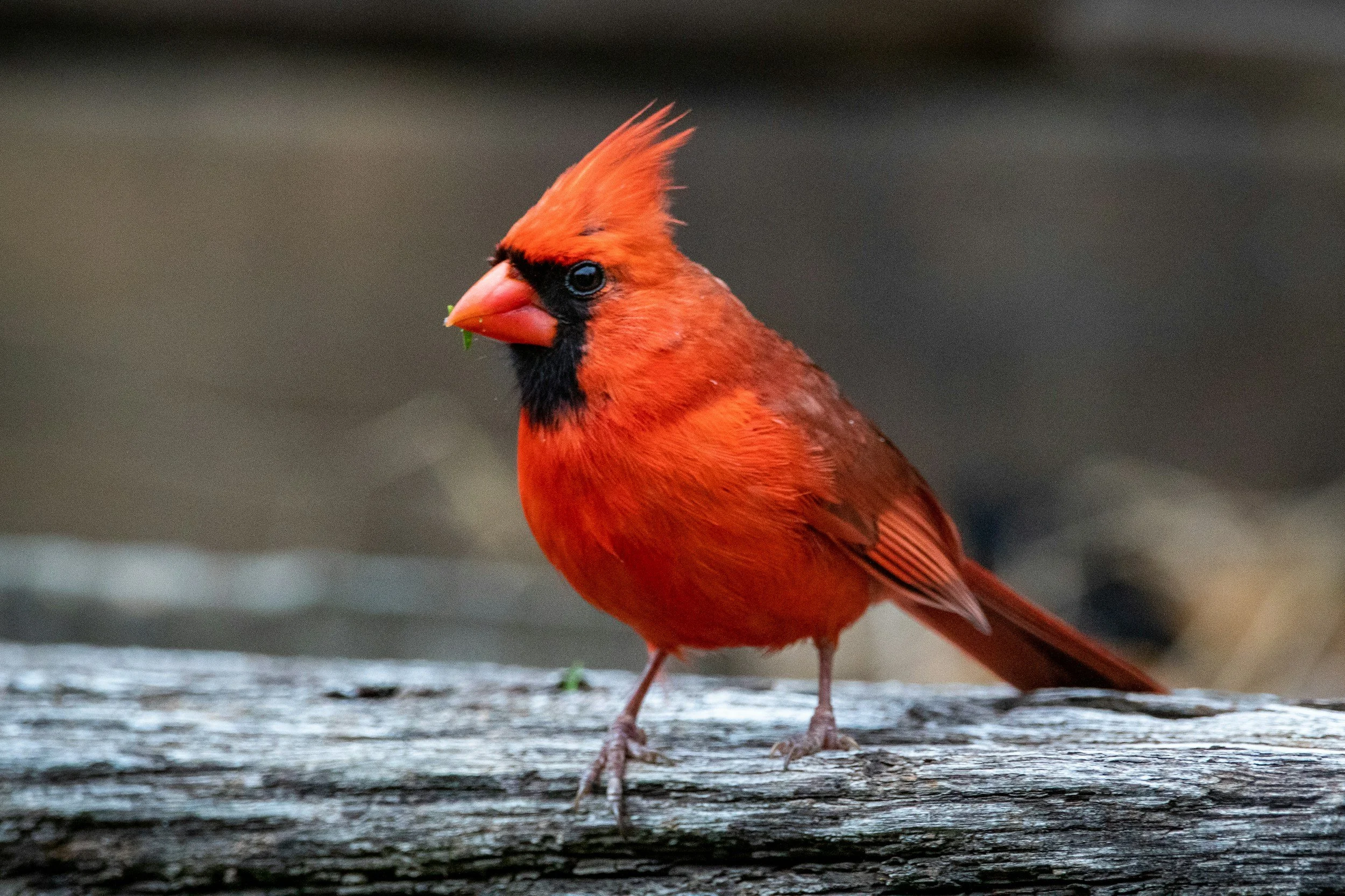
Bears
Deer
Wild turkeys
Snakes
This affects:
Trash storage
Landscaping choices
Pet safety
Gardening
Nature isn’t something you visit — it’s part of daily life.
Who Thrives in the Blue Ridge Mountains
Mountain living isn’t for everyone. The people who tend to thrive here share a few traits.
You’ll Likely Love It If You:
Value quiet and nature
Enjoy seasonal rhythms
Are comfortable with self-reliance
Don’t need constant stimulation
Appreciate community over convenience
You May Struggle If You:
Need instant access to everything
Dislike driving
Rely on constant high-speed infrastructure
Expect city-level services everywhere
Prefer anonymity
Honesty about your preferences matters more than enthusiasm.
The Pros and Cons, Honestly
Pros of Living in the Blue Ridge Mountains
Natural beauty year-round
Cooler summers
Strong sense of place
Outdoor lifestyle
Less noise and congestion
Cons to Consider
Weather variability
Infrastructure limitations
Longer drives
Fewer services nearby
Adjustment period for newcomers
Neither side is wrong — it’s about fit.
What People Often Wish They’d Known Before Moving
Many newcomers say they wish they’d:
Spent more time in winter before committing
Asked better questions about roads and access
Tested internet reliability firsthand
Understood elevation differences
Rented first before buying
Learning from others’ experiences can prevent costly surprises.
Final Thoughts: Living in the Blue Ridge Mountains Full-Time
Living in the Blue Ridge Mountains can be deeply rewarding — but only if you move here with realistic expectations.
This lifestyle offers beauty, grounding, and a slower pace. It also asks for patience, flexibility, and a willingness to adapt.
If you’re drawn to mountain living in North Carolina, the best move you can make is an informed one. The mountains give back generously to people who respect their rhythms.

If you’re weighing your options and want honest guidance without the sales pressure, I’m happy to help.
👉 Book a Connection Call Now
Thinking about buying or selling near Asheville NC?
READ MORE


Book a Call