The Real Cost of Living in Asheville & Western North Carolina (2026 Guide)
If you’re thinking about moving to Asheville or Western North Carolina, chances are you’ve already Googled “cost of living in Asheville NC” or “moving to Asheville cost.”
And while you’ll find plenty of national averages and outdated calculators, most of them miss what actually matters when you’re deciding whether this move makes sense for your life.
Because the real cost of living here isn’t just about housing prices.
It’s about lifestyle, tradeoffs, and the things no one explains until you’re already unpacking boxes.
This 2026 guide breaks down the true cost of living in Asheville and surrounding Western North Carolina towns, so you can decide whether it’s worth it and if so, where you’ll feel most at home.
Housing Costs in Asheville & Western North Carolina
Housing is the biggest line item for most people considering a move, and it’s where expectations most often collide with reality.
Asheville housing costs (2026 snapshot)
In Asheville, housing prices remain higher than many people expect for a mountain town.
Why?
Limited buildable land
Strong demand from out-of-state buyers
High appeal for second homes and remote workers
Desirable walkable neighborhoods
What surprises many transplants is that Asheville prices don’t always align with square footage. You’re often paying for location, character, and access rather than sheer size.
Smaller, well-located homes frequently outperform larger homes farther out.

Housing outside Asheville: where costs shift
Many buyers widen their search after seeing Asheville prices. Surrounding towns offer different price points and lifestyles.
Weaverville
Slightly lower housing costs than Asheville
Easy access to downtown Asheville
Strong community feel
Popular with families and long-term residents
Black Mountain
Charming, walkable downtown
Strong arts and outdoor culture
Very popular with second-home buyers
Waynesville
Slower pace and more space
Longer drive to Asheville amenities
Great value for buyers prioritizing affordability
Where you land depends on how you want to live day-to-day, not just what you want to spend.
Utilities, Taxes & Ongoing Monthly Costs
One thing many transplants don’t expect is how seasonal costs factor into living in the mountains.
Utilities
Utility costs can fluctuate depending on:
Elevation
Home age
Insulation quality
Heating system type
Older homes with charm often come with higher utility costs unless they’ve been thoughtfully updated.
Winter heating and summer cooling both matter here.
Property taxes
North Carolina property taxes are generally lower than many northeastern and west coast states, but rates vary by county and municipality.
What matters more than the tax rate is understanding:
County reassessments
City vs county taxes
How taxes factor into your long-term budget
This is where working with a local agent who understands the nuances really matters.
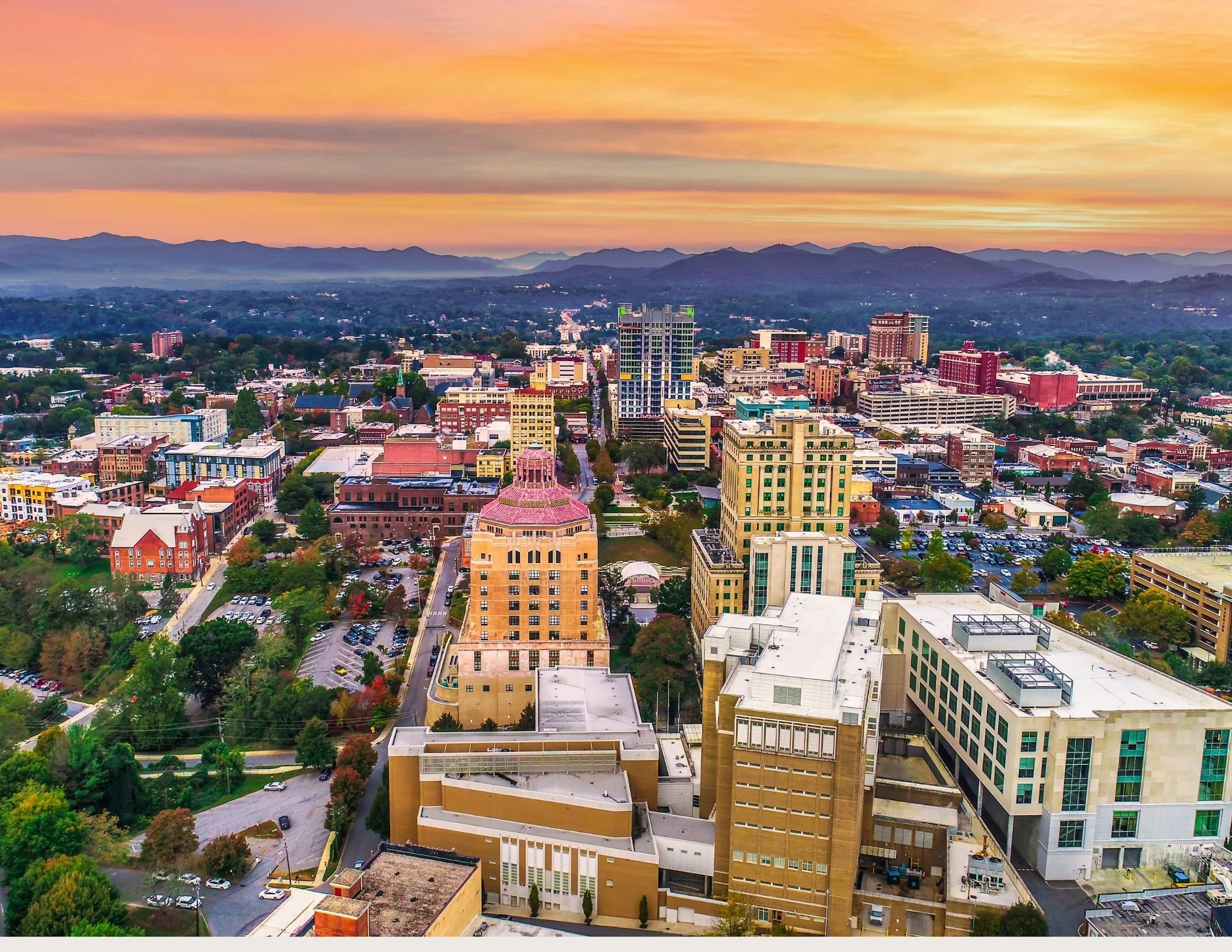
Asheville vs Surrounding Towns: Cost & Lifestyle Comparison
Asheville
Higher housing costs
Walkable neighborhoods
Strong restaurant and arts scene
Shorter drives, more congestion
Higher demand and competition
Weaverville
Slightly lower housing costs
Quieter residential feel
Quick Asheville access
Fewer short-term rental pressures
Black Mountain
Similar pricing to Asheville in prime areas
Strong sense of place
Excellent outdoor access
Popular with second-home buyers
Waynesville
Lower overall cost of living
More space and privacy
Longer drives for city amenities
Great value for budget-conscious buyers
Lifestyle Costs: What Daily Life Actually Costs Here
This is where Asheville and Western NC differ from many other places.
Food & dining
Groceries are slightly higher than national averages, especially for organic and specialty items.
Dining out ranges widely:
Casual local spots are affordable
Farm-to-table and destination restaurants add up quickly
Many residents balance dining out with home cooking

Outdoor recreation
One of the biggest perks of living here is how affordable outdoor recreation is.
Hiking, biking, and trails are free
National forests are close and accessible
No need for expensive gym memberships if you enjoy the outdoors
That said, gear adds up if you’re new to mountain living.
Healthcare
Healthcare access is solid, but specialized care may require planning.
Many transplants are surprised by:
Longer wait times for certain specialists
Limited options in smaller towns
The importance of choosing location strategically based on health needs
What Surprises Most People Who Move Here
After working with many relocation buyers, a few surprises come up again and again.
Asheville feels smaller than expected
Traffic patterns matter more than distance
Older homes require more maintenance
Weather varies dramatically by elevation
Community matters more than amenities
People who thrive here tend to value pace, place, and lifestyle over convenience and speed.
“If You’re Coming From…” Relocation Reality Check
If you’re coming from a major metro area
You may find:
Lower housing costs than big cities
Fewer services within walking distance
Slower timelines for contractors and repairs
More emphasis on community relationships
If you’re coming from a rural area
You may notice:
Higher housing costs
More regulations and zoning rules
Better dining and cultural access
Less privacy in city neighborhoods
If you’re coming from out of state entirely
The biggest adjustment is often expectations. Asheville is unique. It doesn’t operate like a suburb, a resort town, or a major city. It’s a blend, and that blend isn’t for everyone.
Is the Cost of Living in Asheville & Western NC Worth It?

For many people, yes.
But only when expectations align with reality.
Living here often means:
Spending more on housing
Spending less on entertainment and commuting
Prioritizing quality of life
Choosing experiences over excess space
The people who are happiest here tend to be intentional about where they buy and why.
Why Working With a Local Agent Makes a Difference
Relocating isn’t just about finding a house.
It’s about understanding neighborhoods, costs, lifestyle tradeoffs, and long-term fit.
Online searches won’t tell you:
Which streets feel quiet vs tourist-heavy
How elevation affects weather and utilities
Which areas hold value long-term
What surprises buyers after they move
That’s where having a local agent who lives and works here matters.
Final Thoughts
The cost of living in Asheville and Western North Carolina isn’t cheap, but it’s intentional.
If you’re moving here for the lifestyle, the access to nature, the creative culture, and the slower pace, many people find the tradeoffs worth it.
The key is making a smart, informed decision from the start.
If you’re considering a move to Asheville or Western North Carolina and want honest guidance about where you’ll truly feel at home, let’s talk.
A connection call can help you understand neighborhoods, costs, and what makes sense for your goals before you make a move.

If you’re weighing your options and want honest guidance without the sales pressure, I’m happy to help.
Thinking about buying or selling near Asheville NC?
READ MORE




Book a Call