Tiny Home, Big Profit: Designing Small STRs That Guests Love
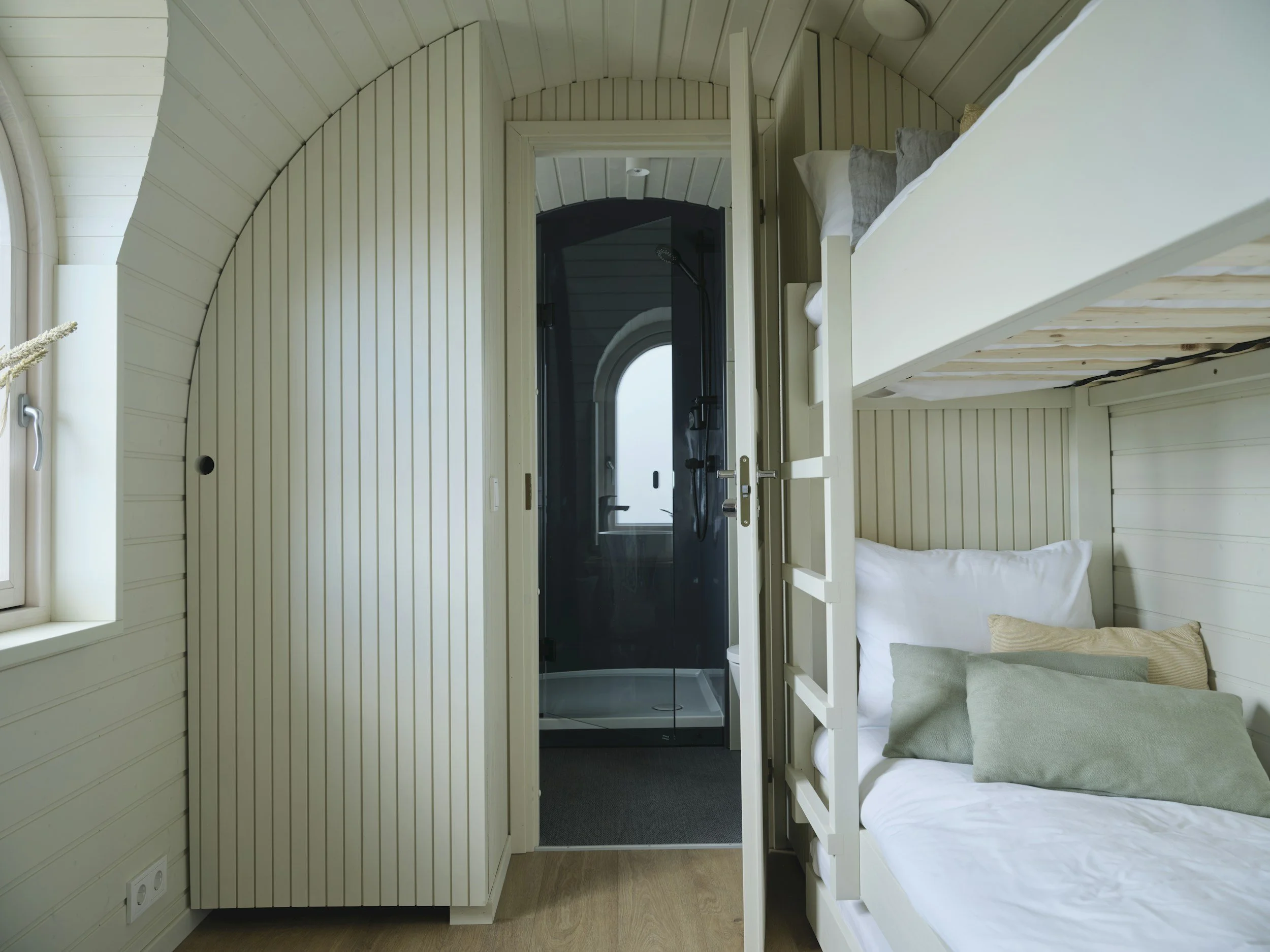
The short-term rental market has changed — and not quietly.
Guests today aren’t just looking for a place to sleep. They’re searching for a feeling — a little escape from the everyday, wrapped inside a memorable space. And nowhere is that more important than in tiny homes and small short-term rentals (STRs).
Small STRs aren’t just a trend. They are one of the smartest investment categories in hospitality right now.
According to Airbnb’s own Host Resource Center, small, well-designed spaces consistently outperform larger but generic listings — because guests are booking experience, not square footage.
And the real advantage?
Lower acquisition costs
Lower furnishing + utility costs
Flexible placement (mountains, lakefronts, backyards, ADUs, cabins, cottages)
And when designed intentionally — higher revenue per square foot
So yes: Tiny homes really can create big profit…
if they’re designed with strategy.
Because here’s the truth most hosts learn the hard way:
In small STRs, design isn’t just aesthetic.
It directly impacts comfort, reviews, and ROI.
Who This Is For + What You’ll Learn
This guide is for you if you:
Own or are planning to buy/build a tiny home as a short-term rental
Want your listing to feel high-end, intentional, and profitable
Want to create a small space that guests remember and recommend
You’ll learn:
What guests are actually looking for now
How to create comfort without crowding the space
Where to splurge vs. where to save
How to create a strong “wow factor”
How to make your tiny STR look amazing in photos (which drives bookings)
Why Tiny Homes Book So Well
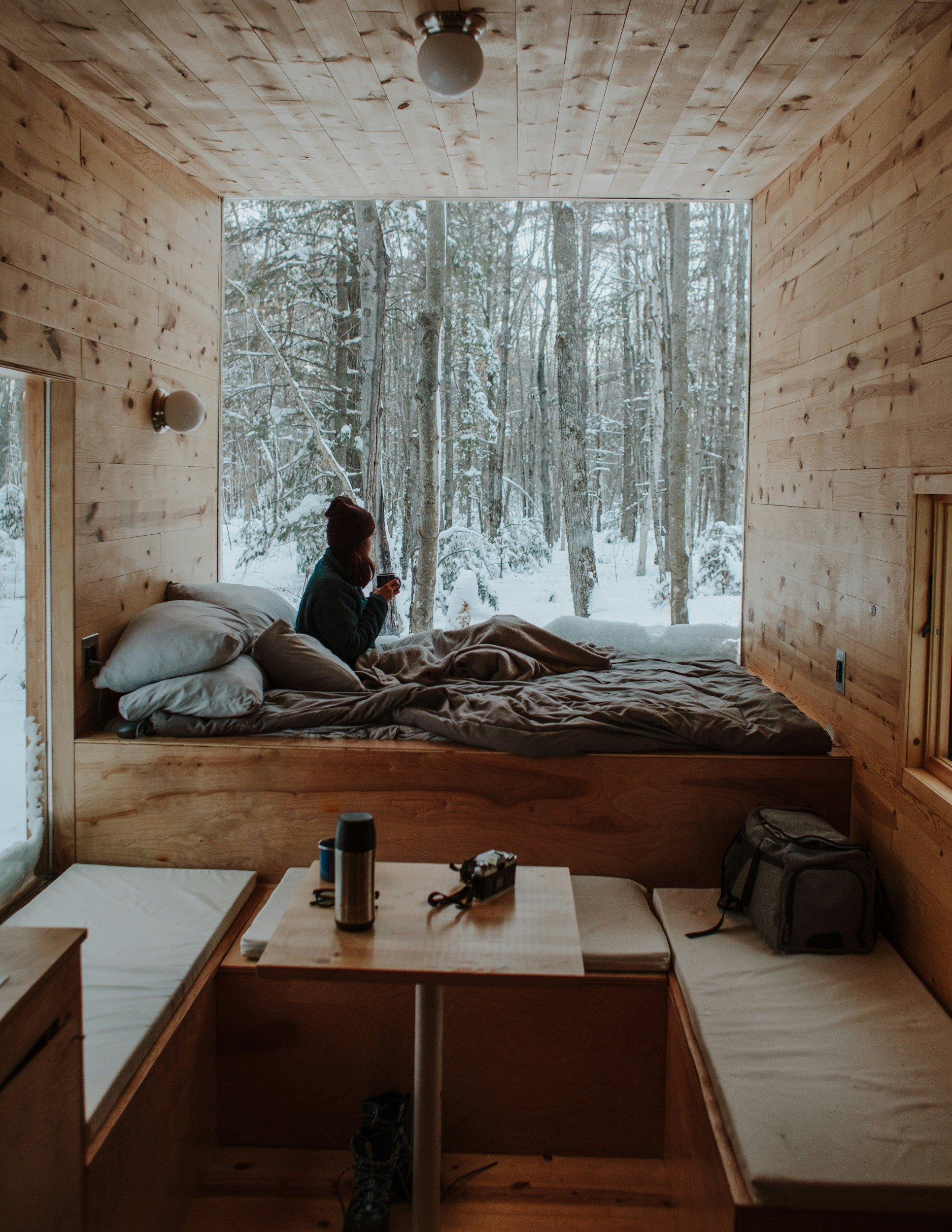
Tiny homes tap into a powerful emotional experience — simplicity, calm, novelty, nature, and escape.
The Tiny Home Association notes that tiny living is not just spatial — it’s psychological.
Guests love tiny STRs because they are:
Memorable
Cozy
Visually sharable
And when a space feels curated and comfortable, guests associate it with:
Care
Quality
Thoughtfulness
Which leads to:
Higher nightly rates
Stronger reviews
Repeat bookings
Tiny STRs perform because they offer identity, not just lodging.
Designing a Small STR That Feels Spacious and Calm
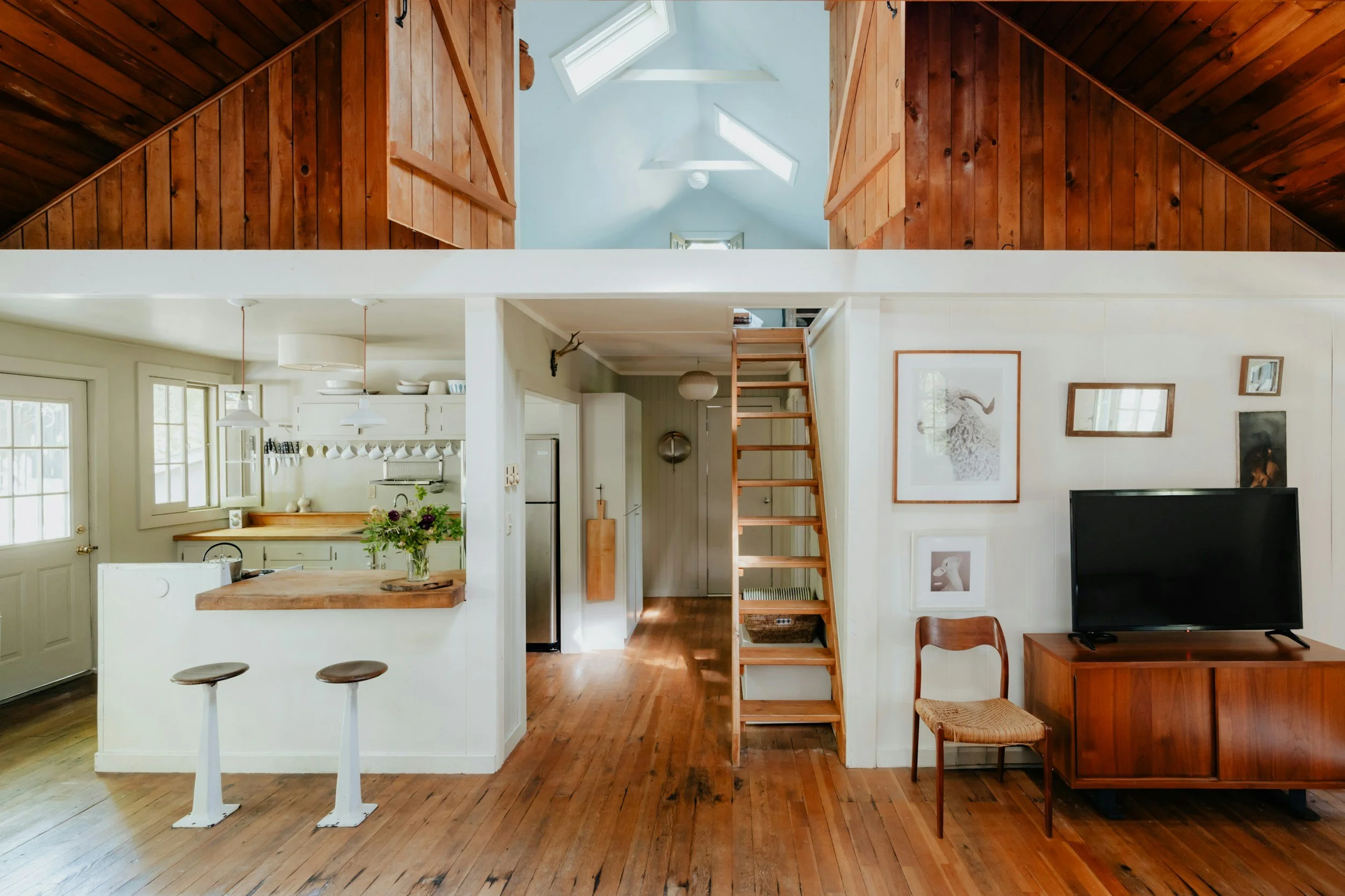
The secret isn’t to make a tiny home look bigger —
It’s to make it feel clear, usable, and restful.
1. Start With Flow, Not Decor
Before you buy a single throw pillow, think through:
Where guests put bags down
Where they sit to put on shoes
How they move between kitchen → bathroom → bedroom
Where drinks, books, and phones get set down
Small homes feel overwhelming when flow isn’t intuitive.
Spaces should feel effortless — not like problem-solving.
2. Comfort Is Non-Negotiable
Guests remember how the space felt in their body.
This starts with sleep and seating.
The Sleep Foundation's mattress research shows that sleep experience is the #1 factor influencing guest satisfaction — no surprise to hosts who’ve seen “the bed was uncomfortable” tank review averages.
Tiny STR Comfort Investments That Increase Reviews, Occupancy, and ROI
Designing a successful tiny short-term rental (STR) or small-space Airbnb isn’t about adding more furniture — it’s about making strategic comfort investments that improve the guest experience and directly impact bookings, reviews, and nightly rates.
In compact rentals, every design choice has to work harder. The following comfort upgrades consistently deliver strong returns in tiny STR design and small-space vacation rentals.
1. Invest in a High-Quality Mattress
Why it matters:
Sleep quality is one of the most important drivers of guest reviews in short-term rentals. A supportive, well-made mattress leads to better rest, fewer complaints, and higher ratings — all of which directly influence occupancy and long-term ROI in tiny Airbnbs.
2. Choose a Lounge-Friendly Sofa
Why it matters:
In small STRs, the sofa often serves as the primary relaxation zone. A comfortable, lounge-worthy sofa allows guests to unwind, watch TV, or gather comfortably, making the space feel larger and more livable despite the limited square footage.
3. Use Layered, Warm Lighting
Why it matters:
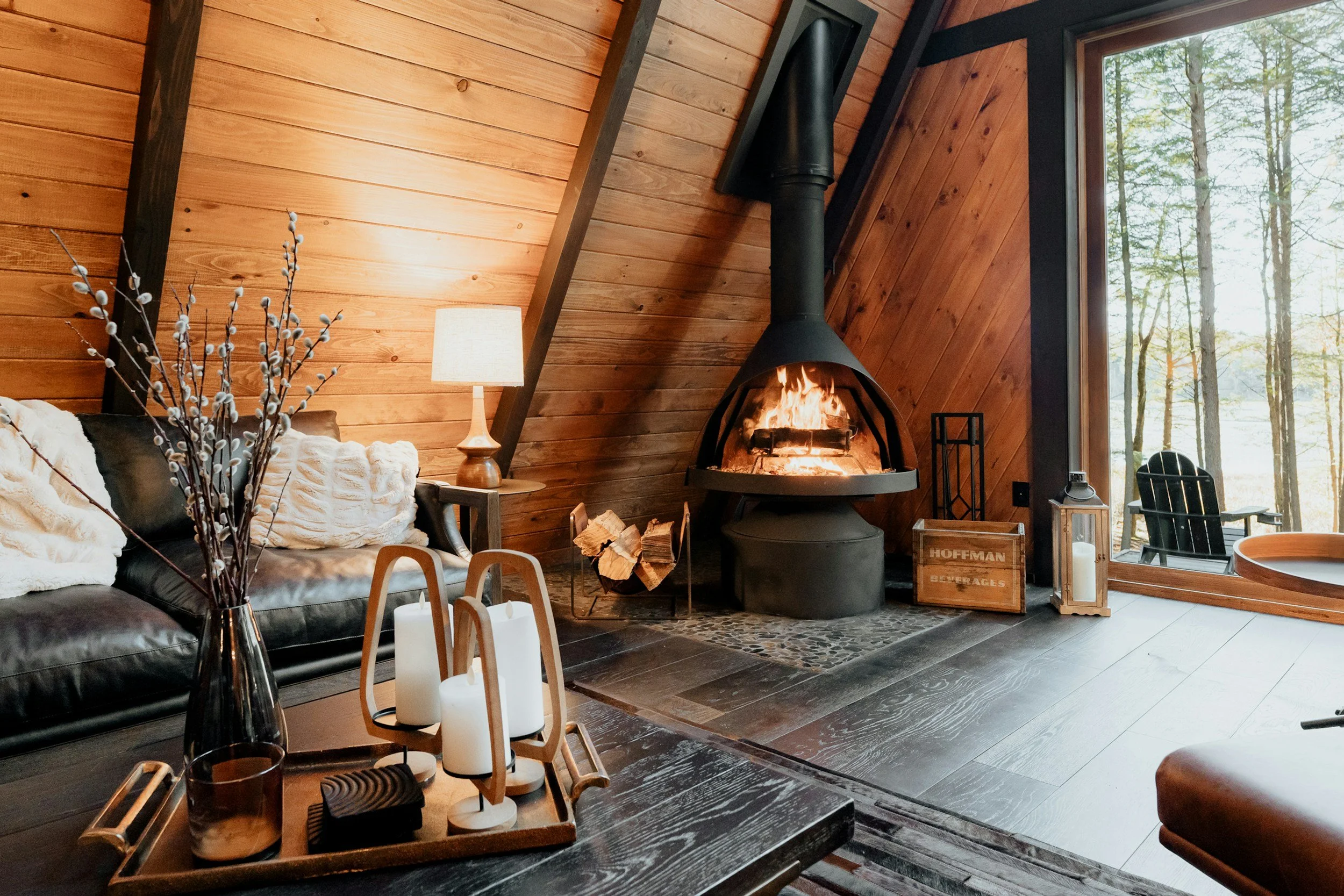
Layered lighting is essential in small-space STR interiors. According to Energy.gov, warm-temperature lighting helps reduce stress and create a calming atmosphere. In vacation rentals, this translates to a more inviting space that feels intentional, cozy, and thoughtfully designed.
4. Opt for Natural Fiber Bedding
Why it matters:
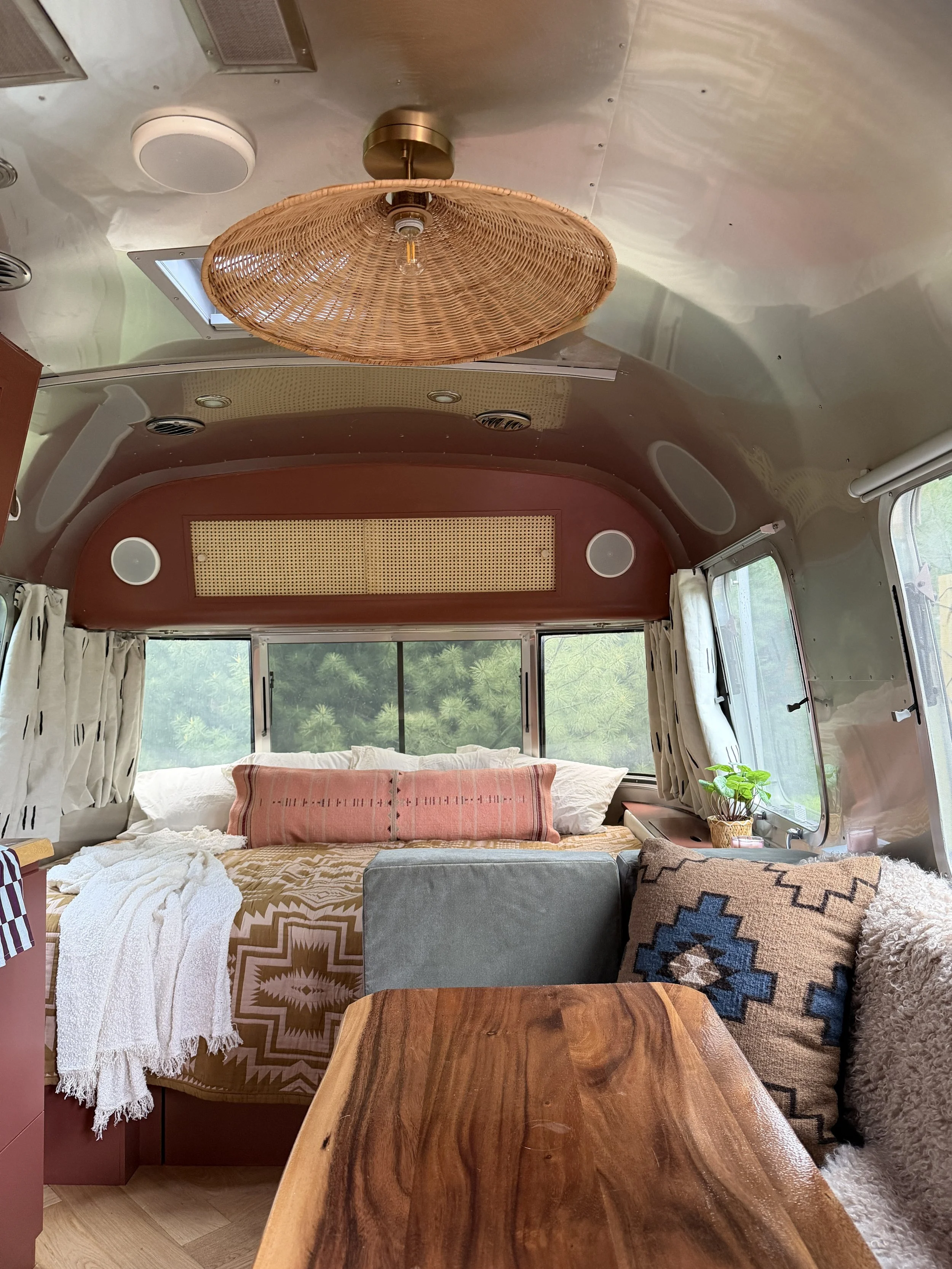
Bedding made from cotton, linen, or bamboo is breathable, durable, and visually elevated. These natural fibers regulate temperature better than synthetic options and signal quality to guests — a key differentiator in competitive short-term rental markets.
5. Add Soft Rugs and Textiles
Why it matters:
Sensory comfort supports emotional comfort. Rugs, curtains, and layered textiles soften hard surfaces, reduce noise, and make small spaces feel warmer and more finished — a critical factor in how guests perceive value in tiny STRs.
Why Comfort Is a Smart Investment in Tiny STR Design
In tiny short-term rentals and small Airbnbs, comfort is not a luxury — it’s a revenue strategy. When guests sleep better, relax more easily, and feel cared for, they leave stronger reviews, book longer stays, and are more likely to return.
Thoughtful comfort investments help small spaces compete with larger properties by delivering an experience that feels curated, intentional, and worth the price.
3. Multifunctional Furniture (Without Looking Like a Hack)
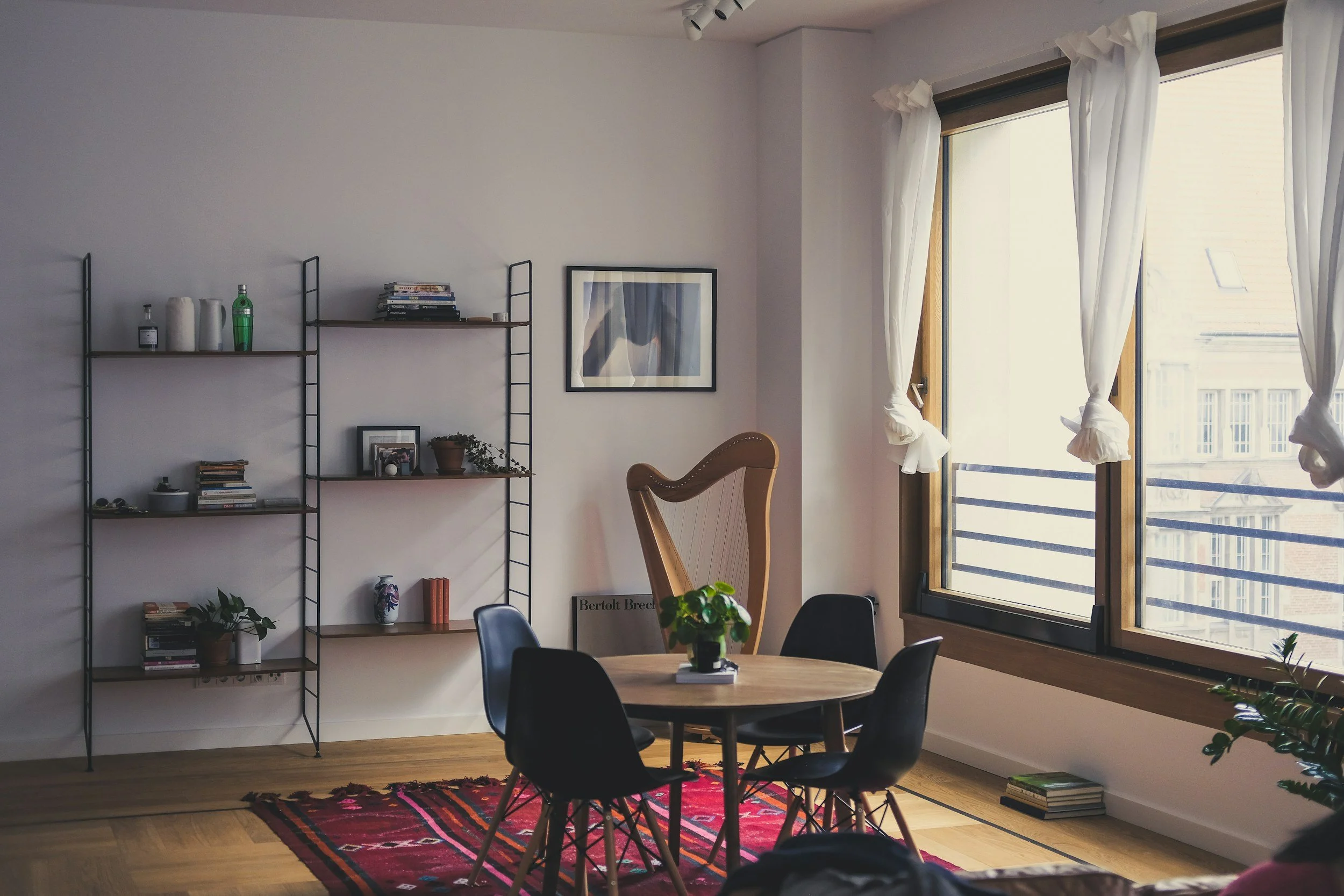
The goal is to maximize usability without clutter.
Think:
Built-in bench seating with storage
Queen bed with drawers underneath
Kitchen island that doubles as dining + prep space
Ottoman seating that also stores linens
Floating shelves instead of bulky cabinets
The furniture should feel custom and intentional, not improvised.
Design for Photos First (Because Bookings Start Online)
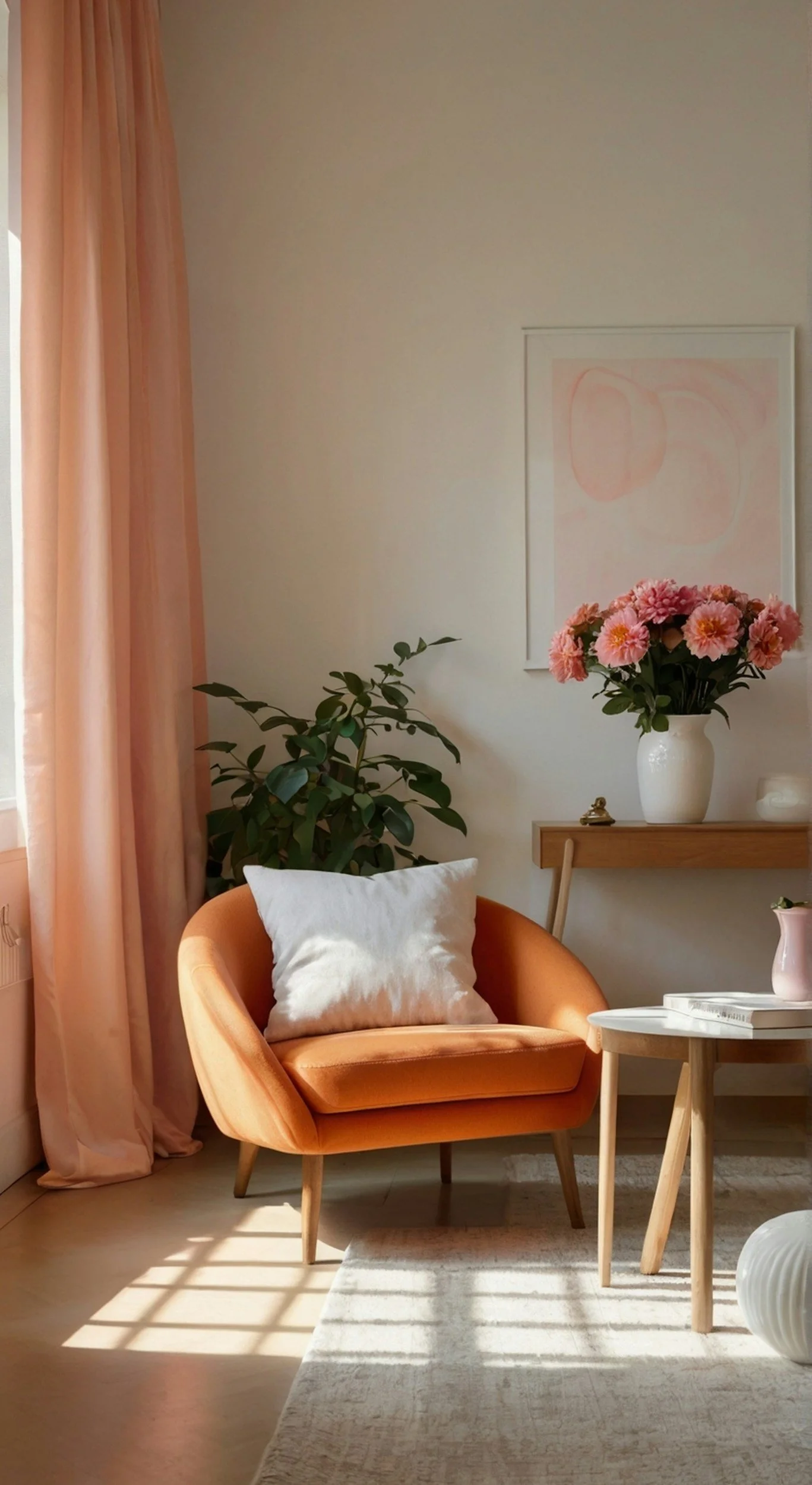
Guests meet your listing in photo form before real form.
So your visual tone should be:
Warm
Textural
Calm
Cohesive
Not overloaded with décor
For photography-forward styling inspiration, look at:
Dwell and Architectural Digest’s Small Space Features.
What photographs beautifully in tiny STRs:
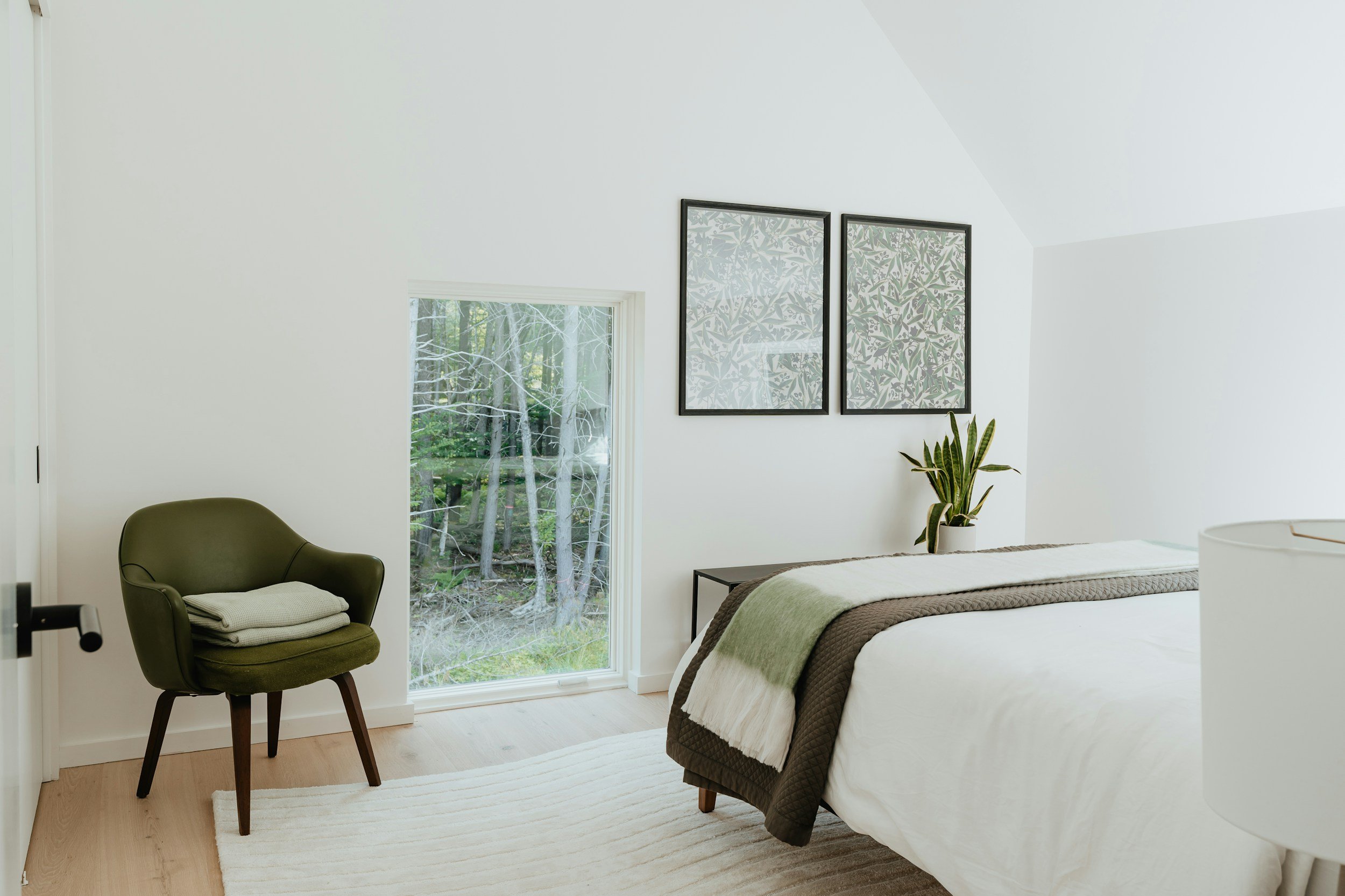
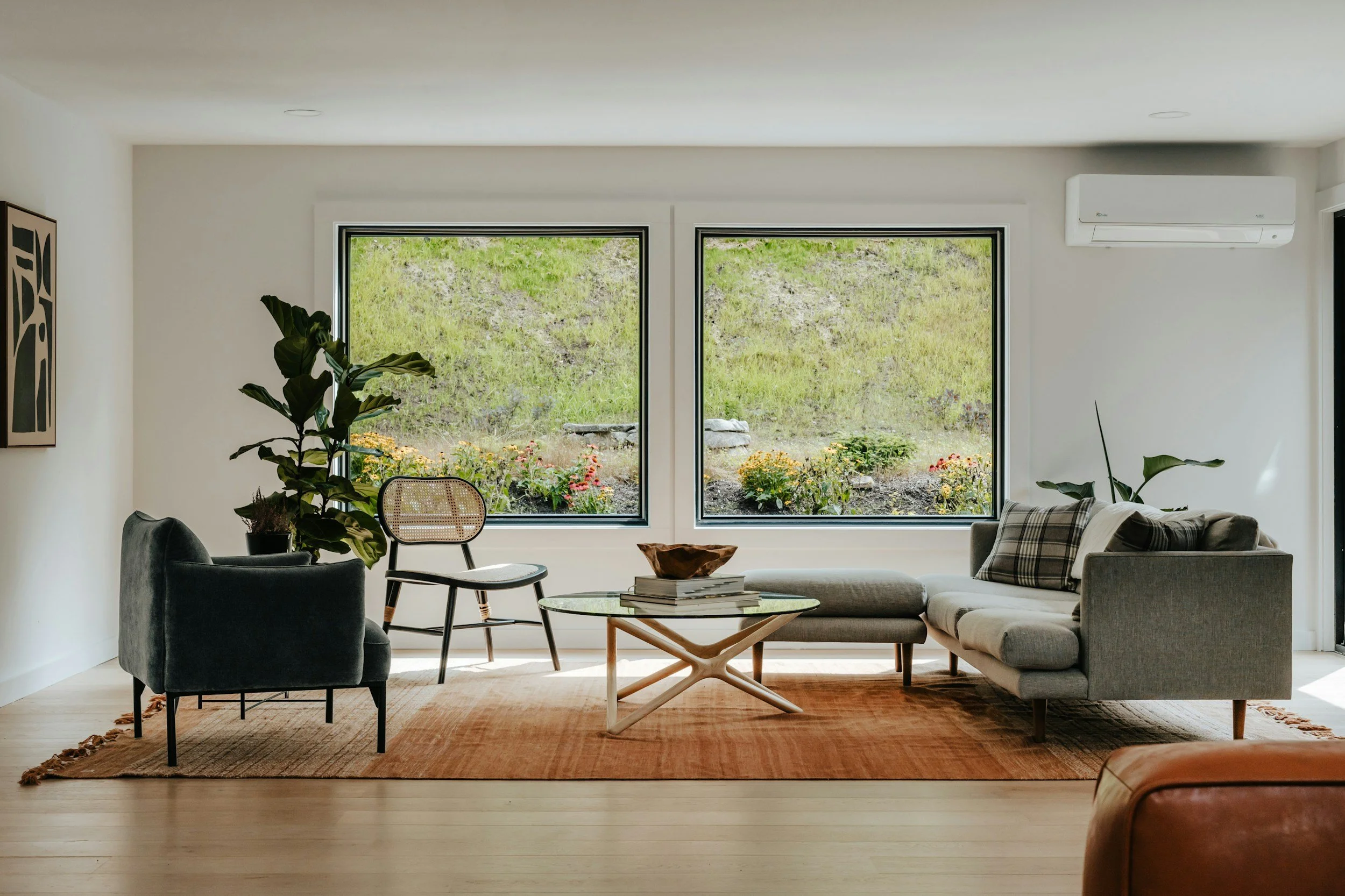
Earthy or neutral color palettes
Simple, natural fabrics
One signature decorative moment per zone
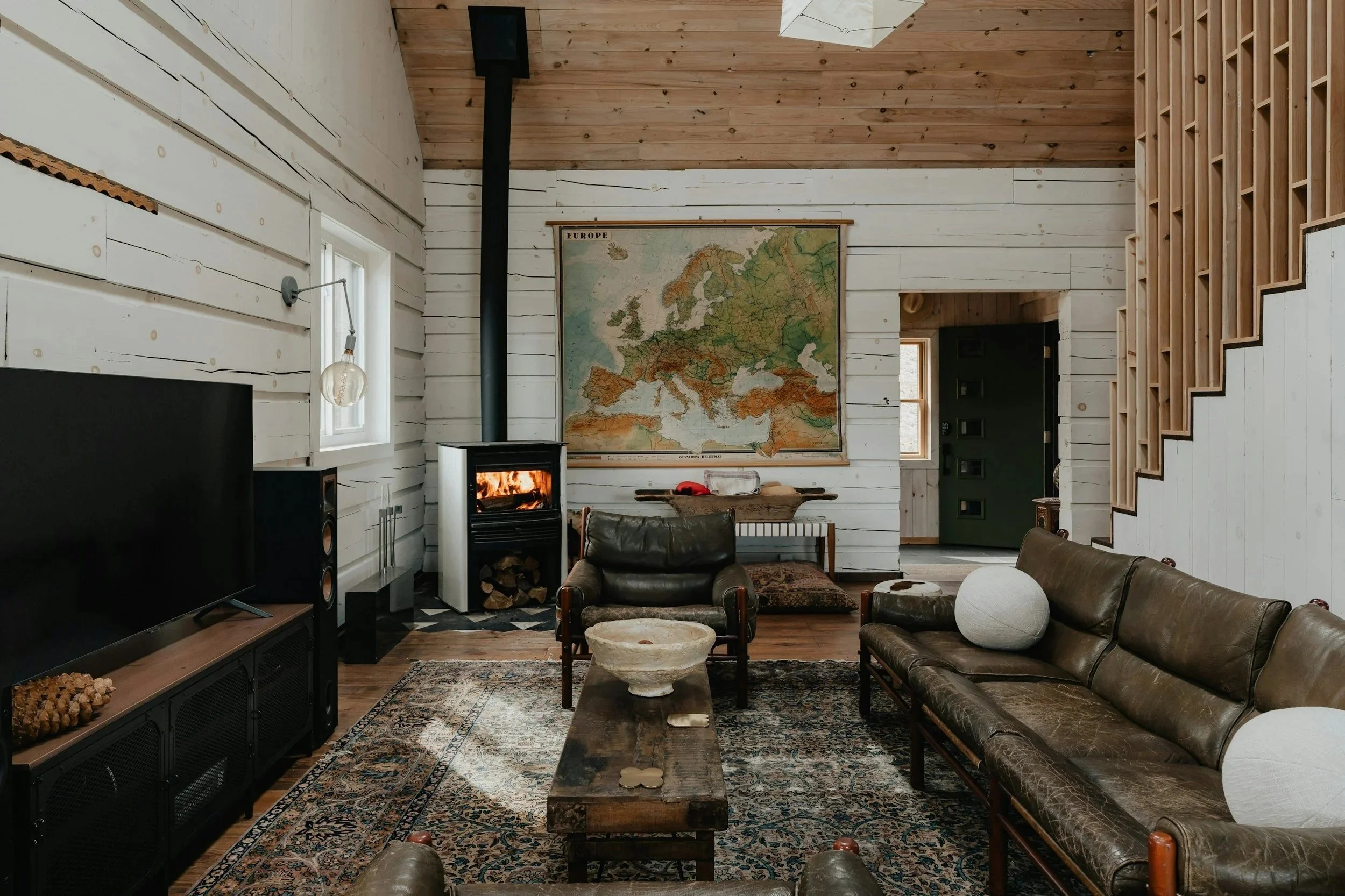
Visible textures (linen, wool, ceramic, raw wood)
Clean, uncluttered surfaces
Add One Signature “Wow" Feature
This is the memory hook — the moment that makes guests say:
“We need to stay here.”
Examples:
Window-side soaking tub
Reading loft with cushions + sconces
Skylight over the bed
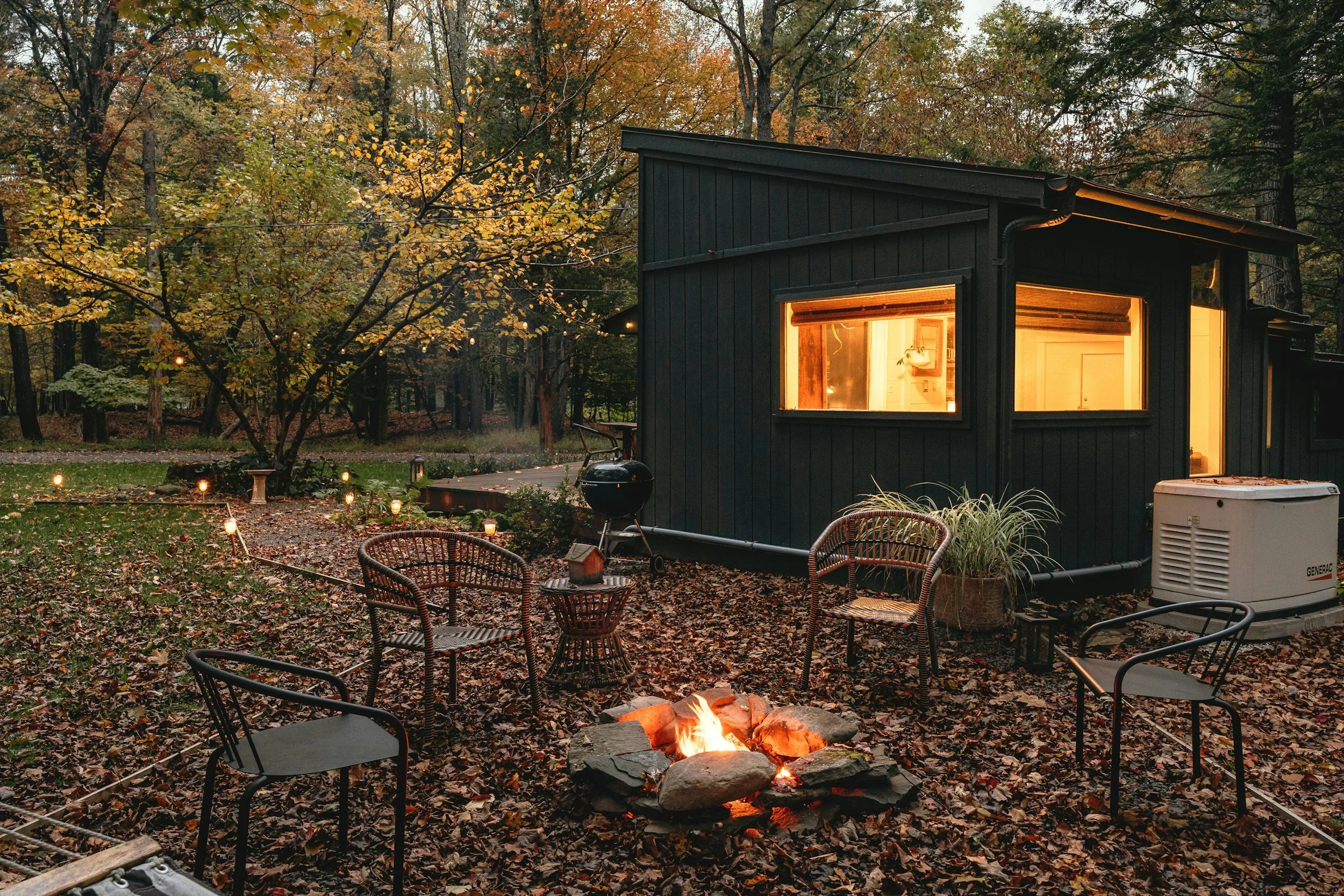
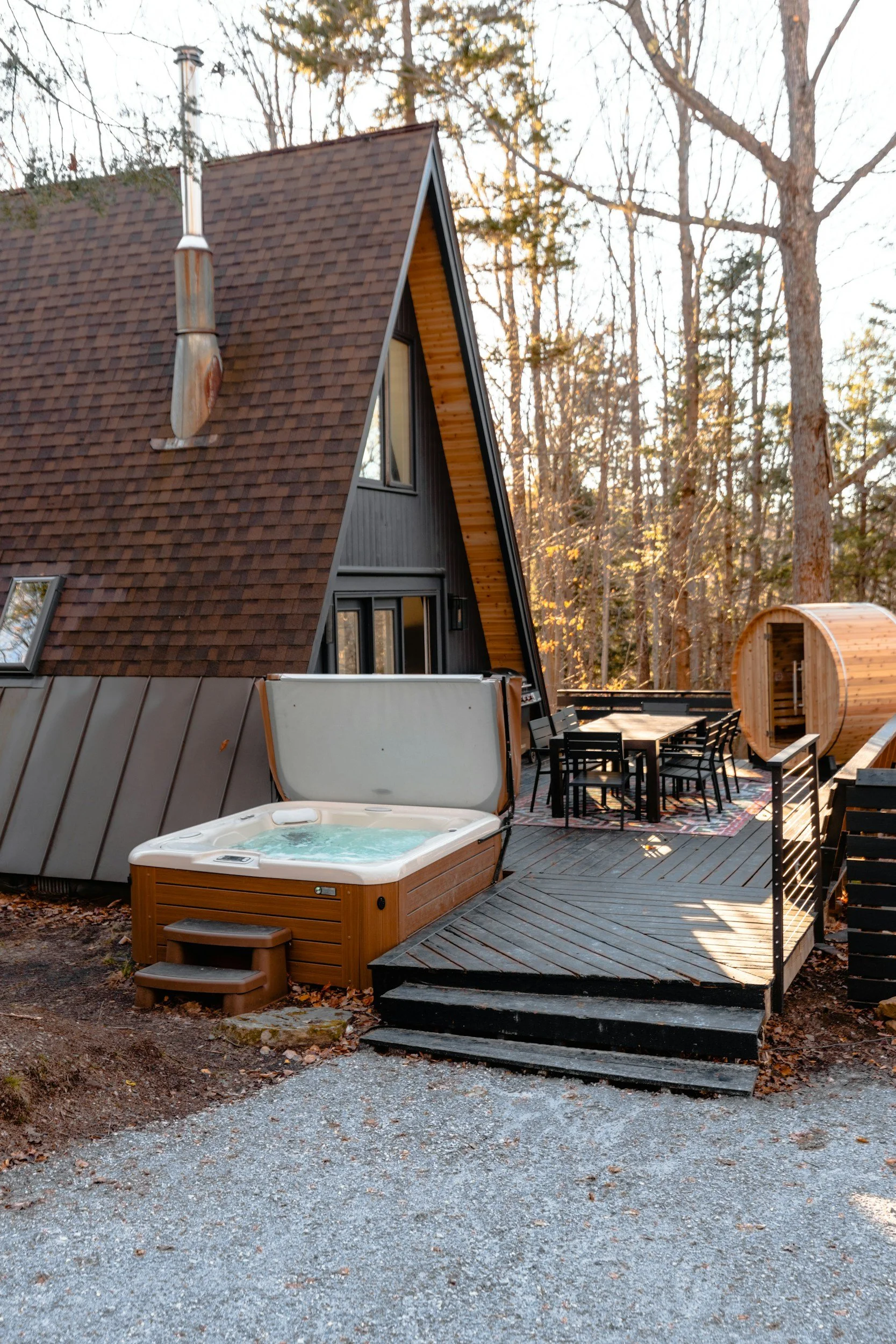
String-lit outdoor fire pit lounge
Hammock chair inside
Vinyl record nook with curated albums
Big picture window framing nature
This single feature can justify $30–140 more per night, depending on market.
And it makes your listing shareable — which is free marketing.
Outdoor Space = High-Impact ROI
Even the smallest porch or deck expands the perceived square footage.
High-performance outdoor elements:
Two comfortable chairs
Café table for the morning coffee moment
Soft warm string lights (2700K temperature — warm, not blue)
Potted plants or privacy screens
Fire pit if allowed in your area
Outdoor space is not aesthetic.
It’s emotional regulation.
It sells the stay.
What to Avoid: The Tiny STR Mistakes That Kill ROI
Tiny furniture that looks like dollhouse décor
Harsh overhead lighting with no lamps
Every wall covered in décor (visual overwhelm)
“Space Saving” furniture that’s uncomfortable
Too many patterns
Microfiber bedding (feels like a rental)
Décor signs telling guests how to feel (“gather” — they know)
Small spaces need clarity and restraint.
Every object has to belong.
Where to Splurge vs. Where to Save
Splurge
Mattress
Sofa
Bedding & towels
Lighting fixtures + lamps
One signature design feature
Save
Mirrors
Storage baskets
Accent tables
Wall décor (choose fewer, but meaningful)
Kitchen organization elements
The goal is comfort + cohesion, not volume.
Tiny Home STR Success Formula
Comfort + Cohesion + Character + Warm Lighting = Booked
If your tiny STR does those four things, consistently:
You will have:
Higher nightly rates
Steadier off-season bookings
Stronger reviews
Guests who return
Not because the space was big —
but because it was designed with care.
Ready to Turn Your Small STR into a High-Performing One?
This is where I come in.
I help Airbnb hosts, investors, and homeowners design small spaces that feel intentional, relaxing, and profitable — from layout to furniture to final styling and guest experience.
Step 1:
Download my free 30-Minute Home Refresh Guide for instant upgrades.
Step 2:
Book a Connection Call and let’s map out your STR design strategy.
Download the guide: LINK
Book a Connection Call: LINK
Because tiny spaces aren’t limiting.
They’re an advantage — when you design them well.
Tiny home, big profit. Let’s build yours.

If you are looking to transform your space, interested in Asheville real estate, or just want to say hi, I'd love to connect!
Not quite ready for a full on design project? Take a step towards transformation with the 30 Minute Home Refresh Guide.
READ MORE
Book a Call