Buying vs Renting in Asheville: Which Makes More Sense in 2026?
If you’re wondering should I rent or buy in Asheville, you’re in good company. This is one of the most common and important questions people face when moving to or living in Asheville — and in 2026, the answer depends far more on your personal situation than on headlines or blanket advice.
Asheville is not a typical housing market. It’s a lifestyle-driven city with limited inventory, steady demand, and wide variation between neighborhoods. That means the decision to rent or buy here isn’t just about monthly payments. It’s about flexibility, long-term plans, lifestyle priorities, and how you want your housing choice to support your life.
This guide breaks everything down clearly so you can make a confident, informed decision without pressure or guesswork.

Why the Rent vs Buy Question Matters So Much in Asheville
Asheville continues to attract remote workers, creatives, retirees, families, and second-home buyers. That demand has kept both home prices and rental rates relatively high, even as some national markets cool.
In 2026, people deciding whether to rent or buy in Asheville are navigating:
Interest rates that are higher than the ultra-low years
Rising rental prices across Western North Carolina
Limited housing inventory in desirable areas
Competition for well-located homes and long-term rentals
Because of this, the rent vs buy decision here has long-term financial and lifestyle consequences that are worth thinking through carefully.
Cost Comparison: Renting vs Buying in Asheville
Let’s start with the numbers. While exact costs vary by neighborhood and property type, these ranges reflect what many buyers and renters are seeing in 2026.
Renting in Asheville
Typical monthly rent ranges:
One-bedroom apartment: $1,600–$2,000+
Two-bedroom apartment or small home: $2,000–$2,600+
Single-family home: $2,400–$3,200+
Renting usually includes maintenance and repairs, and sometimes utilities or amenities. The upfront costs are lower, and you’re not responsible for long-term upkeep or unexpected expenses.
However, rent payments do not build equity, and increases are common year over year.
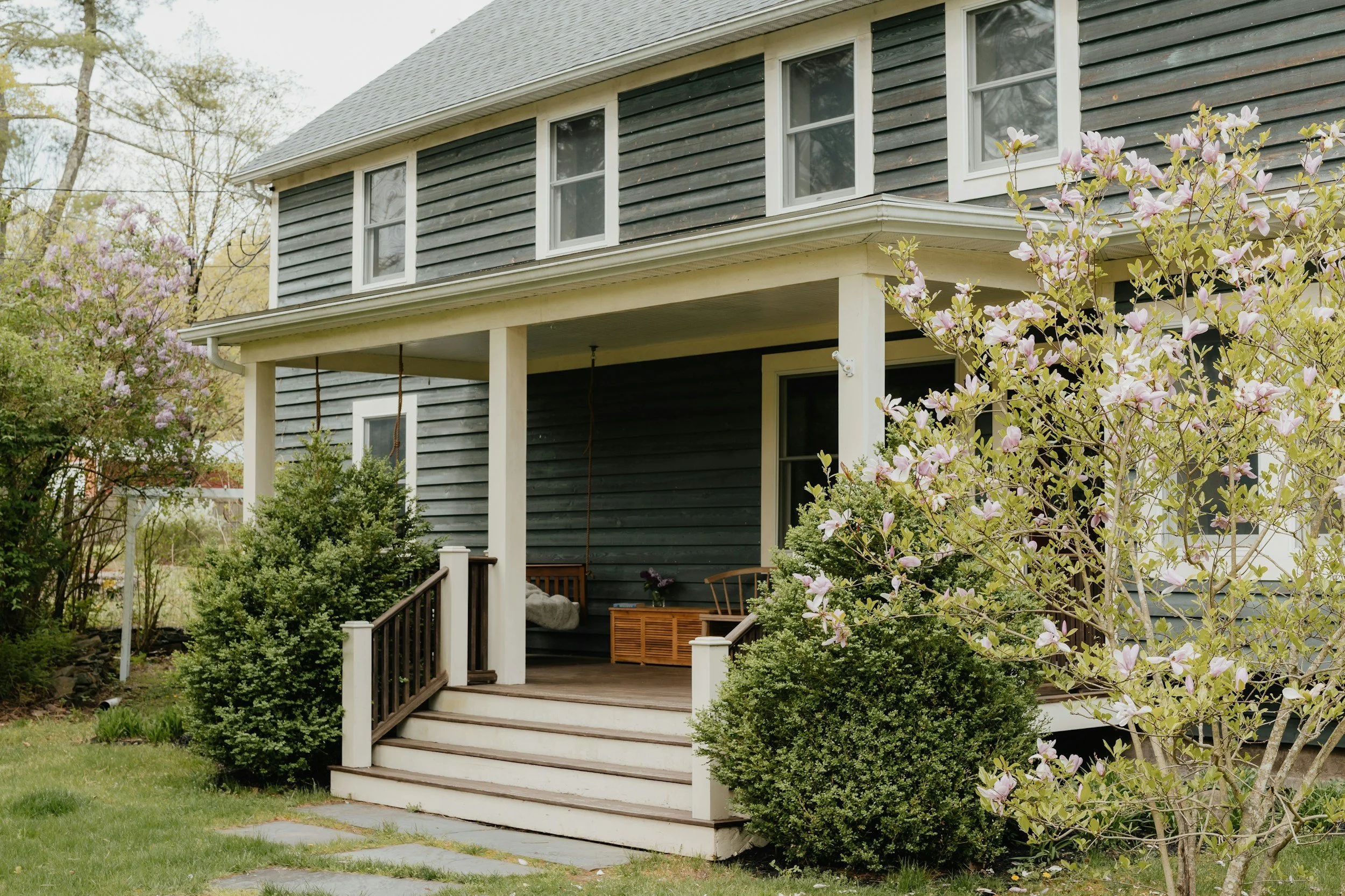
Buying a Home in Asheville
Typical purchase price ranges:
Condos and townhomes: $400,000–$550,000
Single-family homes: $475,000–$750,000+
New construction or premium neighborhoods: $750,000+
Monthly ownership costs include:
Mortgage payment
Property taxes
Homeowners insurance
Maintenance and repairs
While buying often costs more upfront, a portion of each payment goes toward ownership and equity, not just housing expense.
Long-Term Equity vs Short-Term Flexibility
At its core, the rent vs buy decision comes down to one key trade-off: long-term equity versus short-term flexibility.
Why Buying Builds Long-Term Value
Buying a home allows you to:
Build equity with each mortgage payment
Benefit from appreciation over time
Stabilize housing costs with a fixed-rate loan
Create future options, whether selling, refinancing, or renting later
In Asheville, long-term homeowners have historically benefited from steady appreciation driven by limited land availability and ongoing demand.
Why Renting Still Has Value
Renting offers:
Mobility and flexibility
Lower upfront costs
No responsibility for repairs
Easier relocation if plans change
Renting isn’t “throwing money away” if it supports your life stage or goals. It can be a smart, intentional choice in the right circumstances.
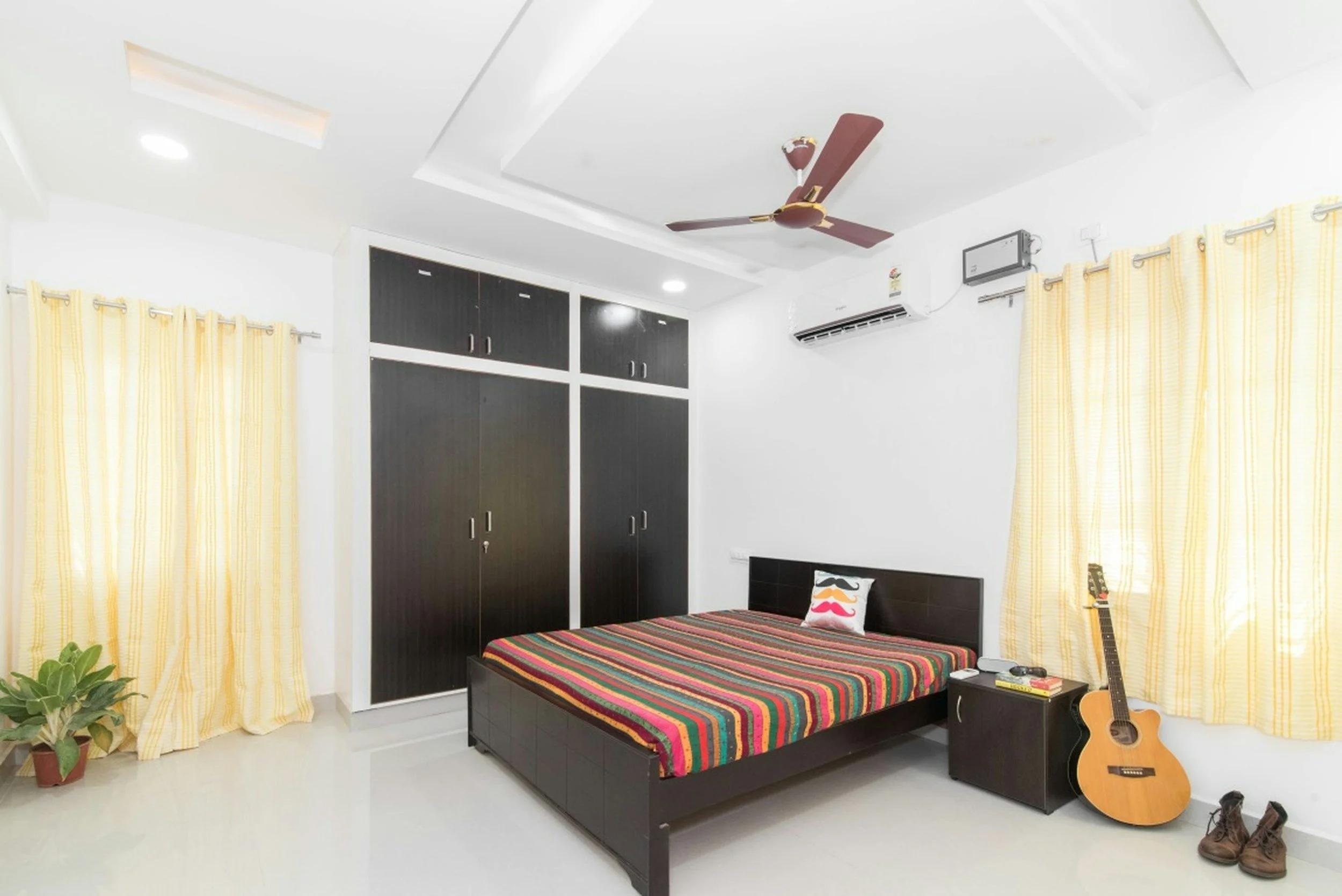
Rent Trends in Asheville and Western North Carolina
Rental prices across Asheville and surrounding towns have continued to rise over the past several years.
Contributing factors include:
Limited long-term rental inventory
High construction costs slowing new supply
Continued in-migration
Strong demand for walkable and centrally located neighborhoods
For many renters, annual increases are now expected, which narrows the gap between renting and buying over time.
When Renting Makes More Sense in Asheville
Renting can be the better option in several real-life situations.
You’re New to Asheville
If you’re relocating, renting allows you to:
Learn neighborhoods firsthand
Understand commute patterns and daily logistics
Experience different areas before committing
Many people benefit from renting for six to twelve months before buying.
You Plan to Move Within a Few Years
Buying comes with transaction costs. If your timeline is short, renting often makes more financial sense.
You’re Strengthening Your Financial Position
Renting can give you time to:
Improve credit
Save for a down payment
Reduce debt
Build income stability
You Prioritize Flexibility
Some people value the ability to move easily or avoid maintenance responsibilities. Renting supports that lifestyle.
When Buying Makes More Sense in Asheville

Buying often becomes the stronger choice in these situations.
You Plan to Stay Long-Term
If you expect to stay in Asheville for five years or more, buying gives time for appreciation and equity to offset upfront costs.
You Want Predictable Housing Costs
A fixed-rate mortgage protects you from rent increases and long-term uncertainty.
Your Rent Is Already High
When rent approaches or exceeds a mortgage payment, buying can redirect housing costs toward ownership instead of expense.
You’re Focused on Long-Term Stability
Homeownership remains one of the most accessible ways for many people to build long-term financial stability.
Real-Life Scenarios: Rent or Buy?
Scenario 1: Remote Worker Moving to Asheville
Rent first to explore neighborhoods and lifestyle, then buy once you know where you want to be.
Scenario 2: Family Planning to Stay
Buying offers stability, consistency, and long-term value.
Scenario 3: Creative or Variable-Income Professional
Renting or buying conservatively offers flexibility while income stabilizes.
Scenario 4: Long-Term Planner
Buying supports future options and equity growth.
A Simple Way to Decide
Ask yourself:
Will I stay in Asheville at least five years?
Are my rents increasing year over year?
Do I want flexibility or stability?
Am I financially prepared for ownership?
Your answers usually point clearly toward renting or buying.
Final Thoughts: Rent vs Buy in Asheville in 2026
There is no universally correct answer to the rent vs buy question. The best choice is the one that aligns with your timeline, finances, and lifestyle.
Asheville rewards thoughtful decisions. Whether you rent intentionally or buy with confidence, understanding the trade-offs puts you in control.
If you’re deciding whether you should rent or buy in Asheville, having a clear, local perspective can make the process far less stressful.
Book a call today and let's start the conversation.

If you’re weighing your options and want honest guidance without the sales pressure, I’m happy to help.
👉 Book a Connection Call Now
Thinking about buying or selling near Asheville NC?
READ MORE


Book a Call