Moving to Western North Carolina: Asheville vs Surrounding Mountain Towns

If you’re thinking about moving to Western North Carolina, you’re not alone. The region continues to attract people looking for a better pace of life, access to nature, strong community, and small towns with real character.
But one of the biggest questions relocators face is this:
Should I live in Asheville, or one of the surrounding mountain towns?
The answer depends less on price alone and more on how you want to live.
Western North Carolina offers a range of options within a short drive of each other, each with its own rhythm, culture, and trade-offs. This guide breaks down the differences between Asheville and several popular nearby towns so you can decide what truly fits your lifestyle.
Why This Decision Matters So Much in Western North Carolina
Western North Carolina isn’t a single market. It’s a collection of towns and communities that feel very different despite their proximity.
Someone who thrives in a walkable, cultural hub may feel disconnected in a quieter mountain town. Meanwhile, someone craving space, calm, and community may feel overwhelmed living in the city.
Understanding the differences before you move can save you time, money, and a lot of second-guessing.
Living in Asheville: The Cultural Hub
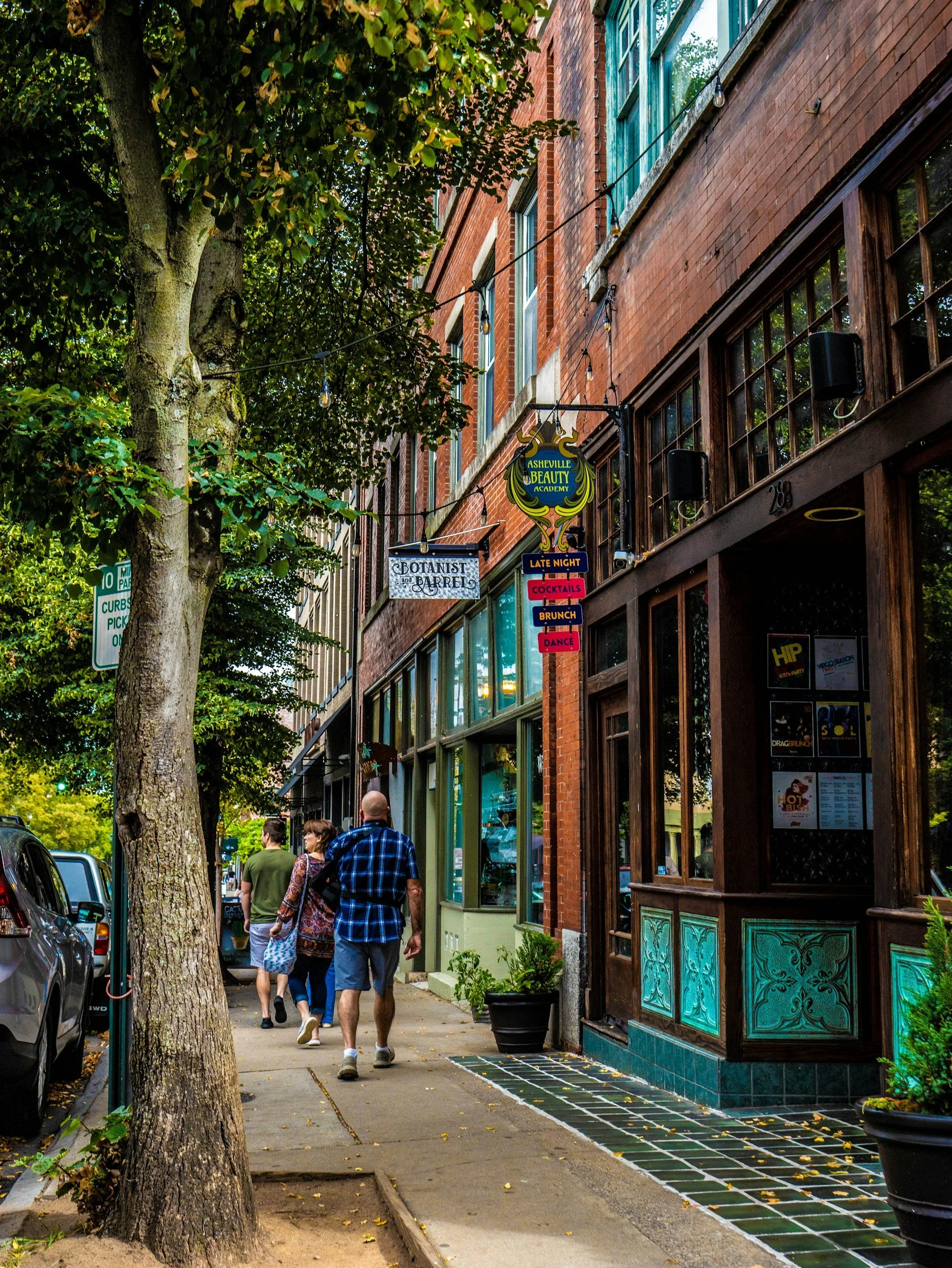
Asheville is the heart of the region. It’s where most people start their search — and for good reason.
Cost
Asheville generally has the highest home prices and rents in the region, especially in walkable or central neighborhoods.
Lifestyle
Strong arts and music scene
Restaurants, breweries, and events year-round
Walkable pockets depending on neighborhood
Energetic, social, and diverse
Commute
Most amenities are close, but traffic can feel heavy during peak times or tourist seasons.
Best Fit For
People who want culture and activity
Buyers who value walkability
Professionals and creatives
Those who want to be where things are happening
Trade-Offs
Higher cost of living
Tourism impact
Limited inventory in popular neighborhoods
Asheville works best for people who want a lively environment and are comfortable paying for location and access.
Asheville vs Weaverville
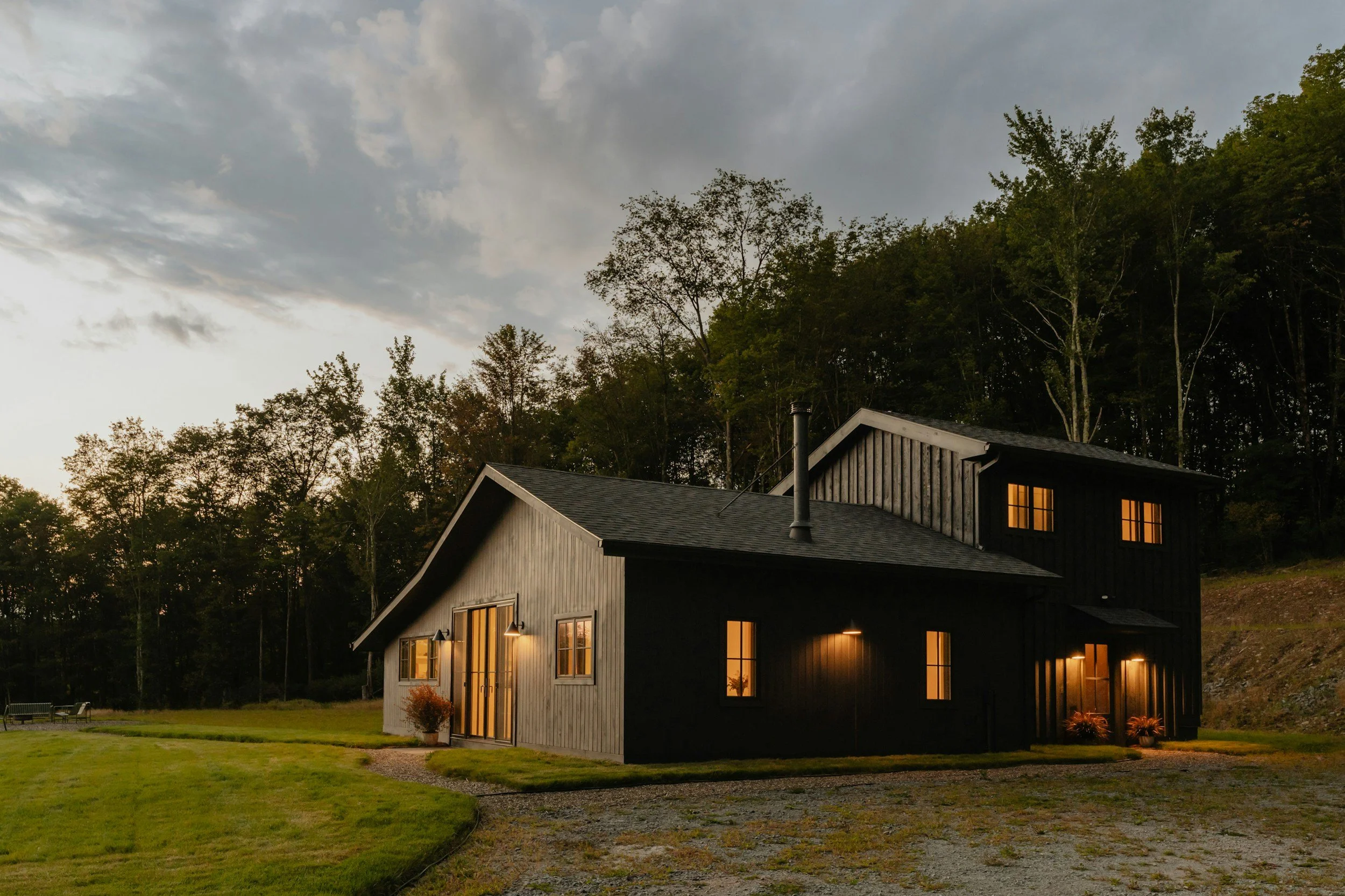
Weaverville sits just north of Asheville and is one of the most popular alternatives for buyers who want space without feeling disconnected.
Cost
Home prices in Weaverville are typically lower than Asheville, with more options for larger lots and newer homes.
Lifestyle
Quiet, community-oriented feel
Charming downtown with local shops
Family-friendly and slower paced
Commute
About 10–15 minutes to North Asheville, depending on location.
Best Fit For
Families
Buyers wanting more space
Long-term residents
People who want proximity without density
Trade-Offs
Less nightlife
Limited walkability outside downtown
Car-dependent in most areas
Weaverville appeals to buyers who want balance — close enough to Asheville, but calmer day-to-day.
Asheville vs Black Mountain
Black Mountain is known for its creative energy and strong sense of place.
Cost
Prices are often comparable to or slightly lower than Asheville, depending on proximity to downtown Black Mountain.
Lifestyle
Artsy, friendly, and laid-back
Walkable downtown core
Strong community events
Commute
Roughly 15–20 minutes to Asheville via I-40.
Best Fit For
Creatives
Retirees
Buyers who want a true small-town feel
People who value walkability in a quieter setting
Trade-Offs
Smaller inventory
Tourism during peak seasons
Fewer big-city amenities
Black Mountain is ideal for people who want charm, community, and a slower pace without giving up access to Asheville.

Asheville vs Waynesville
Waynesville sits farther west and offers a different mountain-town experience.
Cost
Generally more affordable than Asheville, with opportunities for larger homes and land.
Lifestyle
Traditional mountain town feel
Strong local community
Less tourist-driven than Asheville
Commute
About 30–40 minutes to Asheville, depending on location.
Best Fit For
Buyers prioritizing value
Remote workers
Retirees
Those seeking space and quiet
Trade-Offs
Longer drive to Asheville
Less nightlife and dining variety
More car-dependent lifestyle
Waynesville works well for people who don’t need daily access to Asheville and want more breathing room.
Asheville vs Hendersonville
Hendersonville is a popular option for buyers seeking stability and a slower pace.
Cost
Typically lower than Asheville, with a range of housing options.
Lifestyle
Clean, organized, and traditional
Walkable downtown
Strong healthcare access
Commute
Roughly 25–30 minutes south of Asheville.
Best Fit For
Retirees
Buyers seeking quiet neighborhoods
People who prefer structure over spontaneity
Trade-Offs
Less cultural activity
Quieter nightlife
More conservative feel compared to Asheville
Hendersonville appeals to buyers who value comfort, consistency, and ease.
Lifestyle Comparison at a Glance
Instead of focusing on one “best” place, it’s more helpful to match towns to personality and priorities.
Best for Walkability and Culture
Asheville
Black Mountain
Best for Families and Long-Term Living
Weaverville
Hendersonville
Best for Space and Value
Waynesville
Weaverville
Best for Creative Energy Without City Density
Black Mountain
Hidden Gems in Western North Carolina
Beyond the most talked-about towns, several smaller areas offer unique opportunities.
Leicester
Just west of Asheville, Leicester offers rural living with short drive times.
Swannanoa
Located between Asheville and Black Mountain, Swannanoa offers value and proximity.
Fletcher
South of Asheville, Fletcher appeals to buyers wanting space and convenience near the airport.
These areas often provide more flexibility and value for buyers willing to look slightly outside the spotlight.
How to Decide Where to Live in Western North Carolina
Ask yourself:
Do I want energy or quiet?
How important is walkability?
Will I commute daily to Asheville?
Do I want community events or privacy?
Am I planning short-term or long-term?
Your answers matter more than averages or trends.
Final Thoughts: Asheville vs Surrounding Mountain Towns
There’s no single “best” place to live in Western North Carolina — only the place that fits you.
Asheville offers culture, activity, and connection.
Surrounding towns offer space, calm, and community.
The right choice depends on how you want your life to feel day-to-day.
If you’re moving to Western North Carolina and deciding between Asheville and nearby mountain towns, understanding these differences early can help you land somewhere you truly love.

If you are looking to transform your space, interested in Asheville real estate, or just want to say hi, I'd love to connect!
Not quite ready for a full on design project? Take a step towards transformation with the 30 Minute Home Refresh Guide.
READ MORE

Let’s Connect