Why Every Short-Term Rental Investor Needs a Design Strategy (Not Just a Theme)
If you’ve spent more than five minutes in an investor Facebook group, you’ve seen the debate:
Do vacation rentals really need themes to stand out?
You know the houses — the full Barbie Dreamhouse makeover, the neon-soaked gamer loft, the cowboy-wedding-venue-meets-dinosaur-park—whatever’s trending on TikTok that day.
Sure, themed spaces grab attention. They get clicks. They go viral for a moment.
But here’s the truth investors rarely hear (and seriously need to):
Themes don’t build long-term profitability.
A theme is decoration.
A strategy is an investment.
A theme makes a guest say, “Oh wow, fun!”
A strategy makes a guest say, “I want to book this place.”
So if you’re building a profitable short-term rental, vacation rental, or boutique stay—especially in competitive markets—your interiors deserve more than a cute idea. They need an intentional, ROI-driven design plan grounded in data, psychology, and how travelers actually book, choose, and rave about spaces.
Today we’re diving deep into why design strategy matters, how it affects your bookings, and what truly separates high-performing, high-earning rentals from the rest.
What Investors Get Wrong: The Myth of the “Theme”
Here’s the biggest misunderstanding I see:
Investors think guests book themes.
Guests actually book experiences.
Themes are surface-level.
Strategy creates the feeling, the function, and the flow.
Here’s what happens with themes (and why they backfire):
❌ 1. Themes age quickly
What’s trendy today is outdated by next quarter.
Once the moment passes? ADR drops with it.
❌ 2. Themes look great online—but terrible in real life
Bright colors and gimmicks often cheapen the physical experience.
Guests want beauty and comfort, not clutter.
❌ 3. Themes rarely photograph well without professional support
And even then, the photos often attract more curiosity views than actual conversions.
❌ 4. Themes limit your audience
Half your market may immediately scroll past.
❌ 5. Themes don’t solve layout, lighting, durability, or space planning issues
And those are the real ROI drivers.
In short: Themes get attention, but design strategy gets bookings.
What a Design Strategy Actually IS
Let’s clear this up, because “design strategy” gets thrown around the same way “mid-century modern” does: loosely and incorrectly.
A design strategy is a deliberate plan created to:
✔ Make the property more functional
✔ Increase booking appeal
✔ Improve the guest experience
✔ Enhance durability & furnishings lifespan
✔ Stand out in photos
✔ Maximize ADR year-round
✔ Support your long-term investment goals
It’s not about style.
It’s not about chasing trends.
It’s not about kitschy photo ops.
It’s about aligning the space with the business model.
A profitable STR is not a vibe — it is a business asset.
And every business needs a strategy.
Why a Strategic Design Plan Outperforms Any Theme
Let’s talk about the ROI side, because nothing speaks louder to an investor than data.
1. Strategy increases your booking rate within seconds
Airbnb and VRBO are visual marketplaces.
Guests scroll quickly.
You’ve got three to five seconds to capture attention.
A themed rental might get a click.
A strategically designed rental gets the click and the booking.
Why?
Because strategy creates:
✔ Cohesion
✔ Clear focal points
✔ A natural photo sequence
✔ Interiors that tell a story guests immediately understand
Your photos perform better.
Your listing stands out.
Every image invites the guest into the experience.
2. Strategy increases your nightly rate
Bookings are not just about aesthetics—they’re about perceived value.
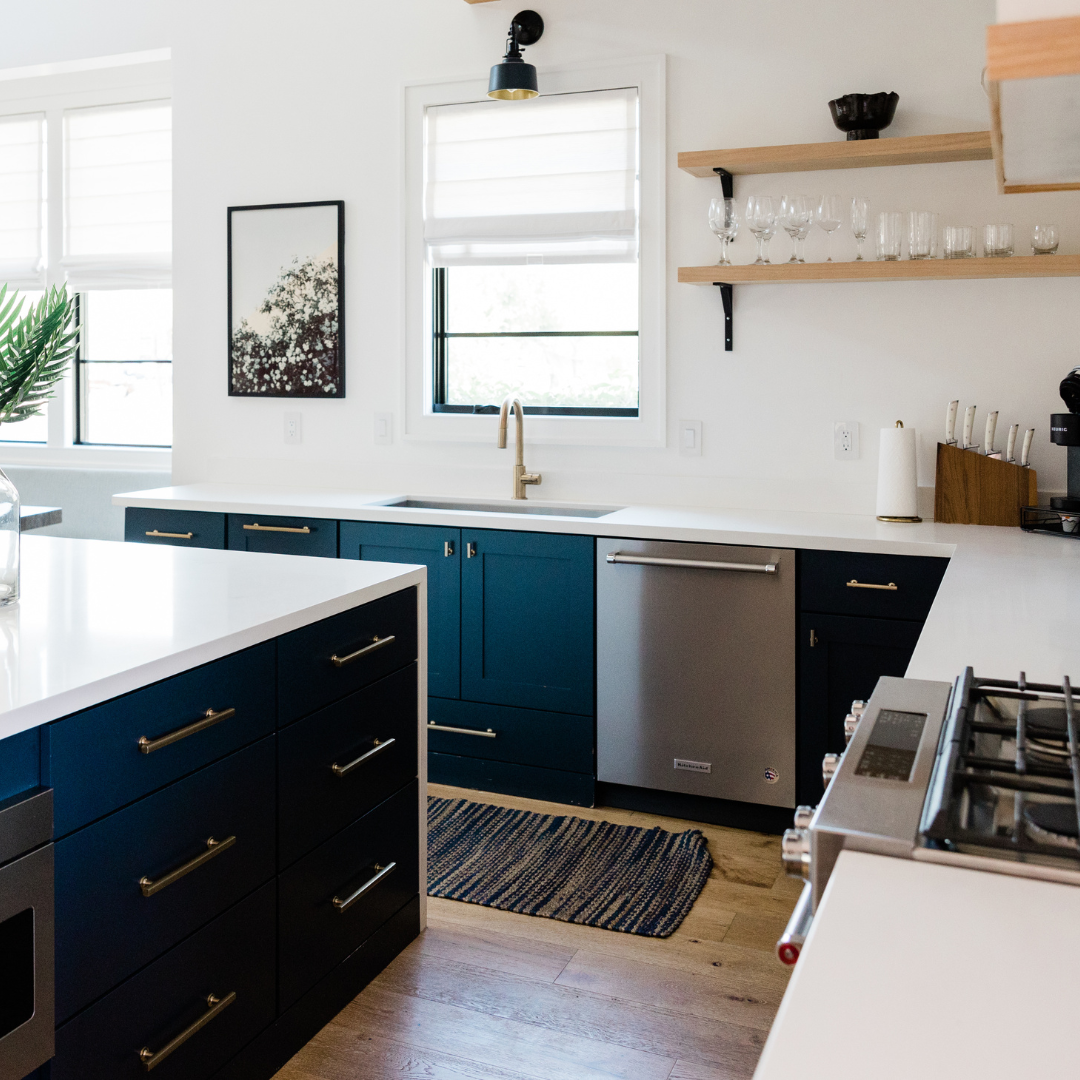
A well-designed, well-planned space feels more expensive.
Guests pay more for what feels premium, even before they arrive.
Your design strategy directly influences:
ADR (Average Daily Rate)
Occupancy
Repeat stays
Seasonal resilience
Add-on opportunities (pet fee, early check-in, etc.)
If you want higher rates, design strategy builds the justification.
3. Strategy supports turnover efficiency
A theme might require fragile decor pieces, knick-knacks, or high-maintenance styling.
A design strategy doesn’t.
A design strategy considers:
✔ Easy-clean materials
✔ Stain-resistant fabrics
✔ Durable furniture
✔ Replaceable textiles
✔ Streamlined styling that resets quickly
Less time lost.
Less money wasted.
More five-star reviews because cleanliness stayed consistent.
4. Strategy boosts your reviews (and reviews drive your revenue)
Guests remember how a space felt, not whether the gallery wall was quirky or cute.
A design strategy intentionally improves:
Comfort
Flow
Lighting
Sleep quality
Workspace setup
Layout for families and groups
Storage and luggage placement
Privacy
When you design for how people use a space—not how it looks on Instagram—your reviews reflect it with:
✨ “So comfortable!”
✨ “Everything was thoughtfully laid out”
✨ “We had everything we needed”
✨ “We will definitely be back”
And nothing boosts ROI like repeat bookings.
5. Strategy differentiates you from competitors—without gimmicks
Most investors are competing on:
Price
Location
Photo quality
Hot tub availability
But the ones with a thoughtful design strategy?
They compete on experience—and they win.
Good design builds brand recognition.
And brand recognition builds trust.
When a guest sees your listing and says, “Oh, this feels like that designer’s work”—you’ve already won the booking.
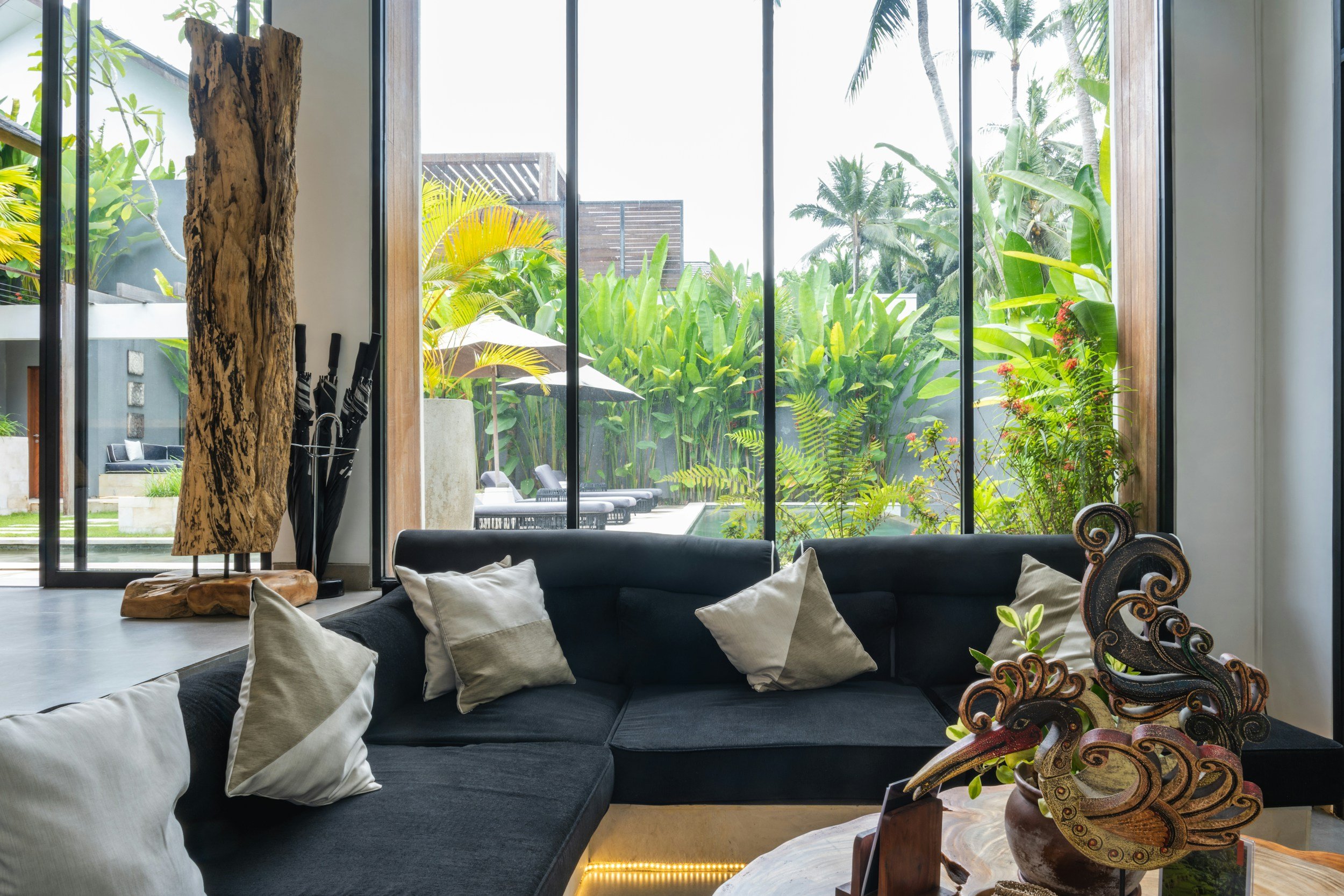
Design Strategy: The Investor Advantage Nobody Talks About
Behind every top-performing STR portfolio there is always—always—a design strategy.
Not because it looks pretty.
But because strategically designed interiors:
✔ Sell themselves
✔ Maintain their appeal through market shifts
✔ Reduce long-term costs
✔ Increase property value
✔ Improve listing performance
✔ Build a loyal repeat customer base
Themes cannot do this.
Only strategy can.
Here are the foundations of a strategic STR design plan (the exact approach I use at Sukkha Interior Design):
The 6 Pillars of a Profitable STR Design Strategy
1. Guest-Driven Design
You’re not designing for you.
You’re designing for travelers.
We evaluate:
Likely guest types (couples, families, bachelorette groups, hikers, digital nomads)
Location patterns
Average stay length
Lifestyle expectations
From there, the design supports the use case—beautifully and functionally.
2. Photo-First Approach
In STR design, photos are your storefront.
So every room must have:
✔ A clear focal point
✔ Balanced composition
✔ High-contrast textures
✔ Color cohesion
✔ Natural light maximization
✔ Visual storytelling
People book what they can feel through a photo.
3. Durability & Materials Strategy
If it can’t survive spills, kids, dogs, and luggage wheels, it doesn’t belong in an STR.
Our design strategies prioritize:
Performance fabrics
Closed storage
Easy-clean surfaces
Stone or stone-look materials
Replaceable textiles
Commercial-grade fixtures where needed
Design strategy = functional longevity.
4. Style Longevity & Timelessness
A theme expires.
A strategy evolves.
We build interiors that feel:
Fresh
Elevated
Warm
Relevant
But not overly trendy
This is the difference between “cute idea” and “profitable asset.”
5. Sensory & Experiential Design
Guests don’t remember your decor.
They remember:
How the sofa felt
How the lighting made evenings cozy
How easy it was to unpack
How well the rooms slept
How calming the color palette was
These sensory details create emotional memory—which leads to ⭐⭐⭐⭐⭐ reviews.
6. Property Identity Branding
Design strategy builds a recognizable identity—a look guests trust.
You’re not creating a theme.
You’re creating a brand.
A branded STR drives:
✔ Higher lifetime value
✔ Repeat stays
✔ Word-of-mouth referrals
✔ Higher conversion rates across platforms
This is how boutique hospitality owners scale successfully.
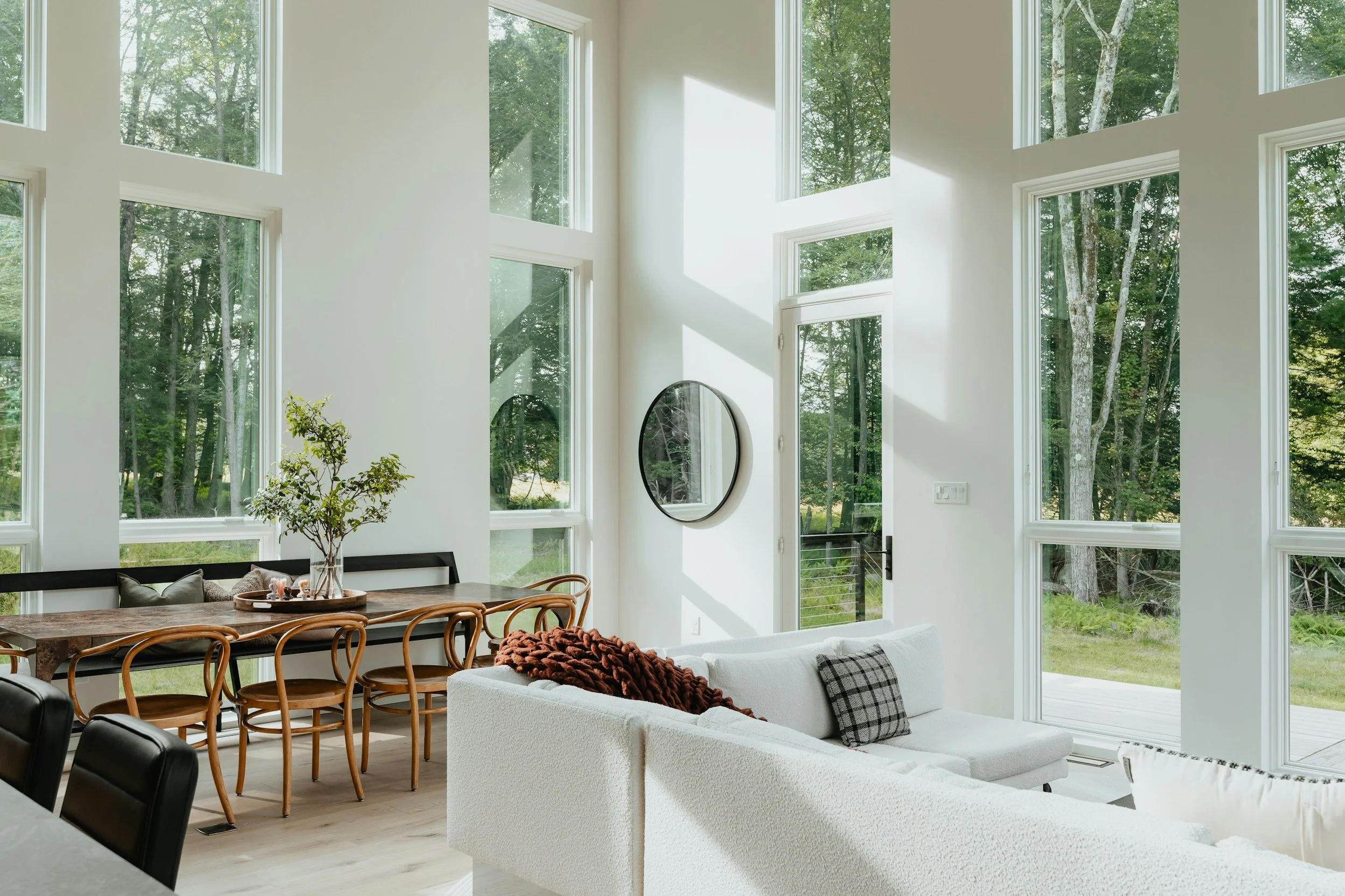
How Design Strategy Makes You More Money Long-Term
Let’s break down how strategic design directly translates into higher revenue across the year.
1. Higher ADR during peak seasons
People happily pay more for spaces that feel premium.
2. Better occupancy during slow seasons
When the photos stand out, even slow-season travelers choose your listing.
3. Lower maintenance and replacement costs
A durable furnishings plan pays for itself within months.
4. Fewer guest complaints
Which means less stress, fewer refunds, and easier operations.
5. Higher resale value
A well-designed STR is worth significantly more when you sell.
6. Repeat stays (a massive but underrated revenue driver)
Guests don’t come back for a theme.
They come back for a feeling.
A strategic space creates that feeling.
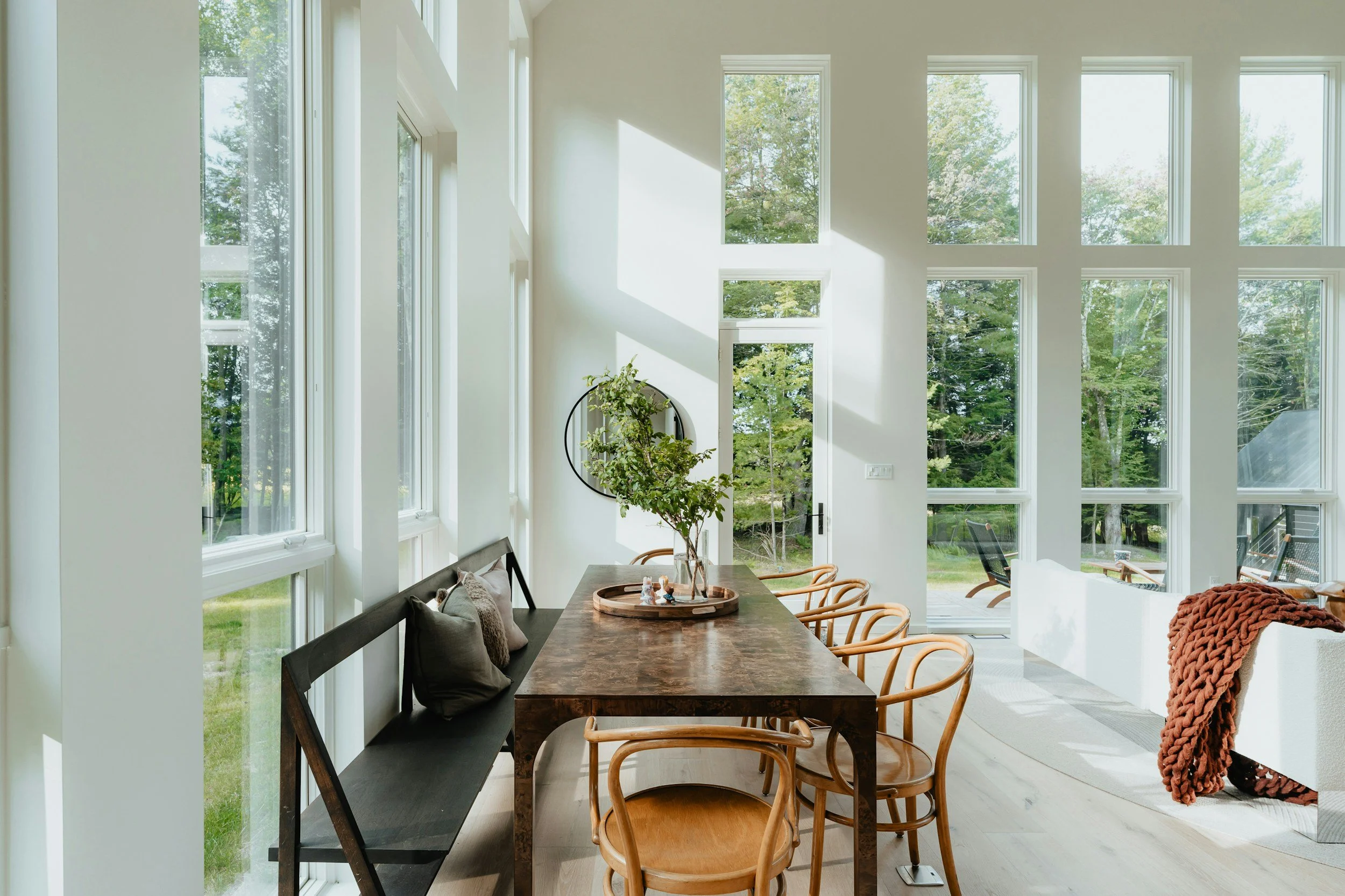
Examples: Theme vs. Strategy in Real Life
THEME:
“We want a 70s retro vibe!”
The space ends up with orange everything, shag décor, and loud wallpaper that looks better on TikTok than in person.
STRATEGY:
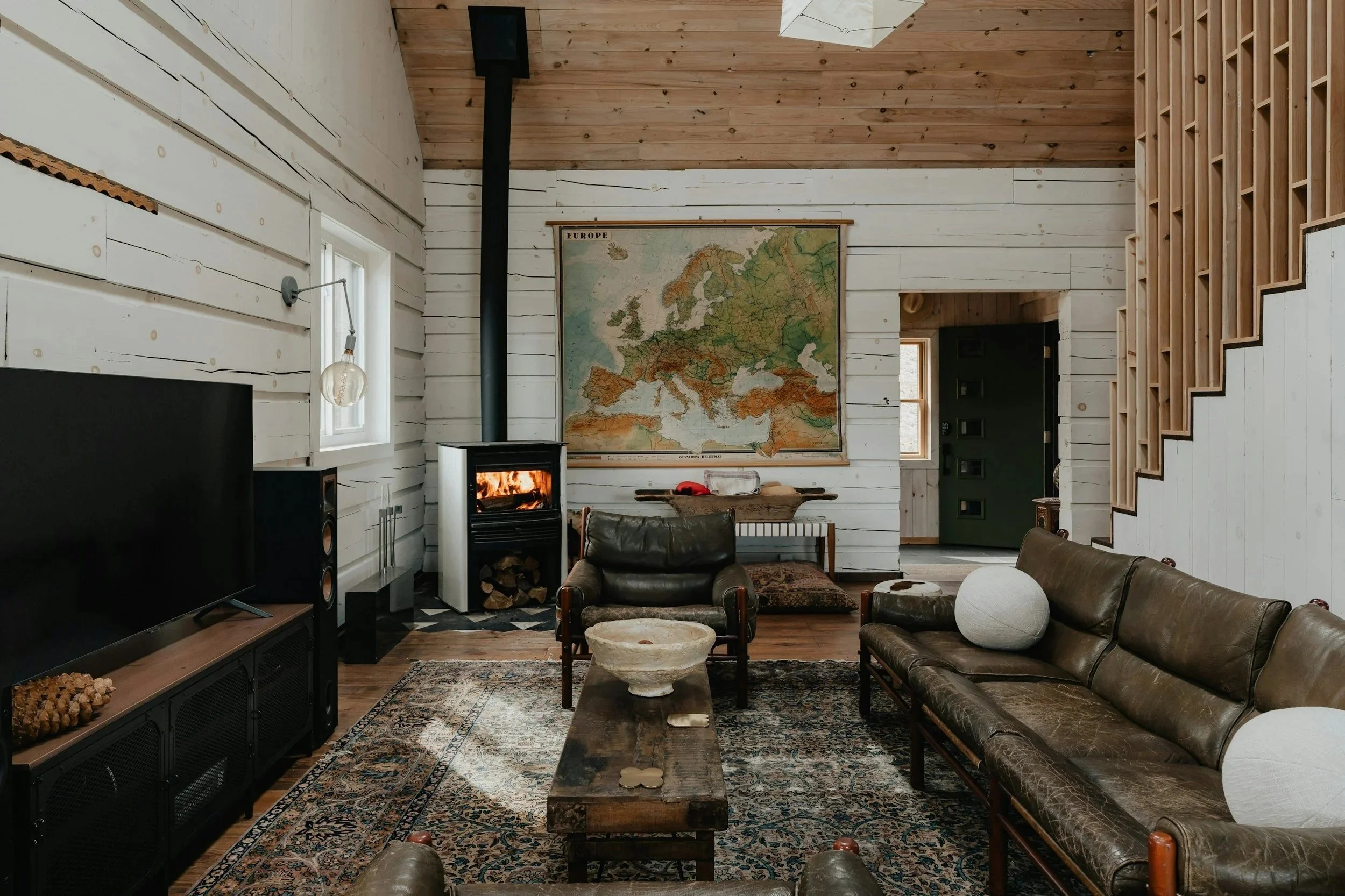
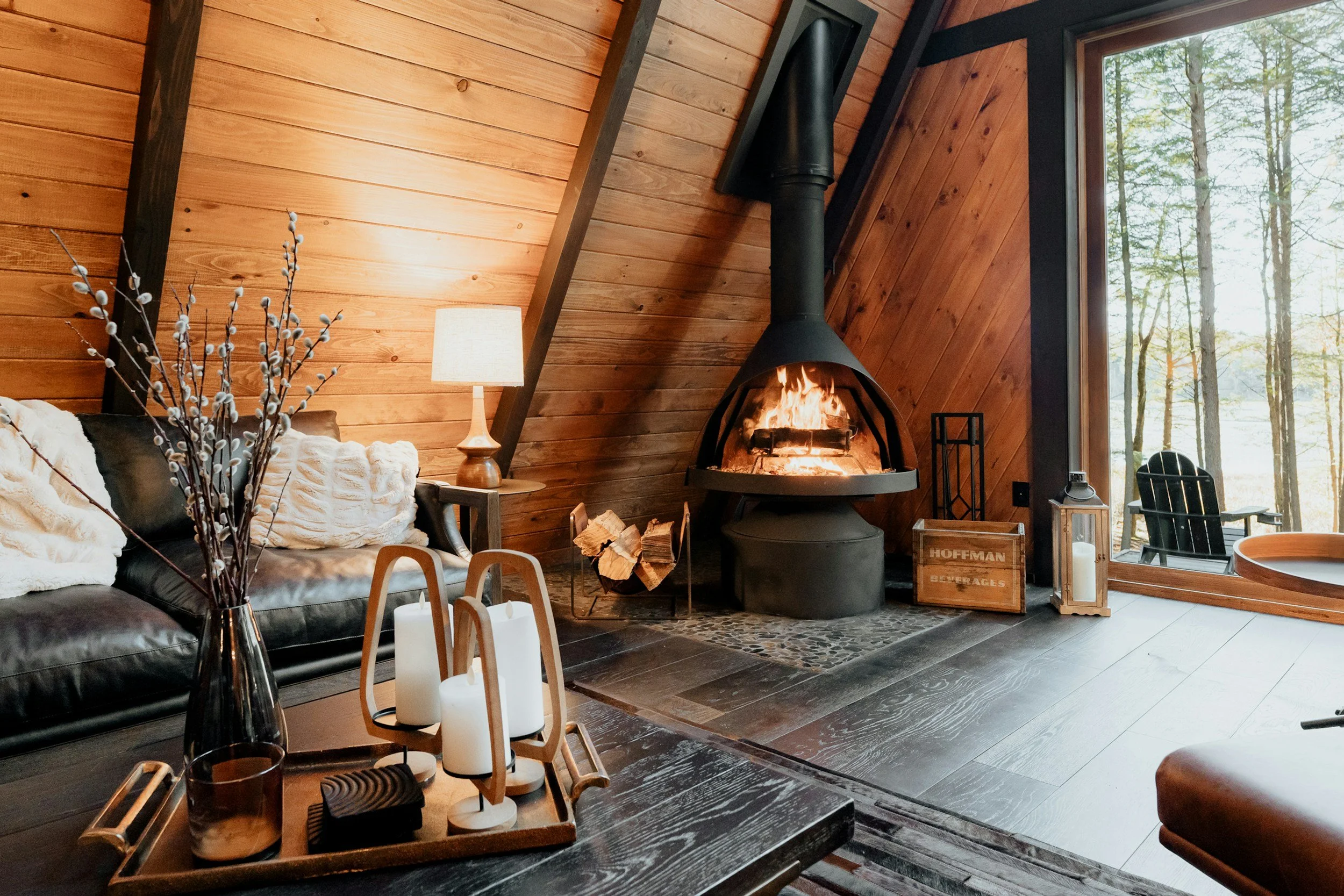
“We want a welcoming, nostalgic, modern-meets-cabin retreat for hikers and families.”
This becomes:
Warm wood tones
Natural textures
Curated vintage elements
High-performance fabrics
Comfortable, functional furniture
A color palette inspired by the region
This space books for the next 10 years, not just the next trend cycle.
Why Should Investors Care? Because Strategy Protects Your ROI.
Investors who rely on themes:
Spend more each year replacing decor
Lose bookings during style shifts
Limit their audience
Attract guests who want novelty, not loyalty
Burn out faster
Investors who rely on strategy:
Attract higher-quality guests
Build strong brand positioning
Run cleaner operations
Make more money
Grow their portfolio with ease
The ROI difference is massive.
Ready to Turn Your Property Into a High-Performing STR?
You don’t need a theme.
You need a strategy.
That’s exactly what I create at Sukkha Interior Design—spaces designed with intention, styled with purpose, and built to increase your bottom line.
If you’re ready to turn your property into a truly profitable rental, book a Connection Call and let’s talk about your goals, your guest profile, and the design strategy that will bring it all together.
👉 Book your Connection Call here
👉 Download your Free 30-Minute Home Refresh Guide
Your future guests are already imagining their stay.
Let’s design the space that makes them hit “book now.”

If you are looking to transform your space, interested in Asheville real estate, or just want to say hi, I'd love to connect!
Not quite ready for a full on design project? Take a step towards transformation with the 30 Minute Home Refresh Guide.
READ MORE
Let’s Connect