From Blank Walls to Booked Solid: How to Time Your Design Investment for Maximum ROI
Can I share something that drives me absolutely crazy? I watch property owners make the same timing mistake over and over again. They either rush into design decisions the moment they get their keys, buying random furniture without a plan, or they wait “until they have time” and miss the entire window to maximize their investment.
Here’s what I’ve learned after years of helping property owners transform spaces into revenue generators: design isn’t just about making a place look good. It’s a strategic tool that directly impacts booking rates, resale values, and how your property performs in the market. And honestly? When you implement those design changes matters just as much as what changes you make.
The difference between properties that consistently outperform and those that struggle often comes down to one thing: timing their design investment strategically instead of just winging it.
Whether you’re working on a vacation rental, preparing a property for sale, or maximizing a long-term rental’s appeal, understanding how to time your design work can literally make or break your ROI.
Why Design Timing Is Everything (And Most People Get It Wrong)
Let me paint you a picture. You buy a property in October with big plans to get it rental-ready. You spend November and December casually shopping for furniture, maybe ordering a few pieces here and there. January rolls around and you realize you need contractors for lighting and paint. February becomes a scramble to get everything installed. By the time you’re finally ready to list, it’s March - and you’ve missed the entire window when travelers were booking their spring and summer trips.
Sound familiar?
In both real estate and hospitality, timing is everything. You can have the most gorgeous property in Asheville, but if you miss the booking or selling window for your target market, you’re leaving serious money on the table.
Design drives first impressions - in listing photos, during property showings, and through guest experiences. But to be effective, it needs to be in place before your ideal buyers or guests are actively searching. That’s why the smartest property owners plan their design work around market cycles, not around their personal schedules.
Think about it:
Short-term rental guests often book their mountain getaways months before they travel
Home buyers start touring properties well before they need to close
Off-season installations mean you avoid blocking profitable dates or delaying a sale
Step 1: Audit Your Property Before You Buy a Single Thing
I know it’s exciting when you get those keys - trust me, I’ve been there. But before you start browsing furniture websites or filling online shopping carts, you need to do a strategic assessment.
Walk through your property as your target audience would. If it’s going to be a vacation rental, scroll through it like a potential guest browsing photos on Airbnb. If you’re prepping for resale, tour it like a buyer would on a weekend showing.
Identify what’s actually working and what’s not. Maybe the layout flows beautifully but the lighting makes everything look dingy. Or perhaps the finishes are fine, but the rooms feel cold and unwelcoming. Get specific about what needs to change and what you can work with.
Focus on high-ROI updates first. These are the changes that will have the biggest visual and functional impact for the least amount of cost and disruption. Think strategic lighting updates, furniture that photographs well, and comfort touches that guests notice immediately.
This step ensures every design decision is intentional and tied to your end goal - whether that’s higher nightly rates, stronger offers, or increased property value.
Step 2: Know Your Market’s Seasonal Rhythm
Every market has its own calendar, and Asheville definitely has its unique rhythm. Understanding this cycle is crucial for timing your design investment correctly.
For our mountain market, here’s what I typically see:
Peak vacation rental season: Late spring through fall, with summer being the highest demand. But here’s the key - people start booking these trips in January and February.
Real estate activity: Spring and summer bring the most buyers, but serious shoppers start looking in late winter.
Slowest periods: Late fall and winter are when you can actually get work done without sacrificing revenue or delaying sales.
Ask yourself these questions about your specific situation:
When is the busiest season for my type of property?
How far in advance do my ideal guests or buyers start searching?
Which months are slow enough to complete updates without hurting my income?
Once you have these answers, you can work backward from your target launch date to determine when your design work should start and finish.
Step 3: Build in Realistic Lead Times (Because Everything Takes Longer)
Here’s something nobody tells you about property design projects: they always take longer than you expect. Even when you’re working with professionals and have a solid plan, you need to factor in:
Sourcing and ordering: 2-8 weeks depending on what you’re buying and where it’s coming from. Supply chain issues are still real, especially for quality pieces.
Shipping and delivery: Add extra time for delays, especially if you’re in a mountain location where deliveries can be tricky.
Contractor schedules: Good painters, electricians, and other tradespeople book out weeks or even months in advance, especially during busy seasons.
Installation and styling: Usually 1-2 weeks for larger projects, but this can stretch if you’re coordinating multiple vendors.
Professional photography and listing updates: Another week for scheduling, shooting, and processing photos.
If you want to be market-ready by a specific month, your design planning should begin 10-12 weeks ahead. I know that sounds like a lot, but I’ve watched too many property owners miss their target launch dates because they underestimated timelines.
Step 4: Invest Where It Actually Counts
A strategic design investment doesn’t mean spending money on every corner of your property. Focus your budget on updates that make the biggest difference in both photographs and real-life experiences:
Lighting Transformation
This is consistently the highest-impact change you can make. Swap outdated fixtures, add dimmers where appropriate, and use warm LED bulbs throughout. Good lighting changes everything about how a space feels and photographs.
Furniture Layout and Flow
Thoughtful furniture placement makes spaces feel bigger, more functional, and more inviting. This isn’t about buying the most expensive pieces - it’s about creating layouts that work for your specific space and target audience.
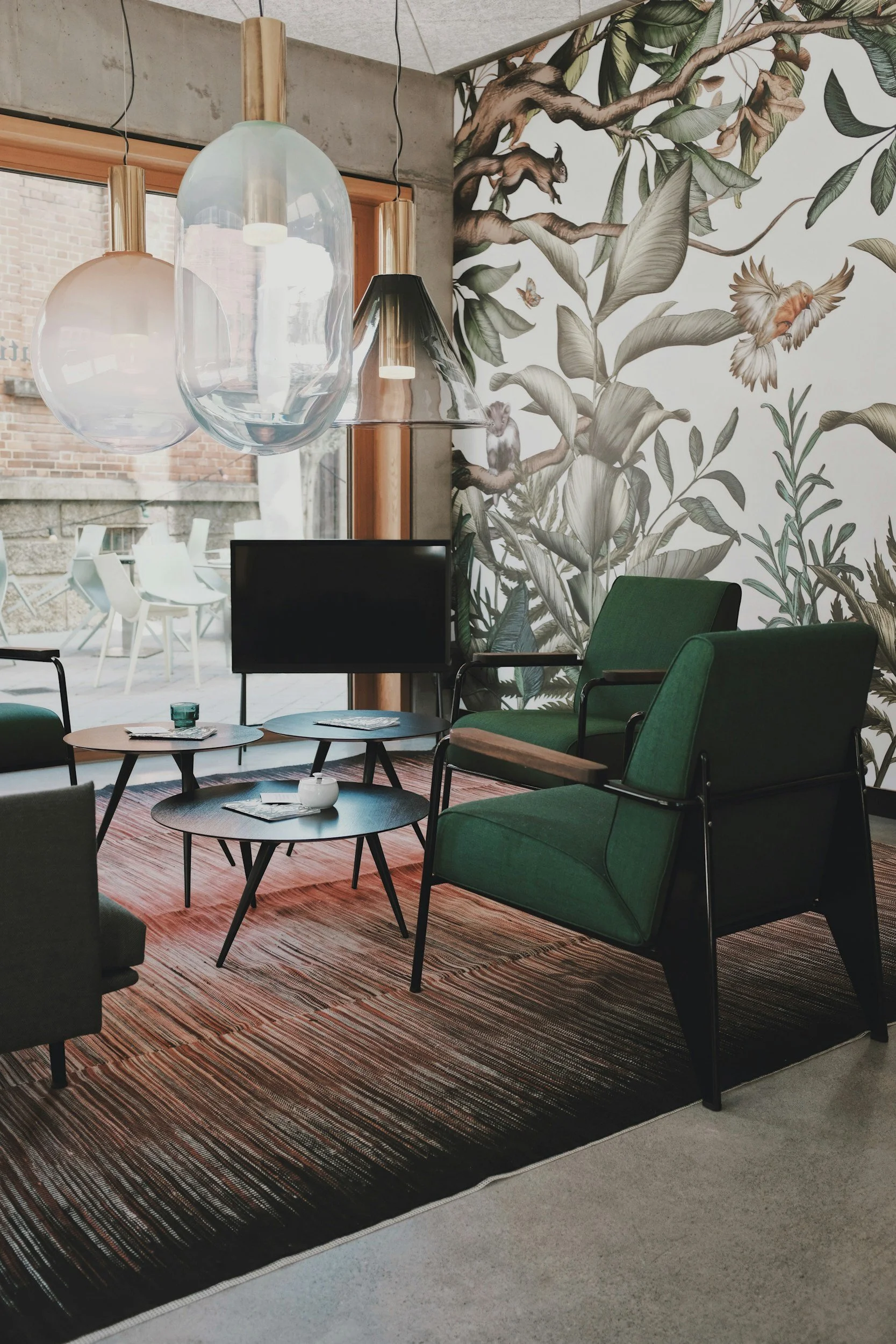
Strategic Focal Points
One bold wall color, an upgraded fireplace surround, or carefully chosen statement art can transform an entire room and create those “wow” moments that stick in people’s minds.
Comfort and Quality Touches
High-quality bedding, soft area rugs, and comfortable seating directly impact guest satisfaction and buyer impressions. These details matter more than you might think.
Curb Appeal Updates
Updated exterior lighting, a freshly painted front door, or cleaned-up landscaping sets expectations before anyone walks inside. First impressions start at the curb.
Step 5: Plan Your Installation Window Strategically
The best time to install design updates is when your property is least in use or demand. This requires some strategic thinking:
For vacation rentals: Block off a few low-demand weeks in late fall or winter. Yes, you’ll lose some potential revenue, but you’ll gain it back many times over with higher rates and better bookings.
For properties you’re preparing to sell: Complete all updates before professional photography and listing. You want the property to look its absolute best from day one on the market.
For long-term rentals: Coordinate updates between tenants or during natural vacancy periods.
Scheduling design work during slower periods minimizes lost revenue and ensures your property is 100% ready when demand peaks.
Step 6: Common Timing Mistakes That Cost Money
After working with hundreds of property owners, I’ve seen these mistakes repeated over and over:
Starting design work after peak season begins. You’ll miss the most profitable months and have to wait an entire year to see full returns.
Skipping the planning phase. This leads to mismatched pieces, multiple delivery dates, and way more stress than necessary.
Not accounting for delays. Small projects can snowball quickly if one vendor runs late or a piece arrives damaged.
Designing for personal taste instead of target market. Your ideal guest or buyer should guide design decisions, not your personal preferences.
Underestimating the importance of professional photography. Great design needs great photos to drive bookings and sales.
Step 7: Your Strategic Timing Checklist
Here’s the process that consistently works for my most successful clients:
Identify your target peak season for bookings or sales
Work backward 10-12 weeks to set your design start date
Audit your property for highest-impact updates
Create a detailed design plan before purchasing anything
Order furniture and materials early to avoid backorders
Book contractors well in advance for their best availability
Schedule installation during your slowest period
Arrange professional photography immediately after styling is complete
Launch marketing right as your target season begins
Why Working with a Designer Actually Saves Time and Money
I know some property owners think hiring a designer is an extra expense, but here’s what I’ve observed: a good designer actually speeds up your entire project and often saves money in the long run.
Designers have:
Vendor relationships that can cut weeks off delivery times
Sourcing expertise that helps you avoid costly mistakes
Project management experience that keeps everything on schedule
Market knowledge about what actually drives bookings and sales
They help you avoid the trial-and-error approach that costs both time and money.
The Asheville Advantage: Timing in Our Market
Working extensively in the Asheville market, I’ve learned our specific timing patterns:
Winter is your design window. November through February is when you can get contractors, complete installations, and prepare for spring launches without sacrificing peak revenue.
Spring launch is crucial. March and April are when both vacation rental guests and home buyers start actively searching for summer plans and properties.
Fall is your last chance. If you miss the spring window, fall gives you one more opportunity before the market slows for winter.
Understanding these local patterns helps you time your investments for maximum impact in our specific mountain market.
Measuring Your ROI Success
How do you know if your timing strategy worked? Look for these indicators:
For vacation rentals:
Booking requests within days of listing updates
Higher average nightly rates compared to previous seasons
Improved guest reviews mentioning specific design elements
Increased repeat bookings and referrals
For sales properties:
Multiple showings scheduled quickly after listing
Offers at or above asking price
Faster sale compared to similar properties
Buyer feedback praising the property’s condition and style
Your Next Steps: From Planning to Profit
The most successful property owners I work with understand that design timing is a business strategy, not just an aesthetic choice. They plan their investments around market cycles, execute during optimal windows, and launch when demand is highest.
Ready to time your design investment strategically? Start by identifying your target peak season and working backward to create your timeline. Remember, the property owners who consistently outperform their competition are the ones who plan ahead while others are still thinking about it.
The bottom line: Great design at the wrong time won’t deliver the results you want. But strategic design implemented at the right time can transform your property’s performance and your investment returns.
Your property has incredible potential - timing your design investment correctly is how you unlock it.

If you are looking to transform your space, interested in Asheville real estate, or just want to say hi, I'd love to connect!
Not quite ready for a full on design project? Take a step towards transformation with the 30 Minute Home Refresh Guide.
READ MORE
FOLLOW ON INSTAGRAM


Book a Call