Feel-Good Interiors: How Thoughtful Design Boosts Daily Well-Being
Your home is more than a place to sleep, fold laundry, and occasionally lose your keys. It’s the backdrop of your life—the setting for your morning coffee ritual, the conversations that matter, the quiet moments, the celebrations, the healing, and the real-life, not-Instagram-influencer evenings where you’re eating pasta straight out of the pot.
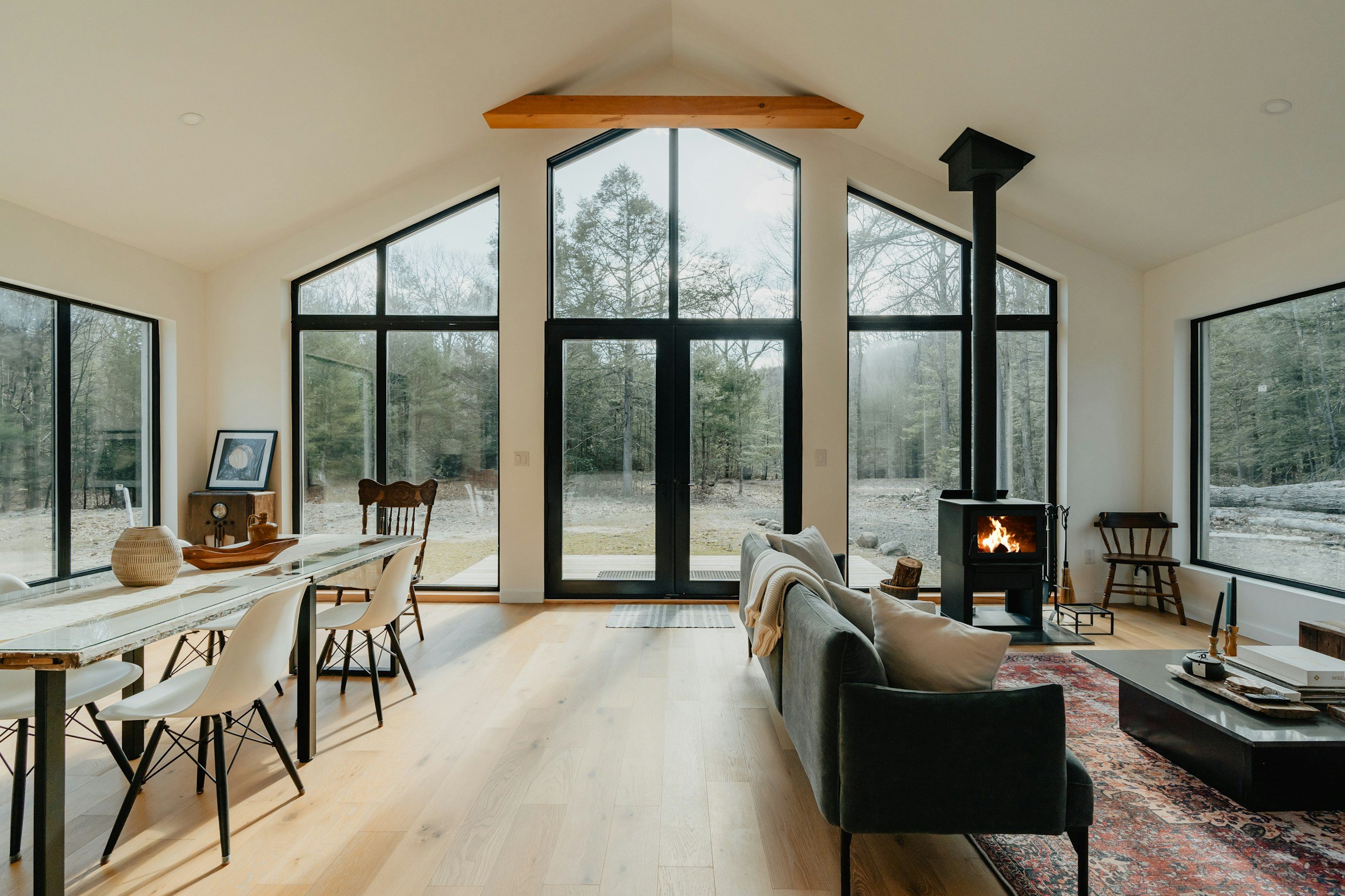
So when we talk about interior design—especially in a place like Asheville, where we’re surrounded by nature, mountains, grounding energy, and a community that values intentional living—we’re not just talking about aesthetics.
We’re talking about how your home makes you feel.
Because here’s the truth:
Your environment is influencing your well-being every single day, whether you’re aware of it or not.
As an interior designer in Asheville, I see this all the time. The way your space is designed can either:
Calm your nervous system or overstimulate it
Help you focus or make you feel scattered
Support your daily routines or complicate them
Ground you or exhaust you
A feel-good interior is one that works with you, not against you.
This isn’t about HGTV-level renovations or replacing everything you own. It’s about thoughtful, supportive, wellness-centered design choices that help you feel more at peace in your home every day.
Let’s talk about how to create that.
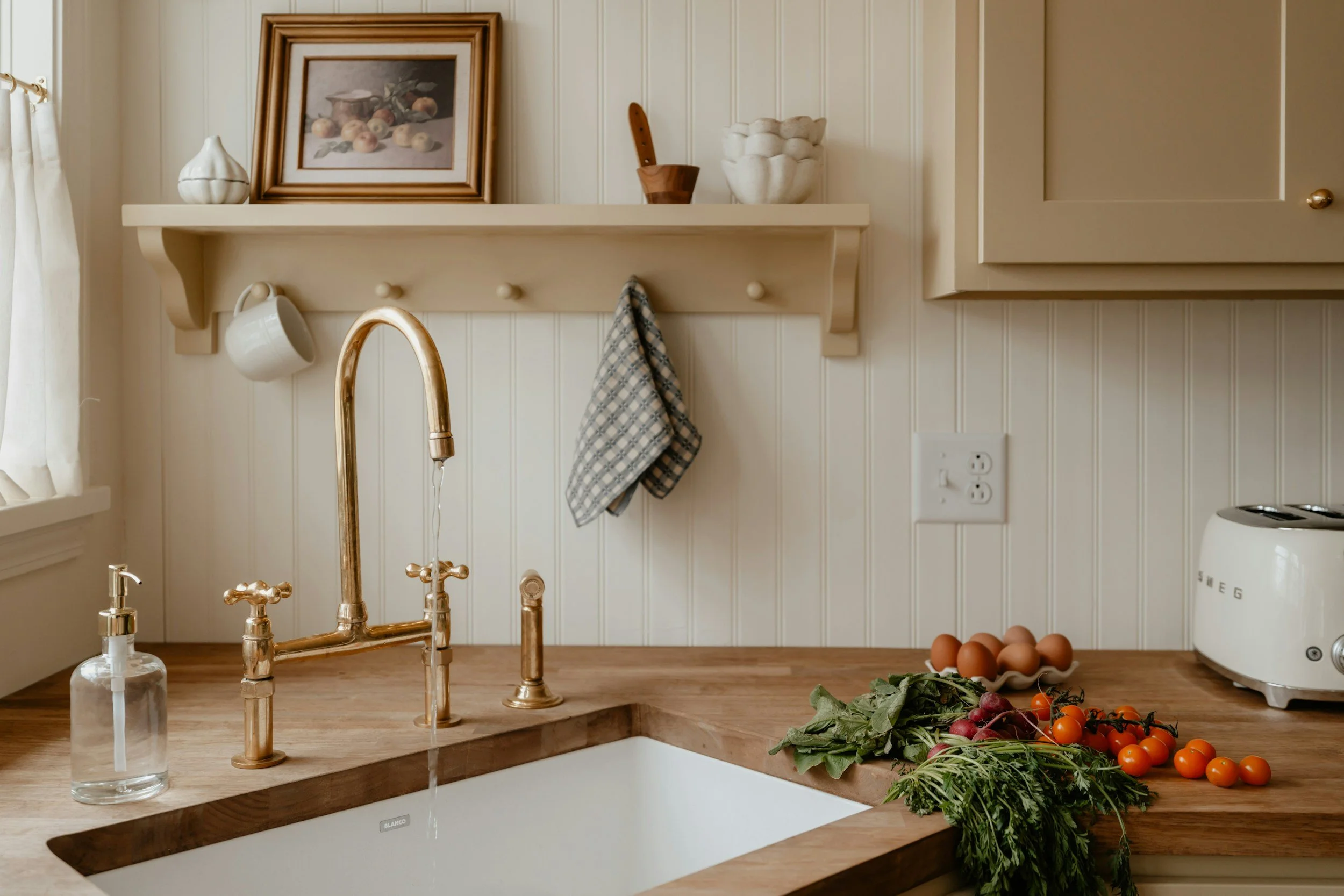
Why Your Home Matters for Your Well-Being (Especially in Asheville)
Asheville has a unique energy—creative, grounding, slightly magical, sometimes chaotic, and always full of character. People move here (or stay here) because they want a lifestyle that feels intentional, slower, meaningful.
But our homes don’t always reflect that.
If your space feels:
visually loud
poorly lit
cramped
mismatched with your lifestyle
…your nervous system feels that, too.
Environmental psychology research shows us:
Clutter increases cortisol, the stress hormone.
Natural light boosts serotonin, the happiness chemical.
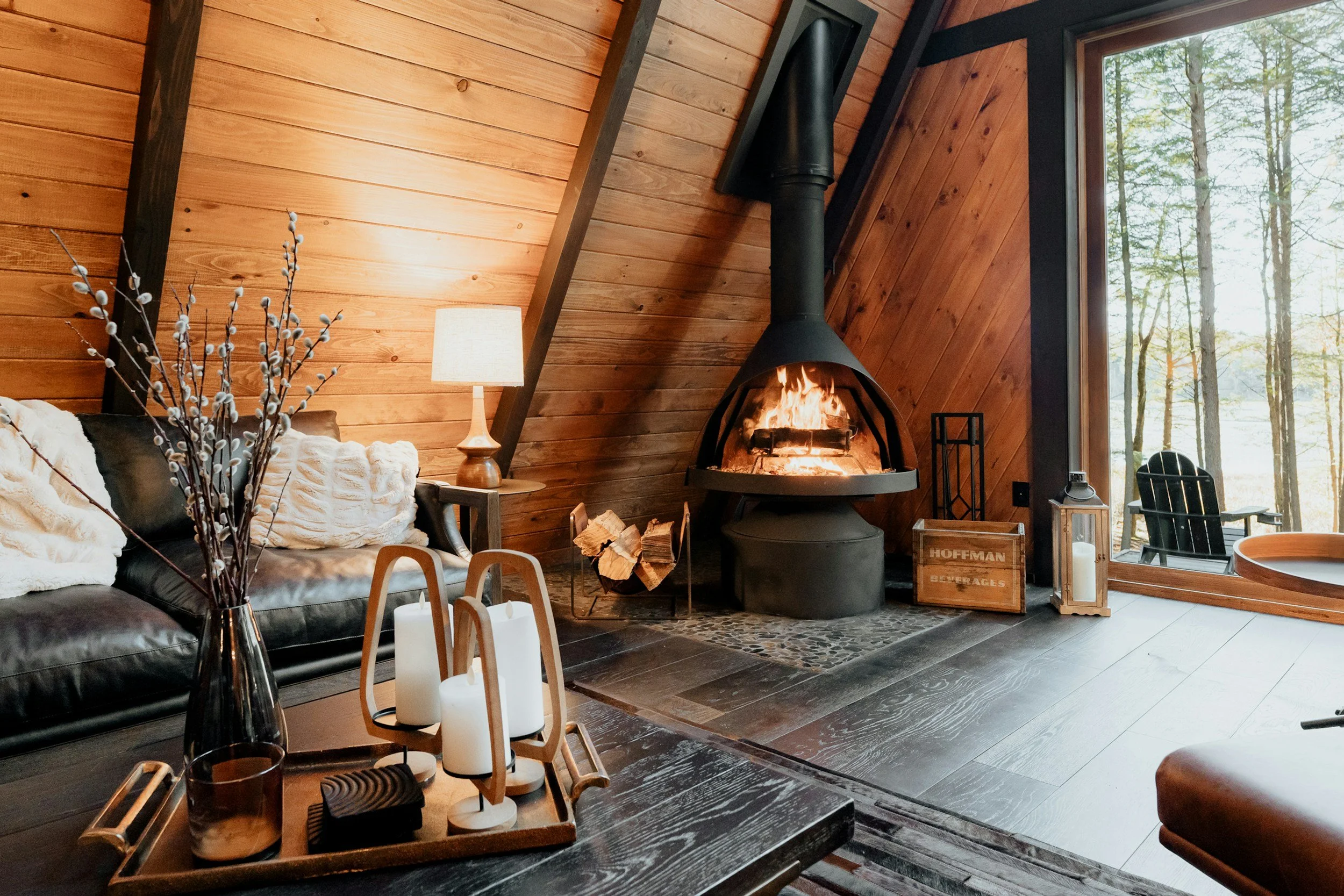
Warm, tactile materials calm the nervous system.
Color temperature affects mood.
Flow + organization reduce overwhelm and decision fatigue.
So thoughtful design isn’t decoration—it’s wellness.
And when I work with clients as a wellness-centered interior designer in Asheville, this is exactly what we focus on:
How do we help your home support you?
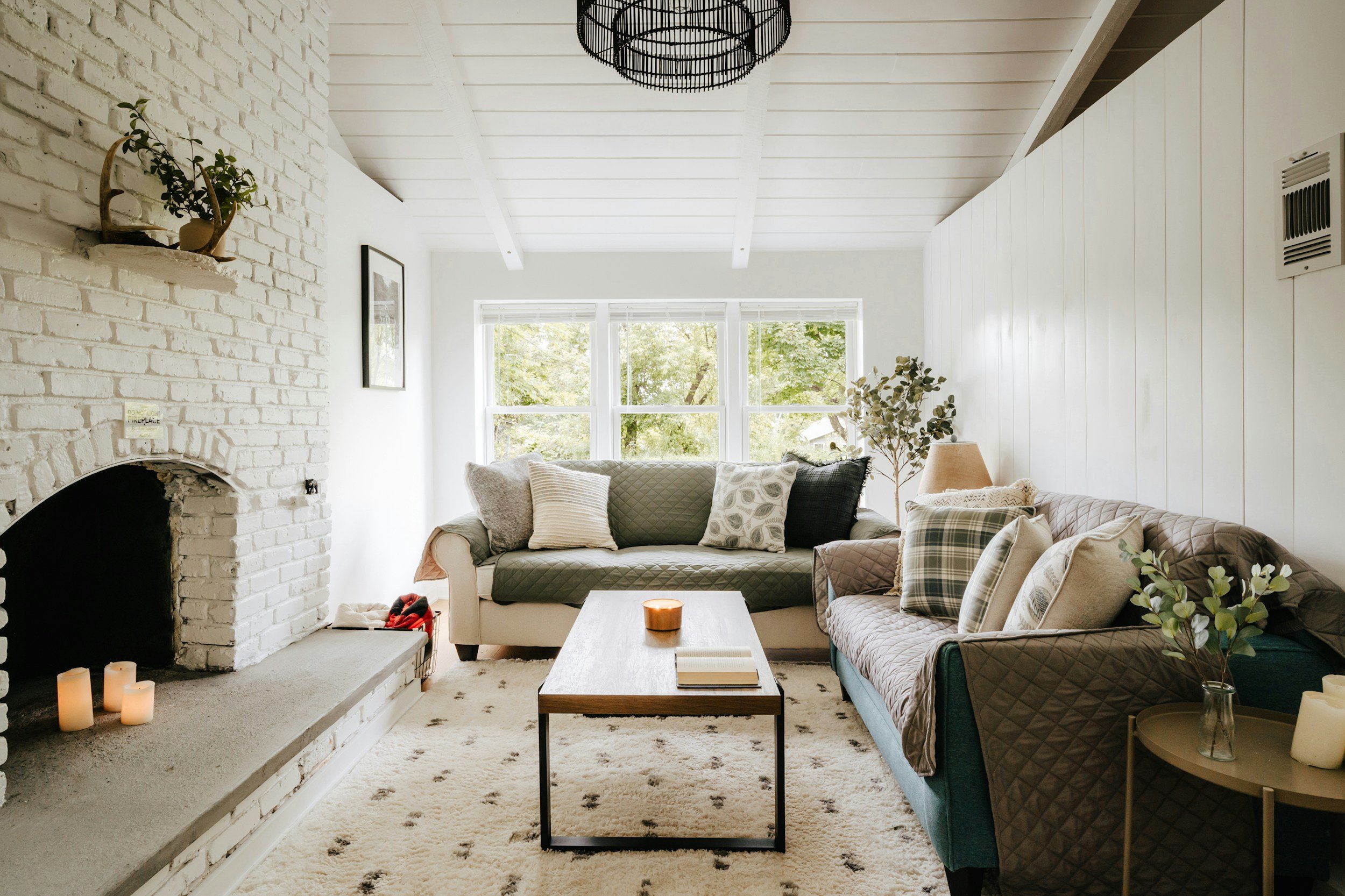
What “Feel-Good Interiors” Actually Look Like
Let’s break this down without the jargon.
Feel-good interiors are:
1. Functional
Your home should fit your routines—not the other way around.
If your bedroom is full of laundry piles because there’s nowhere to actually put anything, that’s not a you problem—that’s a design systems problem.
2. Calming for the Nervous System
This usually looks like:
Fewer things out in the open
Simple color palettes
Lighting that isn’t harsh
Soft, cozy textures
Space to breathe
3. Personal, Not Generic
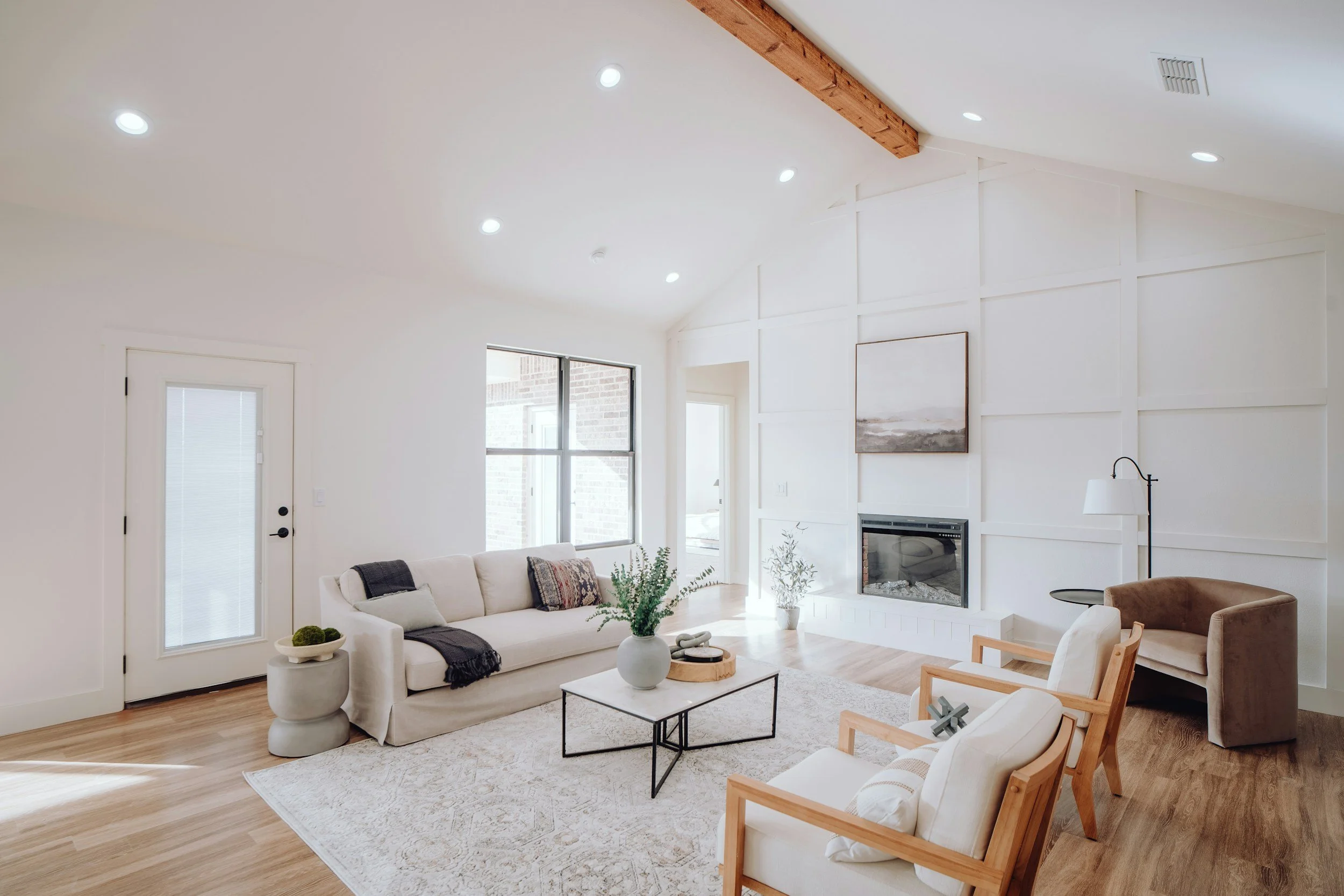
Your home should look like you live there, not like it was staged for a real estate brochure.
This might be:
Art from local Asheville makers
Travel memories
Books you actually read
Heirlooms
Objects that feel emotionally meaningful
4. Connected to Nature
Here in Asheville, we have the ultimate advantage: nature is literally everywhere.
Bringing it inside:
Plants
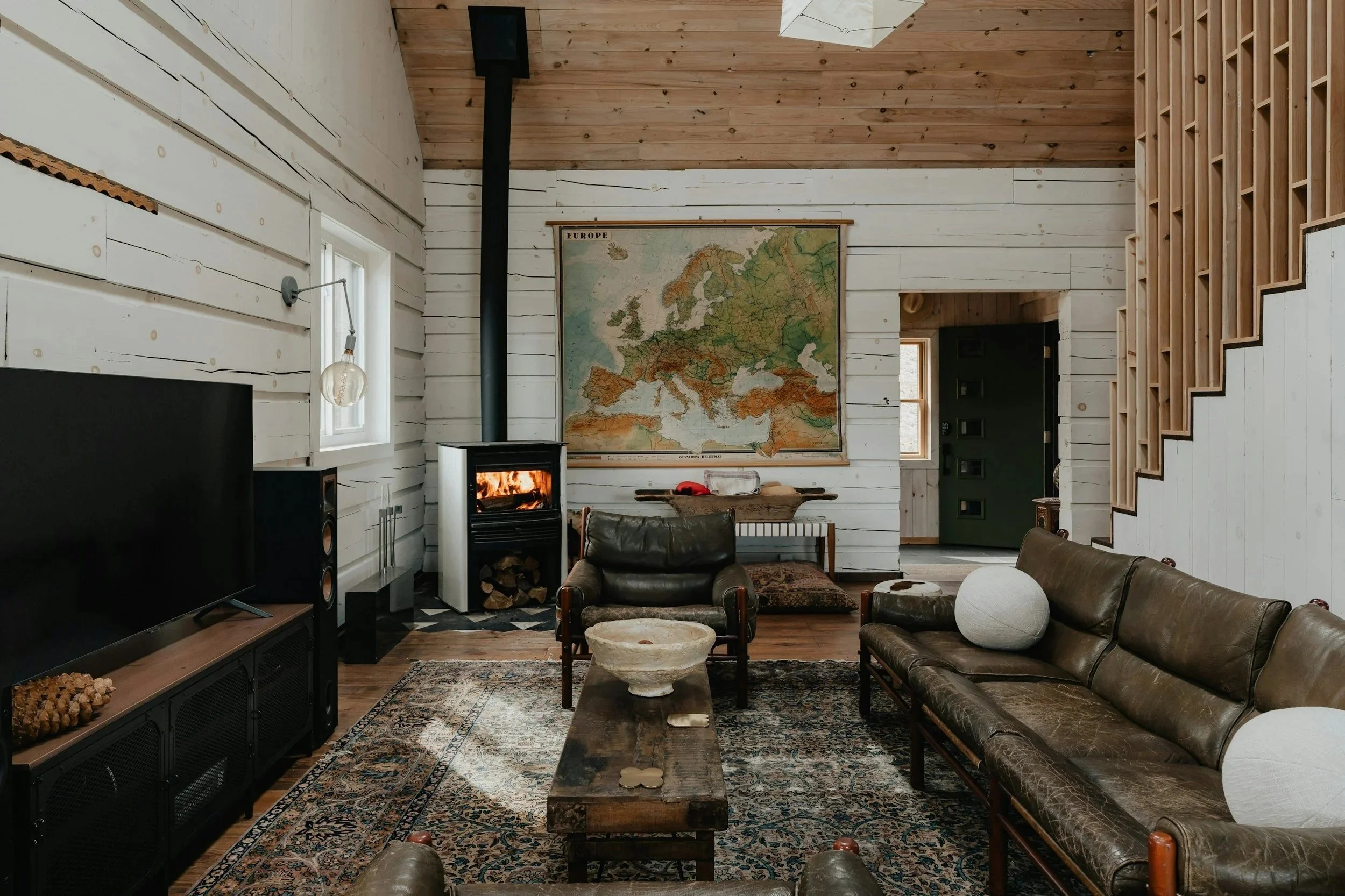
Wood and stone
Nature-inspired color palettes
Organic textures
…instantly shifts the tone of a room.
5. Supportive to Daily Life
A feel-good home makes life easier, not more complicated.
We're not trying to create a museum. We’re designing a daily experience.
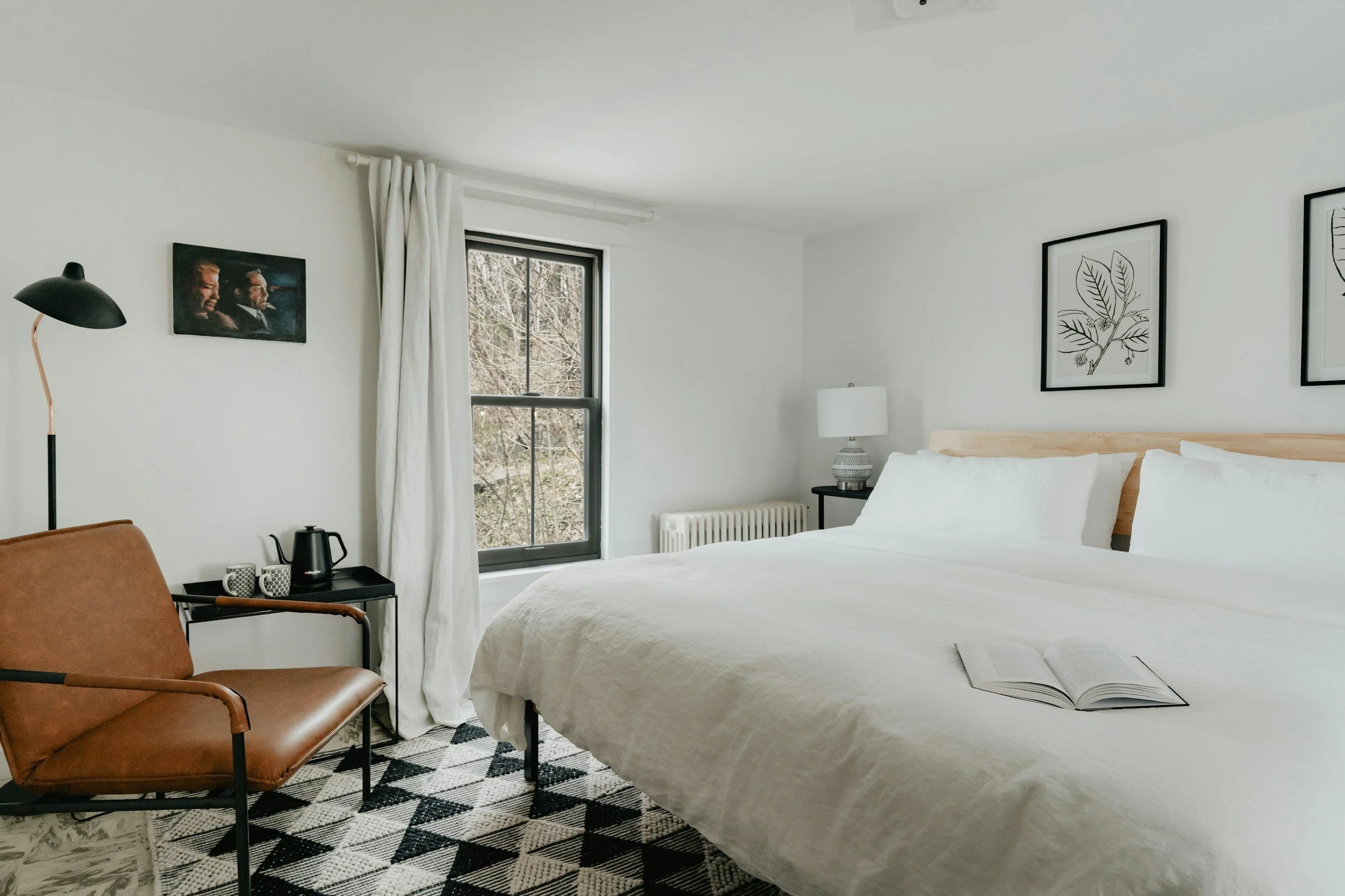
The Core Elements of Feel-Good, Wellness-Focused Design
To create a home that supports your well-being, here are the 5 design layers that matter most:
1. Flow and Space Planning
Instead of asking, “How should this room look?”
We ask:
“How does this room need to work?”
Rooms feel stressful when:
There’s too much furniture
Furniture is oversized
The flow is tight
Storage is lacking
Even small adjustments (like rearranging furniture or adding closed storage) can transform how supported you feel.
2. Light (Natural + Artificial)
Lighting affects your mood instantly.
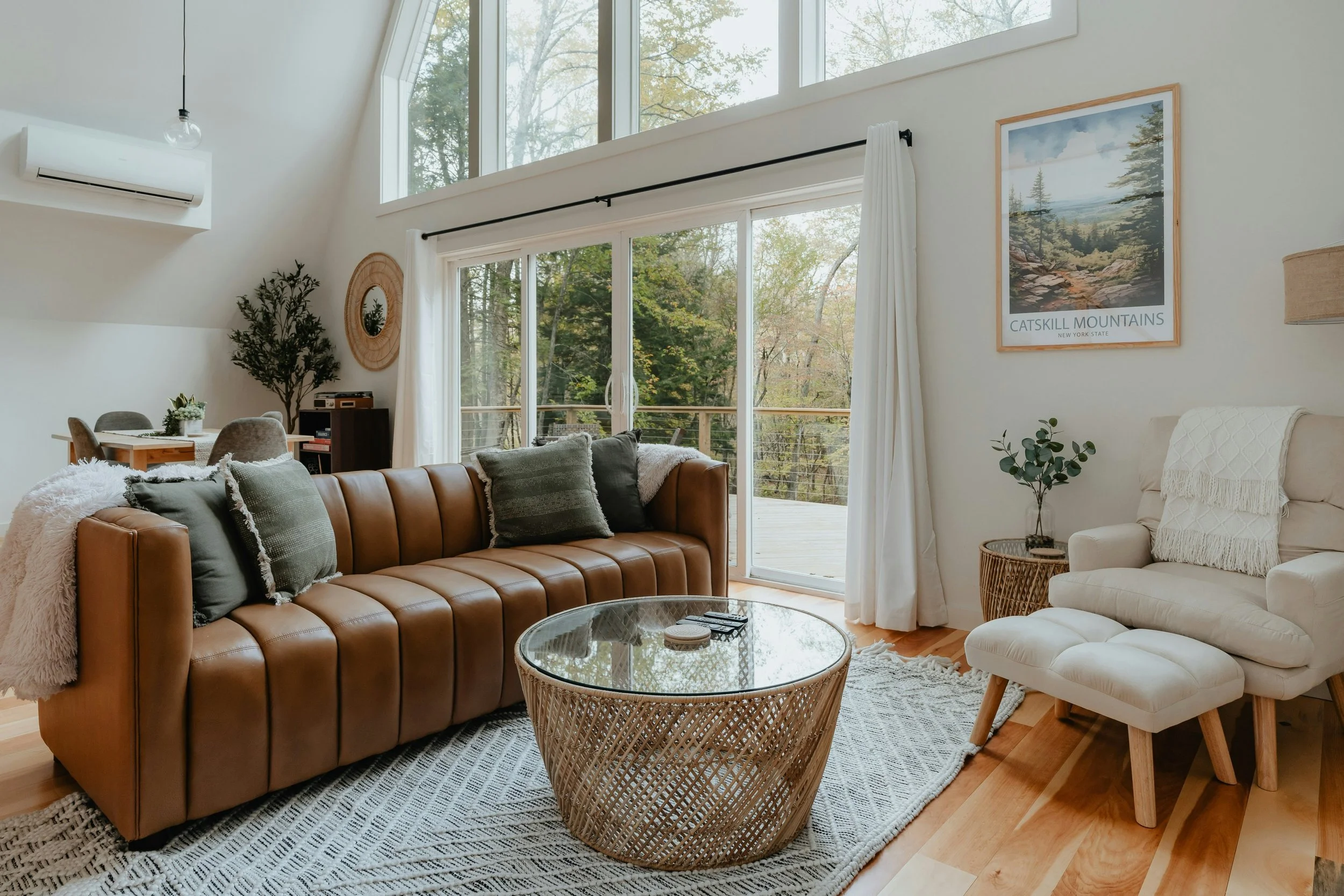
Use natural light whenever possible
Add warm, layered lighting (lamps > overhead lights)
Switch to warm LED bulbs with a 2700K–3000K temperature
This is one of the fastest, lowest-cost ways to create a cozy home that feels good.
3. Color Psychology
Ever walk into a room and feel overwhelmed but can’t figure out why?
Color is usually the reason.
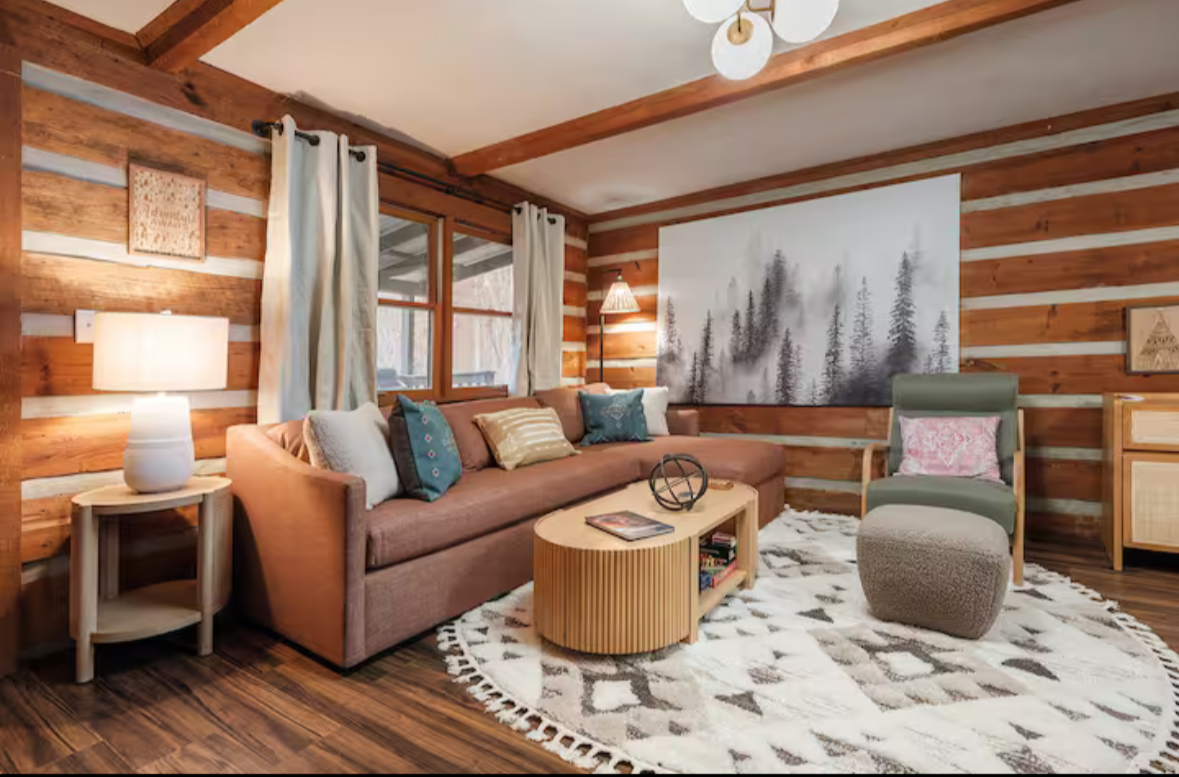
In Asheville, we often lean into grounding tones:
Soft greens
Warm neutrals
Earth browns
Muted blues
Color can:
Energize
Calm
Focus
Uplift
The key is matching color to function.
4. Texture & Material
This is where your space gets soul.
Think:
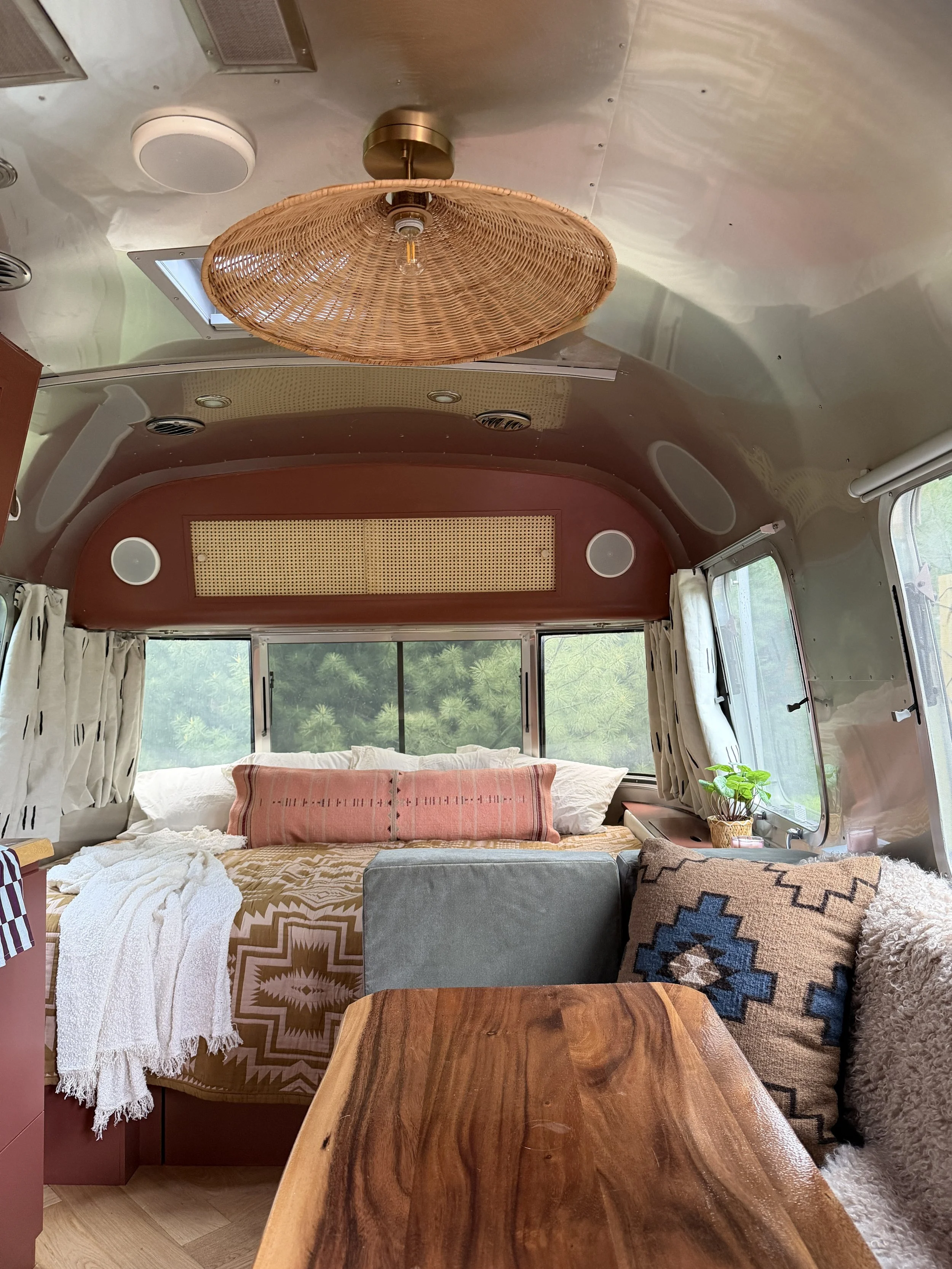
Woven baskets
Linen bedding
Wood furniture
A cozy throw blanket that actually gets used
Rugs that feel good under your feet
Texture = comfort.
5. Meaningful Personalization
Not clutter.
Not random décor bought on impulse.
People feel best in spaces that tell their story.
So, yes:
Display the pottery you got at Marquee.
Hang art from a River Arts District studio.
Frame the Polaroid of your very best night with your people.
Your home should make you smile when you look around.
Small Changes That Create Big Feel-Good Energy (No Renovation Needed)
Start with one of these — seriously, just one:
Clear your most-used surface (kitchen counter, coffee table, desk).
Swap cool, harsh bulbs for warm bulbs (game changer).
Add one plant—even a pothos is basically unkillable.
Create a “landing zone” for keys, mail, and the daily clutter swirl.
Restyle your nightstand to feel calm instead of chaotic.
Your home doesn’t need to be perfect to be supportive.
It just needs to be intentional.
Real Talk: You Don’t Have to Do This Alone
You’re not supposed to magically know how to design your home.
This is literally why interior designers exist.
And if you’re looking for:
A home that feels calmer and more grounded
A space that supports your daily life
A design process that’s collaborative, warm, and not intimidating
Then you’re exactly who I work with.
As a wellness-focused interior designer in Asheville, my approach is rooted in grounded design, thoughtful guidance, and real-life functionality—not just aesthetics.
Ready to Create a Feel-Good Home This Year?

Start with my free guide:
30-Minute Home Refresh
Small changes → big impact → instant relief.
Or let’s talk about your space.
Book a Connection Call (not a consultation—just two humans talking about your home and your goals).
Your home should feel like a sanctuary.
A place to exhale.
A space that holds you.
Let’s create that—together.

If you are looking to transform your space, interested in Asheville real estate, or just want to say hi, I'd love to connect!
Not quite ready for a full on design project? Take a step towards transformation with the 30 Minute Home Refresh Guide.
READ MORE

Book a Call