Okay, real talk - how many times have you looked around your home in January and thought “This is the year I finally get my space together”?
The champagne glasses are washed, the holiday decorations are (mostly) packed away, and that fresh calendar is staring at you with all its blank possibilities. But here’s what I’ve learned after years of helping people transform their spaces: most New Year design resolutions fail because they focus on trends instead of strategy.
This year, let’s try something different. Instead of just resolving to change your home, let’s actually transform it with bold, intentional moves that clear out the clutter - both physical and visual - and create a space that works FOR you, not against you.
I’m talking about design strategies that feel fresh, functional, and lasting. The kind of changes that make you walk into your living room three months from now and still think “damn, I love this space.”
Why Clutter-Free Design Is Your Secret Weapon for 2026
Can we talk about something for a minute? Clutter doesn’t just take up physical space - it’s literally stealing your mental energy. Every time you walk past that pile of mail you keep meaning to sort, or navigate around furniture that doesn’t quite fit, your brain registers it as an unfinished task.
After working with hundreds of clients over the years, I’ve seen this pattern over and over: when someone’s space is streamlined, intentional, and actually designed for how they live, everything else gets easier. They spend less time managing their environment and more time enjoying it.
That’s not just a design win - it’s a complete lifestyle upgrade.
Here’s what clutter-free design actually looks like:
Surfaces that stay clear because everything has a designated home
Rooms that flow naturally from one activity to the next
Storage that’s so well-integrated you forget it’s even there
Spaces that photograph beautifully without an hour of “staging”
Step 1: Function First, Pinterest Boards Later
I know this might sound backwards, but hear me out: most people start design projects with mood boards and paint swatches. In 2026, let’s flip that script completely.
Before you start browsing furniture or saving inspiration photos, get brutally honest about how you actually use your space:
Ask yourself these questions:
How do I really spend time in each room?
Where does clutter accumulate the fastest, and why?
What daily frustrations could be solved with better layout or storage?
What activities do I wish I could do at home but don’t have space for?
I had a client last year who kept trying to create a formal living room because that’s what she thought she “should” have. Turns out, she worked from home and desperately needed a proper office space. Once we converted that formal room into a functional workspace, her whole house started working better.
The bottom line: When you design for function first, style follows naturally. When you design for style first, you often end up with beautiful rooms you don’t actually want to live in.
Step 2: Create Floor Plans That Actually Flow
Your layout is the foundation of everything else, and in 2026, good flow isn’t just about knocking down walls - it’s about creating clear paths and purposeful zones.
Start with the big picture:
Remove furniture that blocks natural walking paths or sight lines
Create distinct “zones” even in open spaces - work area, relaxation zone, dining space
Plan for storage within each zone so things can be put away where they’re used
My favorite layout trick: The “landing strip” concept. Every main area needs a designated spot for the things that naturally accumulate - keys, mail, bags, whatever. Build this into your layout from the start instead of fighting it.
Bold move for 2026: If you have oversized furniture that’s making your space feel cramped, this is the year to swap it for pieces that serve multiple functions. Ottoman with hidden storage instead of a coffee table. Console table that works as a desk. Dining table that can handle work projects.

Step 3: The “Now or Never” Declutter
Let’s address the elephant in the room - all that stuff you’ve been holding onto “just in case” or “for someday.”
In 2026, I’m challenging you to adopt a now-or-never rule:
If you don’t use it, display it, or genuinely love it RIGHT NOW - it needs to go.
This includes:
Clothes that need alterations you keep putting off
Books you think you “should” read but haven’t touched in years
Decorative items that don’t match your current style
Kitchen gadgets you bought with good intentions
Furniture that’s “perfectly good” but doesn’t fit your space
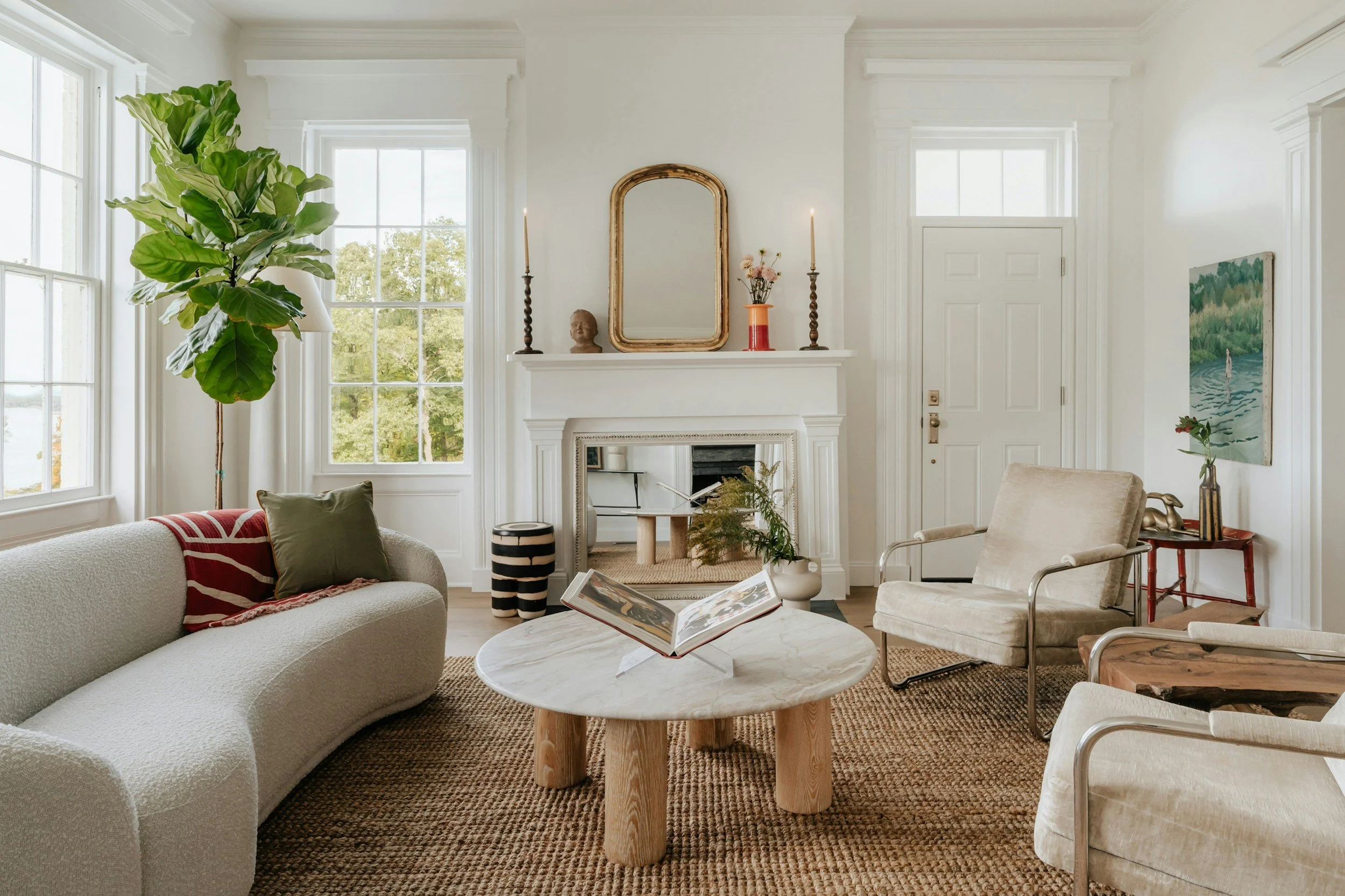
Start small to build momentum: Pick one highly visible area - your entryway, coffee table, or kitchen counter. Clear it completely, then only put back what actually belongs there. The mental boost from seeing that one space clean and intentional will motivate you to tackle everything else.
Step 4: Smart Storage That Actually Works
Here’s the thing about clutter-free homes - they’re not spaces without stuff. They’re spaces where everything has a logical, accessible place to live.
For 2026, think beyond basic bins and baskets:
Built-in solutions: Banquettes with storage underneath. Window seats with lift-up tops. Custom closet systems that maximize every inch.
Vertical storage: Floor-to-ceiling bookshelves. Wall-mounted bike racks. Tall, narrow cabinets that use height instead of floor space.
Hidden storage: Coffee tables with drawers. Beds with built-in storage. Staircases with pull-out drawers.
Multi-functional pieces: Dining tables that extend for entertaining. Desks that fold away when not needed. Mirrors that open to reveal jewelry storage.
My recommendation: Invest in at least one custom storage solution this year. Yes, it costs more upfront, but it becomes a design feature while solving a real problem. I’ve seen custom mudroom lockers and kitchen pantry systems completely transform how families function in their homes.
Step 5: Edit Your Color Palette Like a Pro
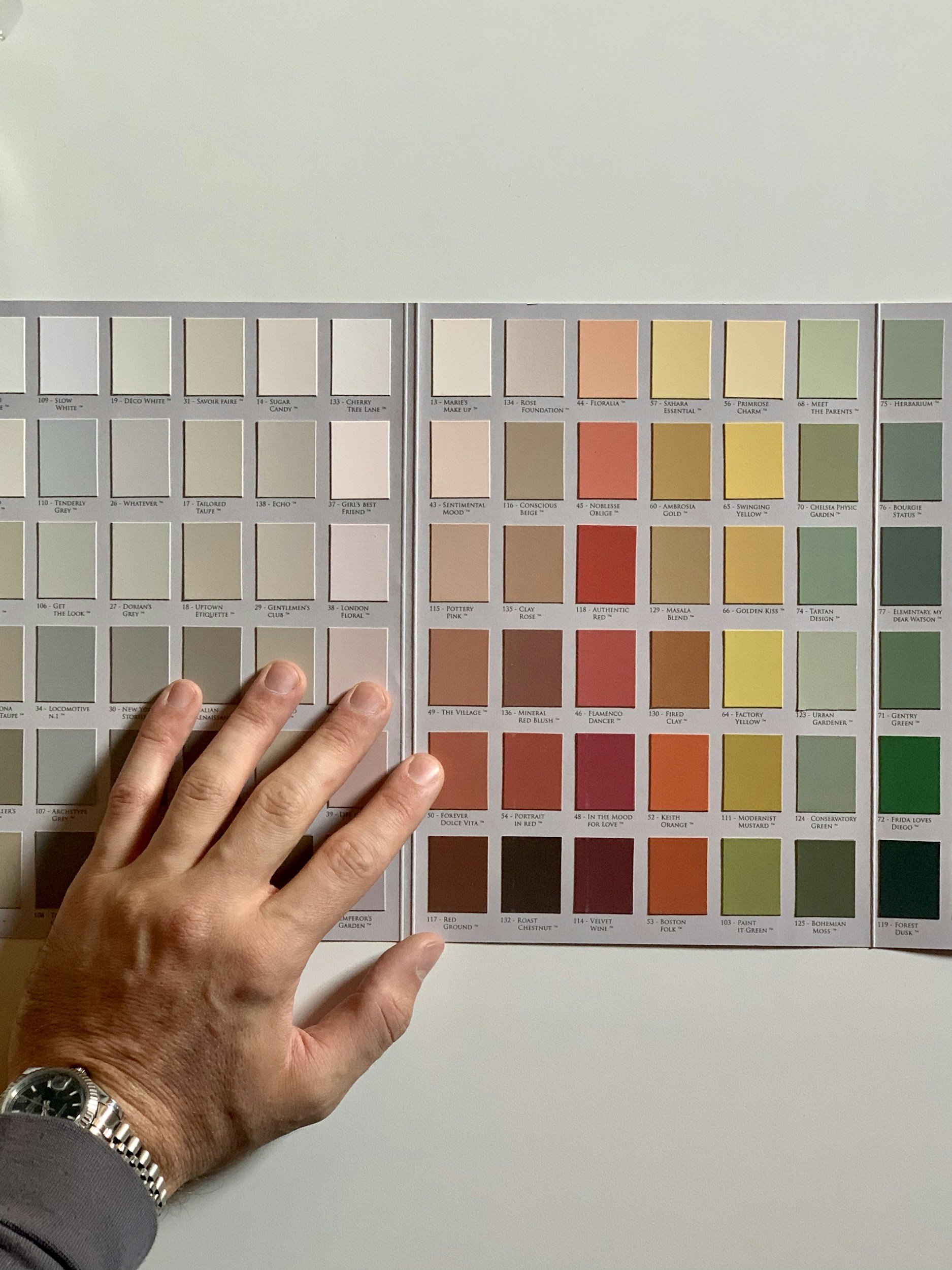
Visual clutter is just as overwhelming as physical clutter, and nothing creates visual chaos like too many competing colors and patterns.
For 2026, commit to a cohesive color story:
Pick 3-4 core colors for your entire home. Use one as your dominant neutral (walls, large furniture pieces), and the others as accents that appear throughout different rooms.
This year’s palette that’s both fresh and timeless:
Warm whites or soft grays as your base
One rich, grounding color like navy, forest green, or charcoal
One warm accent like terracotta, sage, or warm brass
Natural wood tones to add warmth and texture
The key: You want someone to be able to walk through your home and feel like everything belongs together, even if rooms have different functions and personalities.
Step 6: Lighting That Changes Everything
I cannot stress this enough - good lighting can make or break your entire design. It can also be your secret weapon for directing attention away from necessary clutter and toward the things you want people to notice.
Layer your lighting like this:
Ambient lighting: Overall room illumination from ceiling fixtures or large lamps
Task lighting: Focused light for specific activities - desk lamps, under-cabinet kitchen lighting, reading lights
Accent lighting: Decorative fixtures that add mood and highlight beautiful elements
2026 lighting trends that actually work:
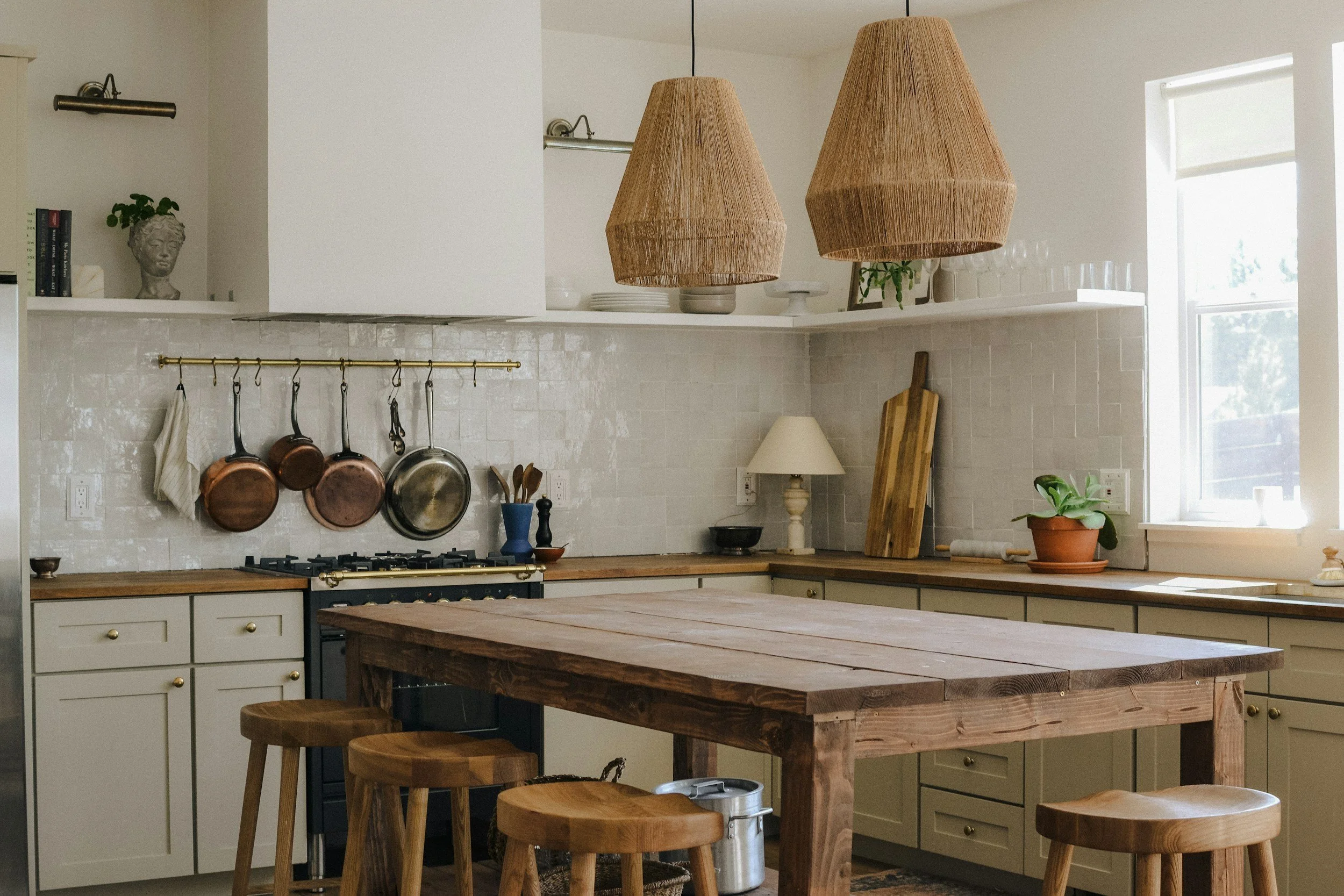
Oversized pendant lights as statement pieces
Warm LED bulbs everywhere (2700K-3000K)
Dimmers on everything possible
Table lamps at multiple heights to create layers
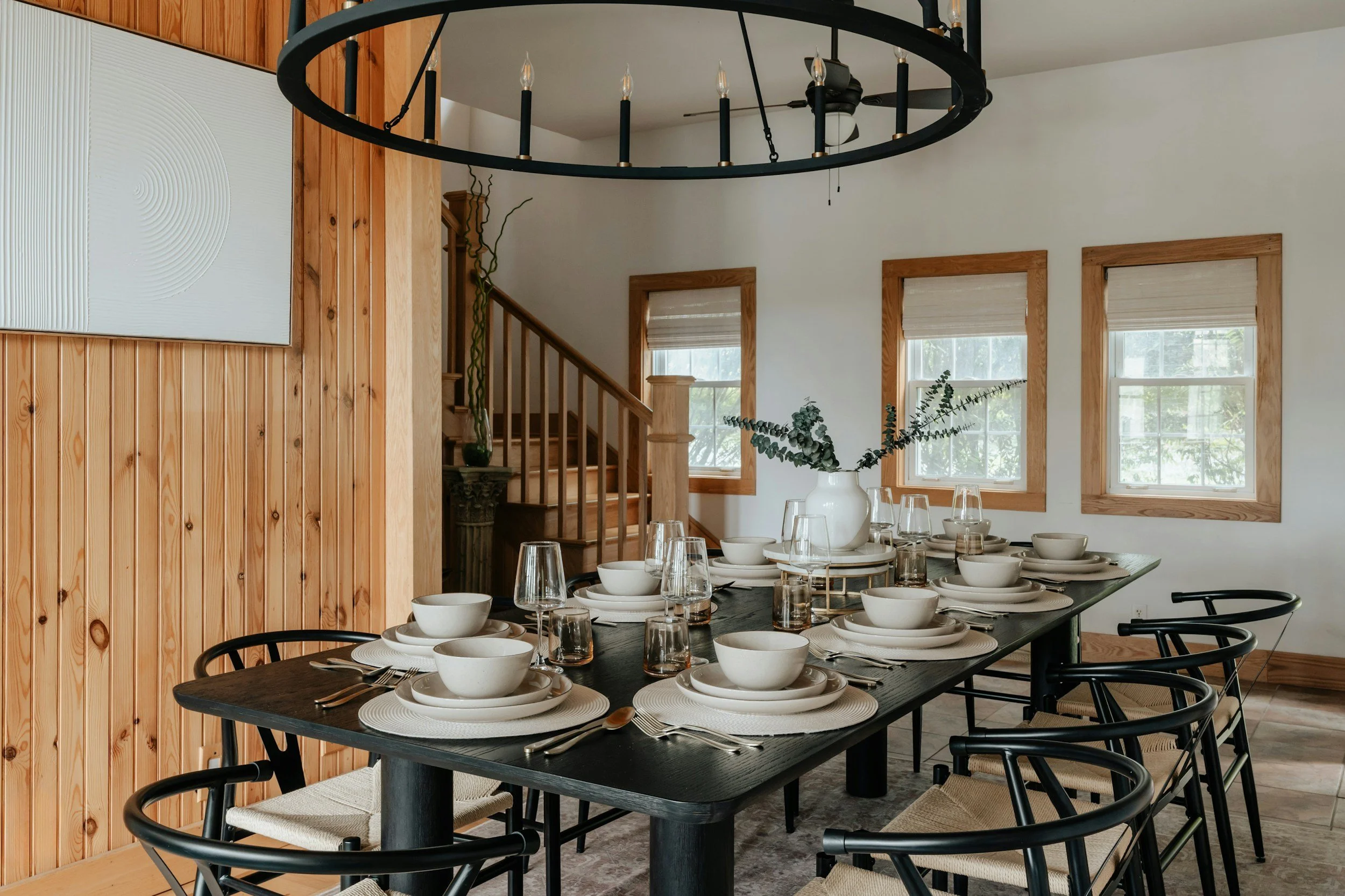
Bold move: Choose one dramatic light fixture for your main living space. It adds instant personality without adding clutter.
Step 7: Walls as Design Statements
In a clutter-free home, your walls become opportunities to add personality without adding stuff that needs to be dusted or organized.
Try these strategies:
Gallery walls done right: Consistent frame styles with varied art sizes. Plan the layout on the floor first, then hang everything at the same level (57-60 inches to the center of each piece).
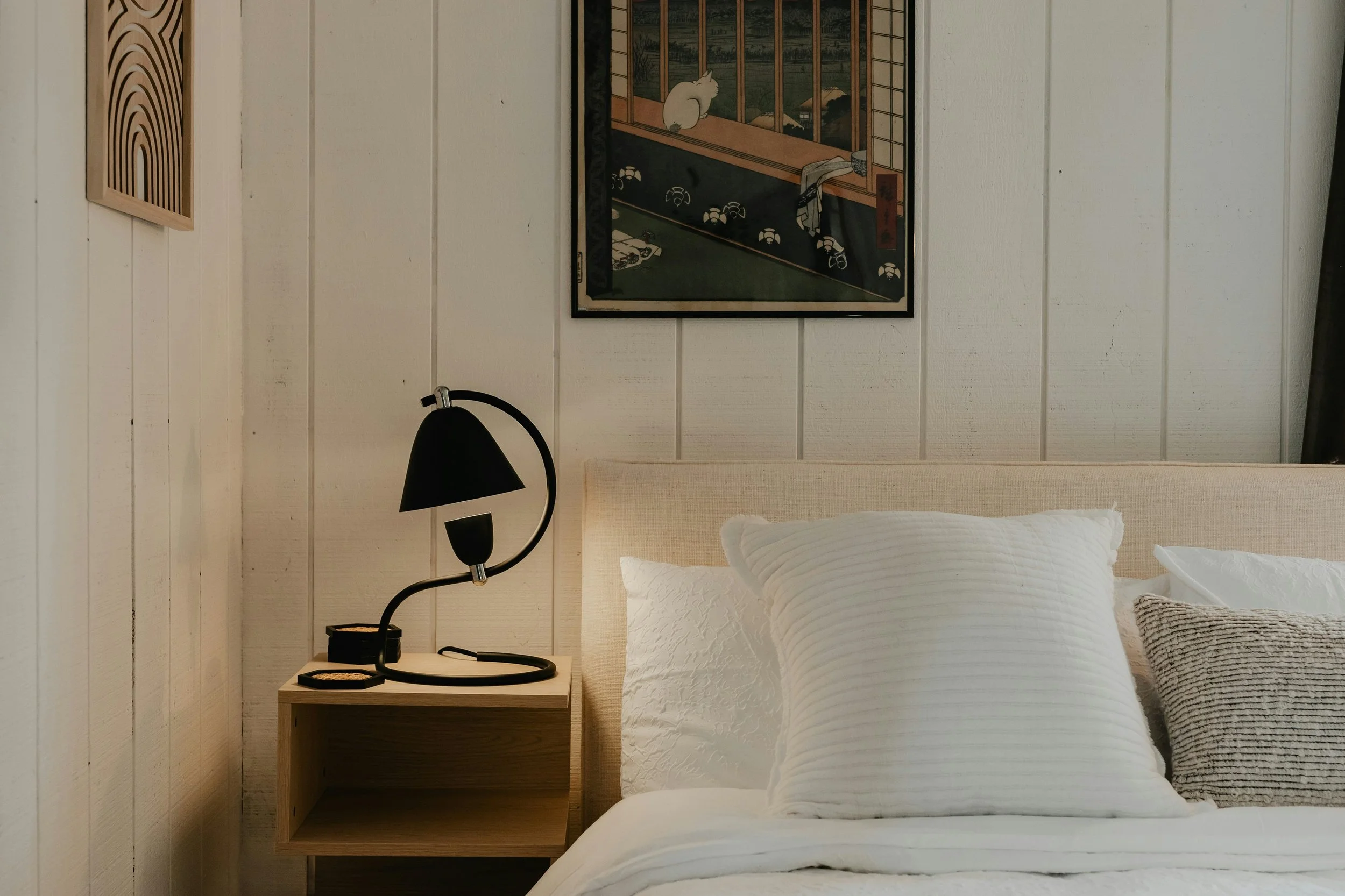
Architectural interest: Board and batten, picture molding, or textured wallpaper on one accent wall.
Floating shelves with restraint: Style them with a few beautiful objects, not collections of small items.
Bold color or pattern: One dramatic wall can transform an entire room without requiring any furniture changes.
Step 8: Bring the Outside In (But Make It Easy)
Plants and natural materials have this amazing ability to make spaces feel fresh, alive, and somehow more organized - even when nothing else has changed.
For 2026, skip the fake plants and choose real greenery that works for your lifestyle:
Snake plants and pothos for low-light areas
Fiddle leaf figs or monstera for statement pieces
Herbs on kitchen windowsills for beauty and function
Natural textures that add warmth without clutter:
Jute or sisal rugs
Raw-edge wood coffee tables
Linen curtains and throw pillows
Rattan or woven baskets for storage
Pro tip: Larger plants can act as natural room dividers in open floor plans - functional and beautiful.
Step 9: Design for Real Life (Not Instagram)
The most successful room makeovers I’ve done are the ones that account for how people actually live, not how they think they should live.
Design with maintenance in mind:
Surfaces that are easy to clean (goodbye, glass coffee tables if you have kids)
Storage that’s accessible, not just pretty
Furniture that fits your actual lifestyle (washable slipcovers, anyone?)
Materials that age well instead of showing every fingerprint
Be honest about your habits: If you’re someone who likes to spread out work projects, plan for that. If you’re a book-everywhere reader, create multiple reading nooks with good lighting and side tables.
Step 10: Personality Without Overwhelm
A fresh start doesn’t mean creating a sterile showroom - it means curating your space thoughtfully.
In 2026, aim for:
A few meaningful pieces in each room that tell your story
Quality over quantity in art, books, and decorative objects
Negative space as an intentional design element
Personal collections displayed thoughtfully, not scattered everywhere
My favorite rule: The “one beautiful thing” principle. Each surface or vignette should have one item that you genuinely love, supported by a few simple elements. Not ten things competing for attention.
Your Step-by-Step 2026 Fresh Start Action Plan
Week 1-2: Assessment and Planning
Walk through your home and identify function needs for each space
Take photos of problem areas to track progress
Choose your 3-4 color palette
Make your “now or never” declutter list
Week 3-4: Declutter and Edit
Apply the now-or-never rule room by room
Donate, sell, or trash items that don’t serve your 2026 vision
Clear surfaces completely before deciding what goes back
Week 5-8: Layout and Storage
Rearrange furniture for better flow
Identify and order one major storage solution
Plan lighting improvements
Week 9-12: Style and Finish
Add plants and natural textures
Hang art and create wall interest
Style surfaces with intention
Take after photos to celebrate your progress
The Investment That Pays Off
Here’s something I tell all my clients: good design isn’t an expense, it’s an investment in how you want to live. When your home works well, everything else gets easier. You entertain more. You feel more relaxed. You waste less time looking for things or feeling overwhelmed by your environment.
The changes that deliver the biggest impact:
Custom storage solutions (mudrooms, closet systems, built-ins)
Quality lighting throughout your home
Professional paint job in your signature color palette
One or two pieces of furniture that perfectly fit your space and lifestyle
Making It Happen (Without Burning Out)
The biggest mistake people make with home projects is trying to do everything at once. Pick one area to focus on each month. Complete it fully before moving to the next space. This way, you’ll have constant motivation from seeing finished areas, and you won’t live in renovation chaos for months.
Start with the space that will give you the most daily satisfaction: Usually your bedroom, kitchen, or main living area. Success in one room will motivate you to tackle the rest.
Your 2026 Design Mindset Shift
This year, instead of asking “What’s trending?” ask “What would make my daily life better?”
Instead of “How can I fit more stuff?” ask “What can I remove to make this space work better?”
Instead of “What should I have?” ask “What do I actually need and love?”
This mindset shift is what separates spaces that look good in photos from spaces that actually improve your quality of life.
The Bottom Line: Bold Moves, Lasting Results
2026 isn’t about chasing trends or overhauling your entire home in a weekend. It’s about making bold, intentional design moves that clear space - physically, visually, and mentally - so your home supports the life you actually want to live.
Every choice you make this year, from that custom storage solution to the clutter-clearing session to the cohesive color palette, is a step toward a home that feels as fresh and full of possibility as this new year.
Ready to make 2026 the year your home finally works for you? Start with one bold move - whether that’s clearing a surface, rearranging a room, or investing in that storage solution you’ve been thinking about. Small actions, taken consistently, create transformational results.
Here’s to saying goodbye to clutter and hello to a home that makes you happy every single day.

If you are looking to transform your space, interested in Asheville real estate, or just want to say hi, I'd love to connect!
Not quite ready for a full on design project? Take a step towards transformation with the 30 Minute Home Refresh Guide.
READ MORE

Book a Call