Design Your 2026 Home Goals: How to Create a Space That Supports the Life You Want
Can I be honest with you about something? After years of helping people transform their spaces, I’ve noticed a pattern that breaks my heart a little.
People will spend months planning their career goals, mapping out fitness routines, and setting detailed financial targets for the new year. But when it comes to their homes - the spaces where they spend most of their lives - they treat design like an afterthought. Something to get to “when they have time” or “when they can afford it.”
Here’s what I’ve learned: your home isn’t just a backdrop for your life. It’s actively shaping how you feel, how you function, and how you show up in the world every single day.
As we head into 2026, I want to challenge you to think differently about your space. Instead of treating home design as a luxury or a “someday” project, what if you approached it as a strategic tool for reaching your bigger life goals?
Because here’s the truth - when your home truly supports the life you want to live, everything else gets easier.
Why Your Home Goals Matter More Than You Think
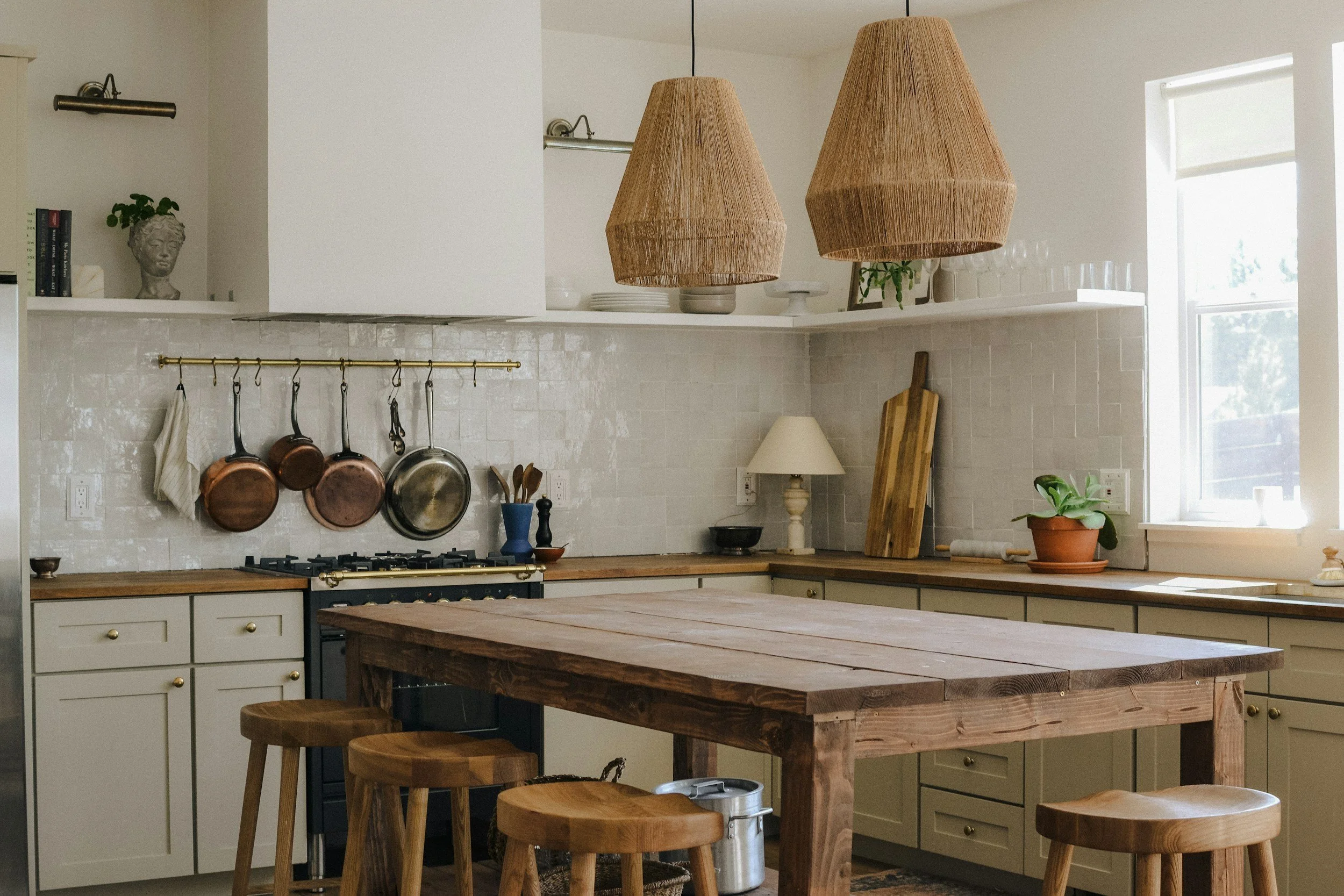
Let me paint a picture for you. You set a goal to eat healthier in 2026, but your kitchen is cluttered, dimly lit, and missing the tools that make cooking enjoyable. How likely are you to stick with that goal when grabbing takeout is easier than navigating your chaotic kitchen?
Or maybe you want to work from home more effectively, but your “office” is actually the corner of your bedroom with a wobbly table and no proper lighting. Every day, you’re fighting your environment instead of being supported by it.
Your space influences everything else you’re working toward:
Productivity goals? A clutter-free, well-lit workspace makes all the difference
Health goals? A kitchen that supports fresh cooking and a space that encourages movement
Relationship goals? Cozy, intentional spaces that invite connection and conversation
Creativity goals? Inspiring environments that fuel your imagination
Peace of mind goals? Organized, calming spaces that reduce daily stress
When you design with intention, your home becomes your secret weapon for achieving the life you want - not an obstacle standing in your way.
Ask yourself these questions:
How do I want to feel when I’m at home?
What activities do I want to make more space for in my life?
What daily routines do I want my home to support?
How do I want to use my space differently than I do now?
What’s currently frustrating me about my home, and how is it impacting my daily life?
For example:
If wellness is your focus, you might envision morning yoga in a peaceful space, cooking fresh meals in an organized kitchen, and sleeping deeply in a calm, tech-free bedroom.
If your goal is deeper connections, you might want a dining area that encourages lingering conversations, a living room that feels welcoming to guests, and spaces that make hosting feel effortless rather than stressful.
If creative productivity is your priority, you might need an inspiring workspace, organized storage for supplies, and colors and lighting that energize rather than drain you.
The key: Be specific about the life you want to live, not just the look you want to achieve.
Step 2: Audit Your Current Space (And Be Brutally Honest)
Now comes the hard part - taking an honest look at how your current space is helping or hindering your goals.
Walk through your home and really pay attention to:
Where do you avoid spending time, and why?
What areas feel cluttered, chaotic, or just “off”?
Where does the lighting make you feel tired or uninspired?
What furniture is uncomfortable or no longer serves your lifestyle?
Which spaces support your goals, and which ones work against them?
Pro tip: Take photos of each room. Looking at your spaces through a camera lens helps you see them more objectively - the way a guest or potential buyer might. You’ll notice things you’ve been unconsciously overlooking.
Red flags to watch for:
Surfaces that are always cluttered (sign of inadequate storage)
Rooms you walk through but never use (wasted potential)
Furniture that doesn’t fit your space or lifestyle
Poor lighting that makes tasks difficult
Layouts that create bottlenecks or feel awkward
Step 3: Create Your 2026 Design Vision

This is where strategy meets creativity. You’re going to translate your life goals into a clear, actionable design direction.
Build your vision with:
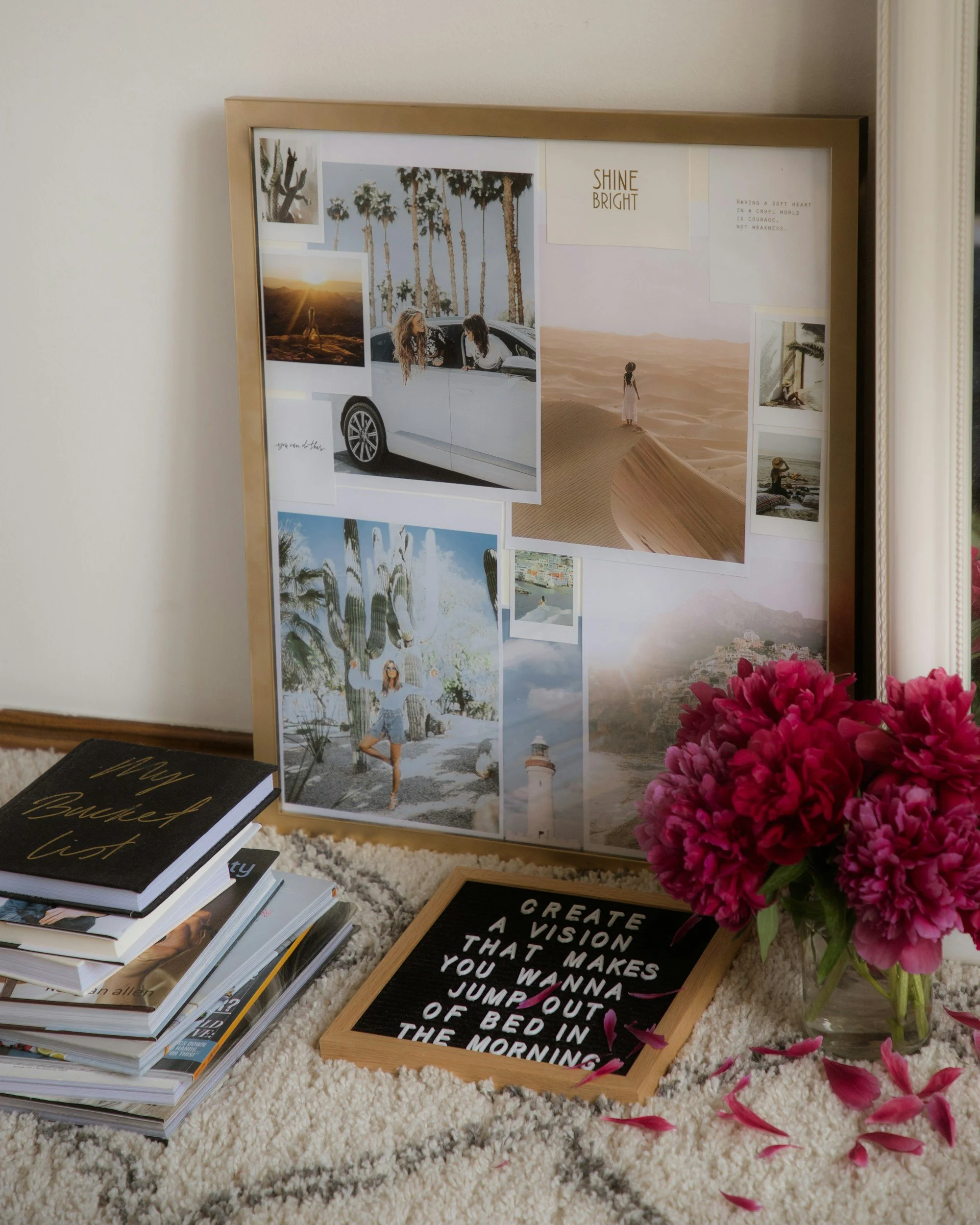
Mood boards: Use Pinterest, Instagram saves, or even magazine cutouts to gather colors, textures, furniture styles, and room layouts that align with your goals. Look for patterns in what draws you.
Priority lists: Separate must-have changes from nice-to-have upgrades. Focus on the changes that will have the biggest impact on your daily life first.
Budget planning: Assign realistic budgets to each project. Remember, some of the most impactful changes - like paint, lighting, and decluttering - cost very little.
Timeline mapping: Some changes can happen in a weekend. Others need to be planned months in advance. Map out your year so you’re making steady progress.
Step 4: Quick Win Design Moves That Transform Your Life
You don’t need to gut-renovate your entire home to see dramatic improvements in how it supports your goals. These changes can often be implemented in a weekend and make an immediate difference:
Lighting That Actually Works
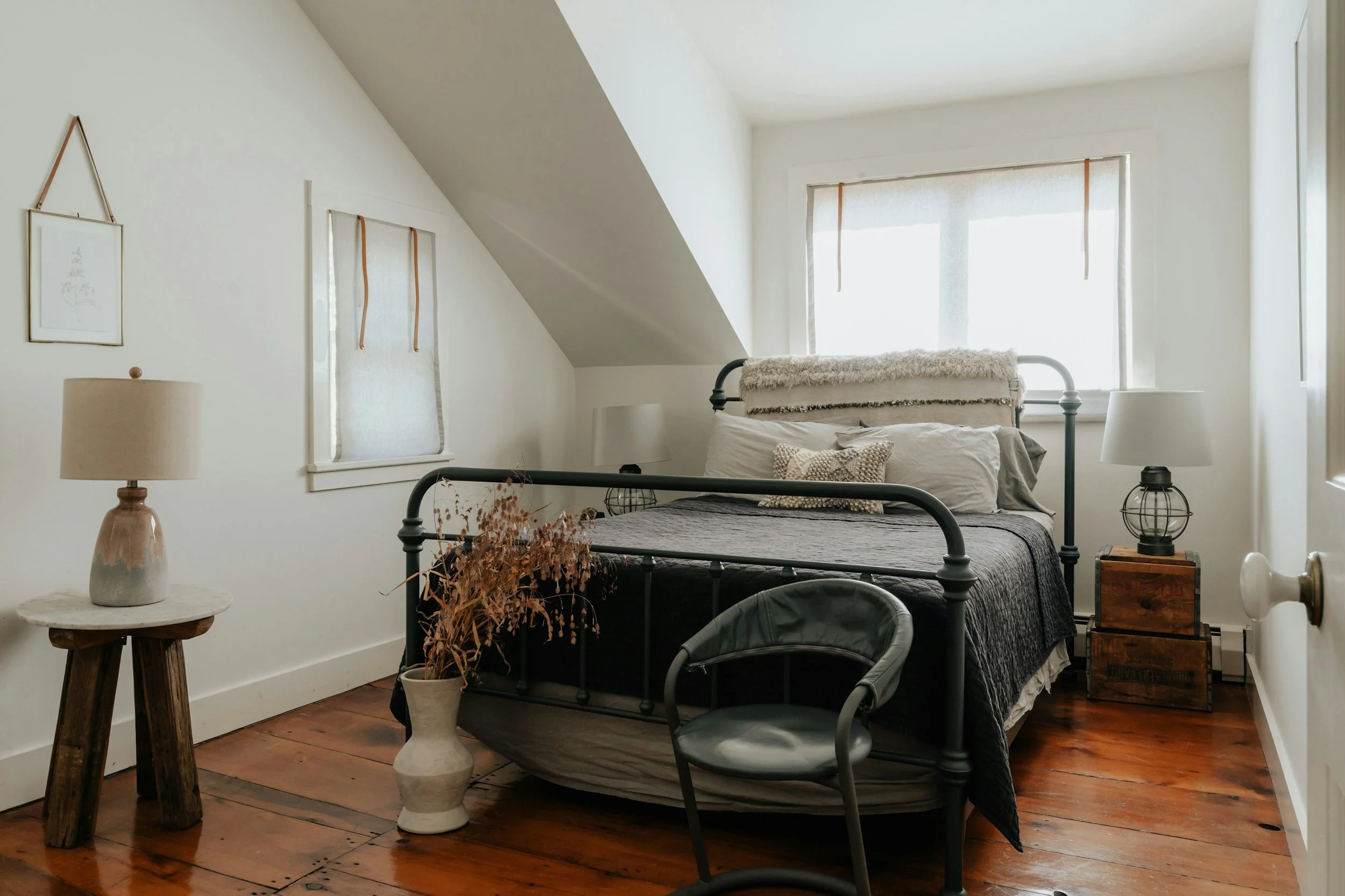
Replace harsh overhead lighting with layered options - table lamps, floor lamps, and task lighting. Good lighting changes how you feel in a space instantly and supports everything from productivity to relaxation.
Paint for Purpose
Choose colors that support your goals. Calming blues and greens for bedrooms. Energizing but warm colors for workspaces. Rich, welcoming tones for gathering areas.
Textiles That Transform
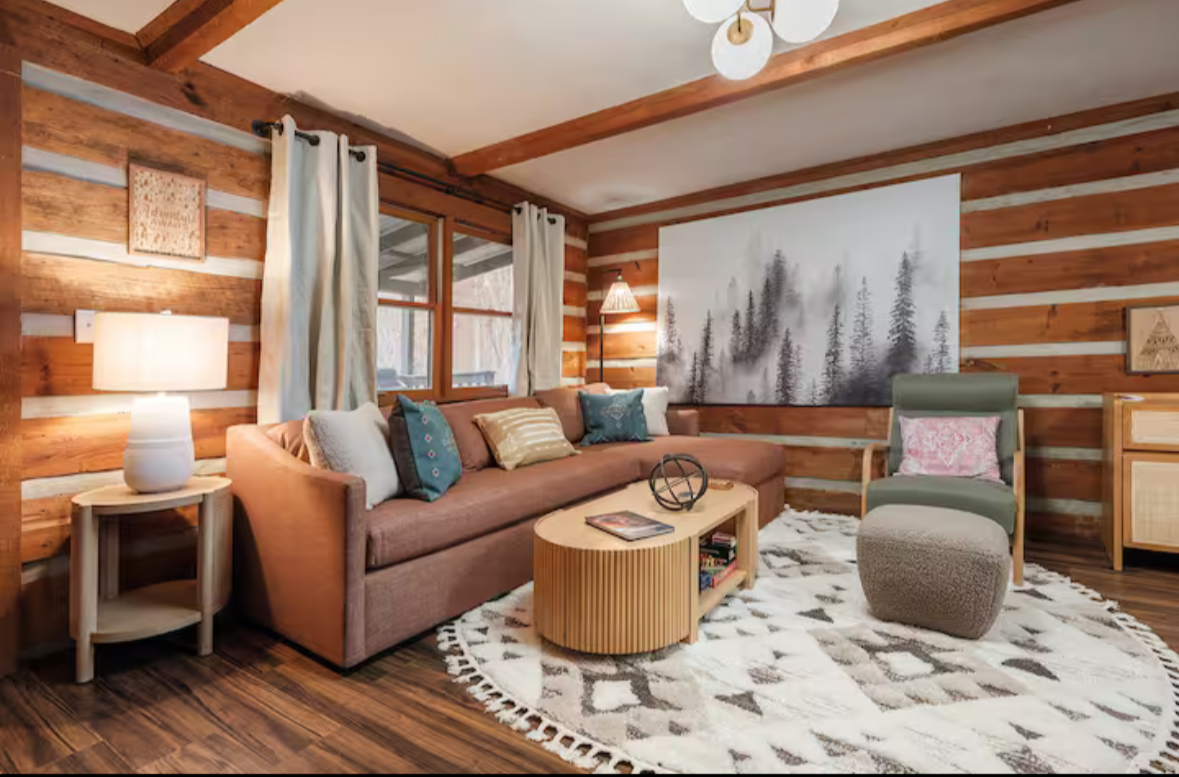
Swap out curtains, rugs, throw pillows, and blankets to instantly change the mood and comfort level of any room. This is one of the fastest ways to make a space feel completely different.
Declutter with Intention
Clear visual noise so your priorities can shine. Every surface doesn’t need to be covered with objects. Give your important things space to breathe.
Bring Nature Indoors
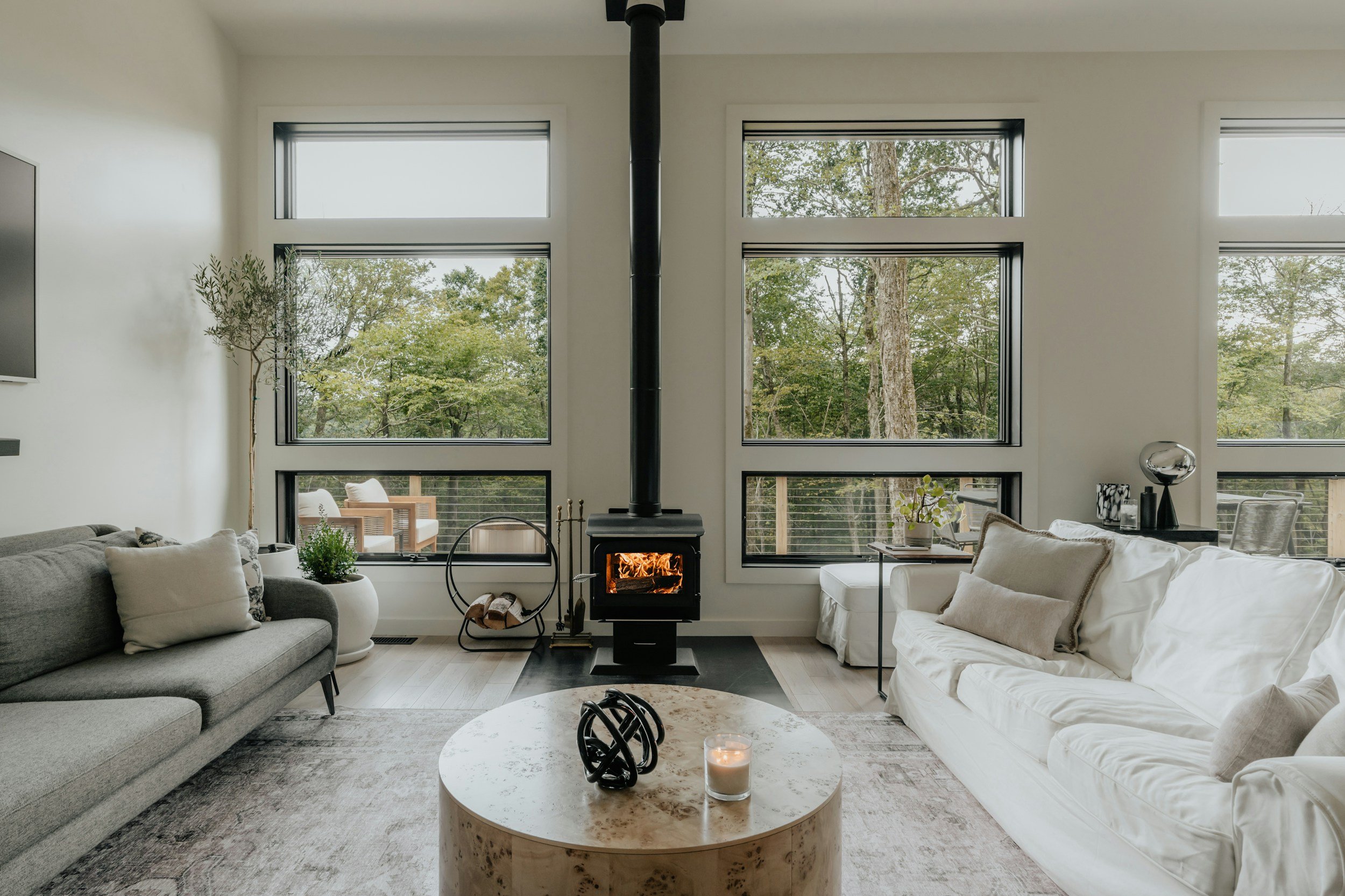
Plants, natural wood, stone, and organic textures help create calm, grounding environments that support both physical and mental wellbeing.
Step 5: Align Every Design Choice with Function
Here’s where most people get tripped up - they choose things because they’re pretty, not because they’re purposeful. But when form and function work together, that’s when your home becomes truly supportive.
Match your design moves to your specific goals:
Goal: Host more dinner parties
Design moves: Extendable dining table, comfortable chairs people want to linger in, layered lighting for ambiance, easy-to-clean surfaces
Goal: Improve sleep quality
Design moves: Blackout curtains, calming paint colors, comfortable bedding, tech-free bedside setup, noise-reducing rugs
Goal: Work from home effectively
Design moves: Dedicated workspace with good lighting, ergonomic seating, organized storage, minimal distractions
Goal: Exercise at home regularly
Design moves: Clear floor space, motivating colors, mirror for form checking, storage for equipment
Goal: Cook more healthy meals
Design moves: Well-organized pantry, good counter lighting, quality tools within reach, inspiring colors
Step 6: Design for Flow, Not Just Photos
How you move through your home affects your stress levels, productivity, and overall wellbeing more than you might realize.
Look for these flow problems:
Furniture blocking natural walking paths
Work zones and relaxation zones bleeding into each other
Natural light being blocked by poor furniture placement
Bottlenecks in high-traffic areas
Storage that’s pretty but not accessible
Sometimes simply rearranging what you already have can dramatically improve how your space functions - without spending any money.
Good flow feels like:
Moving naturally from room to room
Everything having a logical place
Smooth transitions between different activities
Easy access to the things you use most
Step 7: Plan Your Projects in Strategic Phases
Big transformations can feel overwhelming, but breaking them into phases makes them totally manageable - and helps you see progress along the way.
Phase 1: Foundation (Weeks 1-4)
Declutter and organize
Update lighting where needed
Paint key spaces
Rearrange furniture for better flow
Phase 2: Function (Months 2-6)
Add storage solutions
Upgrade key furniture pieces
Improve problem areas
Add plants and natural elements
Phase 3: Refinement (Months 6-12)
Fine-tune color schemes
Add art and personal touches
Consider larger renovations if needed
Evaluate and adjust
The beauty of phases: You can live in and enjoy improvements at each stage instead of waiting months for everything to be “perfect.”
Step 8: Know When to Get Professional Help
Some projects are perfect for DIY. Others benefit enormously from professional expertise - and can actually save you money in the long run by avoiding costly mistakes.
Consider working with a designer when you:
Want a cohesive look throughout your home
Need help with space planning or layout challenges
Want access to resources and materials you can’t find on your own
Have a significant budget and want to maximize its impact
Feel overwhelmed by choices or don’t know where to start
A good designer helps you:
Avoid expensive mistakes
Create a cohesive vision
Source unique pieces and materials
Coordinate contractors and timelines
Stay within budget while maximizing impact
Step 9: Make It Authentically Yours
Trends come and go, but a home that truly supports your life feels authentically like you.
Personal touches that matter:
Art, photos, and objects that tell your story
Colors you’re naturally drawn to
Textures and materials that feel good to you
Furniture scaled for your body and lifestyle
Spaces that reflect your hobbies and interests
Remember: Instagram-worthy doesn’t always mean life-supporting. Choose what makes you feel at home, not what looks good in photos.
Asheville-Specific Strategies for 2026
If you’re here in our beautiful mountain region, you can tap into what makes Asheville homes special:
Embrace seasonal comfort: Plan for cozy winters with layered lighting, soft textures, and warm colors. Design summer spaces that stay cool and connect to outdoor areas.
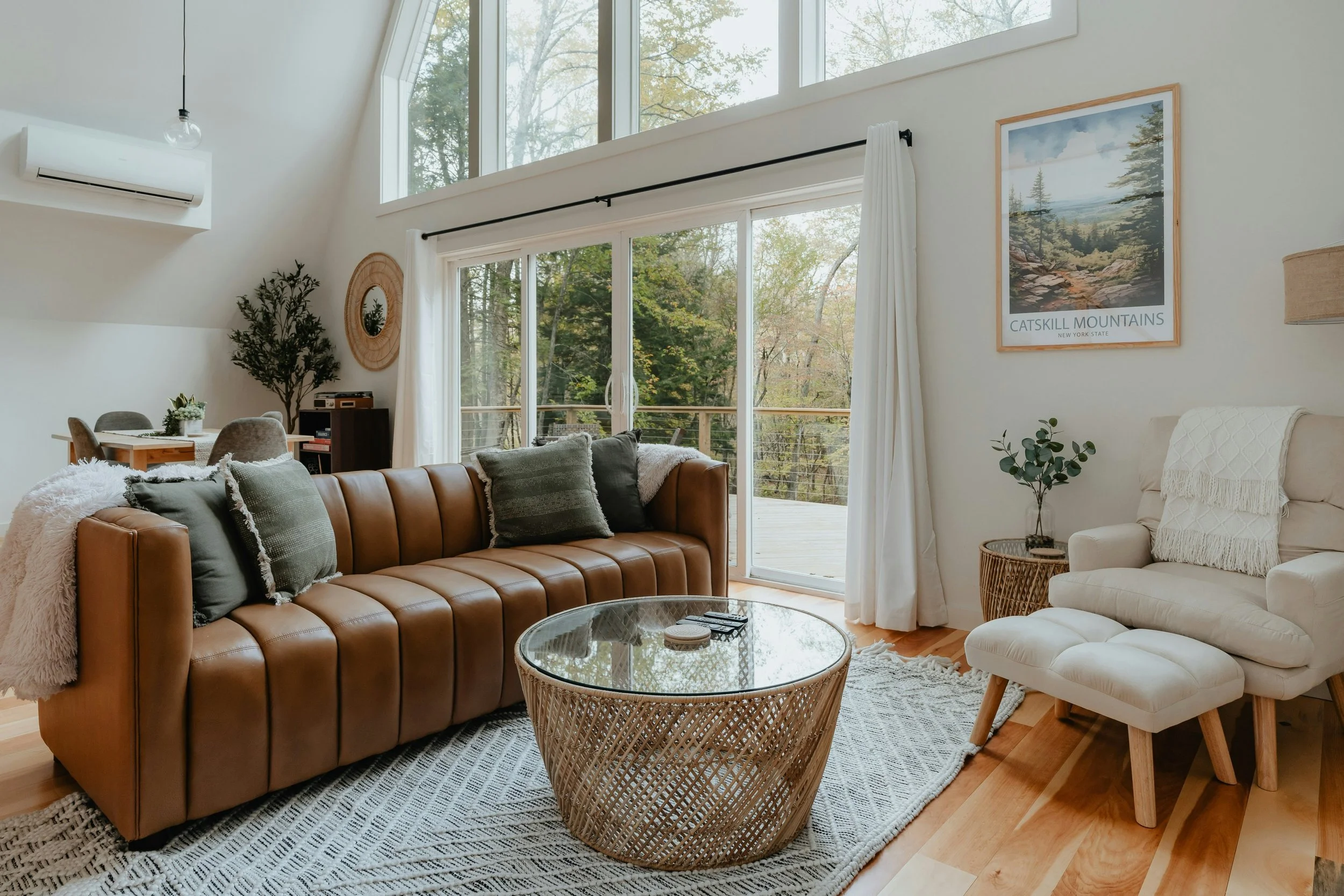
Connect with nature: Use large windows, indoor plants, and natural materials to echo our incredible outdoor environment year-round.
Support local artisans: Source furniture, pottery, textiles, and art from Asheville makers for truly one-of-a-kind pieces that reflect our community’s creativity.
Design for flexibility: Many mountain homes are smaller or have unique layouts. Make rooms work double-duty with multifunctional furniture and smart storage.
Plan for entertaining: Asheville’s social culture loves gathering. Design spaces that make hosting feel natural and enjoyable.
Common Mistakes That Sabotage Your Home Goals
Designing for an imaginary lifestyle: Be honest about how you actually live, not how you think you should live.
Focusing only on looks: Pretty but impractical choices will frustrate you daily.
Trying to do everything at once: Overwhelming yourself leads to decision paralysis and half-finished projects.
Ignoring lighting: Bad lighting can ruin even the most beautiful spaces.
Skipping the planning phase: Jumping straight to shopping usually leads to purchases you regret.
Not considering maintenance: High-maintenance choices work against busy lifestyles.
Measuring Success: How You’ll Know It’s Working
Your home is successfully supporting your 2026 goals when:
You look forward to spending time in your spaces
Daily routines feel smoother and less stressful
You naturally engage in the activities you wanted to prioritize
Friends and family comment on how good your space feels
You feel energized rather than drained by your environment
Maintenance and organization feel manageable, not overwhelming
Your 2026 Action Plan
January: Define your life goals and audit your current space
February: Create your design vision and prioritize projects
March: Tackle Phase 1 changes (declutter, paint, lighting)
April-June: Implement Phase 2 improvements (furniture, storage, flow)
July-September: Add Phase 3 refinements (art, accessories, fine-tuning)
October-December: Evaluate, adjust, and plan for 2027
The Investment That Pays Daily Dividends
Here’s something I want you to remember: investing in a home that supports your goals isn’t vanity or luxury - it’s strategy. When your environment works with you instead of against you, you’re more likely to achieve everything else you’re working toward.
Every day you spend in a space that supports your goals is a day you’re:
More productive and focused
Less stressed and more relaxed
More likely to maintain healthy habits
Better able to connect with family and friends
Living more intentionally and purposefully
Ready to Design Your 2026?
Your home has incredible potential to support the life you want to live this year. It can be your partner in achieving health goals, productivity goals, relationship goals, and personal growth goals.
The question isn’t whether you can afford to invest in creating a supportive home - it’s whether you can afford not to.
Start with one room. Start with one goal. Start with one weekend project.
But start. Because 2026 is waiting, and your home should be cheering you on every step of the way.
Ready to create a space that truly supports your 2026 goals? Let’s talk about how thoughtful design can become your secret weapon for the year ahead.

If you are looking to transform your space, interested in Asheville real estate, or just want to say hi, I'd love to connect!
Not quite ready for a full on design project? Take a step towards transformation with the 30 Minute Home Refresh Guide.
READ MORE

Book a Call