Stop Guessing Your Airbnb Price — Here's the Strategy That Actually Fills Your Calendar
Smart Airbnb pricing is built on four things: a seasonal rate structure, weekend premiums, strategic minimum stays, and regular market check-ins. Hosts who treat pricing as an active part of their business — not a one-time setup task — consistently outperform their competition regardless of property size or location. If you set your rate once and walked away, you're leaving money on the table every single week. Here's how to stop doing that.
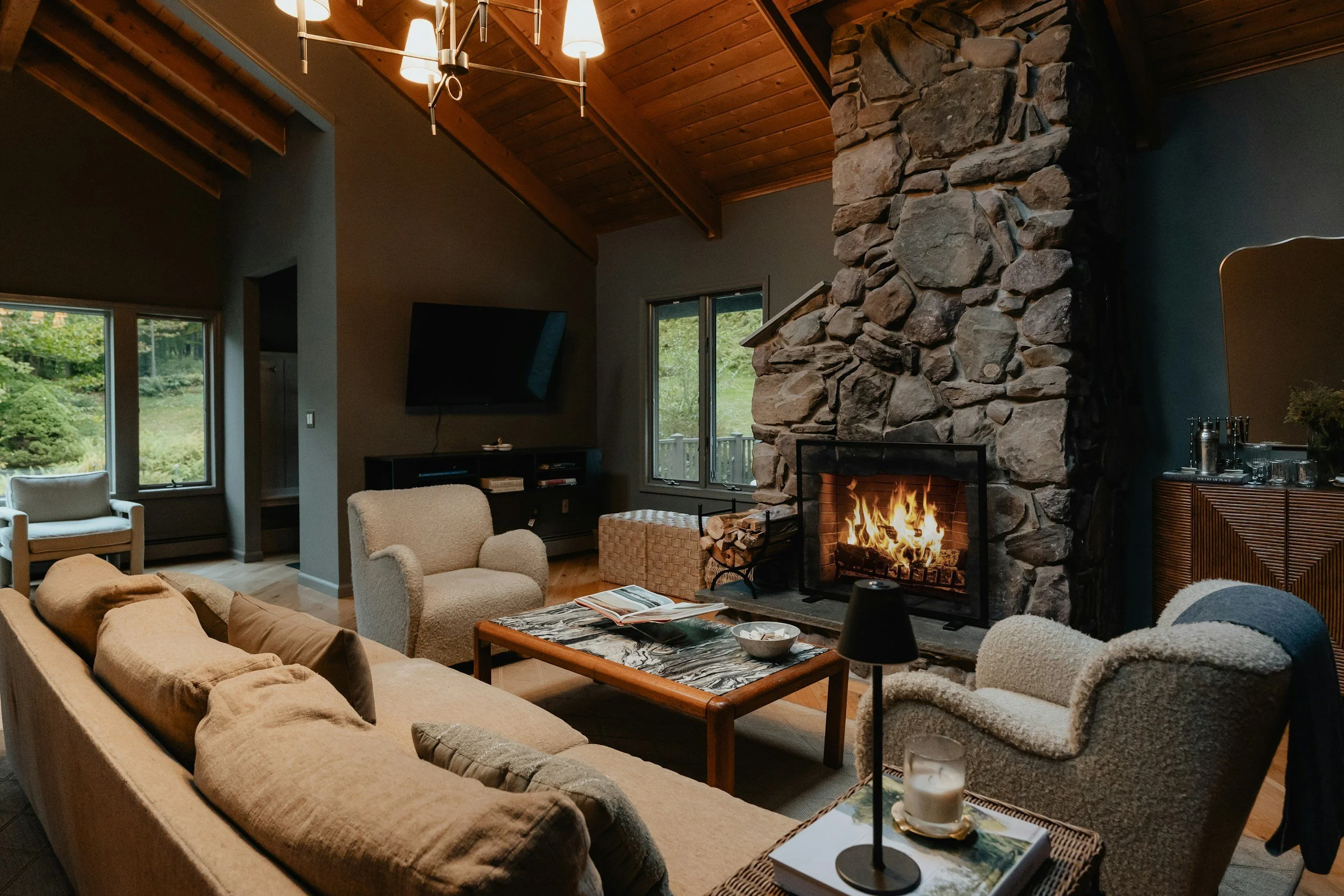
Why is my Airbnb not getting booked even with a competitive price?
There's a moment every Airbnb host knows well. Your listing is live, your price feels reasonable, and you're refreshing your calendar like it owes you money. Some nights book immediately. Others sit empty for weeks. And you have absolutely no idea why.
So you do what most hosts do. You lower the price a little. Maybe it fills, maybe it doesn't. You raise it back up. A holiday weekend comes and goes and you realize three days later you could have charged twice as much. You leave money on the table so often it's basically a permanent fixture in your living room.
Here's the uncomfortable truth: random pricing is one of the fastest ways to underperform as a short-term rental host — and most hosts are doing exactly that. The good news is that pricing strategically isn't complicated once you understand what actually drives it. You don't need a finance degree. You need a framework, a little data, and about an hour of your time.
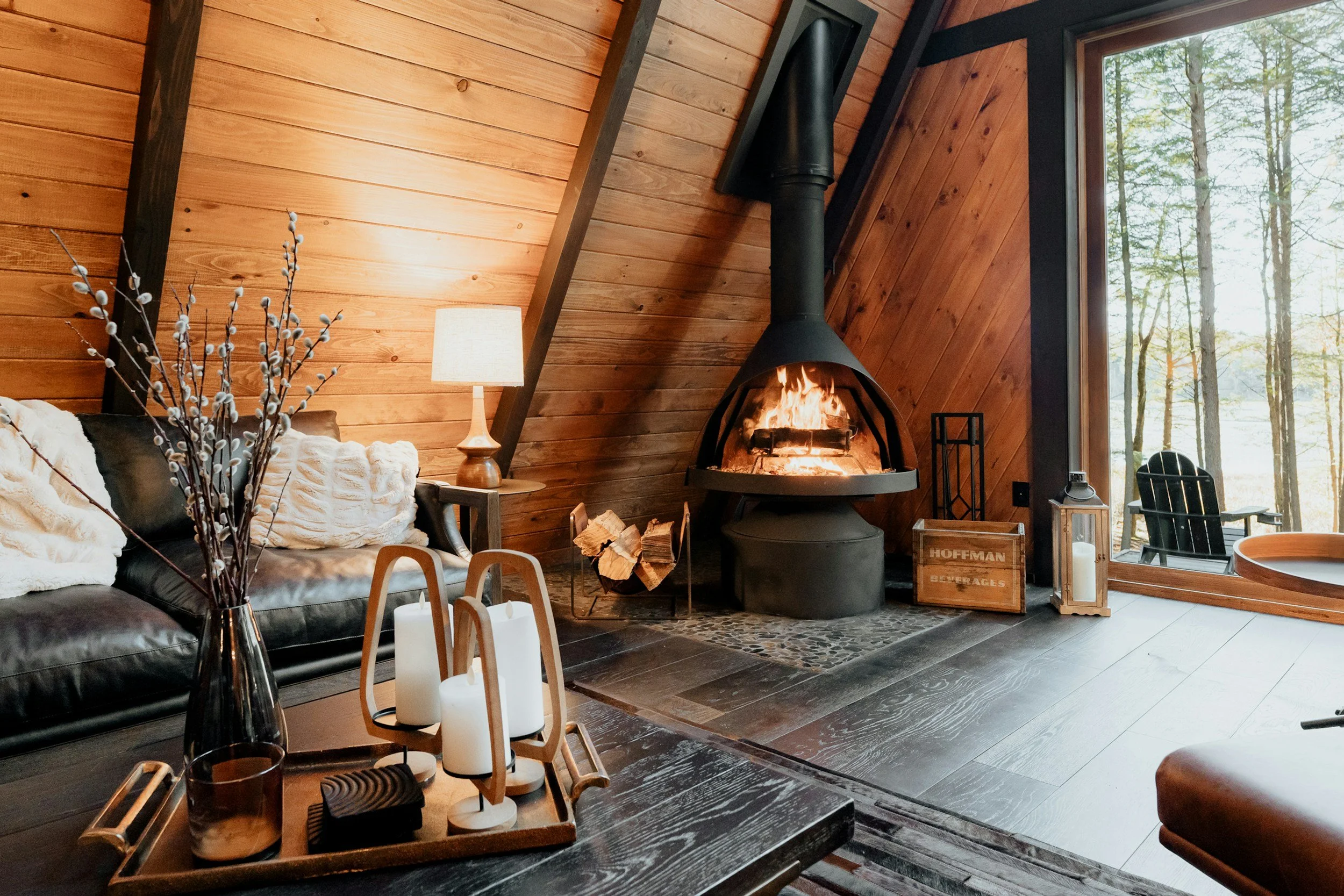
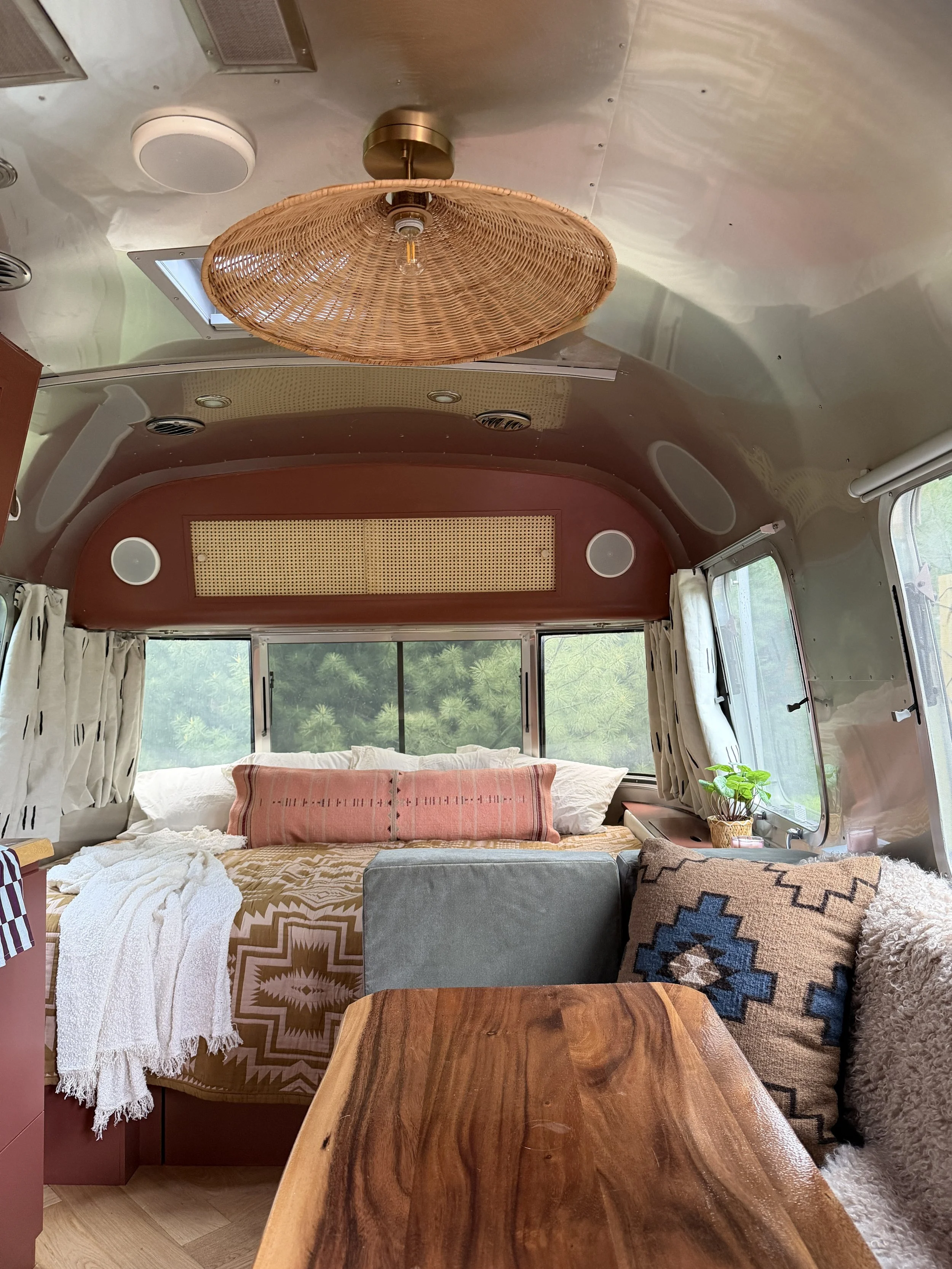
Before we talk pricing strategy, it's worth acknowledging that price alone doesn't fill calendars. If your listing photos are flat, your description is boring, or your property doesn't have a clear identity, no pricing strategy will save you. Design and presentation matter just as much as rate — and a well-designed space with great photos can command premium pricing that an average listing simply cannot. That part of the equation is covered in detail over here: why your Airbnb isn't getting booked probably has nothing to do with your price.
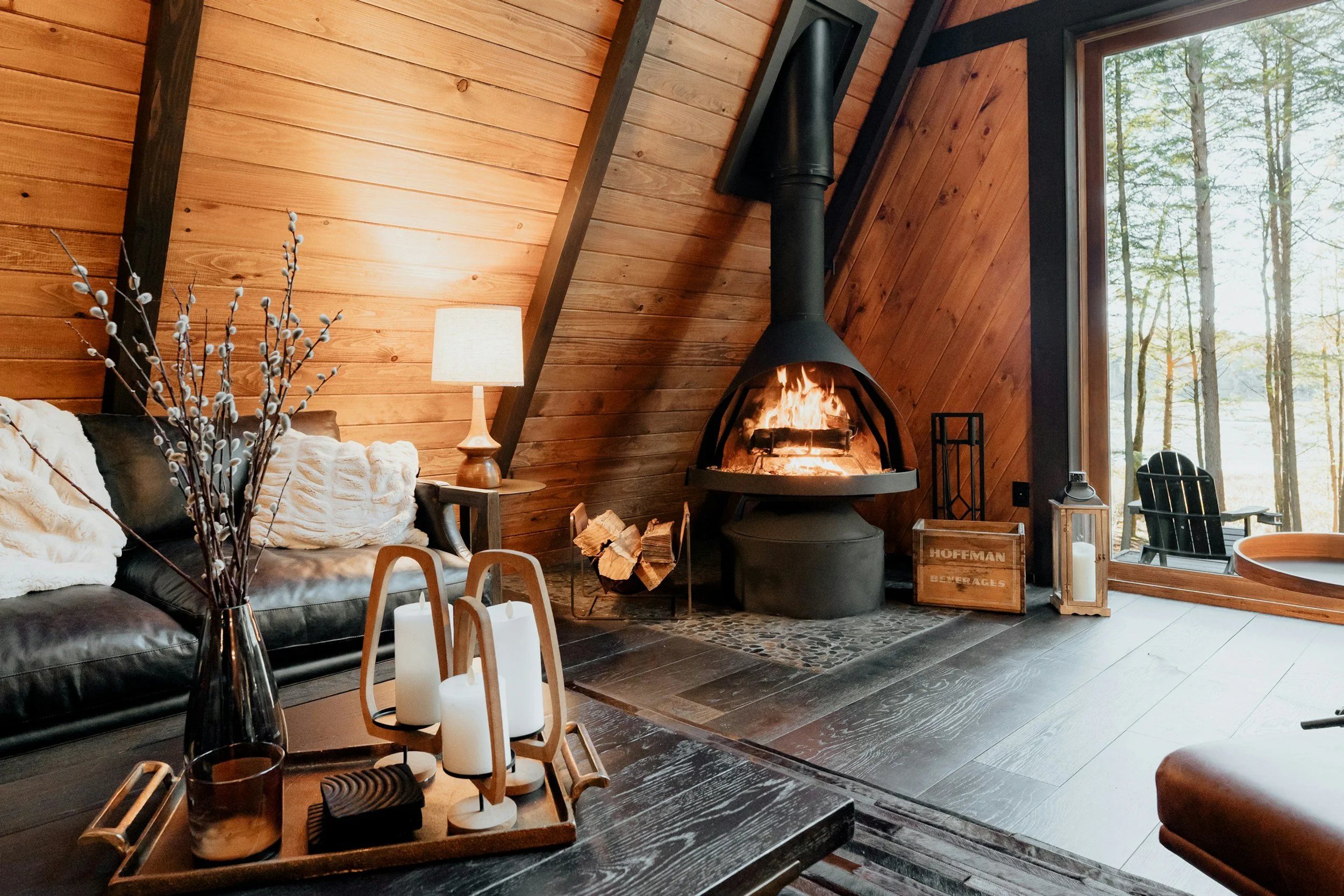
What is the biggest Airbnb pricing mistake hosts make?
The single biggest pricing mistake hosts make is treating their nightly rate like a thermostat — set it once, leave it alone, and assume it's doing its job.
It isn't.
Airbnb pricing is dynamic by nature. Demand in your market shifts constantly based on the day of the week, local events, seasonality, what your competition is doing, and how far out a guest is booking. A rate that makes perfect sense on a random Tuesday in February is completely wrong for a Friday night in October during leaf season in the mountains. Same property, completely different market conditions, completely different price.
When you set a flat rate and walk away, you're pricing for the middle — which means you're overpriced when demand is low (so you sit empty) and underpriced when demand is high (so you fill instantly but leave serious money behind). Neither outcome is what you're going for.
The second biggest mistake is competing on price alone. If your strategy is simply to be the cheapest option in your market, you will attract price-sensitive guests, burn out your property faster, and make less money than hosts with half the bookings who are charging double. Compete on quality, presentation, and guest experience — then price accordingly.
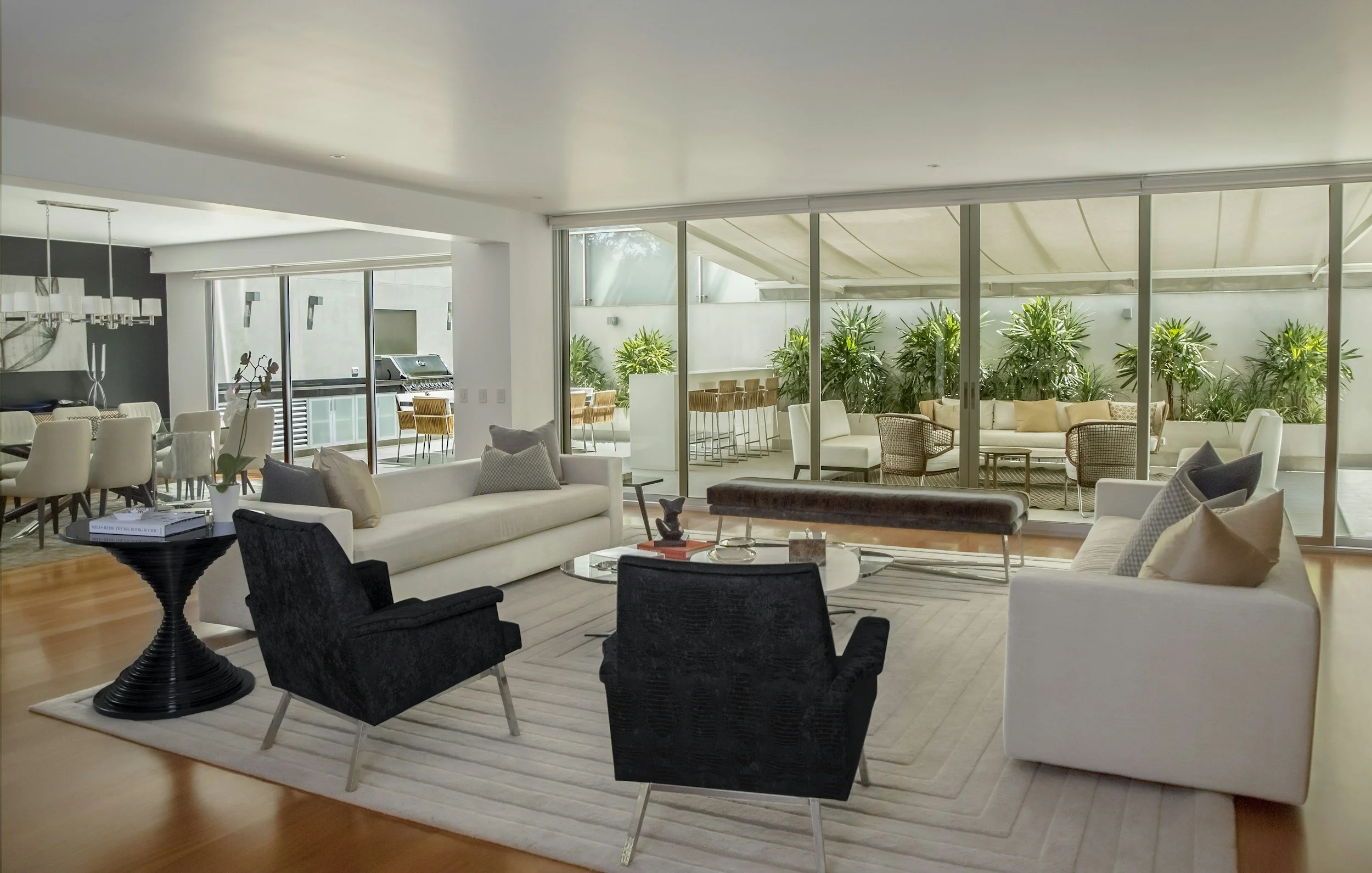
How do I find the right nightly rate for my Airbnb?
Before you can price intelligently, you need to know what the market around you actually looks like. Search Airbnb as if you were a guest. Filter for your property type, approximate size, and general area. Look at what comparable listings are charging on a regular weeknight, a weekend, and a holiday. Note which ones are consistently fully booked and which ones have availability stretching weeks out.
A well-designed, thoughtfully furnished property with strong reviews and professional listing photos should be sitting in the upper third of that range — not the bottom. If you're pricing at the bottom to compete on price alone, you're attracting price-sensitive guests and underselling your asset. If your property is genuinely well-done, price it like it is.
AirDNA is one of the most useful tools for this research. It shows you actual revenue data, occupancy rates, and average daily rates for comparable listings in your specific market — not guesses, real numbers. Spend an hour with AirDNA before you finalize your rate structure and you'll have more useful data than most hosts ever look at.
How do I build a seasonal pricing strategy for my short-term rental?

Think of your year in three tiers. High season covers your market's peak demand periods — for Western NC hosts, that's typically spring wildflower season, summer, and fall color season. Shoulder season is when demand is moderate and you need to stay competitive without racing to the bottom. Low season is when you'll need to drop rates to maintain occupancy, but not so low that you attract guests who treat your property like it's disposable.
Set a base rate for each tier. Then apply a weekend premium — most markets support a 20 to 30 percent increase on Friday and Saturday nights. Don't guess at this; look at what comparable listings in your market are actually charging on weekends versus weeknights and calibrate from there.
For holidays and local events, add a separate layer on top of your weekend premium. Research your local event calendar — in Asheville and Western NC that means things like the River Arts District festivals, Biltmore events, and peak fall foliage weekends — and manually set higher rates for those dates at least 90 days in advance. By the time a high-demand weekend arrives, the best-positioned listings are already filling up. If you haven't set your rates yet, you're already late.
What minimum stay should I set for my Airbnb?
A two-night minimum on weekends prevents orphan nights — single available nights sandwiched between bookings that are nearly impossible to fill. A three-night minimum over major holiday weekends maximizes revenue per booking and reduces the cleaning and operational overhead of short back-to-back stays. A one-night minimum during slow periods keeps your occupancy rate healthy when demand is soft.
The sweet spot for most small STRs — especially tiny homes — is a two-night minimum as your default, dropping to one night during low season or when you have gap nights that would otherwise sit empty. Some hosts use gap-filling logic in their dynamic pricing tools to automatically drop the minimum stay when single-night gaps appear. That's a smart use of automation.
One thing worth thinking about carefully: very short minimum stays attract one-night guests who are often less invested in taking care of the property than guests who are staying a week. That's not a rule, it's a pattern. Factor it into your decision.
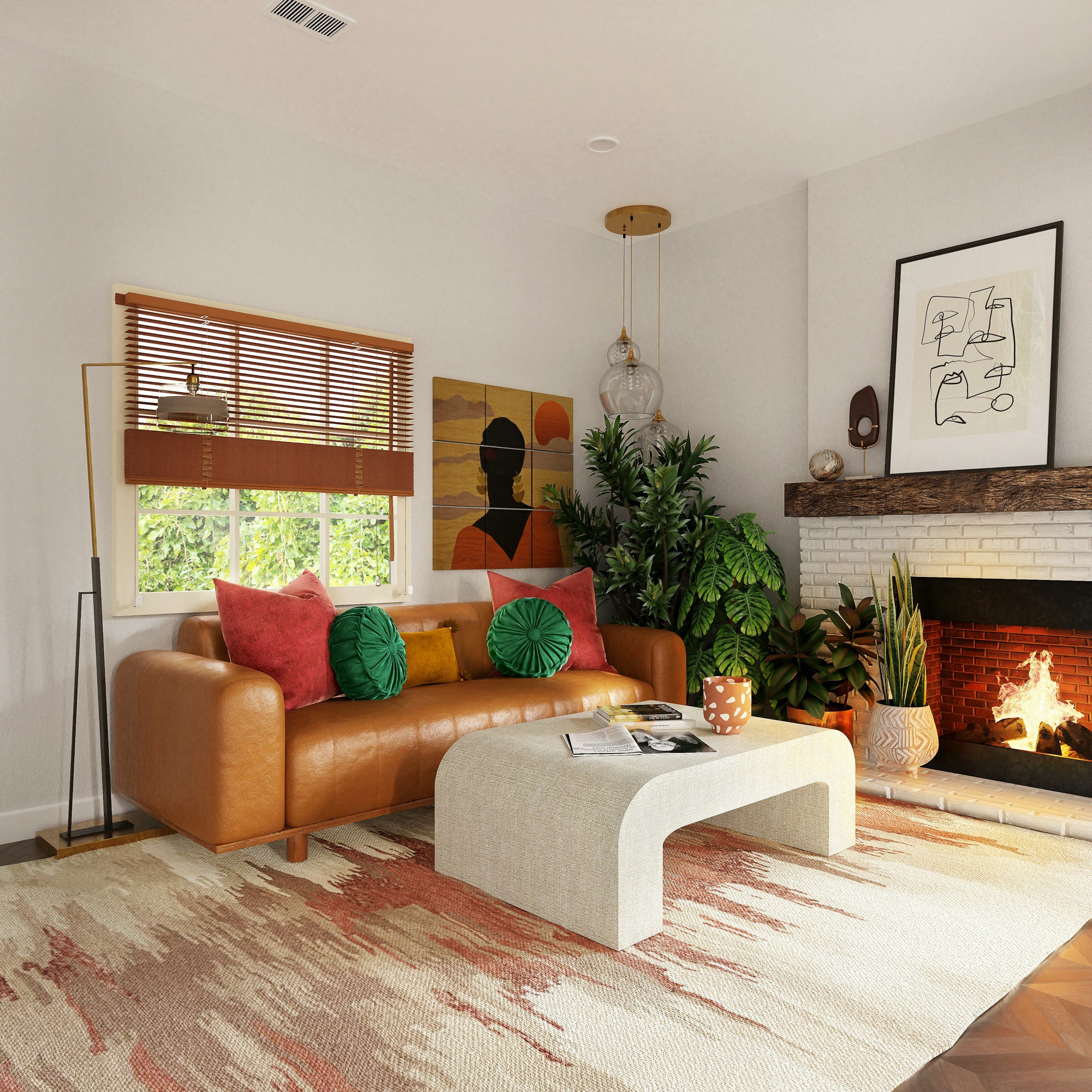
How do I know if my Airbnb is priced too low or too high?
If your calendar is always 100 percent full weeks in advance, you are almost certainly underpriced. Instant sellouts feel great but they mean demand exceeded your supply — and the difference between what you charged and what the market would have paid is revenue you'll never recover.
A healthy STR typically runs at 70 to 85 percent occupancy. The metric that actually matters most is your revenue per available night — RevPAR. This is your total monthly revenue divided by the number of nights in the month. Track this number month over month and let it guide your pricing decisions, not your occupancy rate in isolation. A property running at 65 percent occupancy with high nightly rates can easily out-earn a property at 90 percent occupancy with low rates.
If you want to understand the full revenue picture — including how design investment feeds directly into pricing power — this post on the ROI of professional interior design for STRs walks through exactly how that math works.
Should I use dynamic pricing tools for my Airbnb?
Dynamic pricing tools like PriceLabs, Wheelhouse, and DPGO can be genuinely useful — especially if you're managing multiple properties or don't want to manually review rates every week. They pull live market data and adjust your rates automatically based on demand signals.
Use them as a starting point and a sanity check, not as a replacement for your own market knowledge. Always set minimum and maximum price floors so the tool can't discount below what makes financial sense for your property, and check in on the recommendations periodically rather than setting and forgetting. The tools are only as smart as the parameters you give them.
The bigger picture is this: pricing is just one lever in a multi-lever machine. Design, photography, listing copy, reviews, and responsiveness all factor into how your property performs. A beautifully designed, well-photographed STR with a clear identity will outperform a comparable but generic property at the same price point — and it will command higher rates. The connection between design quality and booking revenue is real and measurable, and it's worth understanding before you spend another hour optimizing your nightly rate.
Frequently Asked Questions
How often should I update my Airbnb pricing?
At minimum, review your pricing once a month. During peak season or around major local events, a weekly check-in is worth the ten minutes it takes. The market moves and your rates should move with it.
What is RevPAR and why does it matter for Airbnb hosts?
RevPAR stands for revenue per available night. It's your total monthly revenue divided by the number of nights in the month — a much better performance indicator than occupancy rate alone, because it accounts for both how often you're booked and how much you're earning per booking.
How much should I charge for a tiny home Airbnb?
Search comparable tiny home listings in your specific area and identify the full range. A well-designed tiny home in a high-demand market like Western NC can command premium rates — often comparable to or exceeding larger but less distinctive properties — because guests are paying for the experience as much as the space.
Should I lower my Airbnb price to get more bookings?
Not automatically. Before lowering your price, audit your listing quality — photos, description, amenities, and reviews. Price is rarely the only factor, and it's often not even the main one. A listing with mediocre photos and a generic description will underperform at any price point.
What is a good occupancy rate for a short-term rental?
A healthy STR occupancy rate is generally between 70 and 85 percent. Consistently above 90 percent suggests you may be underpriced. Consistently below 60 percent warrants a full audit of your listing, pricing, and property presentation.
How do I price my Airbnb for holidays and local events?
Identify your key demand dates at least 90 days in advance and set premium rates manually. For very high-demand dates — major holidays, peak foliage weekends, large local events — don't be afraid to push your rate significantly above your normal peak season price. The market will tell you if you've gone too high; empty nights at a premium rate are rare for truly in-demand dates.
Want a short-term rental that earns what it's worth? At Sukkha Interior Design, we help STR hosts design properties that command premium rates and keep guests coming back. Let's talk about your property.

If you are looking to transform your space, interested in Asheville real estate, or just want to say hi, I'd love to connect!
Not quite ready for a full on design project? Take a step towards transformation with the 30 Minute Home Refresh Guide.
READ MORE
Let’s Connect