Is Asheville Still Worth It? A Local’s Honest Take on Living Here in 2026
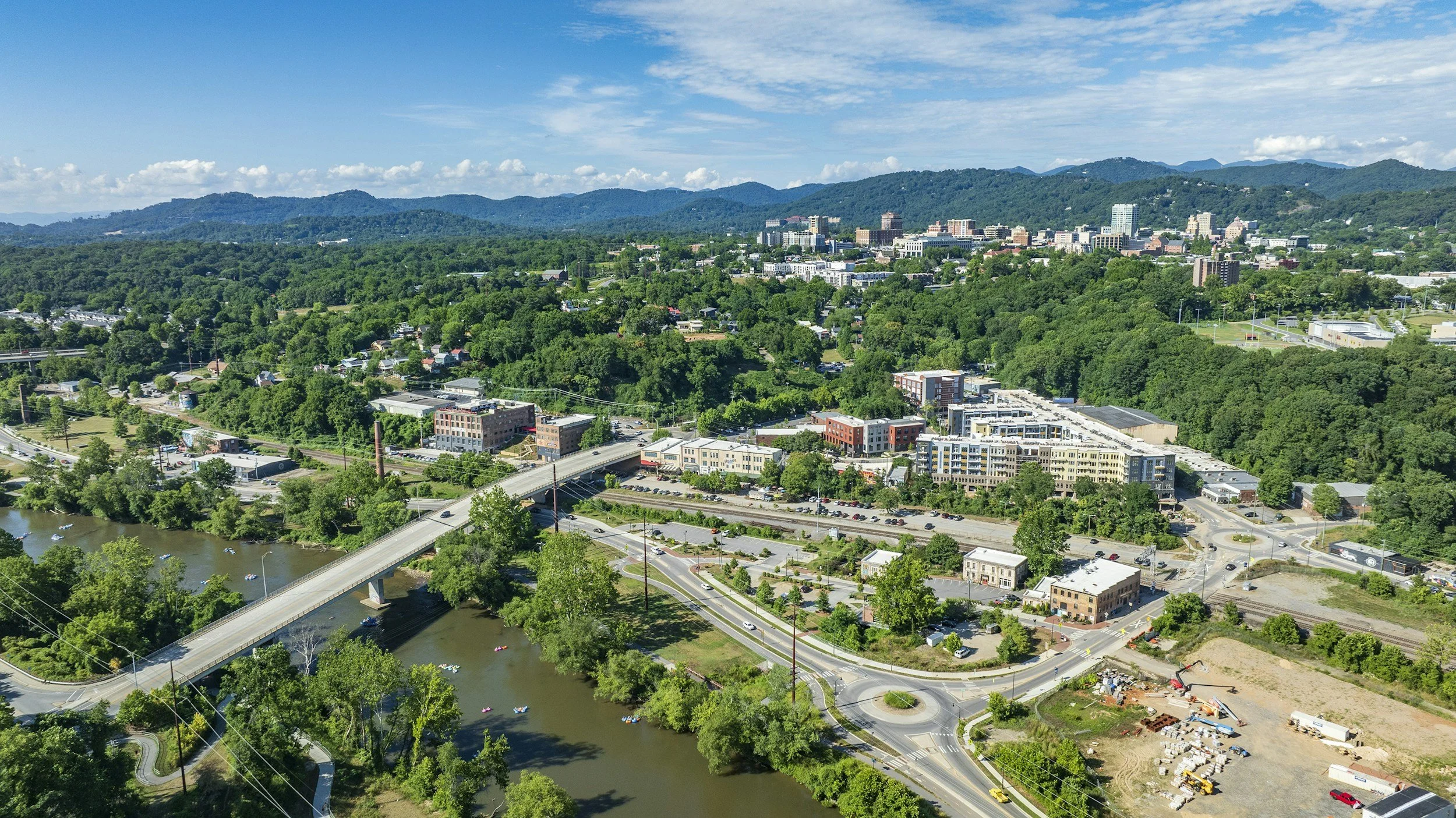
If you’re asking is Asheville worth it, you’re probably not looking for hype. You’ve seen the headlines, the Instagram reels, the relocation blogs — and you’re sensing there’s more to the story.
You’re right.
Living in Asheville in 2026 is not the same experience it was ten or even five years ago. Some things are better. Some things are harder. And whether Asheville is “worth it” depends far more on who you are than on the city itself.
This is an honest, local perspective — not a sales pitch, not a nostalgia piece, and not a takedown. Just the reality of what living here actually looks like now.
The Reality Check: Asheville Is Not a Hidden Gem Anymore
Let’s start here.
Asheville is no longer a secret. It’s a well-known destination for:
Relocators
Remote workers
Retirees
Second-home buyers
Tourists
That visibility has changed the city in meaningful ways.
Housing costs are higher. Traffic feels heavier. Some longtime locals feel pushed out. And yes — tourism is a constant presence, not a seasonal one.
If you’re moving here expecting a sleepy mountain town with empty trails and cheap real estate, you’ll be disappointed.
But that doesn’t mean Asheville has lost its value. It just means the value proposition has changed.
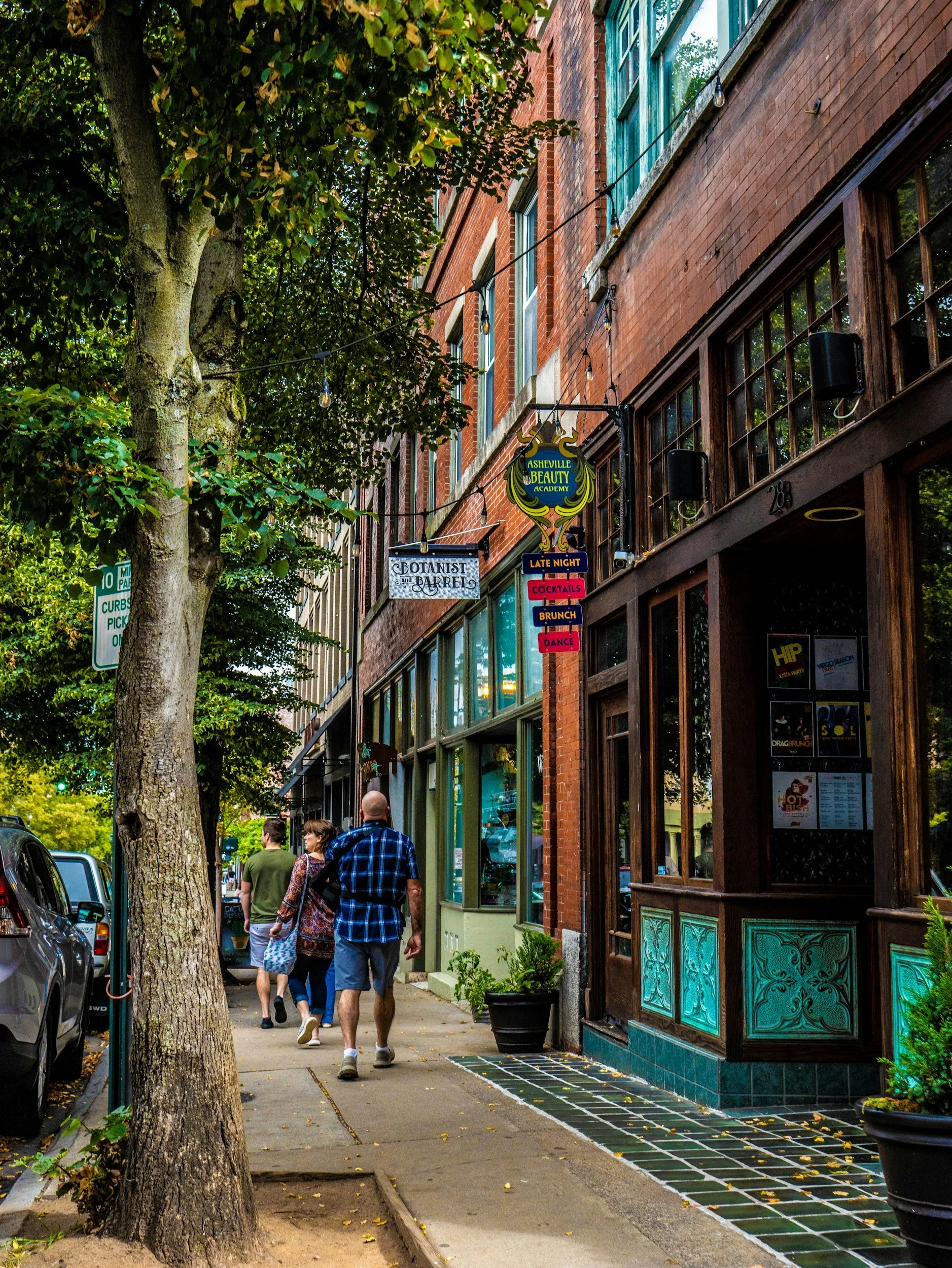
What’s Changed in Asheville (And What Hasn’t)
Understanding whether Asheville is worth it requires separating change from loss.
What’s Changed
Cost of Living
Housing is more expensive than many newcomers expect, especially in walkable or central areas. Rent and home prices reflect demand, not nostalgia.
Tourism Pressure
Tourism is part of daily life. Some areas feel busy year-round, not just during peak seasons.
Growth and Density
There are more people, more development, and more competition for space — especially close to downtown.
What Hasn’t Changed
Natural Beauty
The mountains are still here. Trails, rivers, views, and outdoor access remain a core part of daily life.
Creative Energy
Asheville still attracts artists, musicians, makers, and independent thinkers. That culture hasn’t disappeared — it’s evolved.
Community Depth
Strong local networks, mutual aid, and community involvement remain very real if you engage beyond the surface.
Living in Asheville Pros and Cons: The Honest Version
Every city has trade-offs. Asheville’s are just more pronounced because expectations are often unrealistic.
The Pros
Access to Nature
You can hike, paddle, bike, or simply sit outside year-round. Nature isn’t a weekend activity here — it’s woven into daily life.
Climate
Four seasons without extreme heat or deep cold appeals to many people.
Culture and Food
For a city its size, Asheville punches above its weight in food, music, and independent businesses.
Lifestyle Flexibility
People dress how they want, live how they want, and generally mind their business.
The Cons
Cost vs Infrastructure
Housing costs don’t always match the level of infrastructure people expect from larger cities.
Limited Job Market
Many people rely on remote work, self-employment, or specialized roles.
Tourism Fatigue
Living in a destination city can wear on you if you’re sensitive to crowds or seasonal congestion.
Adjustment Period
Asheville isn’t plug-and-play. It takes time to find your rhythm here.
Who Asheville Is Still Worth It For
Asheville continues to be a great place to live for certain people.
You’ll Likely Love Living Here If You:
Value lifestyle over status
Spend time outdoors regularly
Are comfortable with some inconvenience
Enjoy smaller, relationship-driven communities
Are willing to engage locally, not just consume
People who thrive here tend to build lives with the place, not just in it.
Who Asheville Probably Isn’t Worth It For
Being honest also means saying when Asheville may not be the right fit.
You May Struggle Here If You:
Expect big-city services and infrastructure
Want constant nightlife or high-end retail
Are sensitive to tourism and crowds
Need a large, diverse job market locally
Prefer anonymity over community
There’s no failure in realizing a place doesn’t match your needs.

The Emotional Side of Moving to Asheville
One thing rarely talked about is the emotional adjustment.
Many newcomers experience:
A honeymoon phase
A frustration phase
A grounding phase
The people who stay long-term usually push through the middle phase and recalibrate expectations.
Asheville rewards patience more than urgency.
The Long-Term Outlook: Where Asheville Is Headed
So what about the future?
Asheville isn’t going backward — but it’s not becoming something else entirely, either.
What’s Likely
Continued demand from relocators
Ongoing housing pressure
Gradual infrastructure improvements
More focus on sustainability and local resilience
What’s Unlikely
A return to “cheap Asheville”
A sudden drop in interest
A loss of outdoor appeal
The city is still desirable — just more complex.
Is Asheville Worth It in 2026? The Real Answer
Here’s the honest answer most locals land on:
Asheville is worth it if you choose it intentionally.
It’s worth it if:
You’re clear about your priorities
You accept trade-offs
You value place over convenience
You’re willing to adapt
It’s not worth it if:
You’re chasing an outdated version of the city
You expect the mountains to fix everything
You’re unwilling to engage with change
Asheville doesn’t promise ease. It offers depth.
Final Thoughts: Living in Asheville With Eyes Open
Asking is Asheville still worth it is the right question. The wrong question is whether it’s “better” or “worse” than before.
It’s different.
For the right person, living in Asheville in 2026 can still be deeply fulfilling, grounding, and rich in experience. For the wrong fit, it can feel expensive, frustrating, and isolating.
The key is honesty — with yourself first.
If you’re considering a move, take the time to understand not just the city, but how you want to live.

If you’re weighing your options and want honest guidance without the sales pressure, I’m happy to help.
👉 Book a Connection Call Now
Thinking about buying or selling near Asheville NC?
READ MORE







Book a Call