Can I tell you something that drives me crazy? Every December, I watch property investors basically hibernate until spring, treating the slow season like it’s some kind of mandatory vacation from their business.
Meanwhile, the savvy ones - the investors who consistently outperform everyone else - are using these “quiet” months to get ahead in ways that’ll pay off for the entire next year.
If you’ve been in real estate or vacation rental investing for more than five minutes, you know the market moves in seasons. Peak booking months come with their own brand of beautiful chaos, while the slow season can feel like… well, a lull.
But here’s what I’ve learned after working with property owners nationwide: the slow season isn’t downtime. It’s prime time.
It’s your window to plan, design, and execute the kinds of strategic upgrades that directly impact your property’s revenue and long-term value. In other words, while your competition is taking a break, you’re positioning yourself to dominate when the market heats up again.
Let me break down exactly why forward-thinking investors use the off-season for design projects, how it impacts your ROI, and the steps to make the most of those months when your calendar feels quieter.

The Slow Season Advantage (That Most People Miss)
In destination markets like Asheville - and honestly, most vacation rental markets - the slow season typically falls in the winter, just after New Year’s. Short-term rental bookings naturally dip. Long-term rental inquiries slow down. Properties for sale might see fewer showings.
While some investors use this time to mentally check out, the most successful ones see it completely differently. They understand:
You can renovate without killing your revenue. Fewer guests mean fewer blocked nights, which means your design updates don’t cost you nearly as much in lost income. Try doing a kitchen refresh during peak summer season and watch your revenue tank.
Contractors actually want to work with you. During busy season, the best contractors are booked solid and charging premium rates. In the slow season? You’re more likely to get your pick of talent, better availability, and more reasonable pricing.
You can launch with maximum impact. Plan now, finish upgrades before peak season hits, and you’re ready to absolutely wow guests or buyers when demand surges again. First impressions matter, and fresh design makes a killer first impression.
Why Design Matters More Than Ever in Today’s Market
Look, a property’s design used to be about making spaces look nice. Now? It’s about creating experiences that translate directly into dollars.
Design Is Your Competitive Edge
In crowded markets - and let’s be honest, most markets are crowded now - the properties that stand out in photos are the ones that get clicks, bookings, and offers. Good design isn’t just “pretty”; it’s a lead generation tool.
I’ve watched properties in the exact same neighborhood, same square footage, same amenities, perform completely differently based solely on design and how they photograph. The well-designed one consistently books at higher rates with better reviews.
Design Directly Impacts Your Bottom Line
A thoughtfully designed space photographs better, feels more comfortable, and earns higher guest satisfaction scores. That translates to higher nightly rates, fewer vacancies, and more repeat bookings. For sales properties, it means faster sales at higher prices.
First Impressions Happen Fast
Whether someone’s scrolling through Airbnb listings or walking through your property for sale, they’re making judgment calls in seconds. Design can tip the scales in your favor before they’ve even processed the details.
What “Strategic Design Planning” Actually Looks Like
Planning during slow season isn’t just browsing Pinterest boards or thinking vaguely about “maybe updating the living room.” It’s a strategic process with clear goals and measurable outcomes.
Here’s how the investors I work with approach it:
1. Audit Your Property Like a Stranger
Walk through as if you’re seeing it for the first time. What feels tired, awkward, or underwhelming? Compare your current photos to your top competitors. Look at guest reviews for recurring comments about comfort, lighting, or style issues.
Be brutally honest. That couch you love might be killing your bookings if it photographs poorly or feels uncomfortable to guests.
2. Set Clear Revenue Goals
Decide what kind of return you want from design updates. More bookings? Higher nightly rates? Faster sales? Reduced vacancy periods? Your specific goal drives your design priorities and budget allocation.
For example, if your goal is increasing nightly rates, you’ll focus on upgrades that photograph well and create luxury experiences. If it’s reducing vacancy, you might prioritize functionality and broad appeal.
3. Create an Actual Design Plan
This is where working with a professional pays off big time. A real design plan includes style direction, furniture layouts, finishes, lighting schemes, and a realistic purchase and installation schedule.
Without a plan, you’ll spend twice as much money and time, and probably end up with a space that doesn’t achieve your goals.
4. Budget for ROI, Not Just Cost
A fifteen thousand dollar refresh might sound expensive until you realize it could increase your rental rate by fifty dollars per night and boost your occupancy rate. Do the math - that investment often pays for itself in under a year.
Good design is an investment in your property’s earning potential, not just an expense.
5. Schedule Installation Strategically
Use the slow season for noisy, messy, or disruptive projects - painting, flooring, major lighting installations. Save the finishing touches and styling for right before peak season begins.
The Top 5 Slow Season Design Moves That Actually Pay Off
1. Lighting Transformation
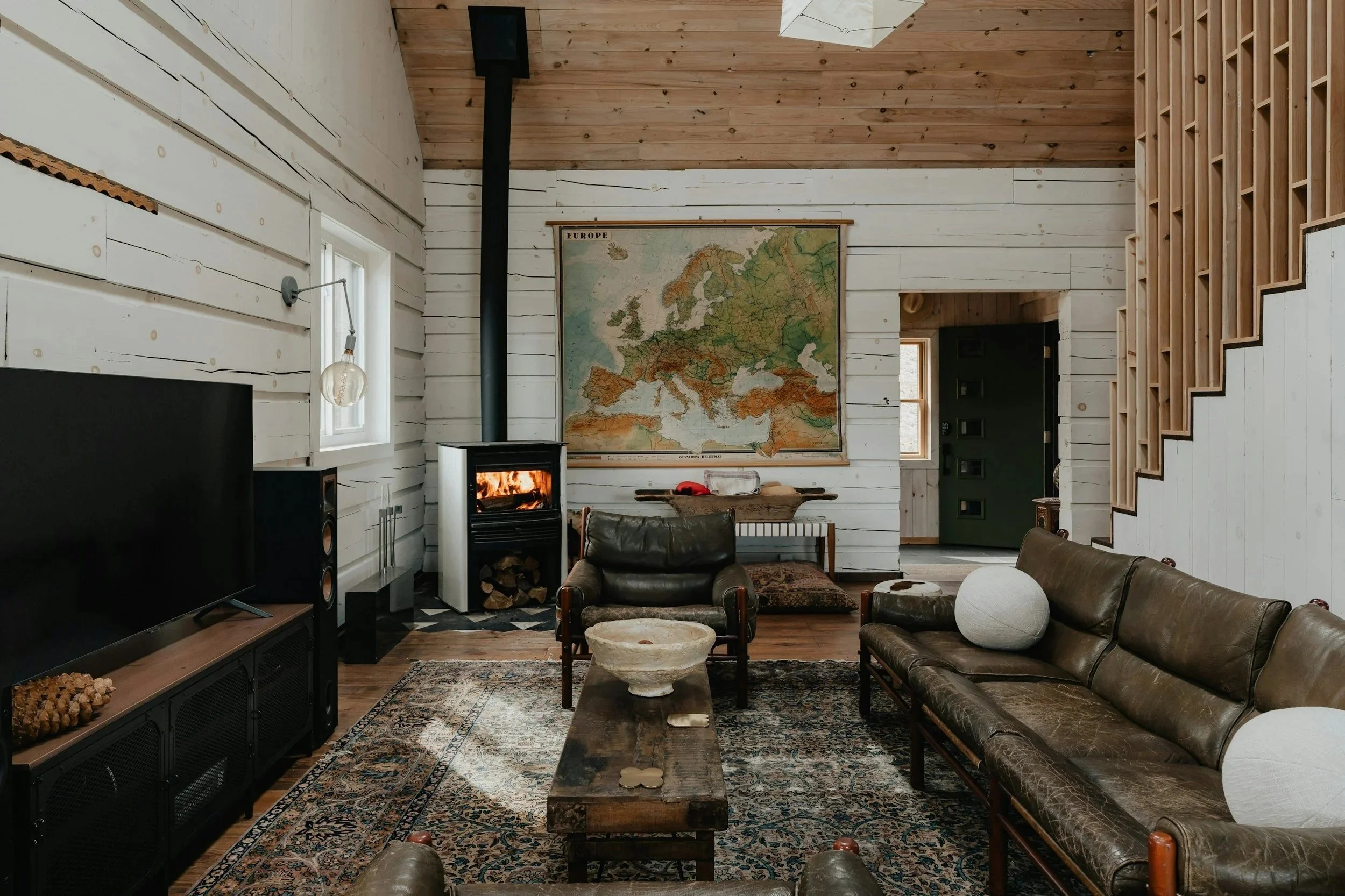
Lighting is the fastest, most impactful upgrade you can make. Replace outdated fixtures, add dimmers, layer different types of lighting, and use warm LED bulbs. Good lighting changes everything about how a space feels and photographs.
ROI impact: Better photos, improved guest experience, higher perceived value.
2. Strategic Furniture Refresh
Swap bulky, dated, or uncomfortable pieces for furniture that photographs beautifully and actually functions well for your guests. Think about flow, comfort, and visual appeal.
ROI impact: Improved guest satisfaction, better listing photos, higher booking rates.
3. Kitchen and Bath Mini-Makeovers
You don’t need full renovations. New hardware, updated faucets, fresh paint, modern lighting, and quality accessories can completely transform these high-impact spaces.
ROI impact: Significant perceived value increase for relatively modest investment.
4. Curb Appeal Upgrades
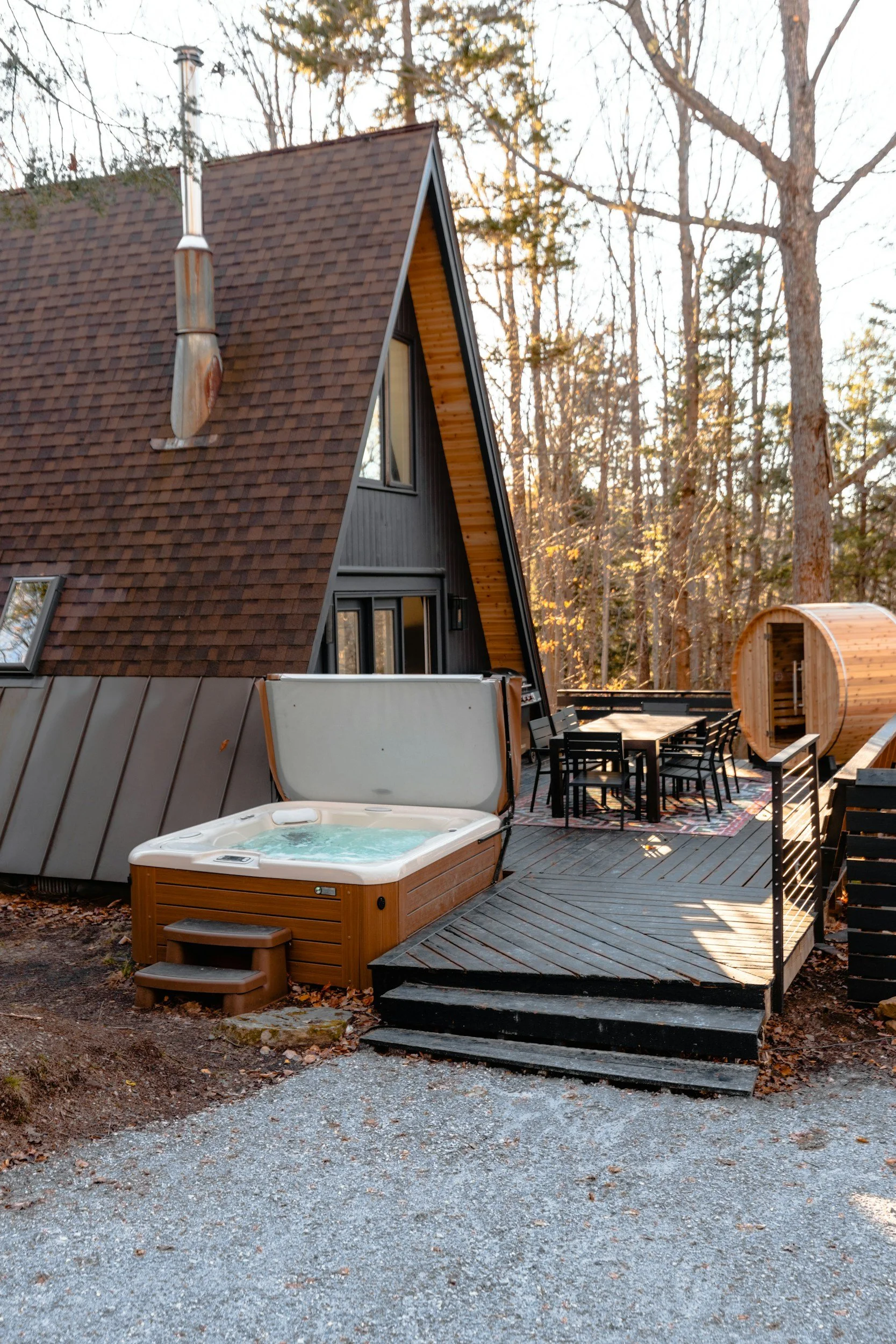
Even in winter, you can improve exterior appeal with fresh front door paint, updated house numbers, better outdoor lighting, and strategic landscaping improvements.
ROI impact: Better first impressions, improved listing photos, higher perceived property value.
5. Comfort and Coziness Layers
Add quality throws, textured pillows, area rugs, and thoughtful seasonal touches. These relatively inexpensive additions create warmth and comfort that guests notice immediately.
ROI impact: Better reviews, increased guest satisfaction, justification for higher rates.
How to Actually Execute This Strategy
Start Early
Don’t wait until January to start planning. Supply chain issues are still real, and good contractors book up quickly. Begin your planning process in early fall so you can execute smoothly during the slow months.
Invest in Professional Help
A good designer can help you avoid costly mistakes, stay on schedule, and achieve results that actually impact your bottom line. Their industry connections often mean better prices and faster delivery on furniture and materials.
Think Like a Photographer
Your design choices need to look as good on camera as they do in person. Your listing photos are your primary sales tool, so every design decision should consider how it’ll photograph.
Design for Your Target Market
Create spaces for your ideal guest or buyer, not for your personal taste. A family-friendly rental has different design needs than a romantic couples’ retreat or a business traveler accommodation.
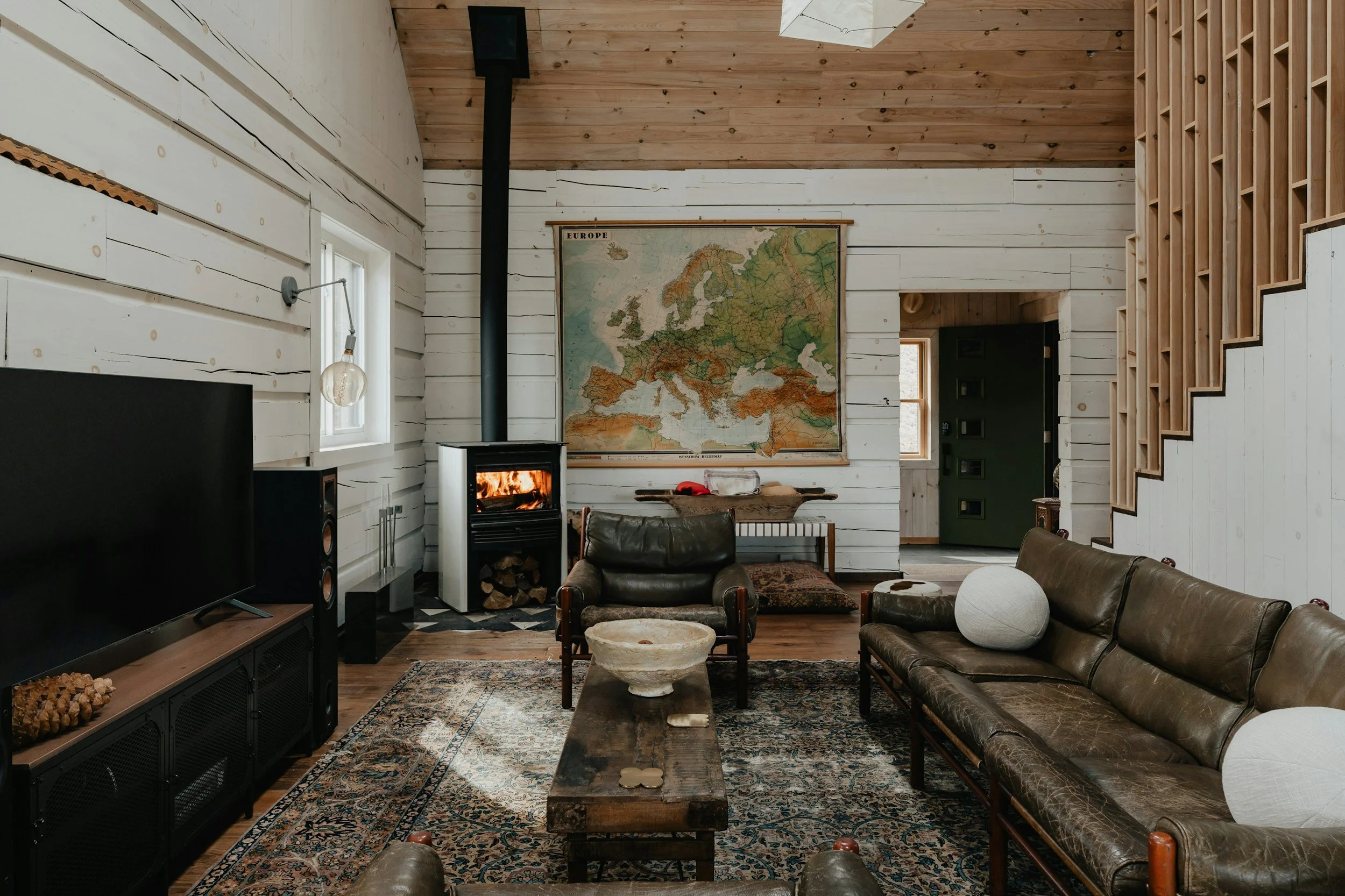
The Asheville Advantage
Working extensively in the Asheville market, I’ve seen how this strategy plays out in our specific environment:
Tourism seasonality works in your favor. Winter is naturally slower for vacation rentals, giving you a clear window for improvements without sacrificing peak revenue.
Local contractor availability. Many contractors here understand the seasonal nature of the tourism business and plan their schedules accordingly.
Mountain market expectations. Guests coming to Asheville expect a certain level of design sophistication and connection to the natural environment. Strategic winter updates help you meet and exceed those expectations.
The Spring Launch Payoff
Picture this: It’s April. Peak travel season is starting. Your newly refreshed property’s photos just went live. The design feels intentional, current, and perfectly tailored to your target market.
Guests are booking faster because your listing stands out. Your rates are higher because the space feels more valuable. Reviews are better because guests genuinely love the experience you’ve created.
That’s the power of strategic slow season planning while your competition was taking a break.
Common Mistakes to Avoid
Waiting until the last minute. Starting design projects in March means you’ll miss peak season launch opportunities.
Focusing on trends over strategy. That viral TikTok design trend might not be right for your specific property and market.
Underestimating timelines. Everything takes longer than you think, especially when you’re trying to coordinate multiple contractors and deliveries.
Skipping the planning phase. Jumping straight to shopping and installation without a clear strategy usually leads to overspending and underwhelming results.
Your Slow Season Action Plan
October-November: Assess your property’s performance and identify improvement opportunities. Set your revenue goals for the following year.
December-January: Develop your design plan, order furniture and materials, book contractors for installations.
February-March: Complete installations and styling. Take new professional photos.
April: Launch your refreshed property into peak season with maximum impact.
The Bottom Line: Slow Season Is Strategy Season
The investors who consistently outperform their competition understand something fundamental: the slow season isn’t a pause in your business - it’s when you build the foundation for your best year yet.
While others are taking a mental vacation from their properties, you can be positioning yourself to dominate when the market heats up again. Strategic design improvements made during quiet months pay dividends all year long through higher rates, better reviews, faster sales, and increased property values.
Ready to use your slow season strategically? The time to start planning is now, while you still have the luxury of time and your competition is still sleeping.
Your future self - and your bank account - will thank you for making the most of these “quiet” months.

If you are looking to transform your space, interested in Asheville real estate, or just want to say hi, I'd love to connect!
Not quite ready for a full on design project? Take a step towards transformation with the 30 Minute Home Refresh Guide.
READ MORE
FOLLOW ON INSTAGRAM


Book a Call