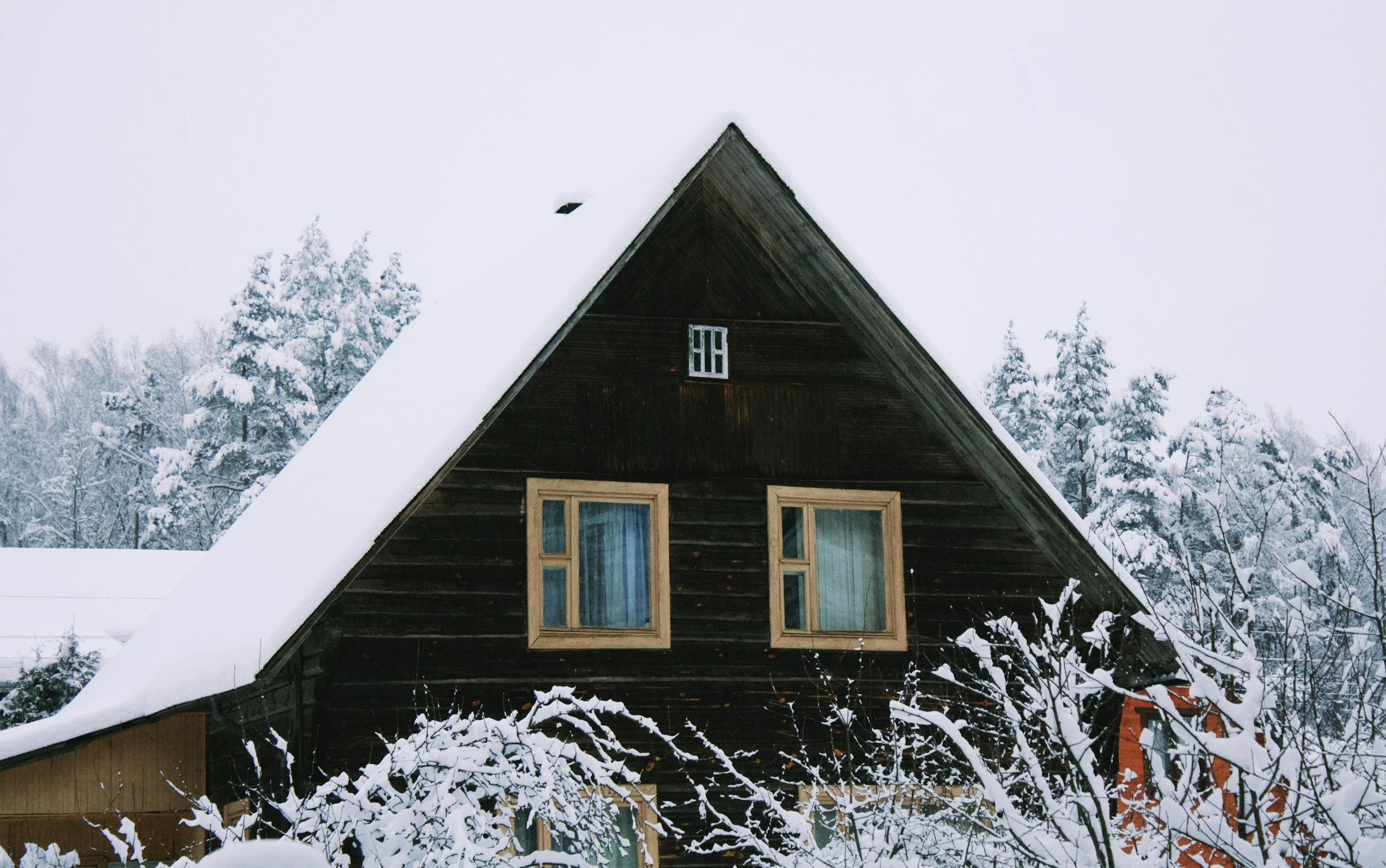
Can I let you in on something? Some of my favorite home buying success stories have happened during Asheville’s winter months. While most people assume spring is the “right” time to buy, I’ve watched savvy buyers find incredible properties, negotiate better deals, and avoid the spring bidding wars by embracing our mountain winter market.
But here’s the thing - buying a home in Asheville during winter isn’t exactly the same as touring houses in July. Between the mountain weather, seasonal market shifts, and the way homes present differently in shorter daylight, there are definitely some things you need to know before you start scheduling showings.
Whether you’re relocating from out of state, upgrading within Asheville, or searching for an investment property, understanding how winter changes the game will help you make smarter decisions and potentially save thousands in the process.
After years of helping buyers navigate our unique mountain market through all seasons, I’ve learned exactly what works - and what doesn’t - when house hunting in the Blue Ridge winter.
How Asheville’s Winter Market Actually Works

Let me paint you a picture of how our market moves through the seasons. Spring and summer bring that beautiful chaos of new listings and out-of-state buyers discovering our city. Fall stays busy thanks to leaf season drawing people to the mountains. But winter? December through February is when things slow down.
And honestly, that slowdown can be your secret weapon.
Fewer competing buyers means you’re not fighting five other offers on every decent property. You actually have time to think, inspect thoroughly, and negotiate from a position of strength. Properties might sit on the market a bit longer, giving you breathing room to make thoughtful decisions instead of panic offers.
The sellers who list in winter are often motivated. Maybe they’re relocating for a job, dealing with life changes, or have been trying to sell since fall. These aren’t usually the sellers who can afford to wait for their perfect price - they need to move.
The trade-off? Inventory is smaller. You might not see ten new listings pop up every week like you would in spring, so when the right property comes along, you need to be ready to act.
What Winter Does to Pricing in Our Market
Here’s something interesting about Asheville: our prices don’t dramatically drop in winter like they might in some markets. The consistent demand for mountain living keeps values relatively stable year-round.
But what you will find is more flexibility in other ways:
List price adjustments on homes that have been sitting since fall - especially if they were overpriced initially.
Seller concessions become much more common. Think help with closing costs, repair credits, or covering some of your loan fees.
Timeline flexibility if you need to close quickly or want extra time to sell your current home.
Pro tip from the trenches: If a home has been listed for over 60 days, especially since before the holidays, there’s usually room to negotiate. The seller has already gone through the busy fall market without success and is likely ready to work with serious buyers.
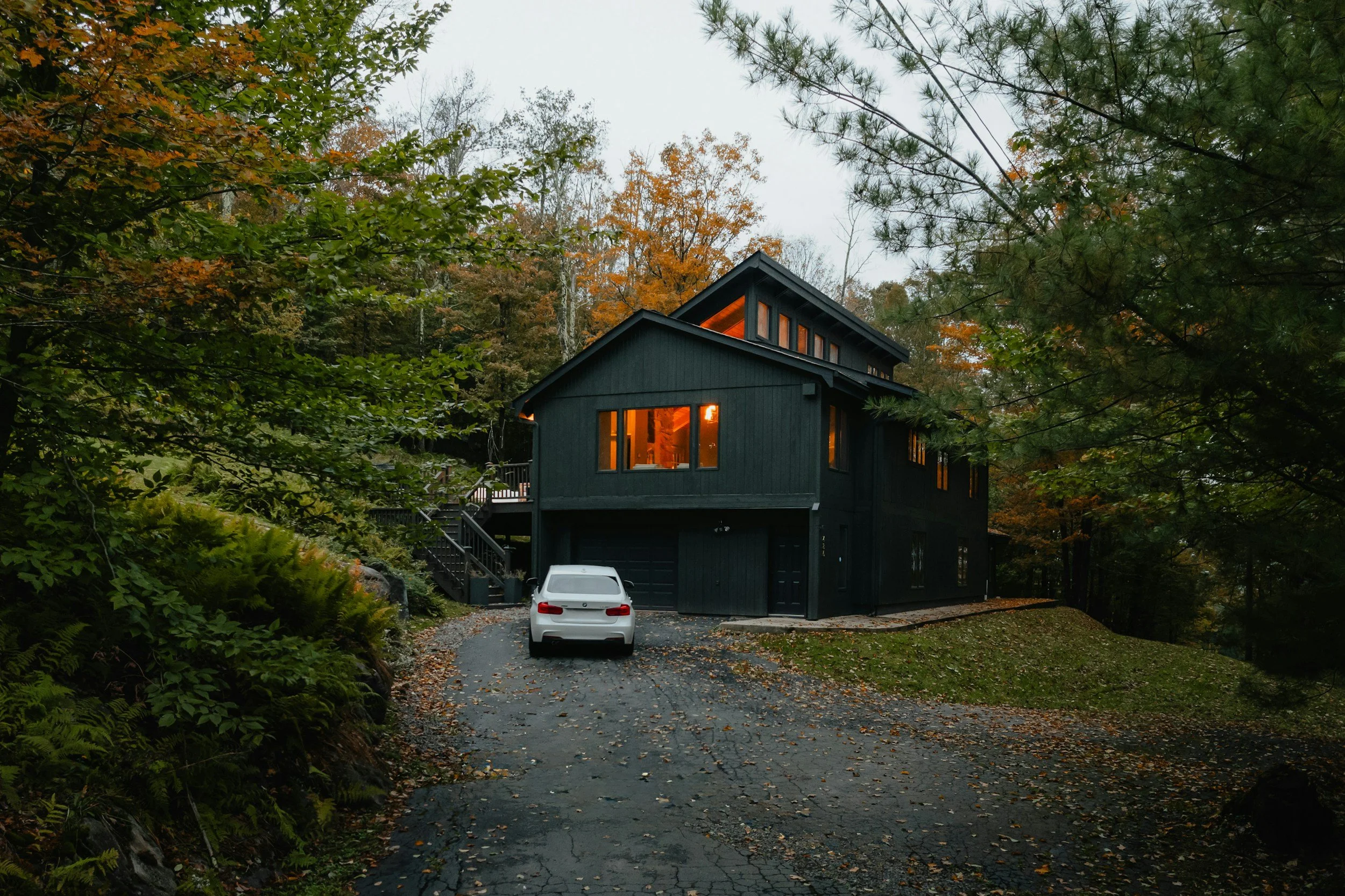
Touring Homes When the Mountains Get Moody
Asheville winters are generally milder than higher elevation mountain towns, but we still get our share of icy mornings, foggy valleys, and the occasional snow day that makes everything beautiful and slightly treacherous.
Dress for Reality, Not Instagram
You’ll be getting in and out of your car multiple times, often on uneven walkways that might be slick. Wear warm, comfortable layers and shoes with actual traction. I’ve seen too many buyers slip on icy front steps because they wore cute but impractical shoes to showings.
Build in Extra Travel Time
Some of our most beautiful neighborhoods - West Asheville, North Asheville, and the surrounding mountain communities - have narrow, winding roads that require extra caution in winter weather. What takes 15 minutes in summer might take 25 in winter conditions.
Understand How Lighting Changes Everything
Shorter daylight hours mean you might be touring homes in different light conditions than you’d experience living there. If possible, schedule one showing during peak daylight and another in the evening to see how the spaces feel at both times.
This is especially important for homes with mountain views - that gorgeous western exposure might be stunning at sunset but leave rooms dark and cold on winter mornings.
Winter-Specific Inspection Insights
Actually, winter can be one of the BEST times to spot issues that might hide during warmer months. The cold weather and precipitation reveal things that summer tours might miss:
Roof performance becomes obvious. Snow and ice buildup show you exactly how well the roof handles weather and whether heat loss is causing uneven melting patterns.
Heating system gets a real test. You’ll know immediately how well the HVAC, furnace, or heat pump performs under actual load, not just on a mild spring day.
Drafts and insulation problems are impossible to hide. Cold air makes it easy to feel where a home is losing heat - gaps around windows, poor insulation, or HVAC ductwork issues.
Moisture problems reveal themselves. Look for condensation on windows, dampness in basements, or ice dams on gutters. These can signal bigger issues with ventilation, insulation, or drainage.
My recommendation: Ask your inspector to bring thermal imaging equipment. The investment is worth it to detect heat loss and moisture issues that could cost you thousands later.
The Questions Winter Buyers Should Always Ask
When you’re touring homes during colder months, add these to your standard question list:
How long has the home been on the market? This gives you negotiating leverage and insight into seller motivation.
Are there any seasonal access or maintenance concerns? Think steep driveways that ice over, snow removal responsibilities, or flood-prone areas during spring melt.
How old is the heating system, and when was it last serviced? You want to know if you’re inheriting a system that’s about to need major repairs.
Are there rooms that are difficult to heat? Some beautiful mountain homes have spaces that are gorgeous in summer but uncomfortably cold in winter.
What are typical winter utility costs? This helps you budget accurately and might reveal insulation or efficiency issues.
How does the home handle power outages? In mountain areas, winter storms can cause outages. Knowing about backup systems or generator hookups is valuable.
The Hidden Advantages of Winter Buying
Beyond the obvious benefit of less competition, winter buying in Asheville offers some unique advantages:
You See the Home’s True Character
In spring and summer, lush landscaping can hide a multitude of issues. Winter strips away the “makeup” and shows you the home’s bones - the actual condition of siding, rooflines, grading, and drainage.
Comfort Testing in Real Conditions
You’ll know exactly how cozy (or drafty) the home feels during its most challenging season. No surprises when your first winter utility bill arrives.
Perfect Timing for Settling In
Closing in late winter or early spring means you’re moved and settled before Asheville’s most beautiful months. You can enjoy spring and summer in your new home instead of dealing with moving stress.
Better Access to Service Providers
Movers, contractors, painters, and other service providers have more availability in winter, so you can make immediate improvements or repairs without waiting months for scheduling.
Your Winter Tour Preparation Checklist
Before heading out to tour Asheville homes in winter, make sure you have:
Weather-appropriate clothing and shoes with good traction
Flashlight for dim basements, attics, or crawl spaces
Notepad or phone for detailed notes on each property
Clear list of must-haves versus nice-to-haves
Pre-approval letter ready so you can act quickly on the right property
Local agent who knows mountain neighborhoods and winter driving conditions
Neighborhood-Specific Winter Considerations
Not all Asheville neighborhoods handle winter the same way:
Downtown and South Slope: Generally easier winter access, walkable, but parking can be challenging during snow events.
West Asheville: Mix of flat and hilly areas. The flatter parts near Haywood Road are easier, while some of the hillier sections can be tricky in ice.
North Asheville (Grove Park, Beaverdam): Beautiful mountain views but steep, winding roads that can be slick. Test drive your commute in winter conditions before committing.
South Asheville: Generally flatter terrain, easier winter access, and convenient to shopping and schools.
Surrounding mountain communities: Gorgeous year-round, but you’ll want to experience the winter commute and understand snow removal responsibilities.
Timing Your Offer Strategy
Because winter listings typically move slower, you might be tempted to wait and see if prices drop further. The risk? Good properties still move quickly, especially if they’re priced appropriately from the start.
The key is working with your agent to:
Identify truly motivated sellers versus those just testing the market
Understand each property’s pricing and showing history
Make informed offers that reflect current market conditions and any needed repairs
Negotiate strategically without insulting sellers who might have other options
Why Local Expertise Matters More in Winter
Winter in Asheville can be wonderfully unpredictable - some December days hit 65 degrees and sunny, while others bring snow and ice that shut down the city. Having an agent who understands our microclimates, knows which neighborhoods get morning sun (and melt faster), and can navigate back roads safely is invaluable.
A local expert can also help you:
Spot seasonal red flags that only appear in winter conditions
Negotiate from a position of knowledge about our slower winter market
Connect with inspectors and contractors who work year-round in mountain conditions
Understand the true accessibility and livability of different neighborhoods
The Investment Property Angle
If you’re buying rental property or a future vacation rental, winter tours are especially valuable. You’ll see exactly how the property performs during the slower tourism season and understand heating costs, accessibility issues, and maintenance requirements that summer buyers might miss.
Winter is also when many vacation rental owners decide to sell, creating opportunities for investors who are ready to act.
Making Winter Work for You
Here’s what I’ve learned after years of winter transactions in Asheville: the buyers who succeed are the ones who come prepared, work with local experts, and understand that winter buying is a different game with different advantages.
You’ll have more time to think, less competition to worry about, and better negotiating position. But you also need to be ready to act when the right property appears, since inventory is limited.
The key is balancing patience with preparedness - being selective about what you pursue while being ready to move quickly on properties that meet your criteria.
Your Winter Buying Action Plan
Before you start touring:
Get pre-approved with a local lender who understands our market
Define your must-haves versus nice-to-haves clearly
Research neighborhoods and drive them in different weather conditions
Connect with a local agent who specializes in your target areas
During your search:
Schedule tours for different times of day when possible
Take detailed notes about each property’s winter performance
Ask specific questions about heating, access, and seasonal issues
Don’t rush decisions, but be ready to act on the right property
When you find “the one”:
Get a thorough inspection with thermal imaging
Negotiate strategically based on market conditions and property history
Plan your closing timeline to take advantage of winter service provider availability
The Bottom Line on Winter Buying
Buying a home in Asheville during winter isn’t just possible - it can be a strategic advantage if you know how to navigate our seasonal market. You’ll face less competition, have more negotiating power, and see properties in their most honest light.
The buyers who understand this consistently find better deals, avoid bidding wars, and end up with homes they love at prices they can afford.
Ready to explore what Asheville’s winter market has to offer? The right property might be waiting for a buyer smart enough to look when others are waiting for spring.
Come prepared, work with someone who understands our local winter rhythms, and you could find your perfect mountain home before the spring rush begins.

If you are looking to transform your space, interested in Asheville real estate, or just want to say hi, I'd love to connect!
Thinking about buying or selling near Asheville NC?
READ MORE



FOLLOW ON INSTAGRAM


Book a Call